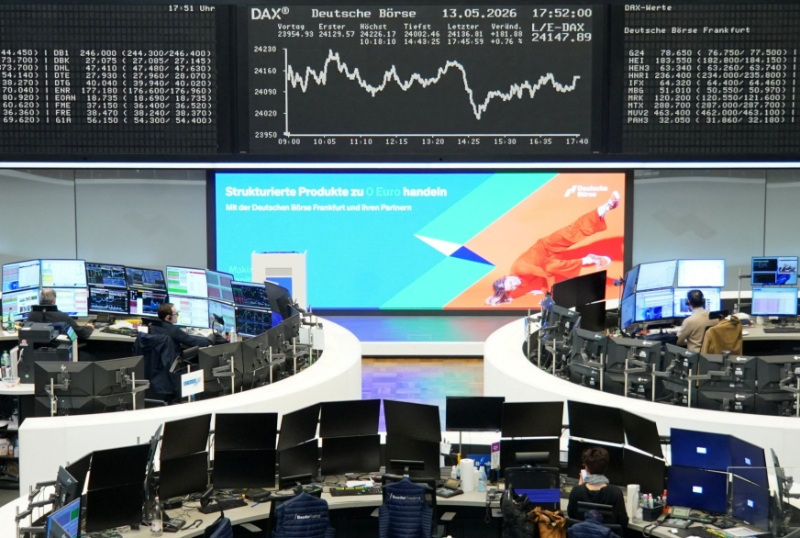
Walmart to Release Q1 Earnings on May 21, 2026
Written by Emily J. Thompson, Senior Investment Analyst
Updated: 2 days ago
0mins
Should l Buy WMT?
Source: Newsfilter
- Earnings Release Schedule: Walmart will announce its Q1 earnings on May 21, 2026, at 6 a.m. CDT, followed by a live investor conference call at 7 a.m. CDT, hosted by CEO John Furner and CFO John David Rainey, ensuring transparency and information sharing with stakeholders.
- Company Scale and Impact: With fiscal year 2026 revenue of $713 billion and approximately 2.1 million associates worldwide, Walmart attracts around 280 million customers weekly, showcasing its strong influence and leadership position in the global retail market.
- Commitment to Sustainability: Walmart continues to lead in sustainability, corporate philanthropy, and employment opportunities, indicating its focus not only on financial performance but also on social responsibility and environmental protection, enhancing its brand image.
- Omnichannel Retail Strategy: As a people-led, tech-powered omnichannel retailer, Walmart serves customers anytime and anywhere through stores, online, and mobile devices, further solidifying its competitive advantage in the global retail industry.
Trade with 70% Backtested Accuracy
Stop guessing "Should I Buy WMT?" and start using high-conviction signals backed by rigorous historical data.
Sign up today to access powerful investing tools and make smarter, data-driven decisions.
Analyst Views on WMT
Wall Street analysts forecast WMT stock price to fall
26 Analyst Rating
25 Buy
1 Hold
0 Sell
Strong Buy
Current: 132.460

Low
119.00
Averages
125.75
High
136.00
Current: 132.460
Low
119.00
Averages
125.75
High
136.00
About WMT
Walmart Inc. is a technology-powered omnichannel retailer. The Company is engaged in the operation of retail and wholesale stores and clubs, as well as eCommerce Websites and mobile applications, located throughout the United States (U.S.), Africa, Canada, Central America, Chile, China, India and Mexico. It operates in three reportable segments: Walmart U.S., Walmart International and Sam's Club U.S. The Walmart U.S. segment includes the Company's mass merchandising concept in the U.S., as well as eCommerce, which includes omni-channel initiatives and certain other business offerings such as advertising services. The Walmart International segment consists of the Company's operations outside of the U.S. through its subsidiaries, as well as eCommerce and omni-channel initiatives. The Sam's Club U.S. segment includes the warehouse membership clubs in the U.S., as well as samsclub.com and omni-channel initiatives.
About the author

Emily J. Thompson
Emily J. Thompson, a Chartered Financial Analyst (CFA) with 12 years in investment research, graduated with honors from the Wharton School. Specializing in industrial and technology stocks, she provides in-depth analysis for Intellectia’s earnings and market brief reports.
Walmart Asks Flipkart to Delay IPO Plans for Profitability Focus

- Profitability First Strategy: During CEO John Furner's recent visit to India, Walmart requested Flipkart to postpone its IPO plans and focus on achieving EBITDA breakeven by the end of FY 2027, reflecting the company's emphasis on profitability to enhance Flipkart's market competitiveness.
- Internal Target Setting: Flipkart has internally set a target to achieve EBITDA breakeven before the end of FY 2027, which means the company will not pursue an IPO or pre-IPO financing until this target is met, impacting its future capital-raising capabilities.
- Market Reaction: This marks Walmart's second IPO delay in India, following PhonePe, and despite the significant public market potential in India, the company is not in a rush to enter, indicating a focus on long-term profitability.
- Equity Structure Analysis: Walmart currently holds 71.8% of PhonePe and over 80% of Flipkart, providing it with greater flexibility in strategic decisions and ensuring security for future capital operations.
See More

Small Caps Retreat as Markets Await Earnings Reports


- Market Volatility: Following a surge in yields, major indexes showed little change this week, indicating a cautious investor sentiment that may influence short-term investment decisions.
- Small Cap Retreat: The sell-off in small caps reflects increasing market concerns over risk assets, potentially leading to a shift of funds towards more stable large-cap companies.
- Earnings Anticipation: With Nvidia and Walmart's earnings reports on the horizon, market participants are keenly focused on how these companies will perform in the current economic climate, which could significantly impact overall market sentiment.
- Yield Pressure: Rising yields may exert pressure on the stock market, particularly in high-valuation sectors like technology and consumer goods, prompting investors to closely monitor future interest rate trends.
See More

Rising Bond Yields Threaten Stock Market Rally

- Market Dynamics: CNBC's Jim Cramer emphasized that the bond market currently dictates stock market movements, warning that any robust stock performance could be undermined by bond volatility ahead of key earnings reports, necessitating investor caution.
- Oil Prices and Inflation: Following President Trump's tough stance on Iran, oil prices surged, leading to rising Treasury yields, with Cramer noting that inflation concerns have diminished hopes for interest rate cuts from the Federal Reserve, further increasing stock market uncertainty.
- IPO Risk Warning: Cramer highlighted signs of speculative excess in recent IPOs, urging investors to adopt a cautious stance toward equities; while a market crash isn't imminent, he stressed the importance of protecting gains against potential risks.
- Earnings Report Outlook: Cramer expressed caution regarding upcoming earnings reports, particularly for Home Depot and Nvidia, although he remains optimistic about Nvidia's long-term prospects, suggesting that the company will need to deliver a perfect quarter to see significant stock price increases.
See More
Bond Market Dominates Stock Trends, Cramer Issues Warning
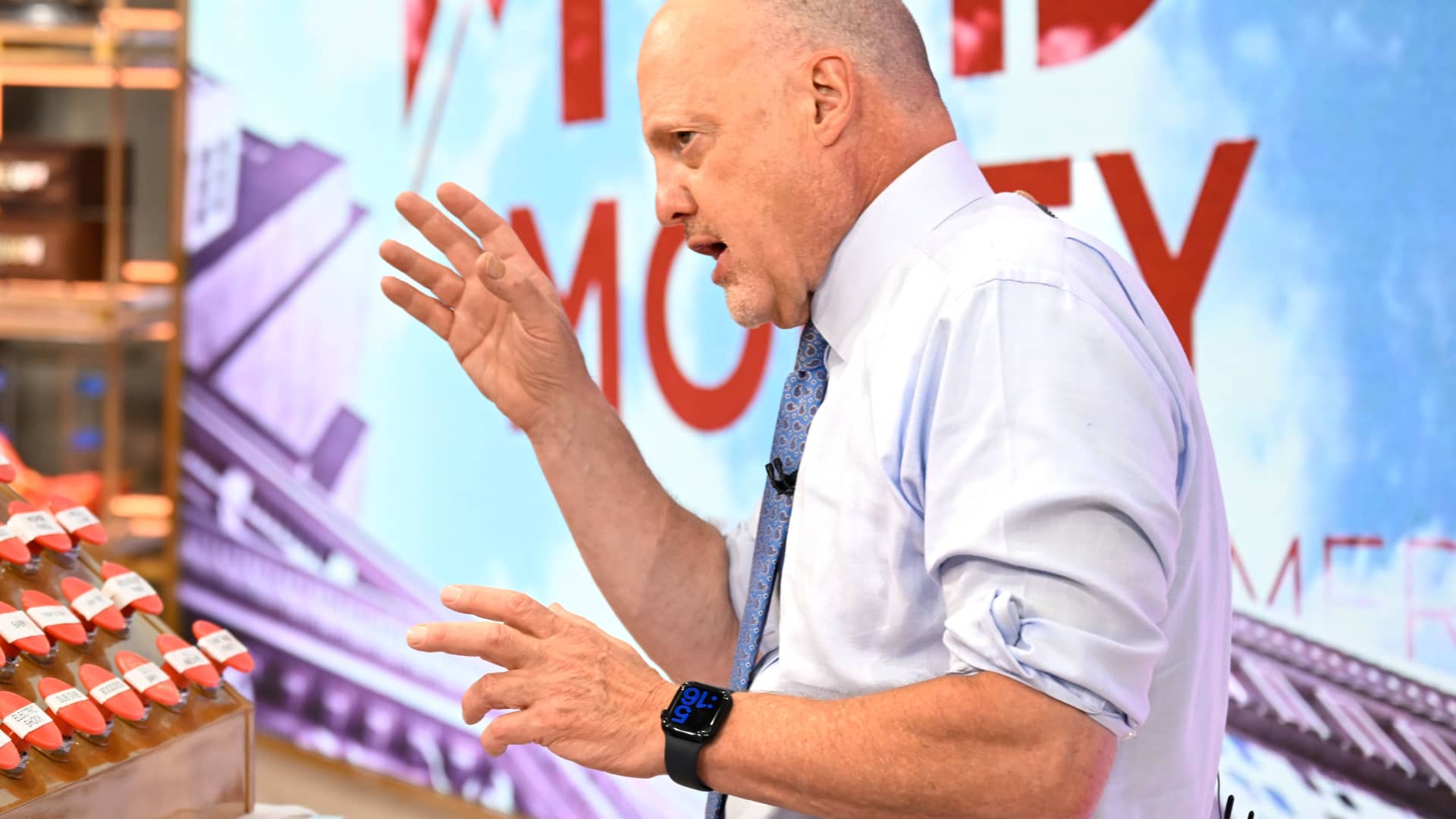
- Market Dynamics: Cramer emphasizes that the bond market's volatility can significantly impact the stock market, especially ahead of key earnings reports, urging investors to remain vigilant to avoid losses due to bond market fluctuations.
- Oil Prices and Inflation Concerns: Trump's tough stance on Iran has led to rising oil prices and Treasury yields, with Cramer noting that stock market growth hinges on a decline in oil prices, highlighting increasing market concerns over inflation.
- IPO Market Risks: Cramer warns that speculative excess in recent IPOs could heighten risks in the stock market, suggesting that while a crisis hasn't emerged yet, investors should protect their gains and adopt a cautious approach.
- Upcoming Earnings Reports: Cramer expresses caution regarding upcoming earnings reports, particularly for Home Depot and Nvidia, although he remains optimistic about Nvidia's long-term prospects, stating it will need a perfect quarter to drive further stock price increases.
See More
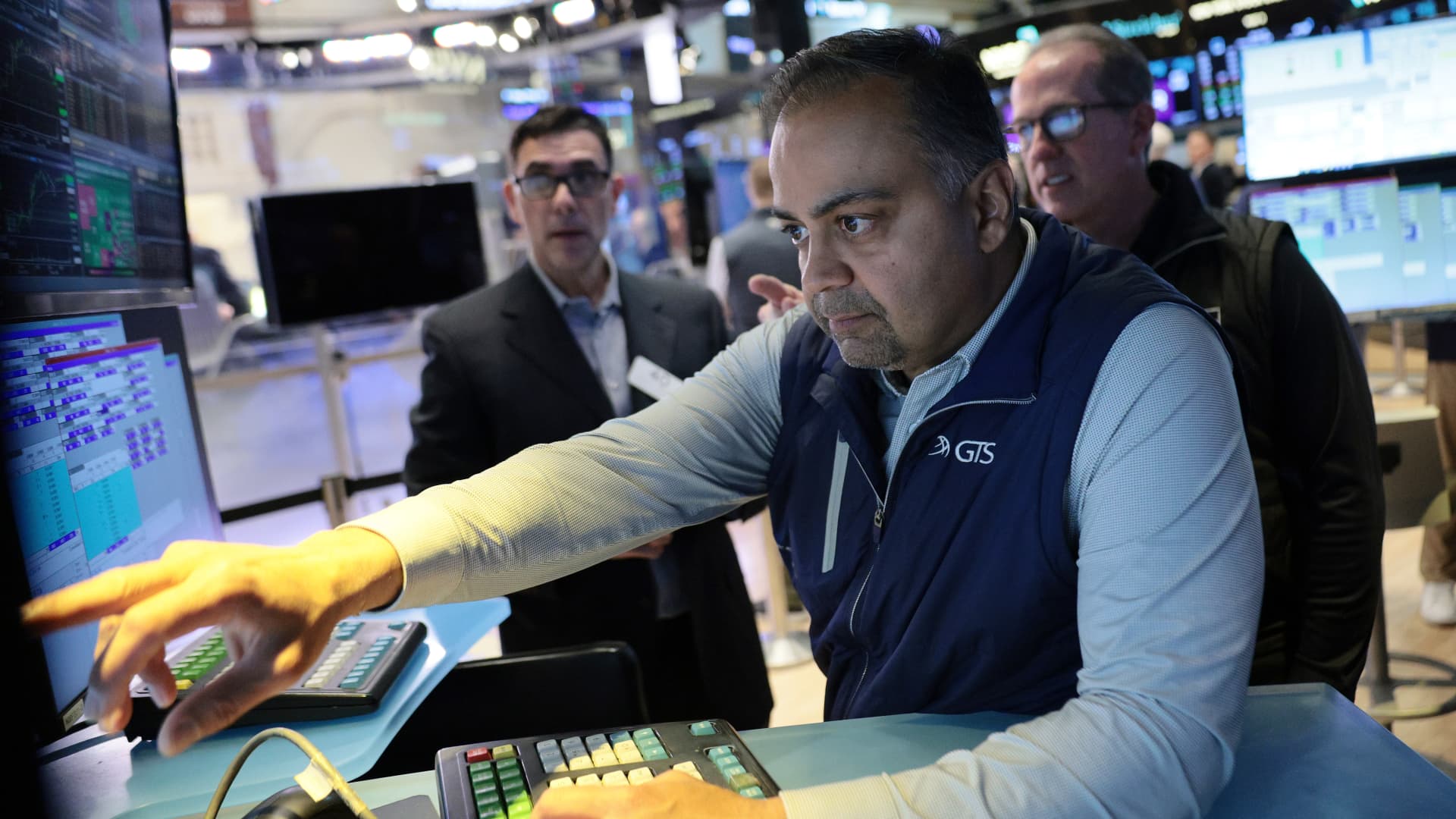
Can the AI Rally Sustain Amid Inflation Fears?
- Market Performance Review: The S&P 500 has surged approximately 19% since its March low, surpassing 7,500 for the first time this week, reflecting a revival in enthusiasm for artificial intelligence, yet the absence of cyclical sectors raises concerns.
- Internal and External Pressures: Despite a 3% rise in the S&P 500 this month, it remains nearly flat on an equal-weight basis, with the financial sector being the worst performer year-to-date, down over 6%, indicating potential impacts of high inflation on the economy.
- Nvidia Earnings Outlook: Nvidia is set to report earnings, with high expectations that CEO Jensen Huang will once again deliver a beat, although its market cap nearing $6 trillion marks a historic high, its valuation appears relatively attractive compared to peers.
- Retail Market Dynamics: Retailers like Walmart and Target are about to release earnings, and the low consumer sentiment may affect sales performance, particularly for lower-income consumers under pressure from rising oil prices, with Walmart's low-price strategy potentially giving it a competitive edge.
See More

Stocks Pull Back but S&P 500 on Track for Seventh Straight Positive Week

- Rising Bond Yields: The massive bond selloff pushed the 10-year Treasury yield to approximately 4.6% and the 30-year yield above 5.1%, which could lead to increased borrowing costs, thereby affecting corporate investment decisions and consumer spending.
- Oil Price Surge: West Texas Intermediate crude oil prices climbed back above $105 per barrel, and this rise in oil prices may exacerbate inflation concerns, potentially impacting consumer confidence and spending, especially in a high-inflation environment.
- Volatility in AI Stocks: Stocks like Arm Holdings and Nvidia experienced profit-taking as enthusiasm for AI waned, indicating a cautious investor sentiment towards high-risk assets amid rising interest rates and oil prices.
- Upcoming Earnings Reports: A significant week of earnings is ahead with key companies like Home Depot and Nvidia scheduled to report, and the market will closely monitor these results for their potential impact on stock prices in the context of increasing economic uncertainty.
See More
Walmart Asks Flipkart to Delay IPO Plans for Profitability Focus
- Profitability First Strategy: During CEO John Furner's recent visit to India, Walmart requested Flipkart to postpone its IPO plans and focus on achieving EBITDA breakeven by the end of FY 2027, reflecting the company's emphasis on profitability to enhance Flipkart's market competitiveness.
- Internal Target Setting: Flipkart has internally set a target to achieve EBITDA breakeven before the end of FY 2027, which means the company will not pursue an IPO or pre-IPO financing until this target is met, impacting its future capital-raising capabilities.
- Market Reaction: This marks Walmart's second IPO delay in India, following PhonePe, and despite the significant public market potential in India, the company is not in a rush to enter, indicating a focus on long-term profitability.
- Equity Structure Analysis: Walmart currently holds 71.8% of PhonePe and over 80% of Flipkart, providing it with greater flexibility in strategic decisions and ensuring security for future capital operations.
See More
Small Caps Retreat as Markets Await Earnings Reports
- Market Volatility: Following a surge in yields, major indexes showed little change this week, indicating a cautious investor sentiment that may influence short-term investment decisions.
- Small Cap Retreat: The sell-off in small caps reflects increasing market concerns over risk assets, potentially leading to a shift of funds towards more stable large-cap companies.
- Earnings Anticipation: With Nvidia and Walmart's earnings reports on the horizon, market participants are keenly focused on how these companies will perform in the current economic climate, which could significantly impact overall market sentiment.
- Yield Pressure: Rising yields may exert pressure on the stock market, particularly in high-valuation sectors like technology and consumer goods, prompting investors to closely monitor future interest rate trends.
See More
Rising Bond Yields Threaten Stock Market Rally
- Market Dynamics: CNBC's Jim Cramer emphasized that the bond market currently dictates stock market movements, warning that any robust stock performance could be undermined by bond volatility ahead of key earnings reports, necessitating investor caution.
- Oil Prices and Inflation: Following President Trump's tough stance on Iran, oil prices surged, leading to rising Treasury yields, with Cramer noting that inflation concerns have diminished hopes for interest rate cuts from the Federal Reserve, further increasing stock market uncertainty.
- IPO Risk Warning: Cramer highlighted signs of speculative excess in recent IPOs, urging investors to adopt a cautious stance toward equities; while a market crash isn't imminent, he stressed the importance of protecting gains against potential risks.
- Earnings Report Outlook: Cramer expressed caution regarding upcoming earnings reports, particularly for Home Depot and Nvidia, although he remains optimistic about Nvidia's long-term prospects, suggesting that the company will need to deliver a perfect quarter to see significant stock price increases.
See More
Bond Market Dominates Stock Trends, Cramer Issues Warning
- Market Dynamics: Cramer emphasizes that the bond market's volatility can significantly impact the stock market, especially ahead of key earnings reports, urging investors to remain vigilant to avoid losses due to bond market fluctuations.
- Oil Prices and Inflation Concerns: Trump's tough stance on Iran has led to rising oil prices and Treasury yields, with Cramer noting that stock market growth hinges on a decline in oil prices, highlighting increasing market concerns over inflation.
- IPO Market Risks: Cramer warns that speculative excess in recent IPOs could heighten risks in the stock market, suggesting that while a crisis hasn't emerged yet, investors should protect their gains and adopt a cautious approach.
- Upcoming Earnings Reports: Cramer expresses caution regarding upcoming earnings reports, particularly for Home Depot and Nvidia, although he remains optimistic about Nvidia's long-term prospects, stating it will need a perfect quarter to drive further stock price increases.
See More
Can the AI Rally Sustain Amid Inflation Fears?
- Market Performance Review: The S&P 500 has surged approximately 19% since its March low, surpassing 7,500 for the first time this week, reflecting a revival in enthusiasm for artificial intelligence, yet the absence of cyclical sectors raises concerns.
- Internal and External Pressures: Despite a 3% rise in the S&P 500 this month, it remains nearly flat on an equal-weight basis, with the financial sector being the worst performer year-to-date, down over 6%, indicating potential impacts of high inflation on the economy.
- Nvidia Earnings Outlook: Nvidia is set to report earnings, with high expectations that CEO Jensen Huang will once again deliver a beat, although its market cap nearing $6 trillion marks a historic high, its valuation appears relatively attractive compared to peers.
- Retail Market Dynamics: Retailers like Walmart and Target are about to release earnings, and the low consumer sentiment may affect sales performance, particularly for lower-income consumers under pressure from rising oil prices, with Walmart's low-price strategy potentially giving it a competitive edge.
See More
Stocks Pull Back but S&P 500 on Track for Seventh Straight Positive Week
- Rising Bond Yields: The massive bond selloff pushed the 10-year Treasury yield to approximately 4.6% and the 30-year yield above 5.1%, which could lead to increased borrowing costs, thereby affecting corporate investment decisions and consumer spending.
- Oil Price Surge: West Texas Intermediate crude oil prices climbed back above $105 per barrel, and this rise in oil prices may exacerbate inflation concerns, potentially impacting consumer confidence and spending, especially in a high-inflation environment.
- Volatility in AI Stocks: Stocks like Arm Holdings and Nvidia experienced profit-taking as enthusiasm for AI waned, indicating a cautious investor sentiment towards high-risk assets amid rising interest rates and oil prices.
- Upcoming Earnings Reports: A significant week of earnings is ahead with key companies like Home Depot and Nvidia scheduled to report, and the market will closely monitor these results for their potential impact on stock prices in the context of increasing economic uncertainty.
See More