Walmart Reports Strong Q1 2027 Earnings Amid Consumer Stress
Written by Emily J. Thompson, Senior Investment Analyst
Updated: 2 days ago
0mins

Source: NASDAQ.COM
- E-commerce Surge: Walmart's e-commerce sales increased by 26% year-over-year, with some global locations achieving deliveries in just 13 minutes, showcasing its competitive edge in a rapidly evolving retail landscape, even as consumer stress rises.
- Robust Financial Performance: In Q1 2027, Walmart reported a 7.3% year-over-year revenue increase, a 4.1% rise in U.S. comparable sales, a 5% increase in operating income, and earnings per share rising from $0.61 to $0.66, indicating strong profitability despite economic pressures.
- Market Share Growth: Deliveries in the U.S. surged by 45%, with 36% of store orders fulfilled within three hours, leveraging its network of 5,200 stores to further solidify its leadership position in the e-commerce market.
- Consumer Pressure Noted: Despite strong results, Walmart executives highlighted that lower-income consumers are feeling pressure, with rising fuel prices causing average fill-ups to drop below 10 gallons for the first time in four years, potentially leading to upward pressure on retail prices, prompting investors to watch for future earnings updates.
Trade with 70% Backtested Accuracy
Stop guessing "Should I Buy WMT?" and start using high-conviction signals backed by rigorous historical data.
Sign up today to access powerful investing tools and make smarter, data-driven decisions.
Analyst Views on WMT
Wall Street analysts forecast WMT stock price to rise
26 Analyst Rating
25 Buy
1 Hold
0 Sell
Strong Buy
Current: 116.890

Low
119.00
Averages
125.75
High
136.00
Current: 116.890
Low
119.00
Averages
125.75
High
136.00
About WMT
Walmart Inc. is a technology-powered omnichannel retailer. The Company is engaged in the operation of retail and wholesale stores and clubs, as well as eCommerce Websites and mobile applications, located throughout the United States (U.S.), Africa, Canada, Central America, Chile, China, India and Mexico. It operates in three reportable segments: Walmart U.S., Walmart International and Sam's Club U.S. The Walmart U.S. segment includes the Company's mass merchandising concept in the U.S., as well as eCommerce, which includes omni-channel initiatives and certain other business offerings such as advertising services. The Walmart International segment consists of the Company's operations outside of the U.S. through its subsidiaries, as well as eCommerce and omni-channel initiatives. The Sam's Club U.S. segment includes the warehouse membership clubs in the U.S., as well as samsclub.com and omni-channel initiatives.
About the author

Emily J. Thompson
Emily J. Thompson, a Chartered Financial Analyst (CFA) with 12 years in investment research, graduated with honors from the Wharton School. Specializing in industrial and technology stocks, she provides in-depth analysis for Intellectia’s earnings and market brief reports.
Walmart Launches Walmart+ Membership in Canada

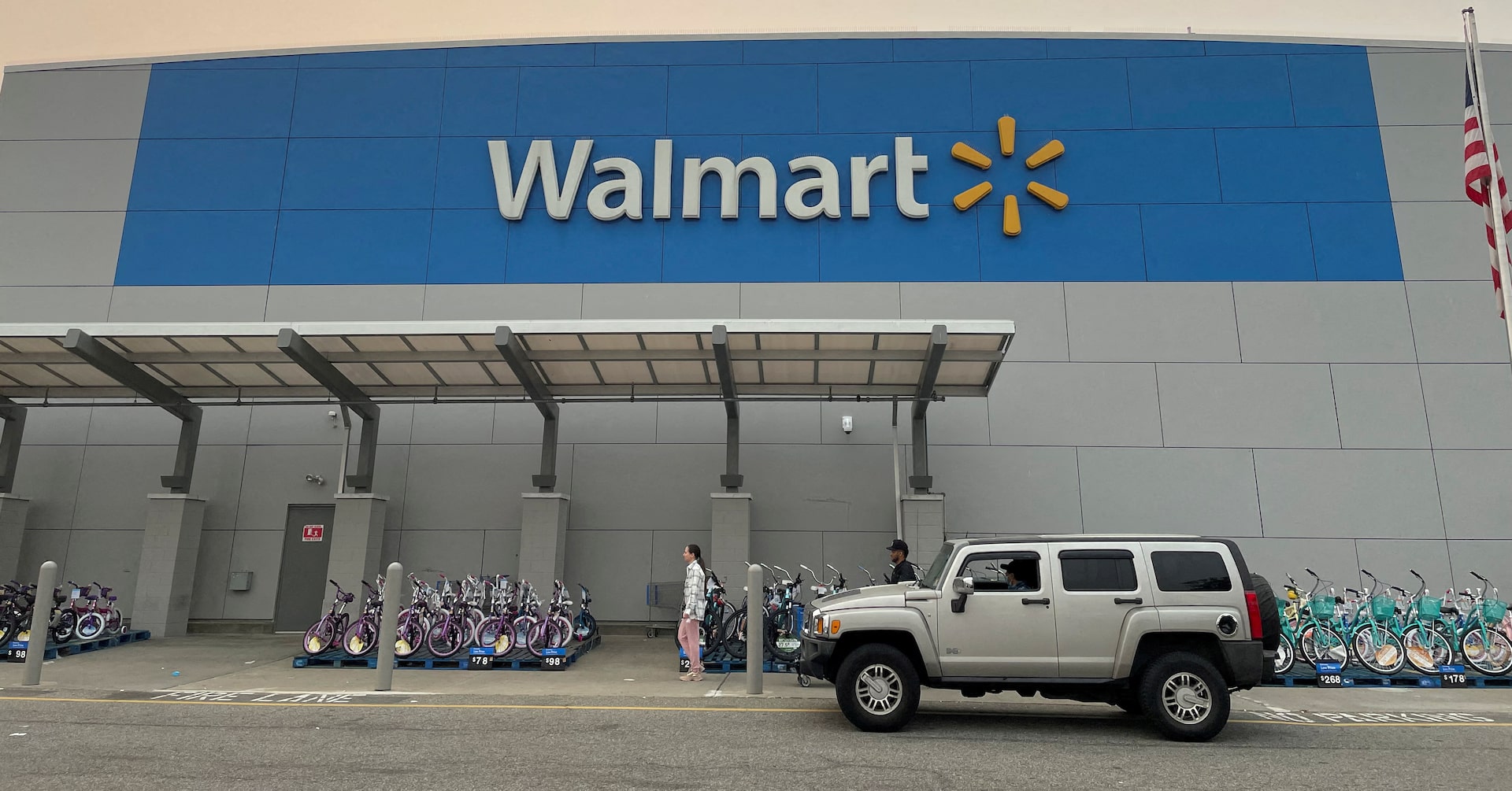
- Membership Expansion: Walmart launched Walmart+ in Canada on Thursday, marking its first international market for the membership program, priced at CAD 8.97 per month or CAD 89 annually, aiming to enhance customer loyalty and market competitiveness.
- Enhanced Delivery Services: Walmart+ members receive unlimited free same-day delivery on orders over CAD 35 while retaining existing low-price shopping advantages, and discounted fees for two-hour express delivery significantly improve the shopping experience.
- Unique Entertainment Content: The membership includes a Crave Standard with Ads streaming subscription, making it the only retail membership in Canada to bundle this service, allowing members access to Crave Originals, HBO, and Max Originals, thus increasing membership appeal.
- Positive Market Response: Walmart's stock rose 2.1% in premarket trading on Thursday, with analysts giving a consensus Strong Buy rating on WMT, indicating positive market expectations for the new membership service, which could drive future sales growth.
See More

Costco and Walmart Report Strong Earnings but Stocks Decline
- Significant Earnings Growth: Costco reported an 11.6% year-over-year revenue increase in Q3 2026, reaching record levels, although earnings per share fell from $4.93 to $4.28, indicating the company's resilience and appeal in a high fuel cost environment.
- Membership Revenue Boost: Costco's membership fee income rose by 10.7%, while Walmart's global membership fee revenue increased by 17.4%, demonstrating both companies' success in attracting and retaining customers despite economic pressures.
- Market Warning Signals: Despite strong performance, both Costco and Walmart's stock prices fell after earnings reports, reflecting investor concerns over high valuations, particularly amid rising inflation and fuel prices.
- Increased Valuation Risks: With Costco's P/E ratio at 49 and Walmart's at 41, both are above multi-year averages, suggesting that any negative sentiment could lead to significant stock price fluctuations, prompting investors to be cautious in selecting new stock purchases.
See More

Costco and Walmart Report Strong Earnings Amid Valuation Concerns
- Costco's Strong Performance: Costco reported an 11.6% year-over-year revenue increase in Q3 2026, marking its highest growth rate in years, although earnings per share fell from $4.93 to $4.28, indicating resilience in a high fuel cost environment.
- Walmart's Sales Growth: Walmart's sales rose 7.3% year-over-year in Q1 2027, with U.S. comps up 4.1% and EPS increasing from $0.61 to $0.66, showcasing its robust operational capabilities across over 10,000 global stores.
- Valuation Concerns: Despite strong earnings, Costco and Walmart trade at P/E ratios of 49 and 41, respectively, reflecting high market expectations, where any negative sentiment could lead to significant stock price declines.
- Consumer Confidence Divergence: Walmart's CFO noted that while high-income consumers are spending confidently, lower-income consumers are more budget-conscious, indicating that the resilience of U.S. consumers is under scrutiny amid ongoing inflation and rising fuel prices.
See More

Amazon Prime Day Moves to June 23-26, Competing Retail Events Emerge

- Event Timing Shift: Amazon has moved Prime Day to June 23-26, breaking from its traditional July schedule, which is expected to attract more consumers and further solidify its leadership in the e-commerce market.
- Sales Expectations: Prime Day 2025 set a record with U.S. consumers spending $24.1 billion online, exceeding projections by $300 million, indicating strong market demand and consumer confidence that may influence future retail sales reports.
- Increased Competition: Major retailers like Target and Best Buy have announced promotional events coinciding with Prime Day, with Target Circle Deal Days running concurrently and Best Buy's Tech Fest Sale starting a day earlier, demonstrating how Amazon's influence is prompting swift responses from competitors.
- Market Impact Analysis: Economists forecast that the calendar shift of Prime Day will affect the U.S. retail sales reports for June and July, potentially leading retailers to adjust their sales strategies in response to the intensifying competitive landscape.
See More

Vanguard Consumer Staples ETF Outperforms S&P 500
- Historical Returns: Since its inception in 1957, the S&P 500 has generated an average annual return of approximately 10%, leading Vanguard's founder John Bogle to recommend that investors simply buy index funds to simplify their investment strategy.
- Vanguard Consumer Staples ETF Performance: The Vanguard Consumer Staples ETF (VDC) outperformed the S&P 500 during the Great Recession and throughout 2022, primarily due to its focus on companies that provide non-discretionary goods, which tend to maintain stable sales during economic downturns.
- Portfolio Composition: VDC passively tracks the MSCI US IMI Consumer Staples 25/50 index, comprising 104 consumer staples stocks, with major holdings in large-cap companies like Walmart (16.2%), Costco (12.3%), and Procter & Gamble (9.1%), which dominate its portfolio.
- Long-Term Investment Comparison: While VDC serves as a strong defensive play during bear markets, its price has only risen 20% over the past decade compared to VOO's 80% increase, and with an expense ratio of 0.09% versus VOO's 0.03%, VDC may not be the best choice for long-term investors.
See More

Analysis of VDC ETF Performance in Bear Markets
- Defensive Investment Advantage: The Vanguard Consumer Staples ETF (VDC) outperformed the S&P 500 from 2007 to 2009 and throughout 2022, demonstrating its defensive investment advantage during economic downturns, particularly as demand for non-discretionary goods remains stable.
- Market Performance Comparison: Despite VDC's strong performance in bear markets, it has only risen 20% over the past decade, while the Vanguard S&P 500 ETF (VOO) surged about 80%, indicating that defensive stocks lose appeal during bull markets, prompting investors to seek higher growth assets.
- Expense Ratio Discrepancy: VDC's expense ratio stands at 0.09%, higher than VOO's 0.03%, which makes the latter more attractive to long-term investors, thereby impacting VDC's long-term appeal.
- Investment Strategy Recommendation: For short-term investors, VDC may present an attractive defensive option, but for those seeking long-term growth, allocating too much to VDC is unwise, as it is not designed to outperform the market.
See More
Walmart Launches Walmart+ Membership in Canada
- Membership Expansion: Walmart launched Walmart+ in Canada on Thursday, marking its first international market for the membership program, priced at CAD 8.97 per month or CAD 89 annually, aiming to enhance customer loyalty and market competitiveness.
- Enhanced Delivery Services: Walmart+ members receive unlimited free same-day delivery on orders over CAD 35 while retaining existing low-price shopping advantages, and discounted fees for two-hour express delivery significantly improve the shopping experience.
- Unique Entertainment Content: The membership includes a Crave Standard with Ads streaming subscription, making it the only retail membership in Canada to bundle this service, allowing members access to Crave Originals, HBO, and Max Originals, thus increasing membership appeal.
- Positive Market Response: Walmart's stock rose 2.1% in premarket trading on Thursday, with analysts giving a consensus Strong Buy rating on WMT, indicating positive market expectations for the new membership service, which could drive future sales growth.
See More
Costco and Walmart Report Strong Earnings but Stocks Decline
- Significant Earnings Growth: Costco reported an 11.6% year-over-year revenue increase in Q3 2026, reaching record levels, although earnings per share fell from $4.93 to $4.28, indicating the company's resilience and appeal in a high fuel cost environment.
- Membership Revenue Boost: Costco's membership fee income rose by 10.7%, while Walmart's global membership fee revenue increased by 17.4%, demonstrating both companies' success in attracting and retaining customers despite economic pressures.
- Market Warning Signals: Despite strong performance, both Costco and Walmart's stock prices fell after earnings reports, reflecting investor concerns over high valuations, particularly amid rising inflation and fuel prices.
- Increased Valuation Risks: With Costco's P/E ratio at 49 and Walmart's at 41, both are above multi-year averages, suggesting that any negative sentiment could lead to significant stock price fluctuations, prompting investors to be cautious in selecting new stock purchases.
See More
Costco and Walmart Report Strong Earnings Amid Valuation Concerns
- Costco's Strong Performance: Costco reported an 11.6% year-over-year revenue increase in Q3 2026, marking its highest growth rate in years, although earnings per share fell from $4.93 to $4.28, indicating resilience in a high fuel cost environment.
- Walmart's Sales Growth: Walmart's sales rose 7.3% year-over-year in Q1 2027, with U.S. comps up 4.1% and EPS increasing from $0.61 to $0.66, showcasing its robust operational capabilities across over 10,000 global stores.
- Valuation Concerns: Despite strong earnings, Costco and Walmart trade at P/E ratios of 49 and 41, respectively, reflecting high market expectations, where any negative sentiment could lead to significant stock price declines.
- Consumer Confidence Divergence: Walmart's CFO noted that while high-income consumers are spending confidently, lower-income consumers are more budget-conscious, indicating that the resilience of U.S. consumers is under scrutiny amid ongoing inflation and rising fuel prices.
See More
Amazon Prime Day Moves to June 23-26, Competing Retail Events Emerge
- Event Timing Shift: Amazon has moved Prime Day to June 23-26, breaking from its traditional July schedule, which is expected to attract more consumers and further solidify its leadership in the e-commerce market.
- Sales Expectations: Prime Day 2025 set a record with U.S. consumers spending $24.1 billion online, exceeding projections by $300 million, indicating strong market demand and consumer confidence that may influence future retail sales reports.
- Increased Competition: Major retailers like Target and Best Buy have announced promotional events coinciding with Prime Day, with Target Circle Deal Days running concurrently and Best Buy's Tech Fest Sale starting a day earlier, demonstrating how Amazon's influence is prompting swift responses from competitors.
- Market Impact Analysis: Economists forecast that the calendar shift of Prime Day will affect the U.S. retail sales reports for June and July, potentially leading retailers to adjust their sales strategies in response to the intensifying competitive landscape.
See More
Vanguard Consumer Staples ETF Outperforms S&P 500
- Historical Returns: Since its inception in 1957, the S&P 500 has generated an average annual return of approximately 10%, leading Vanguard's founder John Bogle to recommend that investors simply buy index funds to simplify their investment strategy.
- Vanguard Consumer Staples ETF Performance: The Vanguard Consumer Staples ETF (VDC) outperformed the S&P 500 during the Great Recession and throughout 2022, primarily due to its focus on companies that provide non-discretionary goods, which tend to maintain stable sales during economic downturns.
- Portfolio Composition: VDC passively tracks the MSCI US IMI Consumer Staples 25/50 index, comprising 104 consumer staples stocks, with major holdings in large-cap companies like Walmart (16.2%), Costco (12.3%), and Procter & Gamble (9.1%), which dominate its portfolio.
- Long-Term Investment Comparison: While VDC serves as a strong defensive play during bear markets, its price has only risen 20% over the past decade compared to VOO's 80% increase, and with an expense ratio of 0.09% versus VOO's 0.03%, VDC may not be the best choice for long-term investors.
See More
Analysis of VDC ETF Performance in Bear Markets
- Defensive Investment Advantage: The Vanguard Consumer Staples ETF (VDC) outperformed the S&P 500 from 2007 to 2009 and throughout 2022, demonstrating its defensive investment advantage during economic downturns, particularly as demand for non-discretionary goods remains stable.
- Market Performance Comparison: Despite VDC's strong performance in bear markets, it has only risen 20% over the past decade, while the Vanguard S&P 500 ETF (VOO) surged about 80%, indicating that defensive stocks lose appeal during bull markets, prompting investors to seek higher growth assets.
- Expense Ratio Discrepancy: VDC's expense ratio stands at 0.09%, higher than VOO's 0.03%, which makes the latter more attractive to long-term investors, thereby impacting VDC's long-term appeal.
- Investment Strategy Recommendation: For short-term investors, VDC may present an attractive defensive option, but for those seeking long-term growth, allocating too much to VDC is unwise, as it is not designed to outperform the market.
See More