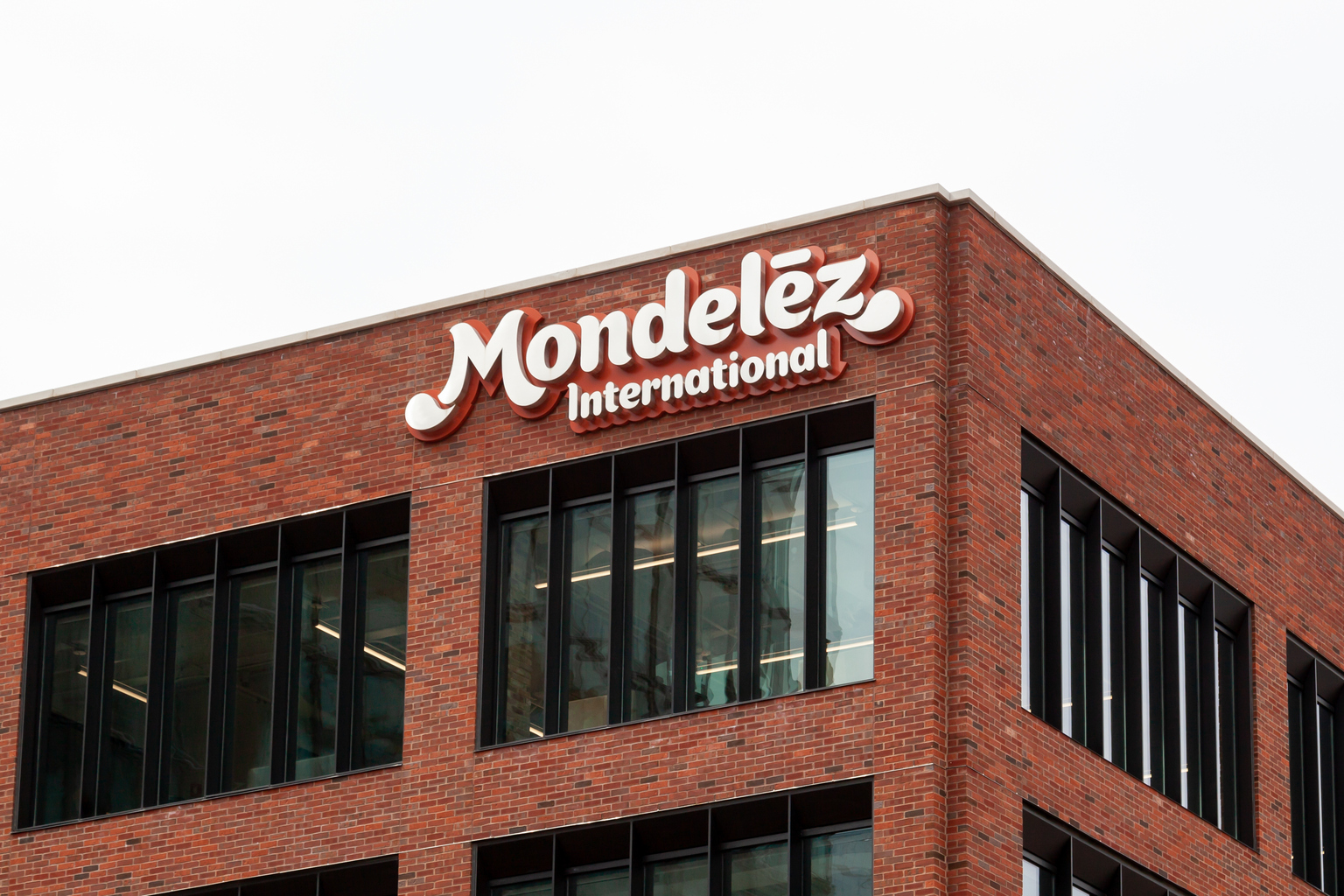
Walmart Reports 7.3% Revenue Growth in Q1 Amid Economic Pressures
Written by Emily J. Thompson, Senior Investment Analyst
Updated: 2 days ago
0mins
Source: Yahoo Finance
- Revenue Growth: Walmart reported a 7.3% year-over-year increase in total revenue for Q1, indicating strong consumer demand for low prices, even amidst rising economic pressures, which underscores the company's competitive edge in value-oriented strategies.
- Consumer Stress: CFO John Rainey noted that rising fuel prices are straining lower-income consumers' budgets, as evidenced by a drop in average gas purchases at Walmart stations to below 10 gallons for the first time, reflecting financial distress among shoppers.
- Cost Impact: The company absorbed approximately $175 million in higher-than-expected fuel costs during the quarter, which affected operating income growth despite strong sales, highlighting Walmart's ongoing challenges in cost management.
- Price Warning: Walmart anticipates that sustained high fuel prices could lead to increased food prices, particularly affecting the food supply chain linked to fertilizer costs, potentially resulting in higher spending for consumers on everyday grocery items.
Trade with 70% Backtested Accuracy
Stop guessing "Should I Buy WMT?" and start using high-conviction signals backed by rigorous historical data.
Sign up today to access powerful investing tools and make smarter, data-driven decisions.
Analyst Views on WMT
Wall Street analysts forecast WMT stock price to rise
26 Analyst Rating
25 Buy
1 Hold
0 Sell
Strong Buy
Current: 120.270

Low
119.00
Averages
125.75
High
136.00
Current: 120.270
Low
119.00
Averages
125.75
High
136.00
About WMT
Walmart Inc. is a technology-powered omnichannel retailer. The Company is engaged in the operation of retail and wholesale stores and clubs, as well as eCommerce Websites and mobile applications, located throughout the United States (U.S.), Africa, Canada, Central America, Chile, China, India and Mexico. It operates in three reportable segments: Walmart U.S., Walmart International and Sam's Club U.S. The Walmart U.S. segment includes the Company's mass merchandising concept in the U.S., as well as eCommerce, which includes omni-channel initiatives and certain other business offerings such as advertising services. The Walmart International segment consists of the Company's operations outside of the U.S. through its subsidiaries, as well as eCommerce and omni-channel initiatives. The Sam's Club U.S. segment includes the warehouse membership clubs in the U.S., as well as samsclub.com and omni-channel initiatives.
About the author

Emily J. Thompson
Emily J. Thompson, a Chartered Financial Analyst (CFA) with 12 years in investment research, graduated with honors from the Wharton School. Specializing in industrial and technology stocks, she provides in-depth analysis for Intellectia’s earnings and market brief reports.

Walmart's Growth Slows, Stock Faces Pressure

- Sales Growth Slows: Walmart's U.S. comparable-store sales grew by 4.1% in the latest quarter, but operating income only rose by 5% due to rising fuel costs, which would have otherwise led to a 7.5% increase, indicating a struggle for growth under cost pressures.
- AI Investment Yields Results: Walmart's ongoing investments in artificial intelligence and automation have paid off, with its AI shopping assistant Sparky seeing weekly active users double quarter-over-quarter, and these users ordering 35% more than regular customers, showcasing significant advancements in customer experience and operational efficiency.
- Consumer Spending Pressure: CFO John Rainey noted that while high-income customers are spending confidently across categories, lower-income consumers are becoming more budget-conscious, as evidenced by the drop in average gallons filled at fuel stations falling below 10 for the first time since 2022, reflecting increased financial stress among consumers.
- High Valuation Risks: Despite Walmart's stable market performance, its staggering price-to-earnings ratio of 41.5 times and a dividend yield of only 0.8%, lower than the S&P 500's 1.1%, raises concerns for risk-averse investors about the sustainability of its premium valuation amidst slower growth prospects.
See More
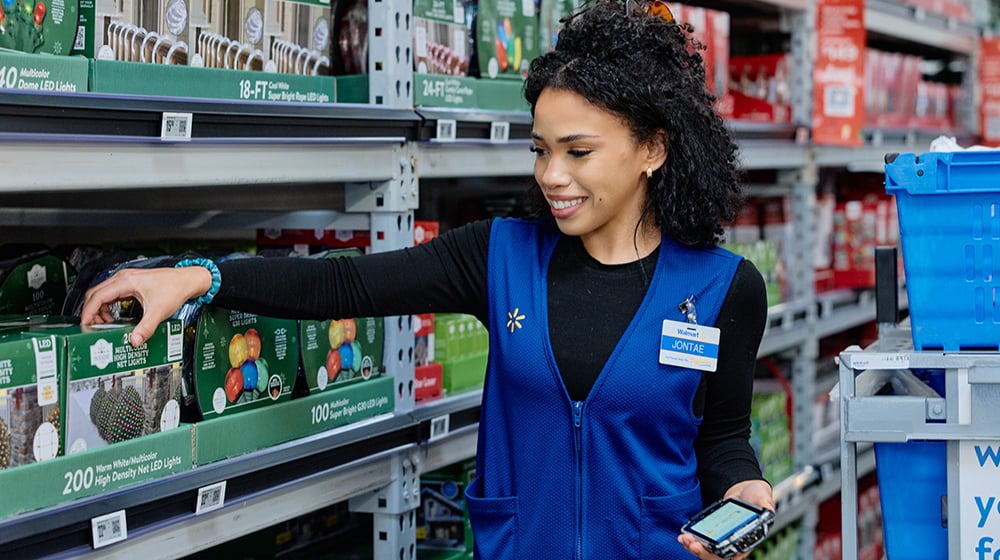
Strong Q1 2026 Earnings Reports from Major U.S. Companies

- Earnings Beat Expectations: As of now, 84% of S&P 500 companies have exceeded earnings per share estimates and 81% have surpassed revenue expectations, indicating a resilient U.S. economy, although market concerns about the future are intensifying.
- AI-Driven Growth: Companies like Nvidia and Palantir reported 85% revenue growth in Q1 2027 and anticipate 95% and 80% growth in the second quarter, respectively, highlighting rapid expansion in the AI sector and strong market confidence.
- Consumer Spending Trends: Walmart and Costco's earnings reports show that consumer spending remains robust despite inflationary pressures, but Walmart's management cautioned that budget-conscious consumers may be facing financial stress, reflecting a “K-shaped” recovery in the economy.
- Market Volatility Risks: Despite optimistic guidance from AI companies, rising inflation and interest rates may lead to stock price volatility, prompting investors to maintain diversified portfolios to mitigate potential risks.
See More
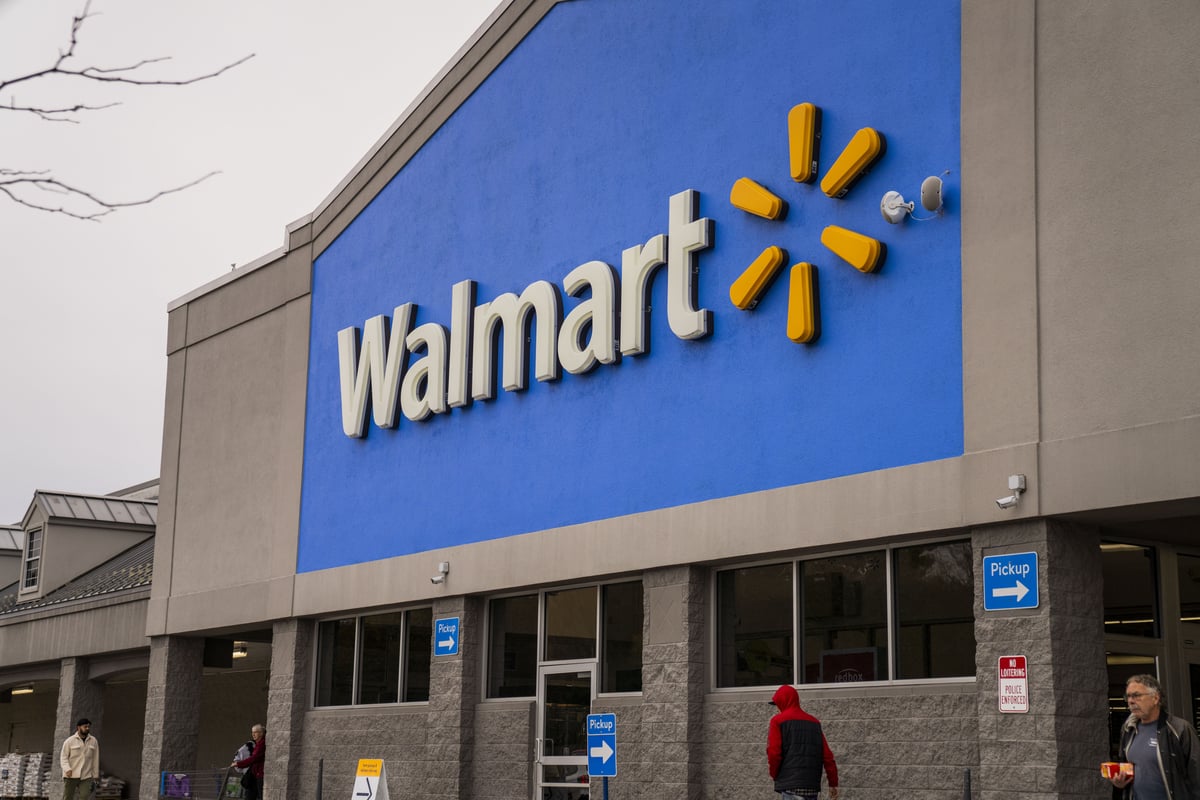
Walmart's Market Value Drops to $967.2 Billion Post Earnings Report
- Earnings Performance: Walmart's latest earnings report reveals a 4.1% growth in U.S. comparable-store sales and a 5% increase in operating income, although operating income could have risen by 7.5% without higher fuel costs, indicating the company's growth potential under cost pressures.
- AI Investment Impact: Walmart's ongoing investments in artificial intelligence and automation are yielding results, as its AI shopping assistant Sparky saw weekly active users double quarter-over-quarter, with users ordering 35% more than regular customers, showcasing the success of personalized shopping experiences.
- Consumer Spending Trends: Walmart's CFO noted that while high-income customers are spending confidently, lower-income consumers are more budget-conscious, with the average gallons filled at fuel stations dropping below 10 for the first time since 2022, reflecting financial stress among consumers.
- Stock Price vs. Dividend: Despite Walmart's dividend increasing for 53 consecutive years, qualifying it as a 'Dividend King', its 0.8% yield is lower than the S&P 500's 1.1%, indicating that its stock price has outpaced dividend growth, leading investors to consider other higher-yielding dividend stocks.
See More

Investment Opportunities in Walmart, Realty Income, and Philip Morris Amid Market Volatility
- Walmart's Resilience: As the world's largest retailer with over 10,800 stores, Walmart has raised its dividend for 53 consecutive years, and despite a current yield of 0.8%, its stock has soared 155% over the past five years, demonstrating its resilience and long-term investment value amid economic fluctuations.
- Stability of Realty Income: Realty Income owns over 15,500 commercial properties leased to recession-resistant businesses, achieving a 98.9% occupancy rate in 2025, and has raised its dividend 134 times since its IPO, currently offering a 5.2% yield, showcasing its appeal and stable cash flow as a REIT.
- Philip Morris's Transformation: As one of the largest tobacco companies, Philip Morris saw a 14% growth in smoke-free revenue in 2025, accounting for 43% of total revenue, with projected CAGR of 7% and 10% for revenue and EPS respectively over the next three years, indicating its potential in the tobacco industry's transformation.
- Investment Opportunities in Market Crashes: In the event of a market crash, Walmart, Realty Income, and Philip Morris stocks may present more attractive valuations, allowing investors to capitalize on these opportunities to increase their holdings and potentially achieve higher returns during economic recovery.
See More

Sandisk Stock Soars 4,100% Amid Memory Chip Supercycle

- Stock Surge: Since its IPO in February 2025 at $36, Sandisk's stock has skyrocketed to $1,480, representing a staggering 4,100% increase, meaning an initial $3,600 investment would now be worth over $148,000, highlighting its robust performance in the memory chip market.
- Revenue Growth: In its recent fiscal report, Sandisk reported a 97% revenue increase from the previous quarter to $5.9 billion, with a year-over-year spike of 251%, and net income surged 350% to $3.6 billion, showcasing its strong profitability amid rising AI computing demands.
- Optimistic Outlook: Sandisk anticipates fourth-quarter revenue between $7.75 billion and $8.25 billion, a 36% increase at midpoint from the last quarter, with gross margin targets raised to 78.9%-80.9%, indicating sustained high profitability during ongoing expansion.
- Attractive Valuation: Despite the significant stock price increase, Sandisk's forward P/E ratio remains at 23, below the Nasdaq-100 average, reflecting a rational market expectation for its future growth, suggesting that investors can still benefit from the ongoing memory supercycle.
See More

Sandisk Stock Surges 520% Year-to-Date Amid Memory Chip Supercycle
- Stock Surge: Sandisk's stock has skyrocketed over 4,000% since its IPO in 2025, currently priced around $1,480, reflecting strong performance in the memory chip market and investor confidence.
- Strong Financials: In its recent earnings report, Sandisk reported a 97% quarter-over-quarter revenue increase to $5.9 billion, with net income soaring 350% year-over-year, showcasing its profitability amid surging AI computing demand.
- Optimistic Outlook: The company anticipates fourth-quarter revenues between $7.75 billion and $8.25 billion, representing a 36% increase at the midpoint from the previous quarter, while targeting gross margins between 78.9% and 80.9%, indicating sustained profitability and market demand.
- Reasonable Valuation: Despite the significant stock price increase, Sandisk trades at a forward P/E of just 23, below the Nasdaq-100 average, highlighting its relative undervaluation amidst rapid growth, which continues to attract investor interest.
See More
Walmart's Growth Slows, Stock Faces Pressure
- Sales Growth Slows: Walmart's U.S. comparable-store sales grew by 4.1% in the latest quarter, but operating income only rose by 5% due to rising fuel costs, which would have otherwise led to a 7.5% increase, indicating a struggle for growth under cost pressures.
- AI Investment Yields Results: Walmart's ongoing investments in artificial intelligence and automation have paid off, with its AI shopping assistant Sparky seeing weekly active users double quarter-over-quarter, and these users ordering 35% more than regular customers, showcasing significant advancements in customer experience and operational efficiency.
- Consumer Spending Pressure: CFO John Rainey noted that while high-income customers are spending confidently across categories, lower-income consumers are becoming more budget-conscious, as evidenced by the drop in average gallons filled at fuel stations falling below 10 for the first time since 2022, reflecting increased financial stress among consumers.
- High Valuation Risks: Despite Walmart's stable market performance, its staggering price-to-earnings ratio of 41.5 times and a dividend yield of only 0.8%, lower than the S&P 500's 1.1%, raises concerns for risk-averse investors about the sustainability of its premium valuation amidst slower growth prospects.
See More
Strong Q1 2026 Earnings Reports from Major U.S. Companies
- Earnings Beat Expectations: As of now, 84% of S&P 500 companies have exceeded earnings per share estimates and 81% have surpassed revenue expectations, indicating a resilient U.S. economy, although market concerns about the future are intensifying.
- AI-Driven Growth: Companies like Nvidia and Palantir reported 85% revenue growth in Q1 2027 and anticipate 95% and 80% growth in the second quarter, respectively, highlighting rapid expansion in the AI sector and strong market confidence.
- Consumer Spending Trends: Walmart and Costco's earnings reports show that consumer spending remains robust despite inflationary pressures, but Walmart's management cautioned that budget-conscious consumers may be facing financial stress, reflecting a “K-shaped” recovery in the economy.
- Market Volatility Risks: Despite optimistic guidance from AI companies, rising inflation and interest rates may lead to stock price volatility, prompting investors to maintain diversified portfolios to mitigate potential risks.
See More
Walmart's Market Value Drops to $967.2 Billion Post Earnings Report
- Earnings Performance: Walmart's latest earnings report reveals a 4.1% growth in U.S. comparable-store sales and a 5% increase in operating income, although operating income could have risen by 7.5% without higher fuel costs, indicating the company's growth potential under cost pressures.
- AI Investment Impact: Walmart's ongoing investments in artificial intelligence and automation are yielding results, as its AI shopping assistant Sparky saw weekly active users double quarter-over-quarter, with users ordering 35% more than regular customers, showcasing the success of personalized shopping experiences.
- Consumer Spending Trends: Walmart's CFO noted that while high-income customers are spending confidently, lower-income consumers are more budget-conscious, with the average gallons filled at fuel stations dropping below 10 for the first time since 2022, reflecting financial stress among consumers.
- Stock Price vs. Dividend: Despite Walmart's dividend increasing for 53 consecutive years, qualifying it as a 'Dividend King', its 0.8% yield is lower than the S&P 500's 1.1%, indicating that its stock price has outpaced dividend growth, leading investors to consider other higher-yielding dividend stocks.
See More
Investment Opportunities in Walmart, Realty Income, and Philip Morris Amid Market Volatility
- Walmart's Resilience: As the world's largest retailer with over 10,800 stores, Walmart has raised its dividend for 53 consecutive years, and despite a current yield of 0.8%, its stock has soared 155% over the past five years, demonstrating its resilience and long-term investment value amid economic fluctuations.
- Stability of Realty Income: Realty Income owns over 15,500 commercial properties leased to recession-resistant businesses, achieving a 98.9% occupancy rate in 2025, and has raised its dividend 134 times since its IPO, currently offering a 5.2% yield, showcasing its appeal and stable cash flow as a REIT.
- Philip Morris's Transformation: As one of the largest tobacco companies, Philip Morris saw a 14% growth in smoke-free revenue in 2025, accounting for 43% of total revenue, with projected CAGR of 7% and 10% for revenue and EPS respectively over the next three years, indicating its potential in the tobacco industry's transformation.
- Investment Opportunities in Market Crashes: In the event of a market crash, Walmart, Realty Income, and Philip Morris stocks may present more attractive valuations, allowing investors to capitalize on these opportunities to increase their holdings and potentially achieve higher returns during economic recovery.
See More
Sandisk Stock Soars 4,100% Amid Memory Chip Supercycle
- Stock Surge: Since its IPO in February 2025 at $36, Sandisk's stock has skyrocketed to $1,480, representing a staggering 4,100% increase, meaning an initial $3,600 investment would now be worth over $148,000, highlighting its robust performance in the memory chip market.
- Revenue Growth: In its recent fiscal report, Sandisk reported a 97% revenue increase from the previous quarter to $5.9 billion, with a year-over-year spike of 251%, and net income surged 350% to $3.6 billion, showcasing its strong profitability amid rising AI computing demands.
- Optimistic Outlook: Sandisk anticipates fourth-quarter revenue between $7.75 billion and $8.25 billion, a 36% increase at midpoint from the last quarter, with gross margin targets raised to 78.9%-80.9%, indicating sustained high profitability during ongoing expansion.
- Attractive Valuation: Despite the significant stock price increase, Sandisk's forward P/E ratio remains at 23, below the Nasdaq-100 average, reflecting a rational market expectation for its future growth, suggesting that investors can still benefit from the ongoing memory supercycle.
See More
Sandisk Stock Surges 520% Year-to-Date Amid Memory Chip Supercycle
- Stock Surge: Sandisk's stock has skyrocketed over 4,000% since its IPO in 2025, currently priced around $1,480, reflecting strong performance in the memory chip market and investor confidence.
- Strong Financials: In its recent earnings report, Sandisk reported a 97% quarter-over-quarter revenue increase to $5.9 billion, with net income soaring 350% year-over-year, showcasing its profitability amid surging AI computing demand.
- Optimistic Outlook: The company anticipates fourth-quarter revenues between $7.75 billion and $8.25 billion, representing a 36% increase at the midpoint from the previous quarter, while targeting gross margins between 78.9% and 80.9%, indicating sustained profitability and market demand.
- Reasonable Valuation: Despite the significant stock price increase, Sandisk trades at a forward P/E of just 23, below the Nasdaq-100 average, highlighting its relative undervaluation amidst rapid growth, which continues to attract investor interest.
See More