Walmart Focuses on Margin Improvement
Written by Emily J. Thompson, Senior Investment Analyst
Updated: Mar 14 2026
0mins

Source: Fool
- Stable Revenue Growth: Walmart generated $713 billion in revenue and $30 billion in operating income for the fiscal year ending January 31, 2026, with an operating margin just above 4%, providing confidence to investors despite thin margins.
- Growth in Advertising and Membership Revenue: Walmart's advertising segment has grown into a multibillion-dollar market expanding at double-digit rates, while marketplace revenue from third-party sellers is also rising, both contributing higher margins compared to traditional retail and aiding overall profitability.
- Importance of Margin Expansion: At Walmart's scale, even a modest 50-basis-point improvement in operating margin can translate into billions in incremental profit, and sustained margin expansion signals improved return on invested capital, supporting long-term compounding growth.
- Investor Focus: While steady revenue growth keeps Walmart's business stable, margin improvement is crucial for driving stronger returns for long-term investors, making operating margin trends a key focus for 2026.
Trade with 70% Backtested Accuracy
Stop guessing "Should I Buy WMT?" and start using high-conviction signals backed by rigorous historical data.
Sign up today to access powerful investing tools and make smarter, data-driven decisions.
Analyst Views on WMT
Wall Street analysts forecast WMT stock price to rise
26 Analyst Rating
25 Buy
1 Hold
0 Sell
Strong Buy
Current: 115.750

Low
119.00
Averages
125.75
High
136.00
Current: 115.750
Low
119.00
Averages
125.75
High
136.00
About WMT
Walmart Inc. is a technology-powered omnichannel retailer. The Company is engaged in the operation of retail and wholesale stores and clubs, as well as eCommerce Websites and mobile applications, located throughout the United States (U.S.), Africa, Canada, Central America, Chile, China, India and Mexico. It operates in three reportable segments: Walmart U.S., Walmart International and Sam's Club U.S. The Walmart U.S. segment includes the Company's mass merchandising concept in the U.S., as well as eCommerce, which includes omni-channel initiatives and certain other business offerings such as advertising services. The Walmart International segment consists of the Company's operations outside of the U.S. through its subsidiaries, as well as eCommerce and omni-channel initiatives. The Sam's Club U.S. segment includes the warehouse membership clubs in the U.S., as well as samsclub.com and omni-channel initiatives.
About the author

Emily J. Thompson
Emily J. Thompson, a Chartered Financial Analyst (CFA) with 12 years in investment research, graduated with honors from the Wharton School. Specializing in industrial and technology stocks, she provides in-depth analysis for Intellectia’s earnings and market brief reports.
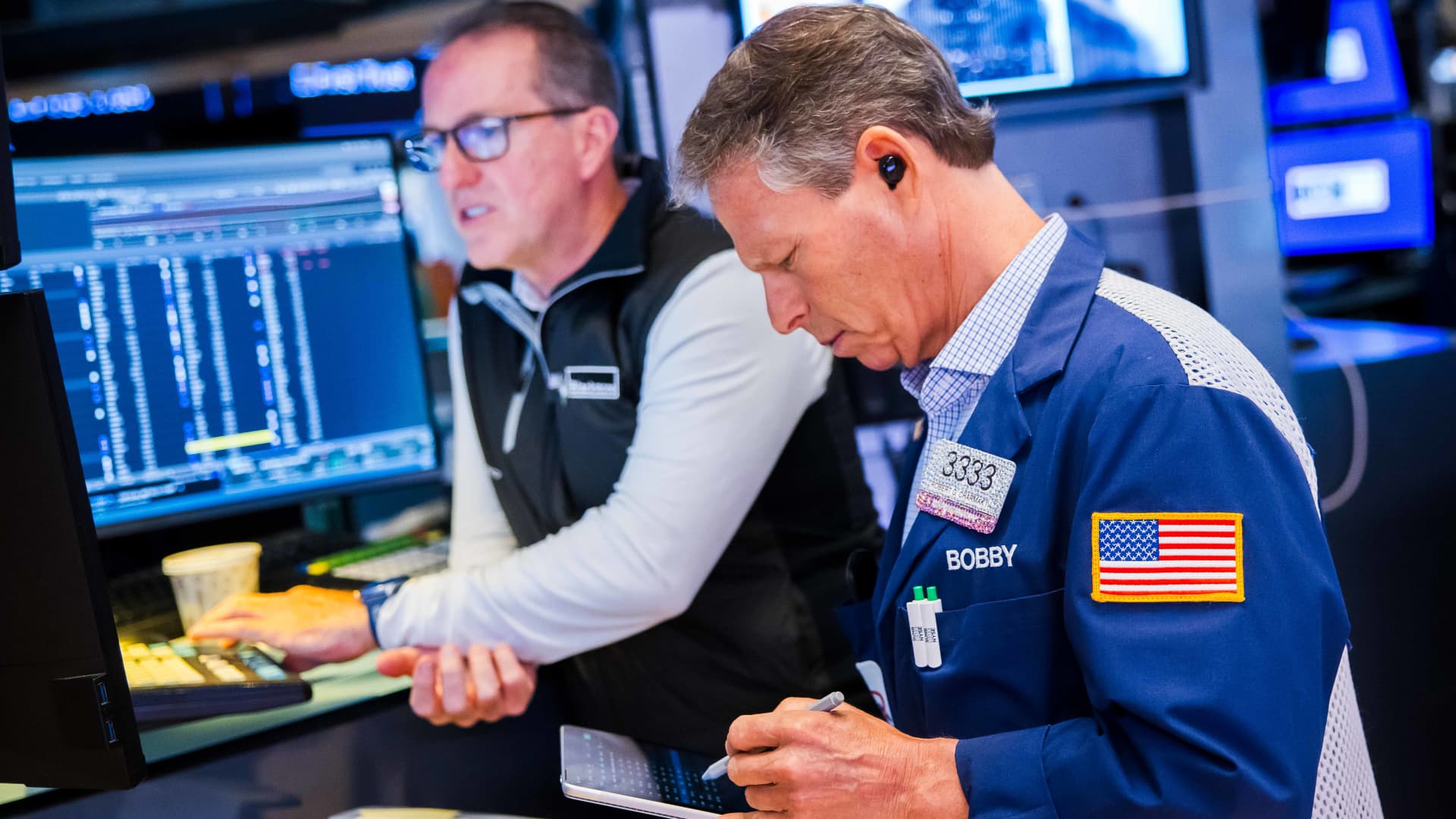
Berkshire Acquires Taylor Morrison for $6.8 Billion, Marking Strategic Real Estate Move


- Acquisition Deal: Berkshire Hathaway has agreed to acquire Taylor Morrison Home for $6.8 billion, paying $72.50 per share in cash, which reflects a 24% premium over last week's closing price, marking a significant move under new CEO Greg Abel and further solidifying the company's position in the real estate sector.
- Market Reaction: Shares of Taylor Morrison surged approximately 22% in premarket trading, indicating a positive market response to the acquisition, despite Berkshire's B shares underperforming the S&P 500 by their largest margin this year.
- Startup Struggles: According to PitchBook, nearly half of U.S. unicorn startups have not raised funding in three years, with many once-billion-dollar companies like Glossier and The Farmer's Dog now classified as
See More

Nvidia Enters PC Market Sparking Tech Stock Rally
- Tech Stock Rally: Nvidia's entry into the PC market has sparked a rally among tech stocks in premarket trading, reflecting strong market anticipation for new technologies and potentially creating new investment opportunities.
- Death of Unicorns: PitchBook reports that nearly half of U.S. unicorn startups have not raised funding in three years, with average valuations dropping 68%, indicating that the rise of AI technology is reshaping the funding landscape for startups and may lead to industry consolidation.
- Berkshire Acquisition: Berkshire Hathaway has agreed to acquire Taylor Morrison Home for $6.8 billion, paying $72.50 per share in cash, which represents a 24% premium over last week's closing price; this acquisition marks a significant deal under new CEO Greg Abel, further integrating the company into the real estate sector.
- Retail Sector Challenges: Despite a strong first quarter for retail, the sector faces greater economic pressure as consumer tax refunds diminish; Moody's Analytics notes that U.S. households have spent nearly $450 more on energy since the Iran conflict began, cumulatively affecting close to $60 billion.
See More

Top Companies in AI Adoption Revealed


- AI Adoption Scores: A new study from the AI-Driven Enterprise Institute reveals that Nvidia, Meta, and Schlumberger lead S&P 500 companies with perfect scores of 100, showcasing their exceptional performance in AI technology implementation and solidifying their market leadership in their respective industries.
- Industry Impact: Nvidia, as the world's largest chipmaker, drives technological advancements across the industry through its pivotal role in AI model and service development, while Meta and Amazon demonstrate strong AI application capabilities in communication services and consumer goods, enhancing customer experience and operational efficiency.
- Data-Driven Assessment: The study employs publicly available data such as earnings calls, job openings, and patent applications to objectively evaluate executives' understanding and prioritization of AI, aiding companies in better risk management and investment decisions to enhance overall competitiveness.
- Room for Improvement: Despite the strong performance of leading companies, AIDE's CEO Paul Cheek emphasizes that there is significant room for improvement in AI literacy among board members and executives, highlighting the importance of understanding AI's role in creating value for informed strategic investments in the future.
See More
AI Adoption Among S&P 500 Companies Revealed by New Research


- AI Adoption Scores: The new index from the AI-Driven Enterprise Institute reveals that Nvidia, Amazon, Meta, and Schlumberger lead S&P 500 companies with perfect scores of 100, indicating their forefront position in AI application and implementation, which may further solidify their market dominance.
- Transparent Research Methodology: The index utilizes publicly available data such as earnings call transcripts, job openings, and patent applications, providing an objective comparison tool that allows companies to assess their AI strategies against peers, thereby facilitating more effective decision-making.
- Significant Industry Disparities: While tech companies excel, the study highlights that many firms have considerable room for improvement in AI literacy and implementation, underscoring the necessity for boards and executives to better understand and manage AI-related risks and strategic investments.
- Top 20 Companies: The top 20 companies based on orientation and implementation scores include Nvidia, Schlumberger, Amazon, and Meta, showcasing their leadership positions within their respective sectors, which may attract increased investor interest in their future growth potential.
See More

Retail Sector Boosted by Tax Refunds and Consumer Resilience


- Consumer Spending Recovery: Despite pressures from high gas prices and persistent inflation, the retail sector saw sales and profits rise in Q1, indicating consumer resilience, particularly bolstered by tax refunds, with Q2 expected to further assess consumer health.
- Target Sales Growth: Target reported a 5.6% increase in same-store sales during its fiscal Q1, marking its first positive growth in five quarters, with the CFO noting that increased tax refunds supported spending, although this benefit is expected to fade throughout the year.
- Strong Performance from Burlington and Ross: Burlington's same-store sales grew by 6%, with 1.5 to 2 percentage points attributed to tax refunds, while Ross achieved a staggering 17% increase, exceeding expectations, showcasing strong consumer purchasing power fueled by additional stimulus.
- Cautious Future Outlook: Although retailers performed well in Q1, many companies are adopting a cautious stance for Q2, anticipating that as tax refunds diminish, consumers may face greater economic pressures that could impact future spending behavior.
See More

Micron Technology Surpasses $1 Trillion Market Cap

- Milestone Market Cap: Micron Technology's market capitalization has doubled over the past 48 days to approximately $1.04 trillion, making it one of only 14 companies globally valued at over $1 trillion, reflecting strong performance and market confidence in the semiconductor sector.
- Analyst Target Upgrades: Bank of America nearly doubled its price target for Micron from $500 to $950, while UBS raised its target from $535 to $1,625, indicating strong market confidence in Micron's growth potential, which could drive further stock price increases.
- Strategic Customer Agreement: Micron signed its first long-term supply agreement with a strategic customer for five years, which helps it stand out from the traditional boom-bust cycles of the semiconductor industry, enhancing its market stability and long-term revenue outlook.
- Surge in AI Infrastructure Demand: DRAM and NAND prices are projected to soar by 125% and 234%, respectively, driven by the construction of AI data centers, prompting Micron to undertake a $200 billion expansion plan with multiple high-volume fabs in Idaho and New York to meet the surging market demand.
See More
Berkshire Acquires Taylor Morrison for $6.8 Billion, Marking Strategic Real Estate Move
- Acquisition Deal: Berkshire Hathaway has agreed to acquire Taylor Morrison Home for $6.8 billion, paying $72.50 per share in cash, which reflects a 24% premium over last week's closing price, marking a significant move under new CEO Greg Abel and further solidifying the company's position in the real estate sector.
- Market Reaction: Shares of Taylor Morrison surged approximately 22% in premarket trading, indicating a positive market response to the acquisition, despite Berkshire's B shares underperforming the S&P 500 by their largest margin this year.
- Startup Struggles: According to PitchBook, nearly half of U.S. unicorn startups have not raised funding in three years, with many once-billion-dollar companies like Glossier and The Farmer's Dog now classified as
See More
Nvidia Enters PC Market Sparking Tech Stock Rally
- Tech Stock Rally: Nvidia's entry into the PC market has sparked a rally among tech stocks in premarket trading, reflecting strong market anticipation for new technologies and potentially creating new investment opportunities.
- Death of Unicorns: PitchBook reports that nearly half of U.S. unicorn startups have not raised funding in three years, with average valuations dropping 68%, indicating that the rise of AI technology is reshaping the funding landscape for startups and may lead to industry consolidation.
- Berkshire Acquisition: Berkshire Hathaway has agreed to acquire Taylor Morrison Home for $6.8 billion, paying $72.50 per share in cash, which represents a 24% premium over last week's closing price; this acquisition marks a significant deal under new CEO Greg Abel, further integrating the company into the real estate sector.
- Retail Sector Challenges: Despite a strong first quarter for retail, the sector faces greater economic pressure as consumer tax refunds diminish; Moody's Analytics notes that U.S. households have spent nearly $450 more on energy since the Iran conflict began, cumulatively affecting close to $60 billion.
See More
Top Companies in AI Adoption Revealed
- AI Adoption Scores: A new study from the AI-Driven Enterprise Institute reveals that Nvidia, Meta, and Schlumberger lead S&P 500 companies with perfect scores of 100, showcasing their exceptional performance in AI technology implementation and solidifying their market leadership in their respective industries.
- Industry Impact: Nvidia, as the world's largest chipmaker, drives technological advancements across the industry through its pivotal role in AI model and service development, while Meta and Amazon demonstrate strong AI application capabilities in communication services and consumer goods, enhancing customer experience and operational efficiency.
- Data-Driven Assessment: The study employs publicly available data such as earnings calls, job openings, and patent applications to objectively evaluate executives' understanding and prioritization of AI, aiding companies in better risk management and investment decisions to enhance overall competitiveness.
- Room for Improvement: Despite the strong performance of leading companies, AIDE's CEO Paul Cheek emphasizes that there is significant room for improvement in AI literacy among board members and executives, highlighting the importance of understanding AI's role in creating value for informed strategic investments in the future.
See More
AI Adoption Among S&P 500 Companies Revealed by New Research
- AI Adoption Scores: The new index from the AI-Driven Enterprise Institute reveals that Nvidia, Amazon, Meta, and Schlumberger lead S&P 500 companies with perfect scores of 100, indicating their forefront position in AI application and implementation, which may further solidify their market dominance.
- Transparent Research Methodology: The index utilizes publicly available data such as earnings call transcripts, job openings, and patent applications, providing an objective comparison tool that allows companies to assess their AI strategies against peers, thereby facilitating more effective decision-making.
- Significant Industry Disparities: While tech companies excel, the study highlights that many firms have considerable room for improvement in AI literacy and implementation, underscoring the necessity for boards and executives to better understand and manage AI-related risks and strategic investments.
- Top 20 Companies: The top 20 companies based on orientation and implementation scores include Nvidia, Schlumberger, Amazon, and Meta, showcasing their leadership positions within their respective sectors, which may attract increased investor interest in their future growth potential.
See More
Retail Sector Boosted by Tax Refunds and Consumer Resilience
- Consumer Spending Recovery: Despite pressures from high gas prices and persistent inflation, the retail sector saw sales and profits rise in Q1, indicating consumer resilience, particularly bolstered by tax refunds, with Q2 expected to further assess consumer health.
- Target Sales Growth: Target reported a 5.6% increase in same-store sales during its fiscal Q1, marking its first positive growth in five quarters, with the CFO noting that increased tax refunds supported spending, although this benefit is expected to fade throughout the year.
- Strong Performance from Burlington and Ross: Burlington's same-store sales grew by 6%, with 1.5 to 2 percentage points attributed to tax refunds, while Ross achieved a staggering 17% increase, exceeding expectations, showcasing strong consumer purchasing power fueled by additional stimulus.
- Cautious Future Outlook: Although retailers performed well in Q1, many companies are adopting a cautious stance for Q2, anticipating that as tax refunds diminish, consumers may face greater economic pressures that could impact future spending behavior.
See More
Micron Technology Surpasses $1 Trillion Market Cap
- Milestone Market Cap: Micron Technology's market capitalization has doubled over the past 48 days to approximately $1.04 trillion, making it one of only 14 companies globally valued at over $1 trillion, reflecting strong performance and market confidence in the semiconductor sector.
- Analyst Target Upgrades: Bank of America nearly doubled its price target for Micron from $500 to $950, while UBS raised its target from $535 to $1,625, indicating strong market confidence in Micron's growth potential, which could drive further stock price increases.
- Strategic Customer Agreement: Micron signed its first long-term supply agreement with a strategic customer for five years, which helps it stand out from the traditional boom-bust cycles of the semiconductor industry, enhancing its market stability and long-term revenue outlook.
- Surge in AI Infrastructure Demand: DRAM and NAND prices are projected to soar by 125% and 234%, respectively, driven by the construction of AI data centers, prompting Micron to undertake a $200 billion expansion plan with multiple high-volume fabs in Idaho and New York to meet the surging market demand.
See More