Walmart Earnings Preview: Consumer Spending Pressure
Written by Emily J. Thompson, Senior Investment Analyst
Updated: 37 minutes ago
0mins
Source: CNBC
- Earnings Expectations: Walmart is expected to report fiscal Q1 earnings of 66 cents per share and revenue of $175 billion, indicating growth in sales and profits amid economic pressures, showcasing its resilience in uncertain conditions.
- Declining Consumer Confidence: With the backdrop of Middle East conflicts, soaring gas prices, and consumer sentiment hitting a record low, Walmart faces a complex economic environment that could impact spending among lower-income customers, affecting overall sales performance.
- Impact on High-Income Shoppers: Walmart has attracted more high-income consumers in recent years, aiding its growth during economic turmoil; however, sustained high gas prices may negatively affect these customers' spending behavior, impacting profit margins.
- Diverse Revenue Streams: Walmart's advertising and marketplace businesses, which are high-margin revenue sources, are expected to help offset pressures from lower-margin grocery sales, maintaining overall profitability despite potential declines in consumer spending.
Trade with 70% Backtested Accuracy
Stop guessing "Should I Buy WMT?" and start using high-conviction signals backed by rigorous historical data.
Sign up today to access powerful investing tools and make smarter, data-driven decisions.
Analyst Views on WMT
Wall Street analysts forecast WMT stock price to fall
26 Analyst Rating
25 Buy
1 Hold
0 Sell
Strong Buy
Current: 134.200

Low
119.00
Averages
125.75
High
136.00
Current: 134.200
Low
119.00
Averages
125.75
High
136.00
About WMT
Walmart Inc. is a technology-powered omnichannel retailer. The Company is engaged in the operation of retail and wholesale stores and clubs, as well as eCommerce Websites and mobile applications, located throughout the United States (U.S.), Africa, Canada, Central America, Chile, China, India and Mexico. It operates in three reportable segments: Walmart U.S., Walmart International and Sam's Club U.S. The Walmart U.S. segment includes the Company's mass merchandising concept in the U.S., as well as eCommerce, which includes omni-channel initiatives and certain other business offerings such as advertising services. The Walmart International segment consists of the Company's operations outside of the U.S. through its subsidiaries, as well as eCommerce and omni-channel initiatives. The Sam's Club U.S. segment includes the warehouse membership clubs in the U.S., as well as samsclub.com and omni-channel initiatives.
About the author

Emily J. Thompson
Emily J. Thompson, a Chartered Financial Analyst (CFA) with 12 years in investment research, graduated with honors from the Wharton School. Specializing in industrial and technology stocks, she provides in-depth analysis for Intellectia’s earnings and market brief reports.

Walmart's Fiscal Q1 2027 Earnings Preview

- Stock Performance: As of now, Walmart's stock has risen nearly 18% in 2026, recently hitting a 52-week high of $134.69, significantly outperforming the S&P 500's 6% increase, indicating high market expectations for its future performance.
- Revenue Growth: In fiscal Q4 2026, Walmart's revenue grew by 5.6% year-over-year, with global e-commerce sales increasing by 24% and U.S. e-commerce by 27%, while the advertising business surged by 37% globally, driving overall profitability.
- Operating Income Outlook: Although management anticipates that fiscal Q1 2027 operating income growth will be the lowest of the year due to tariff impacts, the projected net sales growth of 3.5% to 4.5% remains noteworthy, especially in high-margin sectors.
- Leadership Transition: New CEO John Furner took over on February 1, and while he has over three decades of experience at Walmart, this leadership change introduces uncertainty, prompting investors to approach the upcoming earnings report with caution.
See More
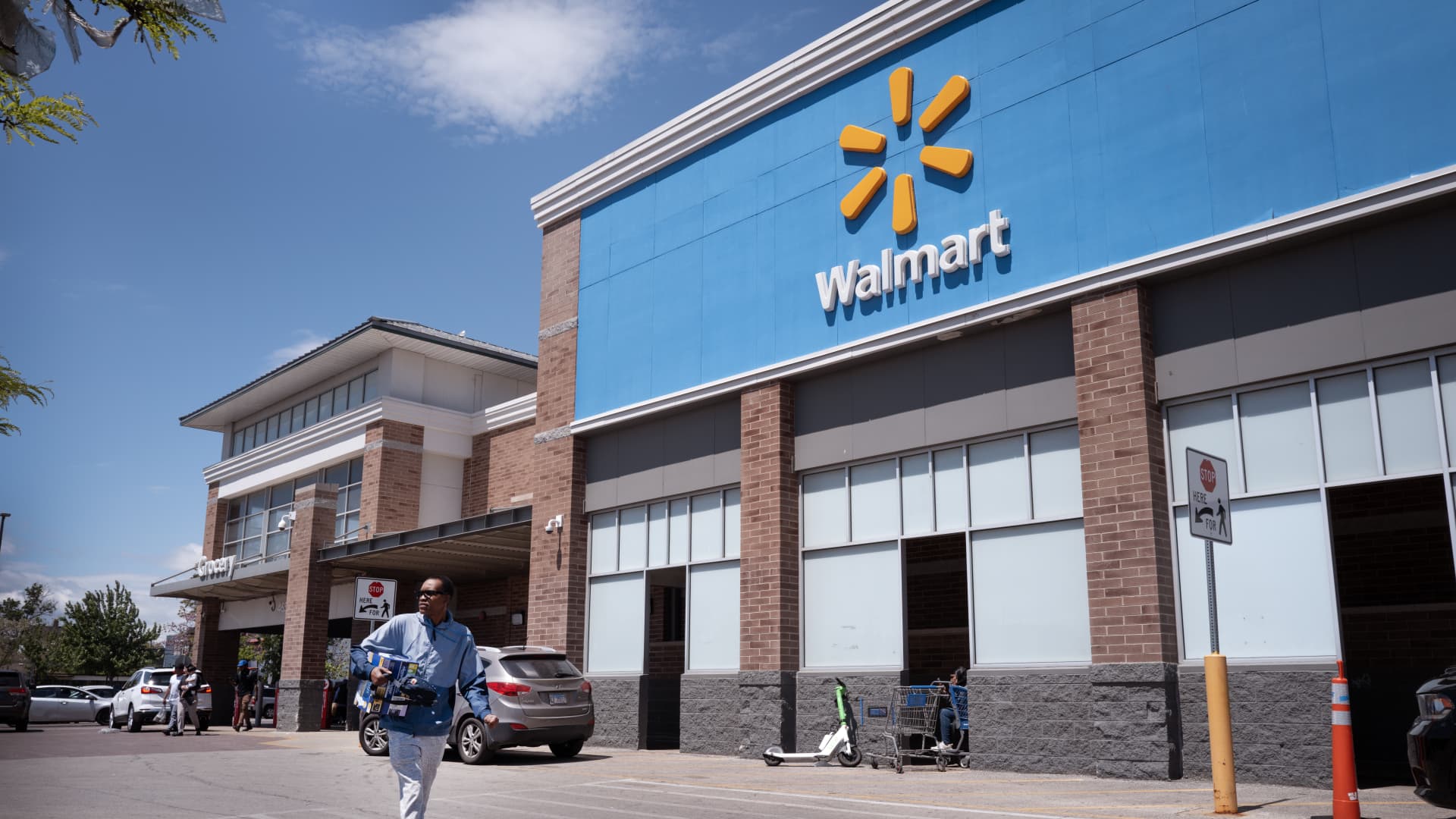
Walmart Earnings Preview: Consumer Spending Pressure

- Earnings Expectations: Walmart is expected to report fiscal Q1 earnings of 66 cents per share and revenue of $175 billion, indicating growth in sales and profits amid economic pressures, showcasing its resilience in uncertain conditions.
- Declining Consumer Confidence: With the backdrop of Middle East conflicts, soaring gas prices, and consumer sentiment hitting a record low, Walmart faces a complex economic environment that could impact spending among lower-income customers, affecting overall sales performance.
- Impact on High-Income Shoppers: Walmart has attracted more high-income consumers in recent years, aiding its growth during economic turmoil; however, sustained high gas prices may negatively affect these customers' spending behavior, impacting profit margins.
- Diverse Revenue Streams: Walmart's advertising and marketplace businesses, which are high-margin revenue sources, are expected to help offset pressures from lower-margin grocery sales, maintaining overall profitability despite potential declines in consumer spending.
See More
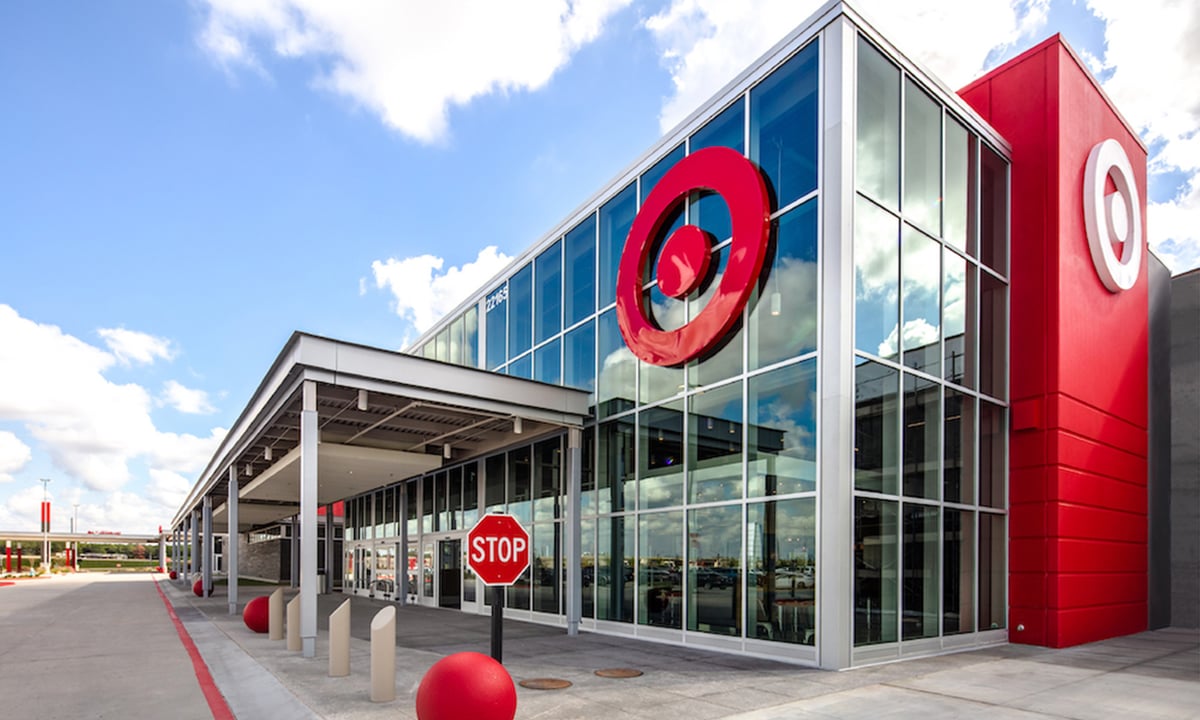
Target Issues Cautious Outlook, Shares Decline
- Significant Sales Growth: Target reported a 6.7% increase in first-quarter sales to $25.4 billion, with comparable store sales rising 4.7%, indicating strong market demand despite high inflation and competitive pressures, which may enhance brand perception.
- Increased Capital Expenditure: To attract shoppers, Target raised its capital expenditures by 31% to $1 billion for new stores and remodels, which, while increasing short-term costs, could strengthen customer loyalty through improved shopping experiences in the long run.
- Margin Improvement: Target's gross margin improved from 28.2% to 29% year-over-year, driven by enhanced supply chain efficiency and growth in high-margin advertising revenue, which will help maintain profitability in a competitive retail landscape.
- Cautious Outlook: Although Target raised its full-year sales growth forecast to 4%, management expressed concerns over declining consumer sentiment, with the CFO emphasizing that a cautious outlook may better position the company to navigate future uncertainties.
See More

Target's Turnaround Strategy Shows Progress Amid Caution
- Significant Sales Growth: Target's Q1 sales reached $25.4 billion, reflecting a 6.7% year-over-year increase, with comparable store sales rising 4.7%, indicating initial success of its turnaround strategy despite macroeconomic challenges.
- Increased Capital Expenditures: The company raised its capital expenditures by 31% to $1 billion for new stores and remodels, aiming to enhance product quality to attract more consumers, despite rising costs.
- Improved Gross Margin: Target's gross margin increased to 29% from 28.2% year-over-year, primarily driven by supply chain efficiency improvements and growth in high-margin advertising revenue, further bolstering profitability.
- Cautious Outlook: While management raised its full-year sales growth forecast to 4%, CFO noted a recent decline in consumer sentiment, emphasizing a cautious market strategy to navigate future uncertainties.
See More
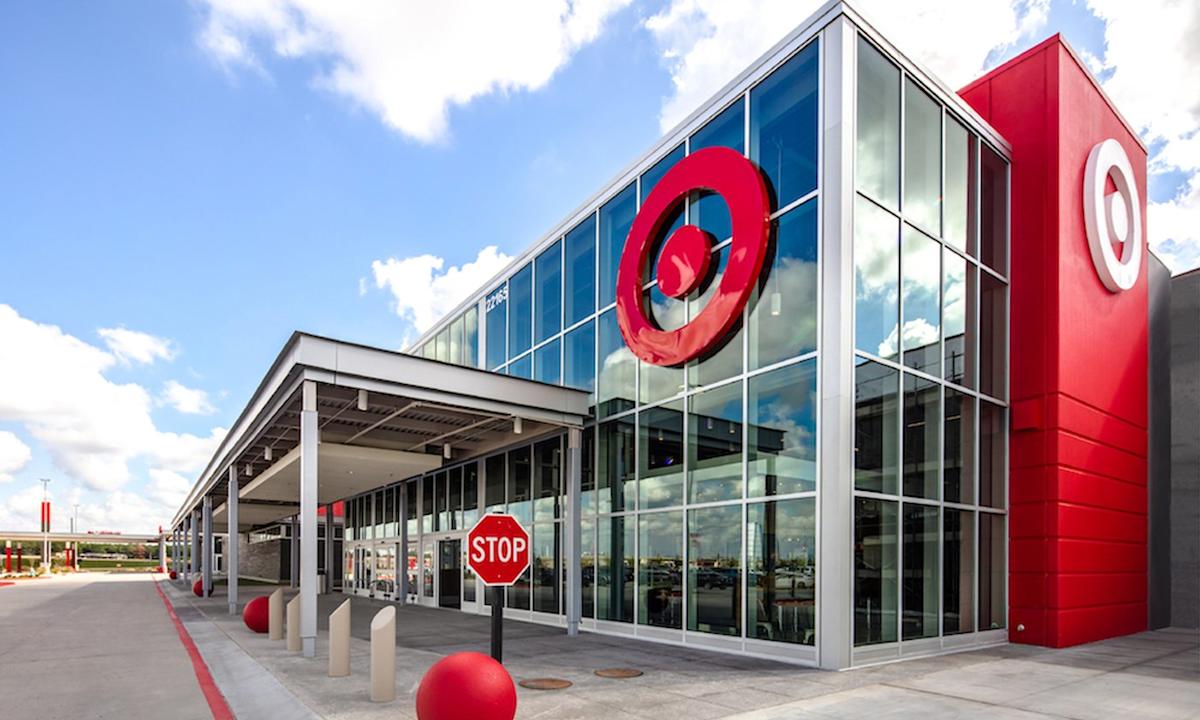
Target Issues Cautious Outlook, Shares Decline

- Significant Sales Growth: Target reported first-quarter sales of $25.4 billion, a 6.7% increase year-over-year, with comparable store sales rising 4.7%, indicating strong consumer demand despite ongoing challenges.
- Increased Capital Expenditures: To enhance product quality and attract shoppers, Target's capital expenditures surged by 31% to $1 billion for new stores and remodels, which, while increasing short-term costs, is expected to bolster long-term competitiveness.
- Improved Gross Margin: Target's gross margin improved to 29% from 28.2% a year ago, primarily driven by enhanced supply chain efficiencies and growth in high-margin advertising revenue, showcasing the company's success in cost management.
- Cautious Outlook: Although Target raised its full-year sales growth forecast to 4%, CFO Jim Lee noted a recent decline in consumer sentiment, emphasizing the need for a cautious market strategy to navigate the uncertain macroeconomic environment.
See More

Nvidia Stock Declines Despite Strong Earnings Report

- Strong Earnings: Nvidia reported quarterly revenue of $6 billion, a 50% year-over-year increase; however, the stock still declined, indicating market concerns about future growth prospects.
- Market Reaction: Despite Nvidia's robust performance failing to boost its stock price, analysts note that investor sentiment towards tech stocks remains cautious, which could impact future investment decisions.
- SpaceX Massive IPO: Elon Musk's SpaceX has released its filing for a mammoth IPO, expected to attract significant investor interest, potentially generating positive market momentum.
- Oil Price Drop: On Wednesday, oil prices plummeted due to optimistic expectations regarding Iran, leading to a rally in stocks, highlighting the market's sensitivity to energy price fluctuations.
See More
Walmart's Fiscal Q1 2027 Earnings Preview
- Stock Performance: As of now, Walmart's stock has risen nearly 18% in 2026, recently hitting a 52-week high of $134.69, significantly outperforming the S&P 500's 6% increase, indicating high market expectations for its future performance.
- Revenue Growth: In fiscal Q4 2026, Walmart's revenue grew by 5.6% year-over-year, with global e-commerce sales increasing by 24% and U.S. e-commerce by 27%, while the advertising business surged by 37% globally, driving overall profitability.
- Operating Income Outlook: Although management anticipates that fiscal Q1 2027 operating income growth will be the lowest of the year due to tariff impacts, the projected net sales growth of 3.5% to 4.5% remains noteworthy, especially in high-margin sectors.
- Leadership Transition: New CEO John Furner took over on February 1, and while he has over three decades of experience at Walmart, this leadership change introduces uncertainty, prompting investors to approach the upcoming earnings report with caution.
See More
Walmart Earnings Preview: Consumer Spending Pressure
- Earnings Expectations: Walmart is expected to report fiscal Q1 earnings of 66 cents per share and revenue of $175 billion, indicating growth in sales and profits amid economic pressures, showcasing its resilience in uncertain conditions.
- Declining Consumer Confidence: With the backdrop of Middle East conflicts, soaring gas prices, and consumer sentiment hitting a record low, Walmart faces a complex economic environment that could impact spending among lower-income customers, affecting overall sales performance.
- Impact on High-Income Shoppers: Walmart has attracted more high-income consumers in recent years, aiding its growth during economic turmoil; however, sustained high gas prices may negatively affect these customers' spending behavior, impacting profit margins.
- Diverse Revenue Streams: Walmart's advertising and marketplace businesses, which are high-margin revenue sources, are expected to help offset pressures from lower-margin grocery sales, maintaining overall profitability despite potential declines in consumer spending.
See More
Target Issues Cautious Outlook, Shares Decline
- Significant Sales Growth: Target reported a 6.7% increase in first-quarter sales to $25.4 billion, with comparable store sales rising 4.7%, indicating strong market demand despite high inflation and competitive pressures, which may enhance brand perception.
- Increased Capital Expenditure: To attract shoppers, Target raised its capital expenditures by 31% to $1 billion for new stores and remodels, which, while increasing short-term costs, could strengthen customer loyalty through improved shopping experiences in the long run.
- Margin Improvement: Target's gross margin improved from 28.2% to 29% year-over-year, driven by enhanced supply chain efficiency and growth in high-margin advertising revenue, which will help maintain profitability in a competitive retail landscape.
- Cautious Outlook: Although Target raised its full-year sales growth forecast to 4%, management expressed concerns over declining consumer sentiment, with the CFO emphasizing that a cautious outlook may better position the company to navigate future uncertainties.
See More
Target's Turnaround Strategy Shows Progress Amid Caution
- Significant Sales Growth: Target's Q1 sales reached $25.4 billion, reflecting a 6.7% year-over-year increase, with comparable store sales rising 4.7%, indicating initial success of its turnaround strategy despite macroeconomic challenges.
- Increased Capital Expenditures: The company raised its capital expenditures by 31% to $1 billion for new stores and remodels, aiming to enhance product quality to attract more consumers, despite rising costs.
- Improved Gross Margin: Target's gross margin increased to 29% from 28.2% year-over-year, primarily driven by supply chain efficiency improvements and growth in high-margin advertising revenue, further bolstering profitability.
- Cautious Outlook: While management raised its full-year sales growth forecast to 4%, CFO noted a recent decline in consumer sentiment, emphasizing a cautious market strategy to navigate future uncertainties.
See More
Target Issues Cautious Outlook, Shares Decline
- Significant Sales Growth: Target reported first-quarter sales of $25.4 billion, a 6.7% increase year-over-year, with comparable store sales rising 4.7%, indicating strong consumer demand despite ongoing challenges.
- Increased Capital Expenditures: To enhance product quality and attract shoppers, Target's capital expenditures surged by 31% to $1 billion for new stores and remodels, which, while increasing short-term costs, is expected to bolster long-term competitiveness.
- Improved Gross Margin: Target's gross margin improved to 29% from 28.2% a year ago, primarily driven by enhanced supply chain efficiencies and growth in high-margin advertising revenue, showcasing the company's success in cost management.
- Cautious Outlook: Although Target raised its full-year sales growth forecast to 4%, CFO Jim Lee noted a recent decline in consumer sentiment, emphasizing the need for a cautious market strategy to navigate the uncertain macroeconomic environment.
See More
Nvidia Stock Declines Despite Strong Earnings Report
- Strong Earnings: Nvidia reported quarterly revenue of $6 billion, a 50% year-over-year increase; however, the stock still declined, indicating market concerns about future growth prospects.
- Market Reaction: Despite Nvidia's robust performance failing to boost its stock price, analysts note that investor sentiment towards tech stocks remains cautious, which could impact future investment decisions.
- SpaceX Massive IPO: Elon Musk's SpaceX has released its filing for a mammoth IPO, expected to attract significant investor interest, potentially generating positive market momentum.
- Oil Price Drop: On Wednesday, oil prices plummeted due to optimistic expectations regarding Iran, leading to a rally in stocks, highlighting the market's sensitivity to energy price fluctuations.
See More