Wall Street Rallies on Preliminary US-Iran Peace Agreement
Written by Emily J. Thompson, Senior Investment Analyst
Updated: 2 days ago
0mins
Source: Fool
- Market Surge: Wall Street experienced a significant rally with the S&P 500 rising 1.9% and the Nasdaq Composite gaining 3%, reflecting investor optimism driven by the preliminary peace agreement between the U.S. and Iran.
- Dow Jones Milestone: The Dow Jones Industrial Average climbed 1.4% just before 1 p.m. ET, reaching a new all-time intraday high, indicating strong market sentiment ahead of the anticipated signing of the ceasefire agreement.
- Tech Stocks Lead: Major tech companies like Alphabet, Nvidia, and Micron Technology collectively added over $300 billion in market capitalization, showcasing the robust performance of the tech sector in the current market climate.
- Oil Price Decline Impact: Oil prices fell sharply, with West Texas Intermediate crude dropping to around $80 per barrel, potentially easing inflationary pressures and reducing the likelihood of further Federal Reserve rate hikes, thereby boosting investor confidence in riskier assets.
Trade with 70% Backtested Accuracy
Stop guessing "Should I Buy GS?" and start using high-conviction signals backed by rigorous historical data.
Sign up today to access powerful investing tools and make smarter, data-driven decisions.
Analyst Views on GS
Wall Street analysts forecast GS stock price to fall
12 Analyst Rating
5 Buy
7 Hold
0 Sell
Moderate Buy
Current: 1099.140

Low
604.00
Averages
951.45
High
1100
Current: 1099.140
Low
604.00
Averages
951.45
High
1100
About GS
The Goldman Sachs Group, Inc. is a global financial institution that delivers a range of financial services to a large and diversified client base that includes corporations, financial institutions, governments and individuals. Its segments include Global Banking & Markets, Asset & Wealth Management and Platform Solutions. The Global Banking & Markets segment offers a range of services, including financing, advisory services, risk distribution, and hedging for its institutional and corporate clients. It facilitates client transactions and makes markets in fixed income, equity, currency and commodity products. The Asset & Wealth Management segment manages assets and offers investment products across all asset classes to a diverse set of clients. It also provides investing and wealth advisory solutions. The Platform Solutions segment includes consumer platforms, such as partnerships offering credit cards and point-of-sale financing, and transaction banking and other platform businesses.
About the author

Emily J. Thompson
Emily J. Thompson, a Chartered Financial Analyst (CFA) with 12 years in investment research, graduated with honors from the Wharton School. Specializing in industrial and technology stocks, she provides in-depth analysis for Intellectia’s earnings and market brief reports.
Goldman Sachs: A Historical Paradigm Shift

- IPO Milestone: Goldman Sachs went public on May 4, 1999, issuing 69 million shares and raising $3.657 billion, marking the second-largest IPO in U.S. financial history at the time, thus ending its 130-year history as a private partnership and initiating a new chapter in its growth.
- Financial Performance: In 2025, Goldman Sachs reported net revenues of $58.28 billion, a 9% increase year-over-year, with net earnings of $17.18 billion, reflecting a robust performance in the investment banking sector and solidifying its market leadership.
- Market Influence: Goldman Sachs is viewed as a bellwether for investment banking activity and capital market trends, with its stock price trading above $1,000 in mid-2026, demonstrating strong market confidence and investor optimism since its IPO without any stock splits.
- Strategic Development: The firm's global expansion and diversified operations enable it to support clients in uncertain market conditions, with CEO David Solomon emphasizing the importance of a risk management culture to maintain competitiveness across various market environments.
See More
New Fed Chair Speaks, Apple Price Hike Looms


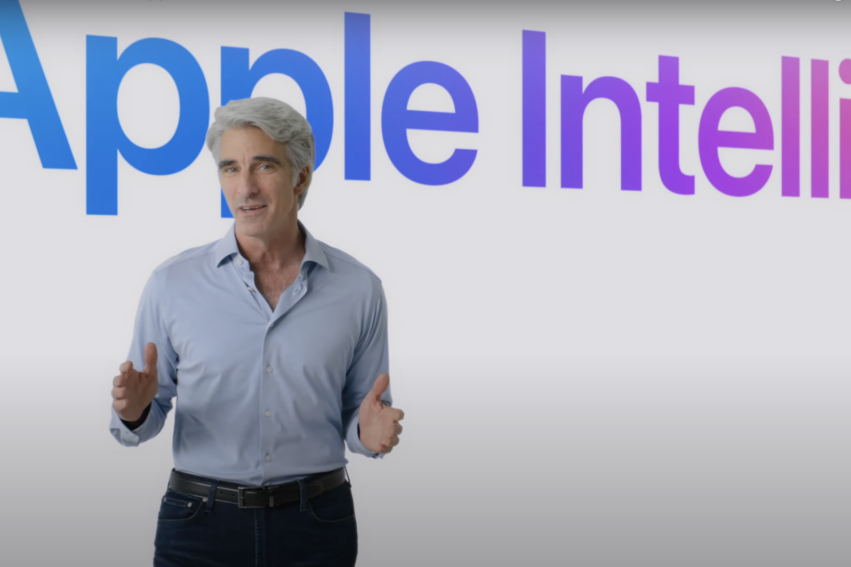
- New Fed Chair: Kevin Warsh's assertive tone at his first press conference indicates a potential shift in monetary policy, leading to an overreaction in the market, as evidenced by rising futures this morning, which may influence investor sentiment moving forward.
- Apple Price Increase: Apple plans to raise prices on its iPhone Pro model by approximately $270 due to surging memory costs, while carriers may still offer attractive deals to cushion the impact on consumers, which could affect Apple's competitive positioning in the market.
- Intel Collaboration News: President Trump announced on social media that Apple has agreed to collaborate with Intel to design and manufacture chips in America, resulting in a surge in Intel's stock price, reflecting a strong support for domestic manufacturing and potential growth opportunities.
- Marvell Price Target Increase: KeyBanc raised Marvell's price target from $260 to $385, with analysts expressing optimism about the company's prospects in server networking, indicating strong confidence in its future growth potential.
See More

Iran Peace Deal Framework Drives Oil Prices Down

- Oil Price Volatility: Following the announcement of a framework for a long-term peace deal between Iran and the U.S., oil prices have dropped 30% from their nearly $113 peak on April 7, indicating market optimism about future supply, which could further impact global energy market stability.
- Positive Market Reaction: The Dow Jones Industrial Average surged above 52,000 for the first time, although it later retreated, reflecting investor expectations surrounding the peace deal, which may boost related energy stocks and enhance market confidence.
- Supply Chain Recovery: JPMorgan reports that oil flows through the Strait of Hormuz increased from 2.9 million barrels per day in May to 5.1 million barrels per day in June, although still at only 25% of pre-war levels, this recovery speed could accelerate global market supply and subsequently affect oil prices.
- Gasoline Price Decrease: The national average gasoline price is expected to fall below $3.50 per gallon within two weeks, with 11 states already below $3.65, providing tangible benefits to consumers and reflecting the positive economic impact of declining oil prices.
See More

Challenges Ahead as Strait of Hormuz Reopens
- Reopening Timeline: The Strait of Hormuz is expected to reopen in weeks, but due to complex logistical and security issues, a full return to normal shipping may take months, impacting global oil and gas supply chains.
- Transport Bottleneck: Kpler estimates that 118 tankers are currently stranded in the Persian Gulf, with clearing the backlog expected to take 10 to 15 days, but this does not equate to a full recovery of the supply chain.
- Insurance and Safety Issues: Before normal shipping can resume, naval forces need to certify safe transit corridors, and insurers must reinstate coverage, which will further delay vessel movements and increase shipping costs.
- Oil Price Volatility: Goldman Sachs has lowered its Brent crude price forecast to $80 per barrel, reflecting market caution regarding supply recovery, although oil prices may still face pressure in the short term.
See More

Apple Price Hike and New Highs for Major Banks

- Apple Price Increase: Apple plans to raise product prices due to rising memory chip costs, and while its stock has risen 16% over the past three months, it is currently down 7% from earlier this month, which may impact consumer demand and market share.
- Moderna Vaccine Progress: Moderna is making its case for the mRNA flu vaccine before the FDA committee, with shares up 11.6% on Wednesday and nearly 24% over three days, indicating strong market confidence in its product.
- New Highs for Major Banks: Bank of America, Citigroup, Goldman Sachs, JPMorgan, and Morgan Stanley reached new highs on Wednesday, with Bank of America up 9.5% in June, reflecting investor optimism in the financial sector.
- Oil Price Decline: Brent crude oil fell below its 200-day moving average for the first time since February, down over 27% in the past month, which puts pressure on energy stocks and may affect the earnings outlook for related companies.
See More

Nvidia Invests in Nebius to Accelerate AI Development


- Massive Investment: Nvidia announced a $2 billion investment in Nebius in March 2023 to accelerate the construction of its data centers and AI factories, demonstrating strong confidence in AI infrastructure and expected to enhance Nebius's market competitiveness.
- Significant Revenue Growth: Nebius reported $399 million in revenue for Q1 2026, an almost 8-fold increase year-over-year, primarily driven by robust performance in its data center business, indicating a surge in demand within the AI and high-performance computing sectors.
- Robot Delivery Market Potential: Nebius's Avride segment achieved a 178% increase in deliveries in Q1, totaling 174,000 robots, and is poised to benefit from the rapid expansion of the delivery robot market, projected to grow from $686 million to $7.6 billion.
- Long-Term Growth Outlook: Nebius aims to achieve over 4 GW of contracted data center power capacity by the end of 2026, which is expected to significantly scale its operations, with analysts forecasting substantial revenue growth in the coming years, further solidifying its leadership in the AI sector.
See More
Goldman Sachs: A Historical Paradigm Shift
- IPO Milestone: Goldman Sachs went public on May 4, 1999, issuing 69 million shares and raising $3.657 billion, marking the second-largest IPO in U.S. financial history at the time, thus ending its 130-year history as a private partnership and initiating a new chapter in its growth.
- Financial Performance: In 2025, Goldman Sachs reported net revenues of $58.28 billion, a 9% increase year-over-year, with net earnings of $17.18 billion, reflecting a robust performance in the investment banking sector and solidifying its market leadership.
- Market Influence: Goldman Sachs is viewed as a bellwether for investment banking activity and capital market trends, with its stock price trading above $1,000 in mid-2026, demonstrating strong market confidence and investor optimism since its IPO without any stock splits.
- Strategic Development: The firm's global expansion and diversified operations enable it to support clients in uncertain market conditions, with CEO David Solomon emphasizing the importance of a risk management culture to maintain competitiveness across various market environments.
See More
New Fed Chair Speaks, Apple Price Hike Looms
- New Fed Chair: Kevin Warsh's assertive tone at his first press conference indicates a potential shift in monetary policy, leading to an overreaction in the market, as evidenced by rising futures this morning, which may influence investor sentiment moving forward.
- Apple Price Increase: Apple plans to raise prices on its iPhone Pro model by approximately $270 due to surging memory costs, while carriers may still offer attractive deals to cushion the impact on consumers, which could affect Apple's competitive positioning in the market.
- Intel Collaboration News: President Trump announced on social media that Apple has agreed to collaborate with Intel to design and manufacture chips in America, resulting in a surge in Intel's stock price, reflecting a strong support for domestic manufacturing and potential growth opportunities.
- Marvell Price Target Increase: KeyBanc raised Marvell's price target from $260 to $385, with analysts expressing optimism about the company's prospects in server networking, indicating strong confidence in its future growth potential.
See More
Iran Peace Deal Framework Drives Oil Prices Down
- Oil Price Volatility: Following the announcement of a framework for a long-term peace deal between Iran and the U.S., oil prices have dropped 30% from their nearly $113 peak on April 7, indicating market optimism about future supply, which could further impact global energy market stability.
- Positive Market Reaction: The Dow Jones Industrial Average surged above 52,000 for the first time, although it later retreated, reflecting investor expectations surrounding the peace deal, which may boost related energy stocks and enhance market confidence.
- Supply Chain Recovery: JPMorgan reports that oil flows through the Strait of Hormuz increased from 2.9 million barrels per day in May to 5.1 million barrels per day in June, although still at only 25% of pre-war levels, this recovery speed could accelerate global market supply and subsequently affect oil prices.
- Gasoline Price Decrease: The national average gasoline price is expected to fall below $3.50 per gallon within two weeks, with 11 states already below $3.65, providing tangible benefits to consumers and reflecting the positive economic impact of declining oil prices.
See More
Challenges Ahead as Strait of Hormuz Reopens
- Reopening Timeline: The Strait of Hormuz is expected to reopen in weeks, but due to complex logistical and security issues, a full return to normal shipping may take months, impacting global oil and gas supply chains.
- Transport Bottleneck: Kpler estimates that 118 tankers are currently stranded in the Persian Gulf, with clearing the backlog expected to take 10 to 15 days, but this does not equate to a full recovery of the supply chain.
- Insurance and Safety Issues: Before normal shipping can resume, naval forces need to certify safe transit corridors, and insurers must reinstate coverage, which will further delay vessel movements and increase shipping costs.
- Oil Price Volatility: Goldman Sachs has lowered its Brent crude price forecast to $80 per barrel, reflecting market caution regarding supply recovery, although oil prices may still face pressure in the short term.
See More
Apple Price Hike and New Highs for Major Banks
- Apple Price Increase: Apple plans to raise product prices due to rising memory chip costs, and while its stock has risen 16% over the past three months, it is currently down 7% from earlier this month, which may impact consumer demand and market share.
- Moderna Vaccine Progress: Moderna is making its case for the mRNA flu vaccine before the FDA committee, with shares up 11.6% on Wednesday and nearly 24% over three days, indicating strong market confidence in its product.
- New Highs for Major Banks: Bank of America, Citigroup, Goldman Sachs, JPMorgan, and Morgan Stanley reached new highs on Wednesday, with Bank of America up 9.5% in June, reflecting investor optimism in the financial sector.
- Oil Price Decline: Brent crude oil fell below its 200-day moving average for the first time since February, down over 27% in the past month, which puts pressure on energy stocks and may affect the earnings outlook for related companies.
See More
Nvidia Invests in Nebius to Accelerate AI Development
- Massive Investment: Nvidia announced a $2 billion investment in Nebius in March 2023 to accelerate the construction of its data centers and AI factories, demonstrating strong confidence in AI infrastructure and expected to enhance Nebius's market competitiveness.
- Significant Revenue Growth: Nebius reported $399 million in revenue for Q1 2026, an almost 8-fold increase year-over-year, primarily driven by robust performance in its data center business, indicating a surge in demand within the AI and high-performance computing sectors.
- Robot Delivery Market Potential: Nebius's Avride segment achieved a 178% increase in deliveries in Q1, totaling 174,000 robots, and is poised to benefit from the rapid expansion of the delivery robot market, projected to grow from $686 million to $7.6 billion.
- Long-Term Growth Outlook: Nebius aims to achieve over 4 GW of contracted data center power capacity by the end of 2026, which is expected to significantly scale its operations, with analysts forecasting substantial revenue growth in the coming years, further solidifying its leadership in the AI sector.
See More