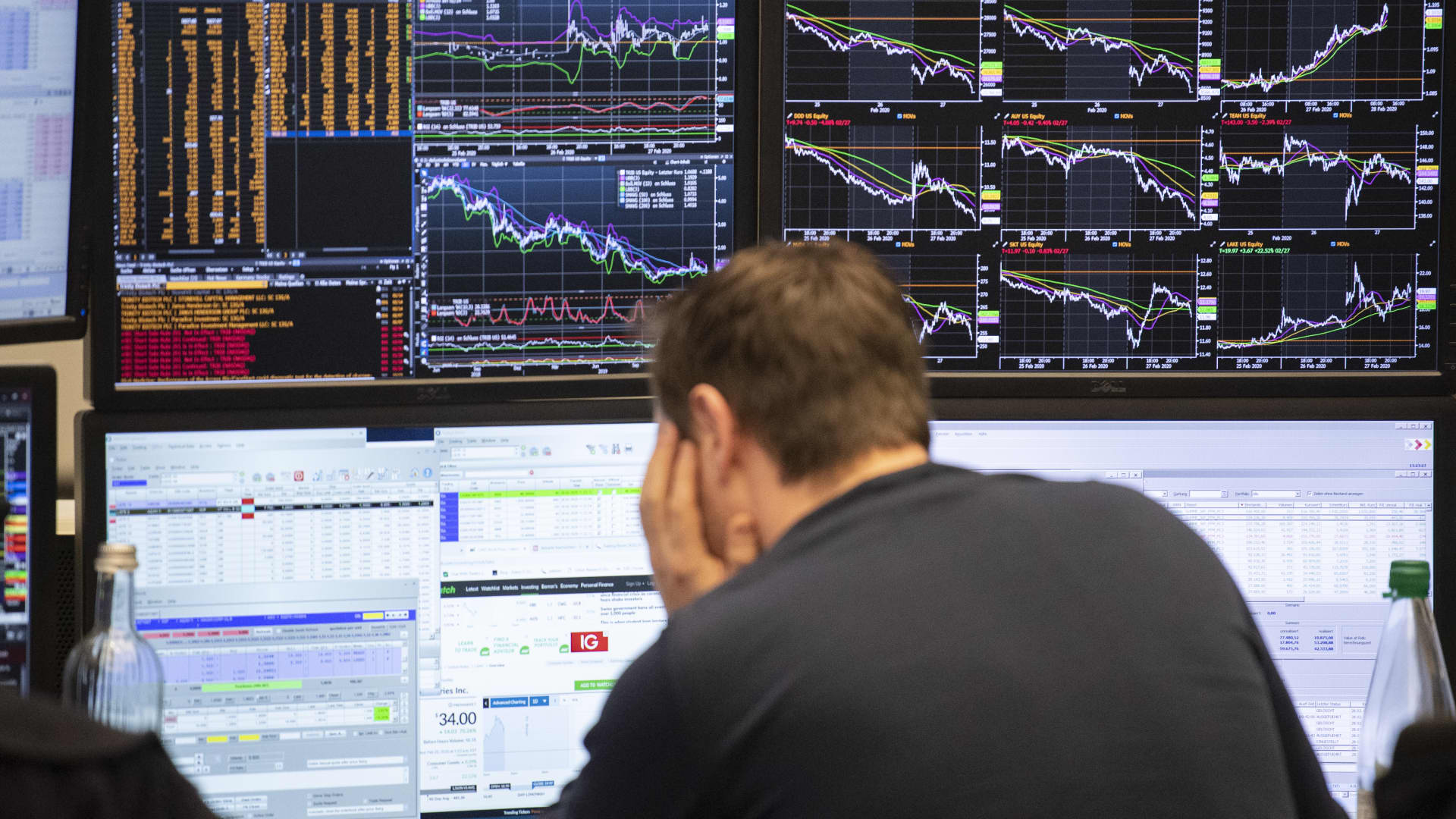
Wall Street Diverges as Tech Stocks Weigh Down Nasdaq
Written by Emily J. Thompson, Senior Investment Analyst
Updated: 1 hour ago
0mins
Source: Fool
- Dow Jones Rises: The Dow Jones Industrial Average increased by 0.8%, building on Monday's record high, driven by strong performances from traditional banks and construction stocks, with JPMorgan and Goldman Sachs contributing 64 and 104 points respectively, reflecting optimistic market sentiment regarding economic recovery.
- Nasdaq Weakness: The Nasdaq Composite Index fell by 0.4%, primarily dragged down by semiconductor stocks, with Nvidia and Broadcom declining by 1.4% and 3.5%, indicating the fragility of tech stocks in the current market environment and investor concerns about their future growth potential.
- SpaceX's Strong Performance: SpaceX shares surged by 9.9% following the announcement of a $60 billion acquisition of AI startup Anysphere, showcasing its ongoing innovation in the tech sector; although it has yet to be included in the Nasdaq-100 index, its performance positively impacted the broader Nasdaq Composite Index.
- Oil Price Decline's Market Impact: U.S. oil prices dropped by 6.1%, with Brent crude falling below $80 for the first time, leading to expectations of reduced inflation pressure and a lower likelihood of interest rate hikes by the Fed, prompting shifts in investor expectations regarding future monetary policy.
Trade with 70% Backtested Accuracy
Stop guessing "Should I Buy GS?" and start using high-conviction signals backed by rigorous historical data.
Sign up today to access powerful investing tools and make smarter, data-driven decisions.
Analyst Views on GS
Wall Street analysts forecast GS stock price to fall
12 Analyst Rating
5 Buy
7 Hold
0 Sell
Moderate Buy
Current: 1076.170

Low
604.00
Averages
951.45
High
1100
Current: 1076.170
Low
604.00
Averages
951.45
High
1100
About GS
The Goldman Sachs Group, Inc. is a global financial institution that delivers a range of financial services to a large and diversified client base that includes corporations, financial institutions, governments and individuals. Its segments include Global Banking & Markets, Asset & Wealth Management and Platform Solutions. The Global Banking & Markets segment offers a range of services, including financing, advisory services, risk distribution, and hedging for its institutional and corporate clients. It facilitates client transactions and makes markets in fixed income, equity, currency and commodity products. The Asset & Wealth Management segment manages assets and offers investment products across all asset classes to a diverse set of clients. It also provides investing and wealth advisory solutions. The Platform Solutions segment includes consumer platforms, such as partnerships offering credit cards and point-of-sale financing, and transaction banking and other platform businesses.
About the author

Emily J. Thompson
Emily J. Thompson, a Chartered Financial Analyst (CFA) with 12 years in investment research, graduated with honors from the Wharton School. Specializing in industrial and technology stocks, she provides in-depth analysis for Intellectia’s earnings and market brief reports.
Today's CD Rates Exceed National Average

- Interest Rate Trends: The Federal Reserve's three rate cuts in 2025 and subsequent stability in 2026 have led to rising deposit account rates, making it an opportune time to lock in high CD rates.
- Top CD Rates: Currently, Marcus by Goldman Sachs offers a 4% APY on its 14-month CD, significantly higher than the national average of 1.55%, highlighting the attractiveness of CD investments today.
- Online Bank Advantages: Online banks and credit unions generally provide more competitive CD rates due to lower overhead costs, making them preferable options for investors seeking higher returns on CDs.
- CD Selection Tips: Investors should compare rates from various financial institutions, be mindful of minimum deposit requirements, and review account terms to ensure they choose the best CD that aligns with their financial goals.
See More
Goldman Sachs Leads 2026 M&A Market with $1.1T in Deals

- Total M&A Volume: According to Dealogic, Goldman Sachs advised on $1.1 trillion in deals in the first half of 2026, representing a remarkable 71% increase from $649.9 billion in the same period last year, underscoring its strong leadership in the investment banking sector.
- Market Share Growth: Goldman Sachs accounted for approximately 42% of the total global M&A volume, which rose 35% year-over-year to $2.66 trillion this year, further solidifying its dominant market position.
- Competitor Performance: JPMorgan Chase ranked second with $687.1 billion in transactions, while Morgan Stanley followed closely with $574.4 billion, indicating that despite fierce competition, Goldman Sachs maintains a solid lead.
- Major Deal Overview: Among the five largest M&A deals announced this year, Amazon's $122 billion acquisition of a 14% stake in OpenAI highlights the market's strong interest in large transactions and Goldman Sachs' pivotal role in facilitating these deals.
See More

Brent Oil Falls Below $80 Amid Supply Revival Hopes

- Oil Price Decline: Brent crude fell below $80 for the first time in over three months, dropping 4.3%, indicating a potential longest losing streak this year as investors react to possible Gulf supply revival, impacting market sentiment.
- Forecast Adjustments: Morgan Stanley and Goldman Sachs have lowered their Brent price forecasts, with Goldman now expecting an average of $80 in Q4, down $10 from previous estimates, reflecting a faster anticipated recovery of Gulf exports.
- Middle Eastern Benchmark Changes: Dubai crude is approaching its largest contango since the pandemic, signaling potential oversupply risks, although the reopening remains uncertain, which could affect overall market stability.
- Shipping Safety Concerns: Kpler analysts noted that about 118 laden tankers are trapped in the Strait of Hormuz, expected to leave within 10 to 15 days, but RBC analysts warned that it may take months for flows to return to February levels, impacting supply-demand balance in the oil market.
See More
New Fed Chair May Skip Dot Plot Release


- Dot Plot Absence: New Fed Chair Kevin Warsh may not submit a dot plot, potentially breaking a 14-year tradition, which could unsettle markets regarding monetary policy expectations and investor confidence.
- Communication Reform: Warsh believes the dot plot limits the Fed's decision-making capabilities, which could lead to market misunderstandings about future policies, especially amid rising inflation and interest rates, impacting investor sentiment.
- Market Reaction Watch: Economists warn that if Warsh opts out of the dot plot, it may send the wrong signals, leading investors to interpret it as a diminished commitment to combating inflation, thus affecting market volatility.
- New Strategy Test: This meeting will serve as a litmus test for Warsh's new communication strategy, with markets closely monitoring any changes in the post-meeting statement and whether he will continue holding press conferences after each meeting.
See More
Wall Street Diverges as Tech Stocks Weigh Down Nasdaq

- Dow Jones Rises: The Dow Jones Industrial Average increased by 0.8%, building on Monday's record high, driven by strong performances from traditional banks and construction stocks, with JPMorgan and Goldman Sachs contributing 64 and 104 points respectively, reflecting optimistic market sentiment regarding economic recovery.
- Nasdaq Weakness: The Nasdaq Composite Index fell by 0.4%, primarily dragged down by semiconductor stocks, with Nvidia and Broadcom declining by 1.4% and 3.5%, indicating the fragility of tech stocks in the current market environment and investor concerns about their future growth potential.
- SpaceX's Strong Performance: SpaceX shares surged by 9.9% following the announcement of a $60 billion acquisition of AI startup Anysphere, showcasing its ongoing innovation in the tech sector; although it has yet to be included in the Nasdaq-100 index, its performance positively impacted the broader Nasdaq Composite Index.
- Oil Price Decline's Market Impact: U.S. oil prices dropped by 6.1%, with Brent crude falling below $80 for the first time, leading to expectations of reduced inflation pressure and a lower likelihood of interest rate hikes by the Fed, prompting shifts in investor expectations regarding future monetary policy.
See More

Wells Fargo's Performance Deteriorates Post Asset Cap Removal

- Asset Cap Removal: After Wells Fargo lifted its $1.95 trillion asset cap in June 2025, expectations were high for business growth; however, the bank's performance in 2026 has been disappointing, with shares down nearly 9% year-to-date, underperforming the S&P 500's over 10% gain.
- Disappointing Earnings: Following two consecutive subpar quarters, Wells Fargo's stock was downgraded to a hold-equivalent rating, with the price target reduced from $100 to $95 per share, reflecting market concerns about its future profitability.
- High Efficiency Ratio: The bank's efficiency ratio stood at 67% for Q1 2026, worse than Citigroup's 62% and Bank of America's 61%, indicating ongoing challenges in cost reduction despite improvements since CEO Charlie Scharf's tenure began in 2019.
- Investment Banking Expansion: While Wells Fargo has increased investments in its investment banking and capital markets, its minor role in the SpaceX IPO resulted in significantly lower fees compared to competitors, highlighting its struggles in diversifying revenue and capturing market share.
See More
Today's CD Rates Exceed National Average
- Interest Rate Trends: The Federal Reserve's three rate cuts in 2025 and subsequent stability in 2026 have led to rising deposit account rates, making it an opportune time to lock in high CD rates.
- Top CD Rates: Currently, Marcus by Goldman Sachs offers a 4% APY on its 14-month CD, significantly higher than the national average of 1.55%, highlighting the attractiveness of CD investments today.
- Online Bank Advantages: Online banks and credit unions generally provide more competitive CD rates due to lower overhead costs, making them preferable options for investors seeking higher returns on CDs.
- CD Selection Tips: Investors should compare rates from various financial institutions, be mindful of minimum deposit requirements, and review account terms to ensure they choose the best CD that aligns with their financial goals.
See More
Goldman Sachs Leads 2026 M&A Market with $1.1T in Deals
- Total M&A Volume: According to Dealogic, Goldman Sachs advised on $1.1 trillion in deals in the first half of 2026, representing a remarkable 71% increase from $649.9 billion in the same period last year, underscoring its strong leadership in the investment banking sector.
- Market Share Growth: Goldman Sachs accounted for approximately 42% of the total global M&A volume, which rose 35% year-over-year to $2.66 trillion this year, further solidifying its dominant market position.
- Competitor Performance: JPMorgan Chase ranked second with $687.1 billion in transactions, while Morgan Stanley followed closely with $574.4 billion, indicating that despite fierce competition, Goldman Sachs maintains a solid lead.
- Major Deal Overview: Among the five largest M&A deals announced this year, Amazon's $122 billion acquisition of a 14% stake in OpenAI highlights the market's strong interest in large transactions and Goldman Sachs' pivotal role in facilitating these deals.
See More
Brent Oil Falls Below $80 Amid Supply Revival Hopes
- Oil Price Decline: Brent crude fell below $80 for the first time in over three months, dropping 4.3%, indicating a potential longest losing streak this year as investors react to possible Gulf supply revival, impacting market sentiment.
- Forecast Adjustments: Morgan Stanley and Goldman Sachs have lowered their Brent price forecasts, with Goldman now expecting an average of $80 in Q4, down $10 from previous estimates, reflecting a faster anticipated recovery of Gulf exports.
- Middle Eastern Benchmark Changes: Dubai crude is approaching its largest contango since the pandemic, signaling potential oversupply risks, although the reopening remains uncertain, which could affect overall market stability.
- Shipping Safety Concerns: Kpler analysts noted that about 118 laden tankers are trapped in the Strait of Hormuz, expected to leave within 10 to 15 days, but RBC analysts warned that it may take months for flows to return to February levels, impacting supply-demand balance in the oil market.
See More
New Fed Chair May Skip Dot Plot Release
- Dot Plot Absence: New Fed Chair Kevin Warsh may not submit a dot plot, potentially breaking a 14-year tradition, which could unsettle markets regarding monetary policy expectations and investor confidence.
- Communication Reform: Warsh believes the dot plot limits the Fed's decision-making capabilities, which could lead to market misunderstandings about future policies, especially amid rising inflation and interest rates, impacting investor sentiment.
- Market Reaction Watch: Economists warn that if Warsh opts out of the dot plot, it may send the wrong signals, leading investors to interpret it as a diminished commitment to combating inflation, thus affecting market volatility.
- New Strategy Test: This meeting will serve as a litmus test for Warsh's new communication strategy, with markets closely monitoring any changes in the post-meeting statement and whether he will continue holding press conferences after each meeting.
See More
Wall Street Diverges as Tech Stocks Weigh Down Nasdaq
- Dow Jones Rises: The Dow Jones Industrial Average increased by 0.8%, building on Monday's record high, driven by strong performances from traditional banks and construction stocks, with JPMorgan and Goldman Sachs contributing 64 and 104 points respectively, reflecting optimistic market sentiment regarding economic recovery.
- Nasdaq Weakness: The Nasdaq Composite Index fell by 0.4%, primarily dragged down by semiconductor stocks, with Nvidia and Broadcom declining by 1.4% and 3.5%, indicating the fragility of tech stocks in the current market environment and investor concerns about their future growth potential.
- SpaceX's Strong Performance: SpaceX shares surged by 9.9% following the announcement of a $60 billion acquisition of AI startup Anysphere, showcasing its ongoing innovation in the tech sector; although it has yet to be included in the Nasdaq-100 index, its performance positively impacted the broader Nasdaq Composite Index.
- Oil Price Decline's Market Impact: U.S. oil prices dropped by 6.1%, with Brent crude falling below $80 for the first time, leading to expectations of reduced inflation pressure and a lower likelihood of interest rate hikes by the Fed, prompting shifts in investor expectations regarding future monetary policy.
See More
Wells Fargo's Performance Deteriorates Post Asset Cap Removal
- Asset Cap Removal: After Wells Fargo lifted its $1.95 trillion asset cap in June 2025, expectations were high for business growth; however, the bank's performance in 2026 has been disappointing, with shares down nearly 9% year-to-date, underperforming the S&P 500's over 10% gain.
- Disappointing Earnings: Following two consecutive subpar quarters, Wells Fargo's stock was downgraded to a hold-equivalent rating, with the price target reduced from $100 to $95 per share, reflecting market concerns about its future profitability.
- High Efficiency Ratio: The bank's efficiency ratio stood at 67% for Q1 2026, worse than Citigroup's 62% and Bank of America's 61%, indicating ongoing challenges in cost reduction despite improvements since CEO Charlie Scharf's tenure began in 2019.
- Investment Banking Expansion: While Wells Fargo has increased investments in its investment banking and capital markets, its minor role in the SpaceX IPO resulted in significantly lower fees compared to competitors, highlighting its struggles in diversifying revenue and capturing market share.
See More