Vitesse Energy's Dividend at Risk, Diamondback Energy Offers Better Investment Value
Written by Emily J. Thompson, Senior Investment Analyst
Updated: Jan 22 2026
0mins

Should l Buy FANG?
Source: NASDAQ.COM
- Dividend Risk: Vitesse Energy's dividend yield of 11.7% is at risk as 60% of its 2025 oil production is unhedged below $70, which could jeopardize investor confidence if oil prices decline significantly.
- Diamondback's Advantage: With a base dividend of $4 per share and a current yield of 2.6%, Diamondback Energy's protection down to $37 per barrel allows it to maintain stable capital returns even in falling oil price scenarios, enhancing its investment appeal.
- Business Model Divergence: Vitesse Energy's acquisition of Lucero Energy and its operation of 10% of its assets diverges from its original non-operator strategy, potentially indicating management's struggles in finding viable non-operating investments.
- Cash Flow Forecast: Diamondback's projected free cash flow per share ranges from $19 to $21 in 2025, and its flexible capital return policy, coupled with strong cash flow generation at the current oil price of $59, positions it as more resilient amid market fluctuations.
Trade with 70% Backtested Accuracy
Stop guessing "Should I Buy FANG?" and start using high-conviction signals backed by rigorous historical data.
Sign up today to access powerful investing tools and make smarter, data-driven decisions.
Analyst Views on FANG
Wall Street analysts forecast FANG stock price to fall
19 Analyst Rating
18 Buy
1 Hold
0 Sell
Strong Buy
Current: 190.620

Low
158.00
Averages
180.94
High
218.00
Current: 190.620
Low
158.00
Averages
180.94
High
218.00
About FANG
Diamondback Energy, Inc. is an independent oil and natural gas company, focused on the acquisition, development, exploration and exploitation of unconventional, onshore oil and natural gas reserves primarily in the Permian Basin in West Texas. The Company's activities are primarily directed at the horizontal development of the Wolfcamp and Spraberry formations in the Midland Basin and the Wolfcamp and Bone Spring formations in the Delaware Basin within the Permian Basin. Its subsidiary, Viper Energy, Inc., is focused on owning and acquiring mineral interests and royalty interests in oil and natural gas properties primarily in the Permian Basin and derives royalty income and lease bonus income from such interests. The Company has approximately 859,203 net acres, which primarily consists of 742,522 net acres in the Midland Basin and 116,681 net acres in the Delaware Basin. Its subsidiaries include Diamondback E&P LLC, Rattler Midstream GP LLC, Rattler Midstream LP and QEP Resources, Inc.
About the author

Emily J. Thompson
Emily J. Thompson, a Chartered Financial Analyst (CFA) with 12 years in investment research, graduated with honors from the Wharton School. Specializing in industrial and technology stocks, she provides in-depth analysis for Intellectia’s earnings and market brief reports.

Stock Markets Pressured by Soaring Oil Prices


- Oil Price Surge Pressures Markets: Stock indexes are under pressure as crude oil prices soar over 8% following President Trump's aggressive stance on Iran, leading to a 0.06% drop in the S&P 500, a 0.23% decline in the Dow, and a 0.20% fall in the Nasdaq 100, indicating heightened inflation concerns among investors.
- Unexpected Jobless Claims Drop: Despite market pressures, initial jobless claims fell by 9,000 to 202,000, indicating a stronger labor market than anticipated, which may provide some support for stocks and alleviate investor fears of an economic slowdown.
- Divergent Energy Sector Performance: Energy producers like Diamondback Energy rose over 2% due to soaring WTI prices, while airline stocks such as American Airlines and Carnival fell more than 4% as rising fuel costs cut into profits, highlighting a clear divergence across sectors.
- Tech Stocks Decline: Chipmakers and AI infrastructure stocks retreated, with ARM Holdings leading the Nasdaq 100 down over 5%, reflecting waning confidence in tech stocks and potentially impacting future investment decisions.
See More

US Stocks Plummet as Oil Prices Surge

- Oil Price Surge: Crude oil prices soared over 13% as President Trump took a tougher stance on Iran, reaching a 3.5-week high, which not only heightened inflation fears but also pushed bond yields higher, with the 10-year T-note yield rising by 2 basis points to 4.34%.
- Unemployment Claims Drop: Weekly initial unemployment claims unexpectedly fell by 9,000 to 202,000, indicating a stronger labor market than the anticipated increase to 212,000, which could provide support for the stock market amid rising inflation concerns.
- Global Market Decline: Overseas stock markets are lower, with the Euro Stoxx 50 down 2.25%, China's Shanghai Composite down 0.74%, and Japan's Nikkei 225 sharply falling 2.38% from a two-week high, reflecting global economic uncertainty and investor caution.
- Airline Stocks Plummet: Airline stocks are sharply lower as crude oil prices surged over 10%, raising fuel costs; United Airlines and American Airlines Group both fell more than 6%, highlighting the direct impact of rising oil prices on airline profitability.
See More

Tesla's Deliveries Fall Short of Expectations, Shares Drop


- Tesla Delivery Decline: Tesla reported first-quarter deliveries of 358,000 vehicles, a 14% drop from the previous quarter and below the expected 370,000, leading to a 4% decline in stock price, indicating market concerns over its growth outlook.
- Nike's Bleak Sales Outlook: Nike anticipates a 20% decline in sales in China for the current quarter, resulting in a more than 2% drop in stock price, highlighting increasing challenges the company faces in the global market that could impact future profitability.
- Globalstar Stock Surge: Globalstar shares rose 9% following reports that Amazon is in talks to acquire the company, although Amazon declined to comment, the optimism surrounding the potential acquisition boosted the stock price significantly.
- Penguin Solutions Earnings Beat: Penguin Solutions reported adjusted earnings of 52 cents per share, exceeding the analyst consensus of 42 cents, with revenue of $343 million surpassing expectations, reflecting strong performance in the computing and memory markets, resulting in a 13% stock price increase.
See More
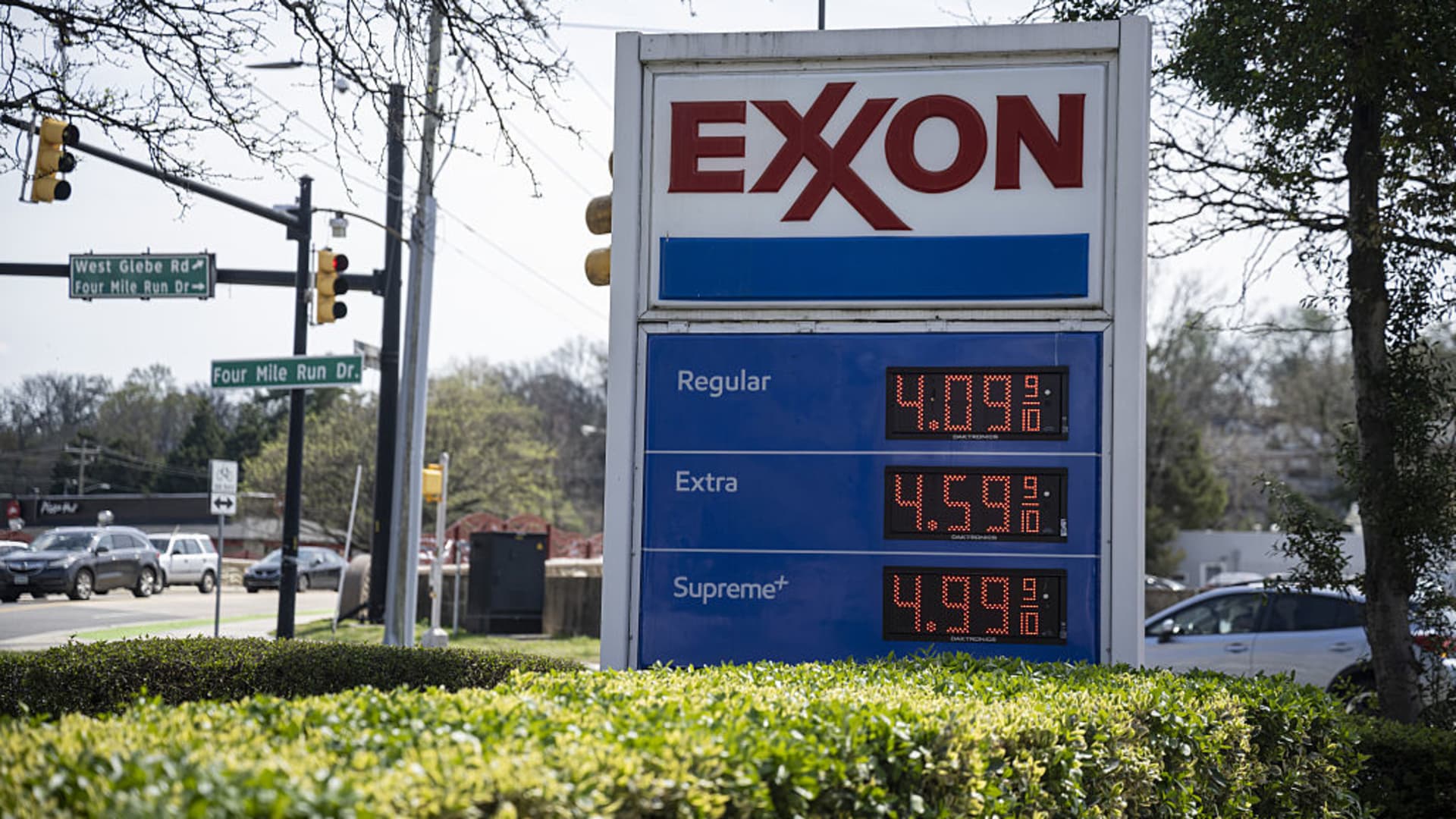
Oil Price Surge Drives Energy Stocks Higher Amid Iran War Concerns


- Energy Stocks Surge: Following President Trump's speech, oil prices surged over 7%, leading to a 4.3% increase in APA shares, while Diamondback Energy, ConocoPhillips, Devon Energy, Exxon Mobil, and Chevron saw about 3% gains, indicating market optimism regarding energy demand.
- Cruise Stocks Decline: Major cruise operators like Carnival, Royal Caribbean, and Norwegian Cruise Line fell about 4% as Trump's speech failed to provide a clear path to end the Iran war, heightening concerns over demand.
- Airlines Under Pressure: Rising oil prices caused airline stocks to tumble, with Delta Air Lines, United Airlines, Southwest Airlines, and Alaska Air all dropping about 4%, reflecting the negative impact of high oil prices on airline profitability.
- Gold Miners Slide: After Trump's speech, gold prices fell 1%, leading to declines of about 5% for Newmont and Kinross Gold, and nearly 6% for Iamgold, indicating a weakening demand for safe-haven assets.
See More

Positive Outlook for U.S. E&P Sector Amid High Oil Prices


- Supportive Cash Flow from High Prices: Oil prices have surged into triple digits due to geopolitical tensions and supply disruptions, and even if tensions ease, prices may remain elevated due to lingering infrastructure damage and tight supply, creating strong cash flows and improved margins for producers.
- Supply Constraints Create Price Floor: Global spare capacity is declining, and supply risks are heightened by geopolitical uncertainty, making the market increasingly vulnerable to shortages, which strengthens the long-term price outlook, particularly favoring U.S. producers who can respond flexibly.
- High Prices Risk Demand Destruction: While rising oil prices boost revenues, they also increase fuel costs for consumers and businesses, and once gasoline prices cross key thresholds, demand may weaken, potentially slowing global economic growth and introducing volatility in the market.
- Cost Discipline and Efficiency Enhance Resilience: The industry has become more capital disciplined, focusing on efficiency gains and consistent free cash flow generation, allowing producers to remain profitable even at moderate prices while benefiting significantly when prices rise, thus enhancing structural resilience across cycles.
See More

Middle East Conflict Drives Up Energy Prices


- Energy Companies Benefit: The geopolitical conflict in the Middle East has disrupted global energy markets, driving up oil and gas prices, with companies like Diamondback Energy, Devon Energy, and Chevron expected to see sustained benefits and enhanced profitability through 2026.
- Diamondback Growth Potential: Diamondback Energy anticipates a 9% increase in oil production per share in 2025, followed by another 4% in 2026, and with rising West Texas Intermediate prices, its robust production capabilities are set to drive significant earnings growth.
- Devon Acquisition Impact: Devon Energy plans to complete its acquisition of Coterra Energy in Q2 2026; although the deal was struck before the dramatic price increases, it is expected to positively influence 2026 performance, enhancing market expectations.
- Chevron's Stability: Chevron operates across upstream, midstream, and downstream sectors, which may limit its upside during price surges, yet its 3.3% dividend yield and consistent dividend growth make it an attractive choice for long-term investors.
See More
Stock Markets Pressured by Soaring Oil Prices
- Oil Price Surge Pressures Markets: Stock indexes are under pressure as crude oil prices soar over 8% following President Trump's aggressive stance on Iran, leading to a 0.06% drop in the S&P 500, a 0.23% decline in the Dow, and a 0.20% fall in the Nasdaq 100, indicating heightened inflation concerns among investors.
- Unexpected Jobless Claims Drop: Despite market pressures, initial jobless claims fell by 9,000 to 202,000, indicating a stronger labor market than anticipated, which may provide some support for stocks and alleviate investor fears of an economic slowdown.
- Divergent Energy Sector Performance: Energy producers like Diamondback Energy rose over 2% due to soaring WTI prices, while airline stocks such as American Airlines and Carnival fell more than 4% as rising fuel costs cut into profits, highlighting a clear divergence across sectors.
- Tech Stocks Decline: Chipmakers and AI infrastructure stocks retreated, with ARM Holdings leading the Nasdaq 100 down over 5%, reflecting waning confidence in tech stocks and potentially impacting future investment decisions.
See More
US Stocks Plummet as Oil Prices Surge
- Oil Price Surge: Crude oil prices soared over 13% as President Trump took a tougher stance on Iran, reaching a 3.5-week high, which not only heightened inflation fears but also pushed bond yields higher, with the 10-year T-note yield rising by 2 basis points to 4.34%.
- Unemployment Claims Drop: Weekly initial unemployment claims unexpectedly fell by 9,000 to 202,000, indicating a stronger labor market than the anticipated increase to 212,000, which could provide support for the stock market amid rising inflation concerns.
- Global Market Decline: Overseas stock markets are lower, with the Euro Stoxx 50 down 2.25%, China's Shanghai Composite down 0.74%, and Japan's Nikkei 225 sharply falling 2.38% from a two-week high, reflecting global economic uncertainty and investor caution.
- Airline Stocks Plummet: Airline stocks are sharply lower as crude oil prices surged over 10%, raising fuel costs; United Airlines and American Airlines Group both fell more than 6%, highlighting the direct impact of rising oil prices on airline profitability.
See More
Tesla's Deliveries Fall Short of Expectations, Shares Drop
- Tesla Delivery Decline: Tesla reported first-quarter deliveries of 358,000 vehicles, a 14% drop from the previous quarter and below the expected 370,000, leading to a 4% decline in stock price, indicating market concerns over its growth outlook.
- Nike's Bleak Sales Outlook: Nike anticipates a 20% decline in sales in China for the current quarter, resulting in a more than 2% drop in stock price, highlighting increasing challenges the company faces in the global market that could impact future profitability.
- Globalstar Stock Surge: Globalstar shares rose 9% following reports that Amazon is in talks to acquire the company, although Amazon declined to comment, the optimism surrounding the potential acquisition boosted the stock price significantly.
- Penguin Solutions Earnings Beat: Penguin Solutions reported adjusted earnings of 52 cents per share, exceeding the analyst consensus of 42 cents, with revenue of $343 million surpassing expectations, reflecting strong performance in the computing and memory markets, resulting in a 13% stock price increase.
See More
Oil Price Surge Drives Energy Stocks Higher Amid Iran War Concerns
- Energy Stocks Surge: Following President Trump's speech, oil prices surged over 7%, leading to a 4.3% increase in APA shares, while Diamondback Energy, ConocoPhillips, Devon Energy, Exxon Mobil, and Chevron saw about 3% gains, indicating market optimism regarding energy demand.
- Cruise Stocks Decline: Major cruise operators like Carnival, Royal Caribbean, and Norwegian Cruise Line fell about 4% as Trump's speech failed to provide a clear path to end the Iran war, heightening concerns over demand.
- Airlines Under Pressure: Rising oil prices caused airline stocks to tumble, with Delta Air Lines, United Airlines, Southwest Airlines, and Alaska Air all dropping about 4%, reflecting the negative impact of high oil prices on airline profitability.
- Gold Miners Slide: After Trump's speech, gold prices fell 1%, leading to declines of about 5% for Newmont and Kinross Gold, and nearly 6% for Iamgold, indicating a weakening demand for safe-haven assets.
See More
Positive Outlook for U.S. E&P Sector Amid High Oil Prices
- Supportive Cash Flow from High Prices: Oil prices have surged into triple digits due to geopolitical tensions and supply disruptions, and even if tensions ease, prices may remain elevated due to lingering infrastructure damage and tight supply, creating strong cash flows and improved margins for producers.
- Supply Constraints Create Price Floor: Global spare capacity is declining, and supply risks are heightened by geopolitical uncertainty, making the market increasingly vulnerable to shortages, which strengthens the long-term price outlook, particularly favoring U.S. producers who can respond flexibly.
- High Prices Risk Demand Destruction: While rising oil prices boost revenues, they also increase fuel costs for consumers and businesses, and once gasoline prices cross key thresholds, demand may weaken, potentially slowing global economic growth and introducing volatility in the market.
- Cost Discipline and Efficiency Enhance Resilience: The industry has become more capital disciplined, focusing on efficiency gains and consistent free cash flow generation, allowing producers to remain profitable even at moderate prices while benefiting significantly when prices rise, thus enhancing structural resilience across cycles.
See More
Middle East Conflict Drives Up Energy Prices
- Energy Companies Benefit: The geopolitical conflict in the Middle East has disrupted global energy markets, driving up oil and gas prices, with companies like Diamondback Energy, Devon Energy, and Chevron expected to see sustained benefits and enhanced profitability through 2026.
- Diamondback Growth Potential: Diamondback Energy anticipates a 9% increase in oil production per share in 2025, followed by another 4% in 2026, and with rising West Texas Intermediate prices, its robust production capabilities are set to drive significant earnings growth.
- Devon Acquisition Impact: Devon Energy plans to complete its acquisition of Coterra Energy in Q2 2026; although the deal was struck before the dramatic price increases, it is expected to positively influence 2026 performance, enhancing market expectations.
- Chevron's Stability: Chevron operates across upstream, midstream, and downstream sectors, which may limit its upside during price surges, yet its 3.3% dividend yield and consistent dividend growth make it an attractive choice for long-term investors.
See More