VisionWave Completes Research on Subsurface Sensing Architectures
VisionWave announced the completion of an internal research paper evaluating conceptual radio-frequency-based subsurface sensing architectures which the company intends to incorporate into its broader long-term strategy in energy, infrastructure intelligence, and subsurface mapping. This research initiative follows VisionWave's recently announced strategic engagement in offshore energy exploration in Liberia and reflects the company's continued focus on exploring advanced sensing approaches designed to enhance situational awareness in complex environments. The research paper represents a technical evaluation and conceptual framework only, and not an existing commercial product or deployed system. The company emphasizes that the research paper represents a technical evaluation and conceptual framework, and not an existing commercial product or deployed system. The research paper, developed as part of the company's ongoing research and development efforts, examines the feasibility and architectural considerations of near-source RF sensing systems intended to provide enhanced subsurface visibility in select geological conditions. The work outlines a potential framework combining advanced antenna design, edge-based signal processing, and physics-informed computational models. VisionWave believes that, if successfully developed and validated, such approaches may support improved detection of subsurface features, including geological boundaries, fracture networks, and other structural characteristics relevant to energy exploration and infrastructure applications. However, the Company notes that the concepts described in the research paper remain subject to significant technical validation, environmental dependencies, and engineering development. "We are approaching subsurface exploration as a sensing and intelligence challenge rather than a purely mechanical process," said Douglas Davis, executive chairman and CEO of VisionWave. "This research paper reflects our effort to evaluate how physics-based signal propagation and real-time computational methods may, over time, contribute to improved visibility in complex subsurface environments. Importantly, our approach is focused on augmenting existing systems with additional layers of intelligence, not replacing them. While still at a research and evaluation stage, we believe this direction represents a meaningful long-term opportunity to enhance how subsurface environments are understood."
Trade with 70% Backtested Accuracy
Analyst Views on VWAV
About VWAV
About the author


U.S. Defense Budget Hits Record High, Surge in Autonomous Systems Procurement


- Record Defense Budget: The FY2026 U.S. defense budget has reached $1 trillion, with a FY2027 request of $1.5 trillion representing a 44% increase over FY2026, indicating a strong commitment to defense spending that is expected to drive market demand for related defense companies.
- Surge in Autonomous Systems Procurement: The U.S. Department of Defense plans to purchase over 200,000 autonomous systems by 2027, responding to urgent needs for sensor-rich, AI-driven platforms, particularly in countering emerging aerial threats and enhancing persistent surveillance capabilities.
- Major Contract Awards: Elbit Systems has secured a contract worth approximately $750 million to supply precision rocket systems to the Hellenic Armed Forces, reflecting an increase in international defense cooperation and sustained demand for high-tech weapon systems.
- Technological Innovation and Market Opportunities: VisionWave Holdings has received its first defense order from Latin America, showcasing the market potential of its AI-driven technology platform, while also signing a memorandum of understanding with a U.S. Tier-1 defense contractor, further solidifying its position in the global defense market.

Pentagon's Drone Dominance Program Drives Counter-UAS Procurement


- Surge in Drone Procurement: The Pentagon's Drone Dominance Program aims to deploy over 200,000 autonomous systems, with counter-drone capabilities rapidly shifting from secondary to urgent priority, indicating a pressing need to counter cheap aerial threats and likely boosting market shares for involved companies.
- Significant Defense Budget Increase: The 2026 U.S. defense budget discussions are around $1 trillion, with FY2027 proposals nearing $1.5 trillion, reflecting a strong emphasis on drone and counter-drone systems that could create substantial contract opportunities for relevant firms.
- Domestic Manufacturers Benefit: The implementation of Section 1709 of the FY25 NDAA effectively bans foreign-manufactured drones from the U.S. market, compelling all federal, state, and local agencies to replace non-compliant equipment with U.S.-made alternatives, thereby creating a structural moat for domestic manufacturers and enhancing market competitiveness.
- VisionWave's Strategic Positioning: VisionWave Holdings is strengthening its market position in missile defense by acquiring a 51% controlling stake in Israeli C.M. Composite Materials, while also launching the ARGUS counter-drone system and VARAN unmanned ground vehicle platform, further consolidating its comprehensive capabilities in drone technology.

Pentagon's Drone Dominance Program Drives Counter-UAS Procurement
- Procurement Goals: The Pentagon's Drone Dominance Program is now targeting over 200,000 autonomous systems, reflecting an urgent need for counter-drone capabilities to address cheap aerial threats in Ukraine and other regions, thereby enhancing overall U.S. defense security.
- Regulatory Impact: Section 1709 of the FY25 NDAA effectively bans foreign-manufactured drones from the U.S. market, creating a structural moat for domestic manufacturers, which is expected to accelerate the procurement of domestic counter-drone systems and further solidify the U.S. leadership in the global defense market.
- Strategic Investments: VisionWave Holdings is assembling a vertically integrated defense platform that includes the ARGUS AI counter-drone system and the VARAN unmanned ground vehicle, which are anticipated to enhance its market competitiveness and meet the procurement demands of the Pentagon.
- Budget Growth: The 2026 U.S. defense budget is approaching $1 trillion, with FY2027 proposals pushing toward $1.5 trillion, providing significant market opportunities for related defense technology companies and driving overall industry growth.
Defense Sector Accelerates Deployment of Counter-Drone Systems

- Surging Market Demand: The global counter-UAS market is projected to grow from $6-8 billion in the mid-2020s to over $20 billion by 2030, with some estimates suggesting it could approach $28 billion by 2032, highlighting the urgent need for airspace security.
- Establishing in Ukraine: ZenaTech is setting up a production base in Ukraine for counter-drone interceptor systems, targeting to produce the Interceptor P-1 drone at under $5,000 each, aiming to accelerate delivery to U.S. and Gulf defense customers.
- Technological Innovation: Counter-drone systems employ a layered defense strategy, incorporating both kinetic and non-kinetic methods such as signal jamming and laser technology, ensuring effective responses against coordinated drone swarms and enhancing operational capabilities on modern battlefields.
- Industry Collaboration: VisionWave has signed a purchase order with a Latin American public safety organization, indicating the expanding application of drone technology in public safety, further driving overall industry growth and technological advancements.

Defense Sector Accelerates Deployment of Counter-Drone Systems
- Surging Market Demand: The global counter-UAS market is projected to grow from $6-8 billion in the mid-2020s to over $20 billion by 2030, with aggressive forecasts suggesting it could reach nearly $28 billion by 2032, highlighting the urgent need for airspace security.
- Establishing in Ukraine: ZenaTech is setting up a production base in Ukraine for counter-drone interceptor systems to accelerate delivery and comply with U.S. and Gulf nations' defense needs, reflecting its strategic positioning in modern warfare.
- Technological Innovation: ZenaTech's Interceptor P-1 drone is priced under $5,000, designed to defeat hostile drones at a fraction of conventional interception costs, showcasing the company's competitive edge in drone technology and production economics.
- Compliance and Recruitment: ZenaTech is collaborating with legal compliance experts to ensure its Ukraine operations meet all relevant regulations while actively recruiting local engineers and technicians to enhance its production capabilities.
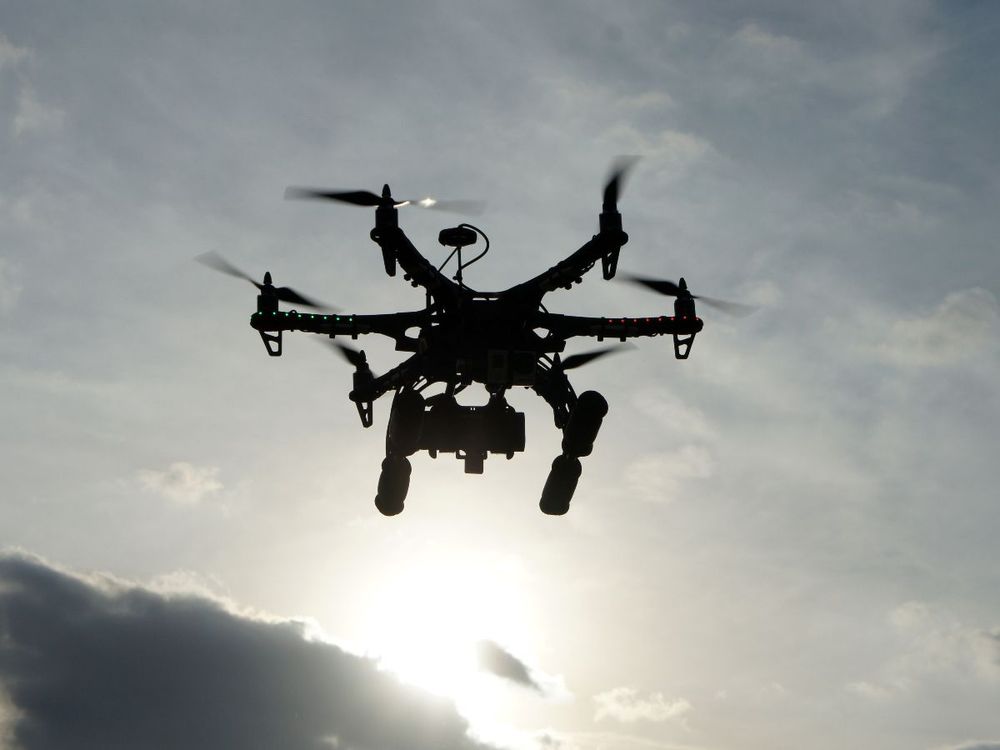
VisionWave Secures First Order from Latin American Public Safety Organization
- First Commercial Order: VisionWave Holdings, Inc. announced it has secured its first commercial purchase order from a Latin American public safety organization, marking a significant milestone in the company's international expansion and potentially paving the way for future orders.
- Successful Technical Demonstrations: The order follows a series of technical demonstrations and discussions with senior government officials in the region, showcasing VisionWave's drone platforms for homeland security and public safety applications, thereby enhancing the company's influence in this sector.
- Positive Market Reaction: Following the announcement, VisionWave's stock traded over 2% higher in Thursday's premarket, reflecting investor optimism regarding the new order and potentially driving future stock price growth.
- Strategic Implications: By entering the Latin American market, VisionWave not only broadens its business scope but also lays the groundwork for future expansion into other international markets, demonstrating the company's strategic positioning in the global public safety sector.
U.S. Defense Budget Hits Record High, Surge in Autonomous Systems Procurement
- Record Defense Budget: The FY2026 U.S. defense budget has reached $1 trillion, with a FY2027 request of $1.5 trillion representing a 44% increase over FY2026, indicating a strong commitment to defense spending that is expected to drive market demand for related defense companies.
- Surge in Autonomous Systems Procurement: The U.S. Department of Defense plans to purchase over 200,000 autonomous systems by 2027, responding to urgent needs for sensor-rich, AI-driven platforms, particularly in countering emerging aerial threats and enhancing persistent surveillance capabilities.
- Major Contract Awards: Elbit Systems has secured a contract worth approximately $750 million to supply precision rocket systems to the Hellenic Armed Forces, reflecting an increase in international defense cooperation and sustained demand for high-tech weapon systems.
- Technological Innovation and Market Opportunities: VisionWave Holdings has received its first defense order from Latin America, showcasing the market potential of its AI-driven technology platform, while also signing a memorandum of understanding with a U.S. Tier-1 defense contractor, further solidifying its position in the global defense market.
Pentagon's Drone Dominance Program Drives Counter-UAS Procurement
- Surge in Drone Procurement: The Pentagon's Drone Dominance Program aims to deploy over 200,000 autonomous systems, with counter-drone capabilities rapidly shifting from secondary to urgent priority, indicating a pressing need to counter cheap aerial threats and likely boosting market shares for involved companies.
- Significant Defense Budget Increase: The 2026 U.S. defense budget discussions are around $1 trillion, with FY2027 proposals nearing $1.5 trillion, reflecting a strong emphasis on drone and counter-drone systems that could create substantial contract opportunities for relevant firms.
- Domestic Manufacturers Benefit: The implementation of Section 1709 of the FY25 NDAA effectively bans foreign-manufactured drones from the U.S. market, compelling all federal, state, and local agencies to replace non-compliant equipment with U.S.-made alternatives, thereby creating a structural moat for domestic manufacturers and enhancing market competitiveness.
- VisionWave's Strategic Positioning: VisionWave Holdings is strengthening its market position in missile defense by acquiring a 51% controlling stake in Israeli C.M. Composite Materials, while also launching the ARGUS counter-drone system and VARAN unmanned ground vehicle platform, further consolidating its comprehensive capabilities in drone technology.
Pentagon's Drone Dominance Program Drives Counter-UAS Procurement
- Procurement Goals: The Pentagon's Drone Dominance Program is now targeting over 200,000 autonomous systems, reflecting an urgent need for counter-drone capabilities to address cheap aerial threats in Ukraine and other regions, thereby enhancing overall U.S. defense security.
- Regulatory Impact: Section 1709 of the FY25 NDAA effectively bans foreign-manufactured drones from the U.S. market, creating a structural moat for domestic manufacturers, which is expected to accelerate the procurement of domestic counter-drone systems and further solidify the U.S. leadership in the global defense market.
- Strategic Investments: VisionWave Holdings is assembling a vertically integrated defense platform that includes the ARGUS AI counter-drone system and the VARAN unmanned ground vehicle, which are anticipated to enhance its market competitiveness and meet the procurement demands of the Pentagon.
- Budget Growth: The 2026 U.S. defense budget is approaching $1 trillion, with FY2027 proposals pushing toward $1.5 trillion, providing significant market opportunities for related defense technology companies and driving overall industry growth.
Defense Sector Accelerates Deployment of Counter-Drone Systems
- Surging Market Demand: The global counter-UAS market is projected to grow from $6-8 billion in the mid-2020s to over $20 billion by 2030, with some estimates suggesting it could approach $28 billion by 2032, highlighting the urgent need for airspace security.
- Establishing in Ukraine: ZenaTech is setting up a production base in Ukraine for counter-drone interceptor systems, targeting to produce the Interceptor P-1 drone at under $5,000 each, aiming to accelerate delivery to U.S. and Gulf defense customers.
- Technological Innovation: Counter-drone systems employ a layered defense strategy, incorporating both kinetic and non-kinetic methods such as signal jamming and laser technology, ensuring effective responses against coordinated drone swarms and enhancing operational capabilities on modern battlefields.
- Industry Collaboration: VisionWave has signed a purchase order with a Latin American public safety organization, indicating the expanding application of drone technology in public safety, further driving overall industry growth and technological advancements.
Defense Sector Accelerates Deployment of Counter-Drone Systems
- Surging Market Demand: The global counter-UAS market is projected to grow from $6-8 billion in the mid-2020s to over $20 billion by 2030, with aggressive forecasts suggesting it could reach nearly $28 billion by 2032, highlighting the urgent need for airspace security.
- Establishing in Ukraine: ZenaTech is setting up a production base in Ukraine for counter-drone interceptor systems to accelerate delivery and comply with U.S. and Gulf nations' defense needs, reflecting its strategic positioning in modern warfare.
- Technological Innovation: ZenaTech's Interceptor P-1 drone is priced under $5,000, designed to defeat hostile drones at a fraction of conventional interception costs, showcasing the company's competitive edge in drone technology and production economics.
- Compliance and Recruitment: ZenaTech is collaborating with legal compliance experts to ensure its Ukraine operations meet all relevant regulations while actively recruiting local engineers and technicians to enhance its production capabilities.
VisionWave Secures First Order from Latin American Public Safety Organization
- First Commercial Order: VisionWave Holdings, Inc. announced it has secured its first commercial purchase order from a Latin American public safety organization, marking a significant milestone in the company's international expansion and potentially paving the way for future orders.
- Successful Technical Demonstrations: The order follows a series of technical demonstrations and discussions with senior government officials in the region, showcasing VisionWave's drone platforms for homeland security and public safety applications, thereby enhancing the company's influence in this sector.
- Positive Market Reaction: Following the announcement, VisionWave's stock traded over 2% higher in Thursday's premarket, reflecting investor optimism regarding the new order and potentially driving future stock price growth.
- Strategic Implications: By entering the Latin American market, VisionWave not only broadens its business scope but also lays the groundwork for future expansion into other international markets, demonstrating the company's strategic positioning in the global public safety sector.