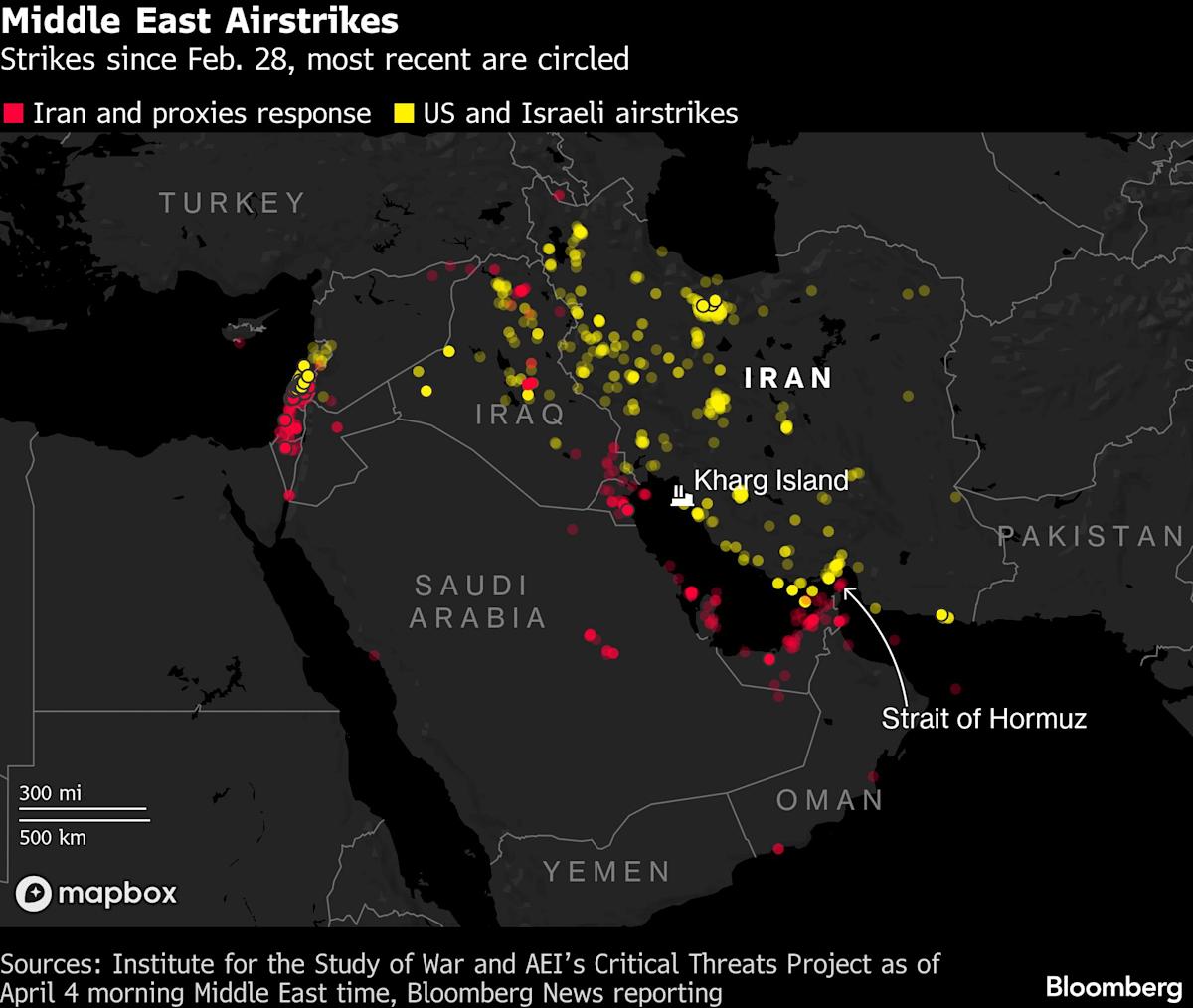
U.S.-Iran Ceasefire Boosts Airline Stocks
Written by Emily J. Thompson, Senior Investment Analyst
Updated: 2 hours ago
0mins
Source: seekingalpha
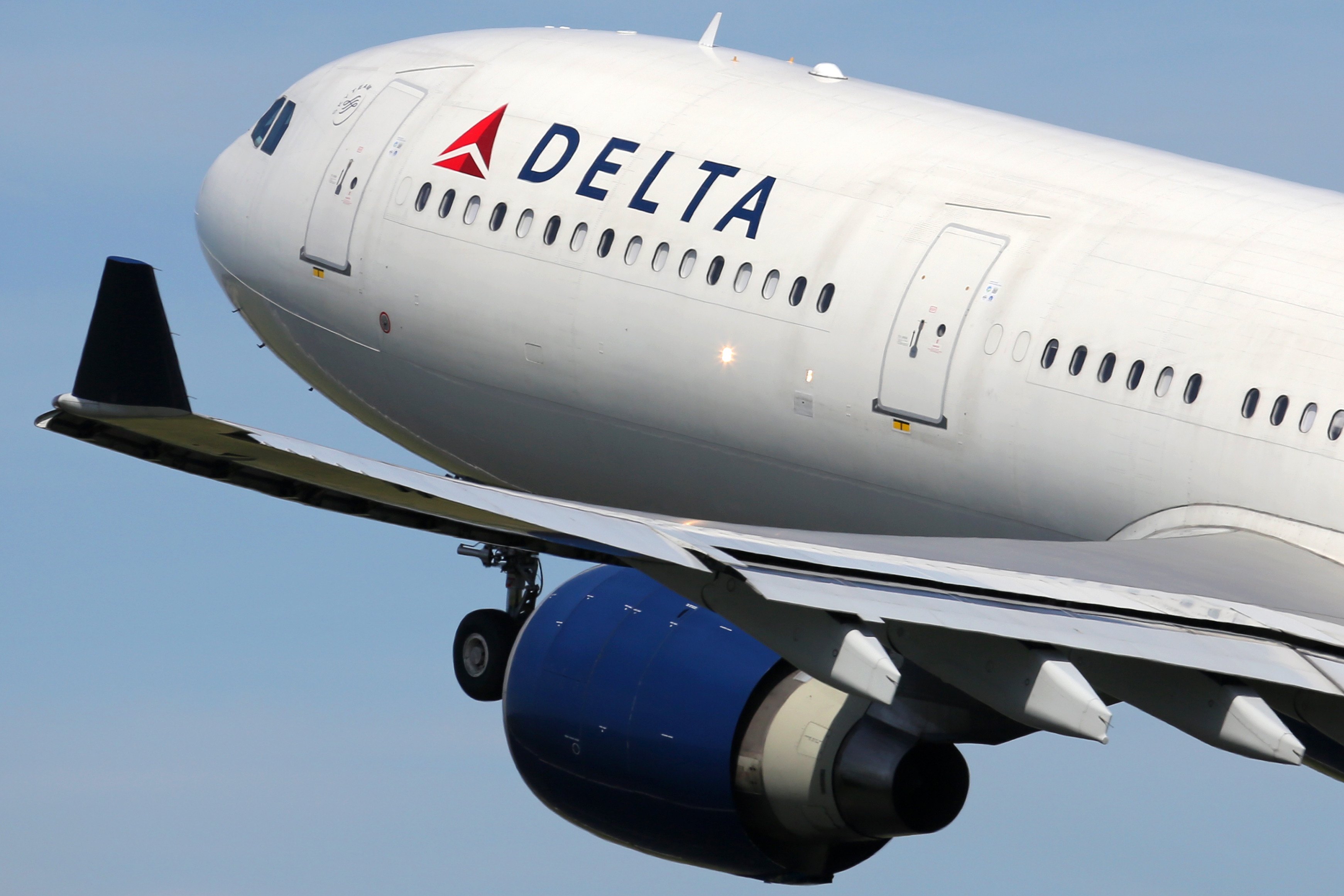
- Airline Stock Surge: Airline stocks experienced a significant rebound on Wednesday morning following the U.S. and Iran's agreement to a two-week ceasefire, with American Airlines (AAL) rising 6.2%, United Airlines (UAL) up 8.7%, Southwest Airlines (LUV) increasing 8.1%, Delta Air Lines (DAL) climbing 6.8%, and JetBlue Airways (JBLU) gaining 5.9%, collectively lifting the U.S. Global Jets ETF (JETS) by 7.7%.
- Oil Price Decline: The price of Brent crude oil fell as much as 16% due to the ceasefire agreement, settling around $94.3 per barrel, alleviating market concerns over potential supply disruptions in the Strait of Hormuz and benefiting airlines by reducing fuel costs.
- European Market Gains: In Europe, airlines such as Antofagasta (ANFGF), Lufthansa (DLAKF), Wizz Air (WZZZY), Air France-KLM (AFLYY), and easyJet (ESYJY) saw gains of over 10% in morning trading, reflecting strong market confidence in the airline sector.
- Optimistic Industry Outlook: Airline stocks have faced pressure since mid-February due to escalating tensions in the Middle East, but the ceasefire agreement may present new growth opportunities for the industry, particularly as Delta Air Lines is set to report its first-quarter results, generating market anticipation for its performance.
Trade with 70% Backtested Accuracy
Stop guessing "Should I Buy DAL?" and start using high-conviction signals backed by rigorous historical data.
Sign up today to access powerful investing tools and make smarter, data-driven decisions.
Analyst Views on DAL
Wall Street analysts forecast DAL stock price to rise
18 Analyst Rating
18 Buy
0 Hold
0 Sell
Strong Buy
Current: 66.780

Low
77.00
Averages
83.50
High
90.00
Current: 66.780
Low
77.00
Averages
83.50
High
90.00
About DAL
Delta Air Lines, Inc. provides scheduled air transportation for passengers and cargo throughout the United States and around the world. The Company has hubs and markets in Amsterdam, Atlanta, Bogota, Boston, Detroit, Lima, London-Heathrow, Los Angeles, Mexico City, Minneapolis-St. Paul, New York-JFK and LaGuardia, Paris-Charles de Gaulle, Salt Lake City, Santiago (Chile), Sao Paulo, Seattle, Seoul-Incheon, and Tokyo. Its segments include Airline and Refinery. Its airline segment is managed as a single business unit that provides scheduled air transportation for passengers and cargo throughout the United States and around the world and includes its loyalty program, as well as other ancillary businesses. Its refinery segment operates for the benefit of the airline segment by providing jet fuel to the airline segment from its own production and through jet fuel obtained through agreements with third parties. The refinery's production consists of jet fuel as well as non-jet fuel products.
About the author

Emily J. Thompson
Emily J. Thompson, a Chartered Financial Analyst (CFA) with 12 years in investment research, graduated with honors from the Wharton School. Specializing in industrial and technology stocks, she provides in-depth analysis for Intellectia’s earnings and market brief reports.

Delta's Q1 Adjusted EPS Reaches $0.64, Exceeding IBES Estimate of $0.57

- Delta Q1 Adjusted EPS: Delta's adjusted earnings per share (EPS) for the first quarter is reported at USD 0.64.
- Ibes Estimate Comparison: This figure exceeds the Ibes estimate, which was USD 0.57.
See More
Delta Air Lines Raises Baggage Fees Amid Rising Fuel Costs
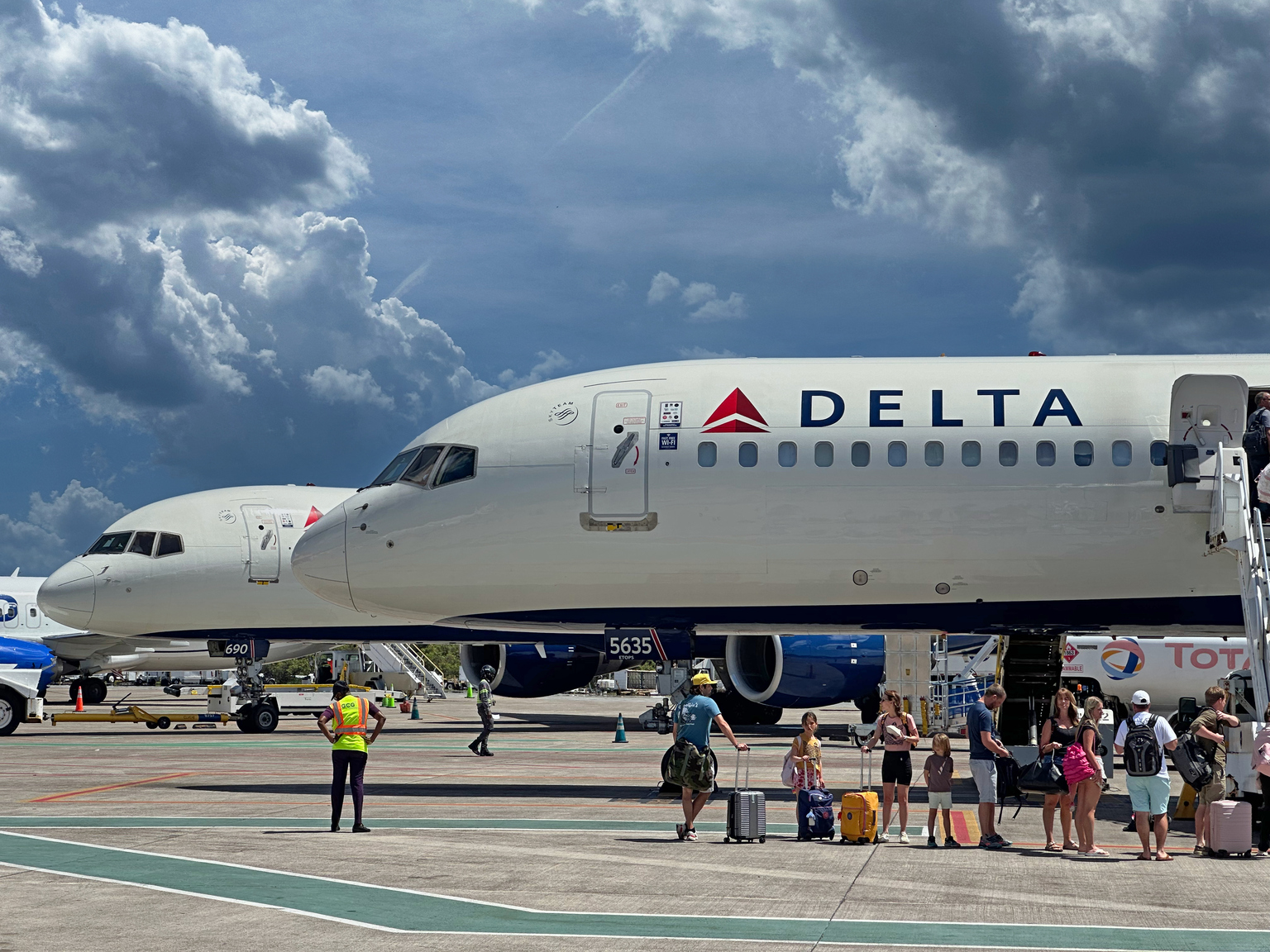
- Baggage Fee Increase: Delta Air Lines has raised the fees for the first and second checked bags on domestic and select short-haul international routes from $35 to $45, while the fee for the third checked bag has surged from $150 to $200, indicating the airline's strategic response to rising fuel costs.
- Industry Trend: This marks Delta's first baggage fee increase in two years, following similar moves by United Airlines and JetBlue, reflecting the broader pressure on the airline industry to manage soaring fuel expenses, which are typically easier to pass on to consumers than fare hikes.
- Competitor Response: JetBlue was the first to increase baggage fees, with United Airlines subsequently implementing a $10 increase for the first and second checked bags starting April 3, highlighting a growing trend of price adjustments across the industry.
- Market Impact: As airlines raise ancillary fees to offset fuel costs, consumers are likely to face higher travel expenses, which could impact demand for air travel and alter overall market dynamics.
See More

Delta Air Lines Surpasses Earnings Expectations, Leading the Industry
- Earnings Beat: Delta Air Lines reported a non-GAAP EPS of $0.64, exceeding expectations by $0.07, indicating strong profitability amidst fierce competition in the airline sector.
- Significant Revenue Growth: The airline's revenue reached $15.85 billion, surpassing the anticipated $15.782 billion, reflecting robust performance in both passenger and cargo operations, thereby solidifying its market position.
- Falling Oil Prices Benefit: The decline in oil prices is expected to lower Delta's operating costs, which will support future profitability and potentially enhance its competitive edge in the industry.
- Industry Leadership: Following the earnings report, Delta led the airline sector higher, demonstrating its relatively strong performance in the current turbulent market, which may attract more investor interest in its stock.
See More
Delta Air Lines Reports 12.9% Revenue Growth in Q1
- Significant Revenue Growth: Delta Air Lines reported a 12.9% year-over-year revenue increase in Q1, reaching $15.9 billion, exceeding market expectations by $1 billion, indicating strong unit revenue improvement across all regions, particularly in main cabin growth.
- Cost and Revenue Dynamics: Total revenue per available seat mile rose 12% to $0.2292, while total cost per available seat mile increased by 13% to $0.2220, demonstrating the company's efforts to protect margins and cash flow despite rising costs.
- Fuel Cost Pressure: Delta anticipates a $2 billion increase in fuel expenses this quarter, despite benefits from its Trainer refinery, with CEO Ed Bastian emphasizing actions to mitigate the impact of rising fuel costs on operations.
- Industry Rebound Impact: The airline sector saw a general uptick following the U.S.-Iran ceasefire agreement, with Delta's stock performing strongly in premarket trading, reflecting market optimism regarding the recovery of the airline industry.
See More

Delta Air Lines Surpasses Earnings Expectations, Boosts Stock Price
- Strong Earnings Report: Delta Air Lines reported a non-GAAP EPS of $0.64, exceeding market expectations by $0.07, demonstrating the company's robust profitability in a highly competitive airline market.
- Revenue Growth: The company achieved first-quarter revenue of $15.85 billion, surpassing expectations by $1.03 billion, reflecting successful strategies in flight demand recovery and fare increases.
- Positive Market Reaction: Airline stocks surged following the U.S.-Iran ceasefire news, benefiting Delta's stock price and indicating market optimism regarding the airline industry's outlook.
- Industry Leadership: In the current chaotic market environment, Delta is viewed as a relative winner, with rating upgrades further solidifying its leadership position in the industry and signaling future growth potential.
See More

Delta Air Lines Q1 Earnings Exceed Expectations
- Strong Earnings Performance: Delta Air Lines reported a Q1 non-GAAP EPS of $0.64, beating expectations by $0.07, indicating the company's sustained profitability amid robust demand.
- Significant Revenue Growth: The airline's Q1 revenue reached $15.85 billion, a 12.9% year-over-year increase, surpassing expectations by $1.03 billion, reflecting strong performance in the recovering market.
- Optimistic Future Outlook: The company anticipates low-teens revenue growth in Q2 despite flat capacity, demonstrating its ability to maintain growth momentum amid strong demand and effective capacity adjustments.
- Profit Expectations Raised: Delta expects a pre-tax profit of around $1 billion in Q2, despite a projected increase of over $2 billion in fuel expenses, showcasing the company's resilience in profitability under cost pressures.
See More
Delta's Q1 Adjusted EPS Reaches $0.64, Exceeding IBES Estimate of $0.57
- Delta Q1 Adjusted EPS: Delta's adjusted earnings per share (EPS) for the first quarter is reported at USD 0.64.
- Ibes Estimate Comparison: This figure exceeds the Ibes estimate, which was USD 0.57.
See More
Delta Air Lines Raises Baggage Fees Amid Rising Fuel Costs
- Baggage Fee Increase: Delta Air Lines has raised the fees for the first and second checked bags on domestic and select short-haul international routes from $35 to $45, while the fee for the third checked bag has surged from $150 to $200, indicating the airline's strategic response to rising fuel costs.
- Industry Trend: This marks Delta's first baggage fee increase in two years, following similar moves by United Airlines and JetBlue, reflecting the broader pressure on the airline industry to manage soaring fuel expenses, which are typically easier to pass on to consumers than fare hikes.
- Competitor Response: JetBlue was the first to increase baggage fees, with United Airlines subsequently implementing a $10 increase for the first and second checked bags starting April 3, highlighting a growing trend of price adjustments across the industry.
- Market Impact: As airlines raise ancillary fees to offset fuel costs, consumers are likely to face higher travel expenses, which could impact demand for air travel and alter overall market dynamics.
See More
Delta Air Lines Surpasses Earnings Expectations, Leading the Industry
- Earnings Beat: Delta Air Lines reported a non-GAAP EPS of $0.64, exceeding expectations by $0.07, indicating strong profitability amidst fierce competition in the airline sector.
- Significant Revenue Growth: The airline's revenue reached $15.85 billion, surpassing the anticipated $15.782 billion, reflecting robust performance in both passenger and cargo operations, thereby solidifying its market position.
- Falling Oil Prices Benefit: The decline in oil prices is expected to lower Delta's operating costs, which will support future profitability and potentially enhance its competitive edge in the industry.
- Industry Leadership: Following the earnings report, Delta led the airline sector higher, demonstrating its relatively strong performance in the current turbulent market, which may attract more investor interest in its stock.
See More
Delta Air Lines Reports 12.9% Revenue Growth in Q1
- Significant Revenue Growth: Delta Air Lines reported a 12.9% year-over-year revenue increase in Q1, reaching $15.9 billion, exceeding market expectations by $1 billion, indicating strong unit revenue improvement across all regions, particularly in main cabin growth.
- Cost and Revenue Dynamics: Total revenue per available seat mile rose 12% to $0.2292, while total cost per available seat mile increased by 13% to $0.2220, demonstrating the company's efforts to protect margins and cash flow despite rising costs.
- Fuel Cost Pressure: Delta anticipates a $2 billion increase in fuel expenses this quarter, despite benefits from its Trainer refinery, with CEO Ed Bastian emphasizing actions to mitigate the impact of rising fuel costs on operations.
- Industry Rebound Impact: The airline sector saw a general uptick following the U.S.-Iran ceasefire agreement, with Delta's stock performing strongly in premarket trading, reflecting market optimism regarding the recovery of the airline industry.
See More
Delta Air Lines Surpasses Earnings Expectations, Boosts Stock Price
- Strong Earnings Report: Delta Air Lines reported a non-GAAP EPS of $0.64, exceeding market expectations by $0.07, demonstrating the company's robust profitability in a highly competitive airline market.
- Revenue Growth: The company achieved first-quarter revenue of $15.85 billion, surpassing expectations by $1.03 billion, reflecting successful strategies in flight demand recovery and fare increases.
- Positive Market Reaction: Airline stocks surged following the U.S.-Iran ceasefire news, benefiting Delta's stock price and indicating market optimism regarding the airline industry's outlook.
- Industry Leadership: In the current chaotic market environment, Delta is viewed as a relative winner, with rating upgrades further solidifying its leadership position in the industry and signaling future growth potential.
See More
Delta Air Lines Q1 Earnings Exceed Expectations
- Strong Earnings Performance: Delta Air Lines reported a Q1 non-GAAP EPS of $0.64, beating expectations by $0.07, indicating the company's sustained profitability amid robust demand.
- Significant Revenue Growth: The airline's Q1 revenue reached $15.85 billion, a 12.9% year-over-year increase, surpassing expectations by $1.03 billion, reflecting strong performance in the recovering market.
- Optimistic Future Outlook: The company anticipates low-teens revenue growth in Q2 despite flat capacity, demonstrating its ability to maintain growth momentum amid strong demand and effective capacity adjustments.
- Profit Expectations Raised: Delta expects a pre-tax profit of around $1 billion in Q2, despite a projected increase of over $2 billion in fuel expenses, showcasing the company's resilience in profitability under cost pressures.
See More