US Stocks Decline for Fifth Straight Week Amid Stagflation Concerns
Written by Emily J. Thompson, Senior Investment Analyst
Updated: 1 hour ago
0mins
Should l Buy SONY?
Source: seekingalpha
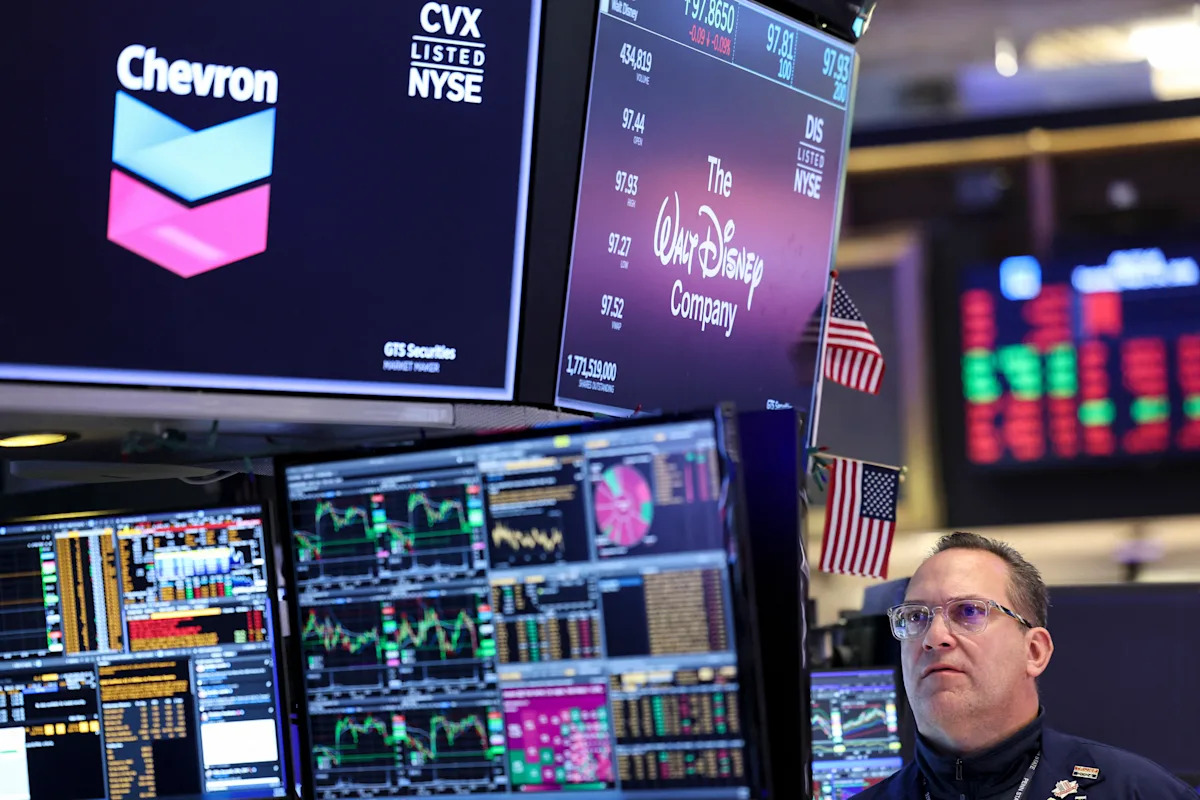
- US Market Decline: US stock indexes fell for the fifth consecutive week, with the S&P 500 and Nasdaq dropping 3.9% and 5.2% respectively, while the Dow fell 2.8%, reflecting heightened stagflation concerns due to the Middle East conflict and trade disruption threats.
- International Market Dynamics: Despite the downturn in US markets, European equities rose 2.3%, indicating differing market expectations for economic recovery, particularly with strong performances in the UK and German markets.
- Japan's Economic Slowdown: Japan's core inflation dropped below the central bank's target for the first time, and manufacturing activity weakened, indicating pressure on economic growth, although the Nikkei 225 rose 3.7%, reflecting market optimism about future growth.
- Corporate News Highlights: ASML will supply advanced production equipment worth approximately $7.9 billion to SK Hynix, while Sony Group is nearing a $1 billion deal to sell a majority stake in its home entertainment business to China's TCL Electronics, showcasing trends of consolidation in the global tech industry.
Trade with 70% Backtested Accuracy
Stop guessing "Should I Buy SONY?" and start using high-conviction signals backed by rigorous historical data.
Sign up today to access powerful investing tools and make smarter, data-driven decisions.
Analyst Views on SONY
Wall Street analysts forecast SONY stock price to rise
1 Analyst Rating
1 Buy
0 Hold
0 Sell
Moderate Buy
Current: 20.030

Low
34.00
Averages
34.00
High
34.00
Current: 20.030
Low
34.00
Averages
34.00
High
34.00
About SONY
Sony Group Corp is a Japan-based company engaged in the games & network services (G&NS), music, movies, entertainment technology & services (ET&S), imaging & sensing solutions (I&SS) and other businesses. It has seven business segments. G&NS segment is involved in network service business, the manufacture and sale of home video game consoles and software. The Music segment mainly includes music production, music publishing and video media platform businesses. The Movies segment mainly includes film production, television program production and media network businesses. The ET&S field mainly includes the television business, audio, video business, still image, video camera business, smartphone business and Internet-related service business. The I&SS segment mainly includes the image sensor business. The Financial segment is involved in the insurance business and banking business. The Other segment consists of activities such as disc manufacturing business and recording media business.
About the author

Emily J. Thompson
Emily J. Thompson, a Chartered Financial Analyst (CFA) with 12 years in investment research, graduated with honors from the Wharton School. Specializing in industrial and technology stocks, she provides in-depth analysis for Intellectia’s earnings and market brief reports.
Sony Raises PS5 Prices Globally to Offset Rising Costs

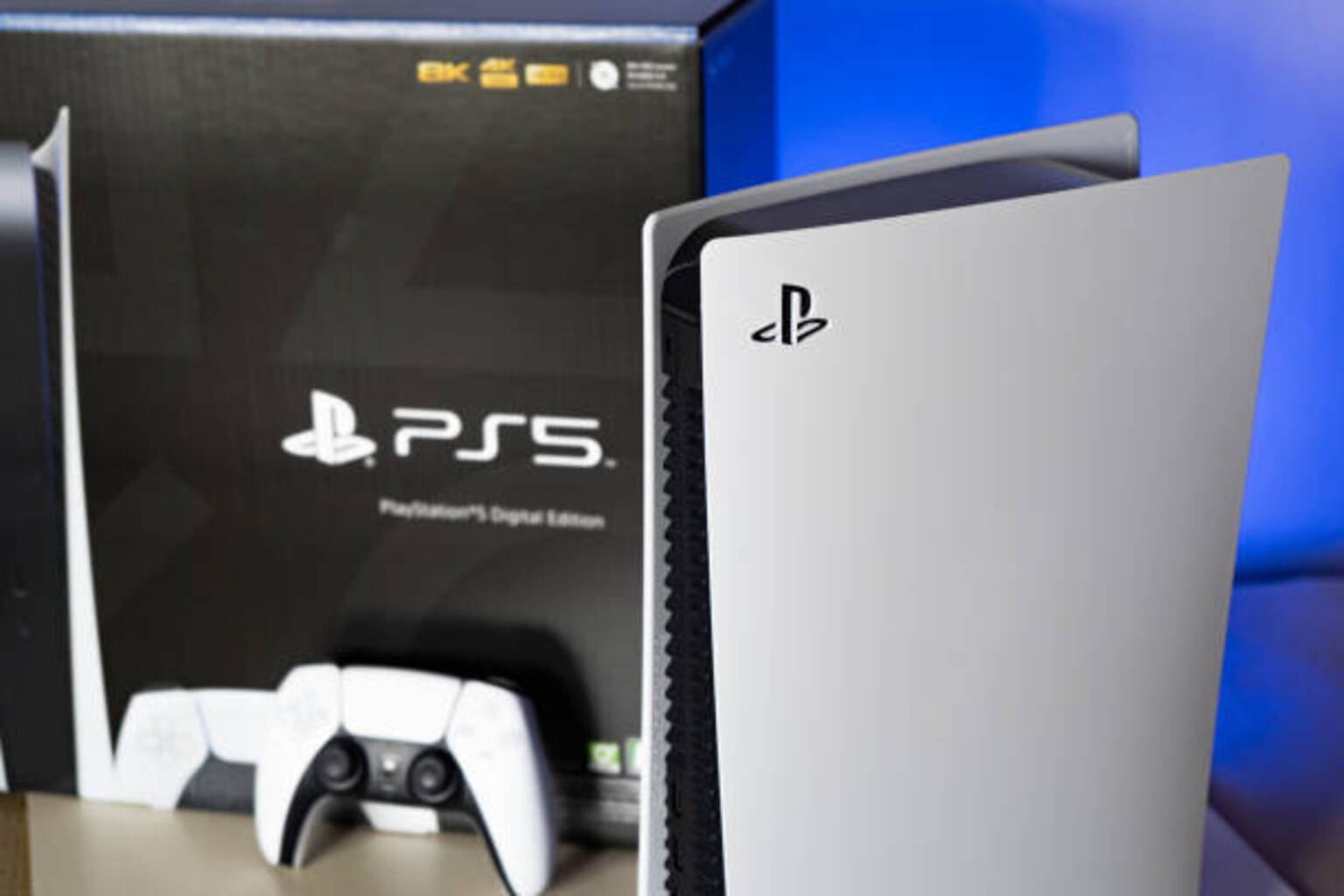
- Price Increase: Sony has raised the prices of the PS5 standard and digital versions by $100, the Pro version by $150, and the PlayStation Portal by $50, effective April 2, as a response to rising costs associated with sourcing memory chips due to the AI boom.
- Market Response: Isabelle Tomatis, VP of Global Marketing at Sony Interactive Entertainment, stated that while price changes impact the community, the decision was deemed necessary to continue delivering high-quality gaming experiences, reflecting the company's strategic adjustments under economic pressure.
- Analyst Rating Downgrade: Earlier this month, Bernstein analysts downgraded Sony's rating from “outperform” to “market perform,” highlighting that the rapid rise in AI memory demand means supply shortages are unlikely to be resolved soon, which will hurt PS5 hardware margins.
- Macroeconomic Challenges: Amid ongoing pressures in the global economic landscape, Sony's price adjustments not only serve as a strategy to counter rising costs but also demonstrate the company's determination to maintain competitiveness in uncertain market conditions.
See More

US Stocks Decline for Fifth Straight Week Amid Stagflation Concerns

- US Market Decline: US stock indexes fell for the fifth consecutive week, with the S&P 500 and Nasdaq dropping 3.9% and 5.2% respectively, while the Dow fell 2.8%, reflecting heightened stagflation concerns due to the Middle East conflict and trade disruption threats.
- International Market Dynamics: Despite the downturn in US markets, European equities rose 2.3%, indicating differing market expectations for economic recovery, particularly with strong performances in the UK and German markets.
- Japan's Economic Slowdown: Japan's core inflation dropped below the central bank's target for the first time, and manufacturing activity weakened, indicating pressure on economic growth, although the Nikkei 225 rose 3.7%, reflecting market optimism about future growth.
- Corporate News Highlights: ASML will supply advanced production equipment worth approximately $7.9 billion to SK Hynix, while Sony Group is nearing a $1 billion deal to sell a majority stake in its home entertainment business to China's TCL Electronics, showcasing trends of consolidation in the global tech industry.
See More

A Hectic Week for Video Games: Watch These Stocks Closely.


- Market Uncertainty: The videogame industry is facing increasing uncertainty, prompting investors to reassess potential long-term stock opportunities.
- Investor Insights: Recent news provides insights for investors on which stocks may be attractive as the industry evolves.
- Growth Potential: Despite short-term challenges, the overall growth potential of the videogame sector remains a focal point for investment strategies.
- Stock Evaluation: Investors are encouraged to evaluate stocks based on the latest industry developments and trends.
See More

PlayStation 5 Price Increase Leads to Surge in Micron and Sandisk Stock Prices.

- Price Increase Announcement: Sony is increasing the prices of its PlayStation consoles due to ongoing economic pressures.
- Cause of Price Hike: The rise in prices is attributed to soaring memory costs impacting the production of the consoles.
See More

Sony Raises PS5 Prices Again Amid Economic Pressures

- Price Increase Rationale: Sony announced a price hike for its PS5 console range, with the U.S. PS5 disc edition rising from $549.99 to $649.99, the digital edition to $599.99, and the PS5 Pro to $899.99, reflecting pressures from the global economic landscape and surging memory costs.
- Global Market Impact: The price increases will take effect on April 2, affecting not only the U.S. but also Japan, the U.K., and Europe, where each PS5 model will see a £90 (approximately $120) increase, indicating strong global demand for high-quality gaming devices.
- Memory Cost Pressures: Sony faces unprecedented cost pressures due to skyrocketing memory prices, as analysts note that memory manufacturers prioritize stock for AI data centers, leading to tight supply and forcing Sony to raise prices to protect its hardware margins.
- Future Market Expectations: Analysts predict that further inflationary pressures from the Middle East conflict may exacerbate component price increases, prompting Sony to continue focusing on monetizing its existing PS5 user base and expanding software and network service revenues to mitigate rising memory costs.
See More

Sony to Raise PS5 Prices Amid Economic Pressures
- Price Increase Rationale: Sony announced a price hike for its PS5 consoles effective April 2, with the disc and digital editions increasing by $100 to $649.99 and $599.99 respectively, while the PS5 Pro will rise by $150 to $899.99, driven by global economic pressures and surging memory chip costs.
- Market Response: This marks Sony's second price adjustment in less than a year, reflecting the company's strategy to navigate high inflation and uncertainty, aiming to protect hardware margins while ensuring the delivery of high-quality gaming experiences.
- Global Impact: In addition to the U.S., Sony has raised PS5 prices in Japan, the U.K., and Europe, with each model in the U.K. increasing by £90 (approximately $120), highlighting the sensitivity of global markets to rising memory costs.
- Future Outlook: Analysts suggest that due to ongoing memory price increases, competitors like Microsoft and Nintendo may also follow suit with price hikes, especially with potential new inflationary pressures stemming from the Middle East conflict, which could further escalate component costs.
See More
Sony Raises PS5 Prices Globally to Offset Rising Costs
- Price Increase: Sony has raised the prices of the PS5 standard and digital versions by $100, the Pro version by $150, and the PlayStation Portal by $50, effective April 2, as a response to rising costs associated with sourcing memory chips due to the AI boom.
- Market Response: Isabelle Tomatis, VP of Global Marketing at Sony Interactive Entertainment, stated that while price changes impact the community, the decision was deemed necessary to continue delivering high-quality gaming experiences, reflecting the company's strategic adjustments under economic pressure.
- Analyst Rating Downgrade: Earlier this month, Bernstein analysts downgraded Sony's rating from “outperform” to “market perform,” highlighting that the rapid rise in AI memory demand means supply shortages are unlikely to be resolved soon, which will hurt PS5 hardware margins.
- Macroeconomic Challenges: Amid ongoing pressures in the global economic landscape, Sony's price adjustments not only serve as a strategy to counter rising costs but also demonstrate the company's determination to maintain competitiveness in uncertain market conditions.
See More
US Stocks Decline for Fifth Straight Week Amid Stagflation Concerns
- US Market Decline: US stock indexes fell for the fifth consecutive week, with the S&P 500 and Nasdaq dropping 3.9% and 5.2% respectively, while the Dow fell 2.8%, reflecting heightened stagflation concerns due to the Middle East conflict and trade disruption threats.
- International Market Dynamics: Despite the downturn in US markets, European equities rose 2.3%, indicating differing market expectations for economic recovery, particularly with strong performances in the UK and German markets.
- Japan's Economic Slowdown: Japan's core inflation dropped below the central bank's target for the first time, and manufacturing activity weakened, indicating pressure on economic growth, although the Nikkei 225 rose 3.7%, reflecting market optimism about future growth.
- Corporate News Highlights: ASML will supply advanced production equipment worth approximately $7.9 billion to SK Hynix, while Sony Group is nearing a $1 billion deal to sell a majority stake in its home entertainment business to China's TCL Electronics, showcasing trends of consolidation in the global tech industry.
See More
A Hectic Week for Video Games: Watch These Stocks Closely.
- Market Uncertainty: The videogame industry is facing increasing uncertainty, prompting investors to reassess potential long-term stock opportunities.
- Investor Insights: Recent news provides insights for investors on which stocks may be attractive as the industry evolves.
- Growth Potential: Despite short-term challenges, the overall growth potential of the videogame sector remains a focal point for investment strategies.
- Stock Evaluation: Investors are encouraged to evaluate stocks based on the latest industry developments and trends.
See More
PlayStation 5 Price Increase Leads to Surge in Micron and Sandisk Stock Prices.
- Price Increase Announcement: Sony is increasing the prices of its PlayStation consoles due to ongoing economic pressures.
- Cause of Price Hike: The rise in prices is attributed to soaring memory costs impacting the production of the consoles.
See More
Sony Raises PS5 Prices Again Amid Economic Pressures
- Price Increase Rationale: Sony announced a price hike for its PS5 console range, with the U.S. PS5 disc edition rising from $549.99 to $649.99, the digital edition to $599.99, and the PS5 Pro to $899.99, reflecting pressures from the global economic landscape and surging memory costs.
- Global Market Impact: The price increases will take effect on April 2, affecting not only the U.S. but also Japan, the U.K., and Europe, where each PS5 model will see a £90 (approximately $120) increase, indicating strong global demand for high-quality gaming devices.
- Memory Cost Pressures: Sony faces unprecedented cost pressures due to skyrocketing memory prices, as analysts note that memory manufacturers prioritize stock for AI data centers, leading to tight supply and forcing Sony to raise prices to protect its hardware margins.
- Future Market Expectations: Analysts predict that further inflationary pressures from the Middle East conflict may exacerbate component price increases, prompting Sony to continue focusing on monetizing its existing PS5 user base and expanding software and network service revenues to mitigate rising memory costs.
See More
Sony to Raise PS5 Prices Amid Economic Pressures
- Price Increase Rationale: Sony announced a price hike for its PS5 consoles effective April 2, with the disc and digital editions increasing by $100 to $649.99 and $599.99 respectively, while the PS5 Pro will rise by $150 to $899.99, driven by global economic pressures and surging memory chip costs.
- Market Response: This marks Sony's second price adjustment in less than a year, reflecting the company's strategy to navigate high inflation and uncertainty, aiming to protect hardware margins while ensuring the delivery of high-quality gaming experiences.
- Global Impact: In addition to the U.S., Sony has raised PS5 prices in Japan, the U.K., and Europe, with each model in the U.K. increasing by £90 (approximately $120), highlighting the sensitivity of global markets to rising memory costs.
- Future Outlook: Analysts suggest that due to ongoing memory price increases, competitors like Microsoft and Nintendo may also follow suit with price hikes, especially with potential new inflationary pressures stemming from the Middle East conflict, which could further escalate component costs.
See More