U.S. Stock Futures Decline Amid Rising Tensions with Iran


Stock futures declined Monday as escalating tensions with Iran, including the seizure of an Iranian-flagged cargo ship and renewed threats from President Trump, raised concerns ahead of an expiring ceasefire. Iran's refusal to participate in peace talks further heightened geopolitical uncertainty and weighed on market sentiment.In pre-market trading, S&P 500 futures declined 0.37%, Nasdaq 100 futures lost 0.32% and Dow futures fell 0.42%.Check out this morning's top movers from around Wall Street, compiled by The Fly.HIGHER -Energy stocks moved higher as U.S.-Iran tensions flared up over the weekend, with Chevronup 1%Marvellup 6% after The Information said that Googleis in talks with the company to develop two new chips that will focus on running AI models more efficientlyTopBuildup 20% after QXOannounced plans to buy the company for $17B, or $505 per shareUSA Rare Earthup 8% after agreeing to buy Brazil's Serra Verde Group in a cash-and-stock transactionMP Materialsup 3% after Wedbush initiated the stock with an Outperform ratingNektar Therapeuticsup 17% after results from a blinded 16-week treatment extension period showed positive response in its Phase 2b Rezolve-AA studyPsychedelic-related stocks rose after President Donald Trump signed an executive order to expedite research and access to the substances used outside the U.S to treat post-traumatic stress disorder, with AtaiBeckleyup 25%DOWN AFTER EARNINGS -Cleveland-Cliffsdown 1%Dynex Capitaldown 2%Nano-X Imaging, down 11%LOWER -AST SpaceMobiledown 13% after Blue Origin's flagship New Glenn rocket failed to correctly place a satellite made by the company in its intended orbitAmerican Airlinesand Carnivalled airline and cruise operators lower, down 3% and 2%, as the prospects of fuel prices staying at elevated levels weigh on sentimentAvis Budgetdown 3% after Barclays downgraded the stock to UnderweightFermidown 20% after the company said its CEO and CFO have stepped downDoximitydown 3% after Truist downgraded the stock to Hold
Trade with 70% Backtested Accuracy
Analyst Views on CVX

About CVX
About the author


Oil Stocks Surge Amid Ongoing Conflict in Iran

- Shareholder Return History: Chevron has returned over $5 billion in capital to shareholders over the last 16 quarters, with $3.5 billion allocated to dividends, demonstrating the company's ability to consistently reward investors even in volatile markets, thereby enhancing investor confidence.
- Low Break-even Point: Chevron maintains a break-even price of $50 per barrel for Brent crude oil, thanks to investments in high-quality assets and disciplined cost management, allowing it to generate higher free cash flow in the current environment where prices are nearing $100 per barrel.
- Optimistic Market Outlook: The U.S. Energy Information Administration projects oil prices could peak at $115 per barrel in the second quarter and not fall below $90 until the fourth quarter, providing a strong tailwind for Chevron's earnings and further solidifying its position in the energy market.
- Investment in High-margin Assets: Chevron focuses on high-margin assets such as the Permian Basin and the Gulf of Mexico, successfully integrating Hess to gain a 30% stake in the Stabroek Block, ensuring future growth potential and competitive strength in the market.

Investors Shift to High Dividend Stocks Amid Market Volatility

- Increased Appeal of Dividend Stocks: In Q1 2026, nearly $22 billion flowed into dividend exchange-traded funds, marking the highest inflow since Q2 2022, indicating a trend of investors seeking relative safety amid market volatility.
- Uneven Market Performance: While the S&P 500 hit a new high on Monday, the market has been rocky this year due to factors like the Iran war, oil prices, and AI disruptions, leading to heightened demand for dividend stocks among investors.
- Analyst-Recommended Stocks: Stocks in the iShares Core High Dividend ETF have received buy or overweight ratings from over 55% of analysts, with expected price targets showing at least 15% upside, highlighting strong investment potential.
- Individual Stock Performance Analysis: For instance, AbbVie boasts a 3.4% dividend yield with 74% of analysts rating it a buy, while PNC Financial Services and PPL also show promising growth prospects with dividend yields of 3.1%, attracting investor interest.
Closure of Strait of Hormuz Impacts Global Oil Market
- Accelerated Inventory Depletion: According to TotalEnergies CEO Patrick Pouyanne, the global economy has consumed at least 500 million barrels from inventories this year, a figure that continues to rise, indicating severe challenges for the global oil market.
- Production Drop: Oil production in the Persian Gulf has plummeted by 57% since the onset of the war with Iran, with global inventories being drawn down at a rate of 10 to 13 million barrels per day, leading to tight market conditions and expectations of sustained high oil prices.
- Production Restart Challenges: Even if the Strait of Hormuz were to reopen today, it would take time to restore oil supplies from the Persian Gulf, with some wells potentially requiring up to seven months to restart, further exacerbating global inventory tightness.
- Optimistic Price Outlook: JPMorgan forecasts that Brent crude prices will remain in triple digits through the third quarter, with expectations of $80 per barrel next year, positioning oil producers to generate cash flows significantly above initial expectations, enhancing their financial flexibility.
Oil Price Fluctuations Impact Energy Stock Dividends

- Oil Price Impact: As of May 7, WTI futures fell 16.6%, yet remained around $95 per barrel, indicating that high oil prices could suppress demand during the upcoming summer travel season, creating pressure for investors.
- Attractive Energy Dividends: The Energy Select Sector SPDR ETF (XLE) has risen 39.4% year-to-date, with a dividend yield of 2.67%, more than double that of the S&P 500 index fund, highlighting the investment appeal of energy stocks.
- Antero Midstream Performance: Antero Midstream (AM) shares dropped 6.3% over the past month, but its Q1 free cash flow increased by 8%, and the company repurchased $18 million in stock, demonstrating a commitment to capital returns even in adversity.
- Chevron's Dividend Stability: Chevron (CVX) has increased its dividend for 39 consecutive years; despite a 5.3% decline in stock price due to falling oil prices, the company forecasts a capital spending and dividend breakeven below $50 per barrel, ensuring long-term shareholder returns.

Analysis of URTH ETF's 52-Week High and Low Points

- 52-Week Price Range: URTH ETF's low point is $159.23 per share, with a high of $201.10, and the last trade at $201.09 indicates stability near the high, potentially attracting investor interest.
- Technical Analysis Tool: Comparing the current share price to the 200-day moving average provides valuable insights for investors, helping to assess market trends and potential buying opportunities.
- ETF Unit Trading Mechanism: ETFs trade similarly to stocks, where investors buy and sell 'units' that can be created or destroyed based on demand, impacting liquidity and market performance.
- Inflows and Outflows Monitoring: Weekly monitoring of changes in ETF units focuses on notable inflows (new units created) or outflows (old units destroyed), as these liquidity shifts can significantly affect the performance of the underlying stocks held within the ETF.
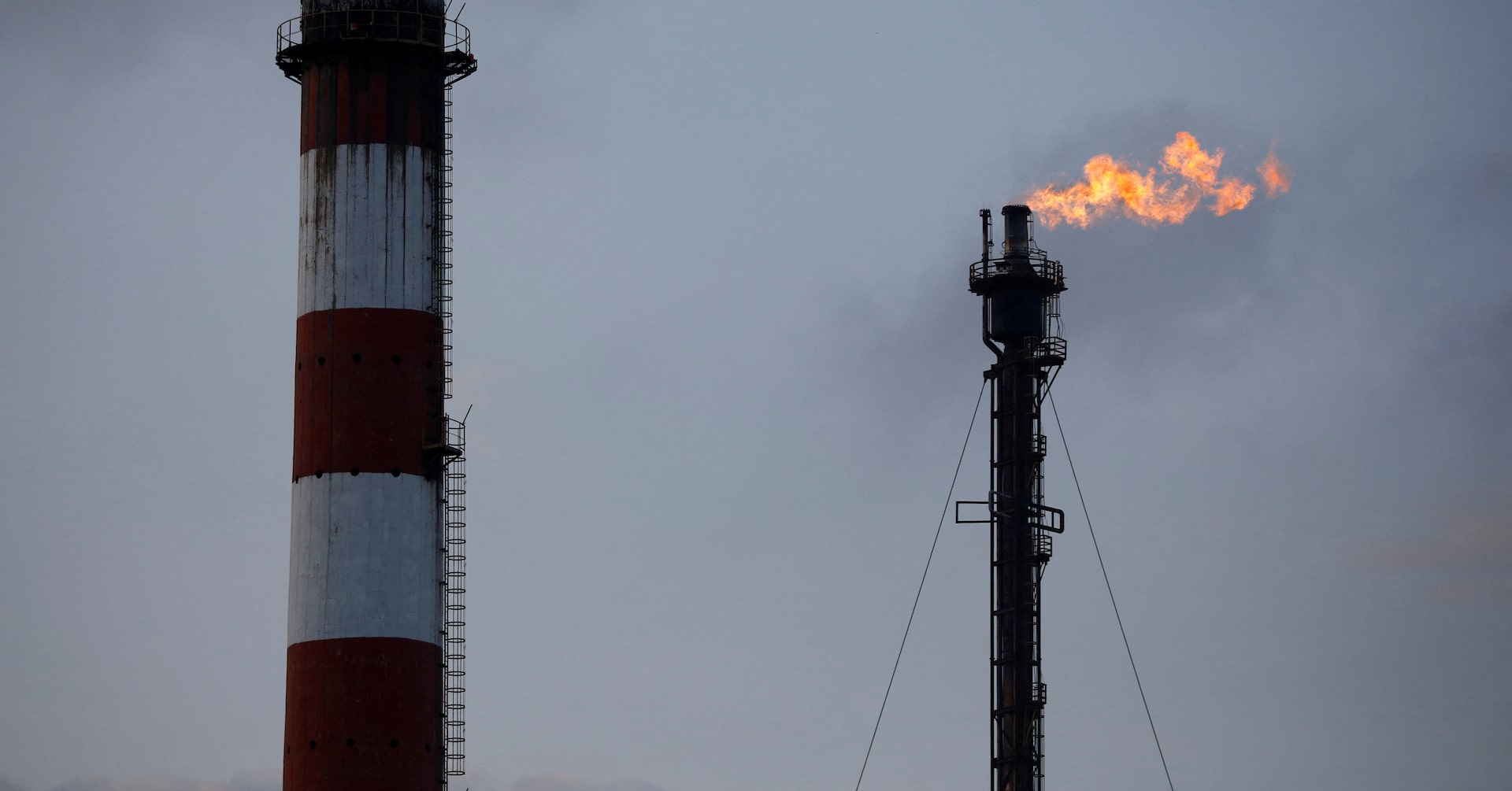
Oil Majors Brace for Market Turbulence

- Supply-Demand Crisis: The near-total closure of the Strait of Hormuz since February 28 has led to a more than 13% reduction in global oil supply and about a fifth drop in LNG flows, pushing crude prices above $100 per barrel and forcing companies to seek alternative supplies, impacting long-term market stability.
- Cautious Investment Stance: Despite BP, Chevron, and Exxon Mobil exceeding first-quarter earnings expectations, none of the five major oil companies have raised spending plans for 2026 or beyond, reflecting a boardroom shift towards capital discipline and prioritizing shareholder returns over expansion.
- Price Volatility Risk: Brent crude prices have swung violently since the war began, peaking at $118 per barrel in March before slipping back to around $100, indicating heightened uncertainty over future prices, compelling companies to ensure profitability amid volatility.
- Future Investment Outlook: While spending is expected to rise between 2026 and 2030, recent events have not prompted companies to ramp up investments; instead, they have reinforced a conservative mindset, focusing on managing price volatility rather than chasing short-term profits.
Oil Stocks Surge Amid Ongoing Conflict in Iran
- Shareholder Return History: Chevron has returned over $5 billion in capital to shareholders over the last 16 quarters, with $3.5 billion allocated to dividends, demonstrating the company's ability to consistently reward investors even in volatile markets, thereby enhancing investor confidence.
- Low Break-even Point: Chevron maintains a break-even price of $50 per barrel for Brent crude oil, thanks to investments in high-quality assets and disciplined cost management, allowing it to generate higher free cash flow in the current environment where prices are nearing $100 per barrel.
- Optimistic Market Outlook: The U.S. Energy Information Administration projects oil prices could peak at $115 per barrel in the second quarter and not fall below $90 until the fourth quarter, providing a strong tailwind for Chevron's earnings and further solidifying its position in the energy market.
- Investment in High-margin Assets: Chevron focuses on high-margin assets such as the Permian Basin and the Gulf of Mexico, successfully integrating Hess to gain a 30% stake in the Stabroek Block, ensuring future growth potential and competitive strength in the market.
Investors Shift to High Dividend Stocks Amid Market Volatility
- Increased Appeal of Dividend Stocks: In Q1 2026, nearly $22 billion flowed into dividend exchange-traded funds, marking the highest inflow since Q2 2022, indicating a trend of investors seeking relative safety amid market volatility.
- Uneven Market Performance: While the S&P 500 hit a new high on Monday, the market has been rocky this year due to factors like the Iran war, oil prices, and AI disruptions, leading to heightened demand for dividend stocks among investors.
- Analyst-Recommended Stocks: Stocks in the iShares Core High Dividend ETF have received buy or overweight ratings from over 55% of analysts, with expected price targets showing at least 15% upside, highlighting strong investment potential.
- Individual Stock Performance Analysis: For instance, AbbVie boasts a 3.4% dividend yield with 74% of analysts rating it a buy, while PNC Financial Services and PPL also show promising growth prospects with dividend yields of 3.1%, attracting investor interest.
Closure of Strait of Hormuz Impacts Global Oil Market
- Accelerated Inventory Depletion: According to TotalEnergies CEO Patrick Pouyanne, the global economy has consumed at least 500 million barrels from inventories this year, a figure that continues to rise, indicating severe challenges for the global oil market.
- Production Drop: Oil production in the Persian Gulf has plummeted by 57% since the onset of the war with Iran, with global inventories being drawn down at a rate of 10 to 13 million barrels per day, leading to tight market conditions and expectations of sustained high oil prices.
- Production Restart Challenges: Even if the Strait of Hormuz were to reopen today, it would take time to restore oil supplies from the Persian Gulf, with some wells potentially requiring up to seven months to restart, further exacerbating global inventory tightness.
- Optimistic Price Outlook: JPMorgan forecasts that Brent crude prices will remain in triple digits through the third quarter, with expectations of $80 per barrel next year, positioning oil producers to generate cash flows significantly above initial expectations, enhancing their financial flexibility.
Oil Price Fluctuations Impact Energy Stock Dividends
- Oil Price Impact: As of May 7, WTI futures fell 16.6%, yet remained around $95 per barrel, indicating that high oil prices could suppress demand during the upcoming summer travel season, creating pressure for investors.
- Attractive Energy Dividends: The Energy Select Sector SPDR ETF (XLE) has risen 39.4% year-to-date, with a dividend yield of 2.67%, more than double that of the S&P 500 index fund, highlighting the investment appeal of energy stocks.
- Antero Midstream Performance: Antero Midstream (AM) shares dropped 6.3% over the past month, but its Q1 free cash flow increased by 8%, and the company repurchased $18 million in stock, demonstrating a commitment to capital returns even in adversity.
- Chevron's Dividend Stability: Chevron (CVX) has increased its dividend for 39 consecutive years; despite a 5.3% decline in stock price due to falling oil prices, the company forecasts a capital spending and dividend breakeven below $50 per barrel, ensuring long-term shareholder returns.
Analysis of URTH ETF's 52-Week High and Low Points
- 52-Week Price Range: URTH ETF's low point is $159.23 per share, with a high of $201.10, and the last trade at $201.09 indicates stability near the high, potentially attracting investor interest.
- Technical Analysis Tool: Comparing the current share price to the 200-day moving average provides valuable insights for investors, helping to assess market trends and potential buying opportunities.
- ETF Unit Trading Mechanism: ETFs trade similarly to stocks, where investors buy and sell 'units' that can be created or destroyed based on demand, impacting liquidity and market performance.
- Inflows and Outflows Monitoring: Weekly monitoring of changes in ETF units focuses on notable inflows (new units created) or outflows (old units destroyed), as these liquidity shifts can significantly affect the performance of the underlying stocks held within the ETF.
Oil Majors Brace for Market Turbulence
- Supply-Demand Crisis: The near-total closure of the Strait of Hormuz since February 28 has led to a more than 13% reduction in global oil supply and about a fifth drop in LNG flows, pushing crude prices above $100 per barrel and forcing companies to seek alternative supplies, impacting long-term market stability.
- Cautious Investment Stance: Despite BP, Chevron, and Exxon Mobil exceeding first-quarter earnings expectations, none of the five major oil companies have raised spending plans for 2026 or beyond, reflecting a boardroom shift towards capital discipline and prioritizing shareholder returns over expansion.
- Price Volatility Risk: Brent crude prices have swung violently since the war began, peaking at $118 per barrel in March before slipping back to around $100, indicating heightened uncertainty over future prices, compelling companies to ensure profitability amid volatility.
- Future Investment Outlook: While spending is expected to rise between 2026 and 2030, recent events have not prompted companies to ramp up investments; instead, they have reinforced a conservative mindset, focusing on managing price volatility rather than chasing short-term profits.