U.S. Senate Passes Funding Bill for Homeland Security
Written by Emily J. Thompson, Senior Investment Analyst
Updated: Mar 27 2026
0mins
Source: seekingalpha
- Government Shutdown Risk Mitigated: The U.S. Senate's passage of the Homeland Security funding bill paves the way to end a prolonged partial government shutdown, although it still requires approval from the House and President Trump, marking a shift in Republican resistance to similar Democratic proposals over the past weeks.
- Airport Security Impact: The lack of funding has led to TSA workers calling in sick or resigning due to unpaid wages, resulting in long security lines at airports, particularly in major hubs like Atlanta, Houston, and New York, where wait times have extended and lines have stretched outside terminals.
- Staffing Crisis: With DHS lacking regular funding since February 14, over 480 TSA employees have quit during the funding lapse, exacerbating security check pressures at airports and negatively impacting passenger travel experiences.
- Immigration Policy Controversy: Democrats previously sought to exclude funding for Border Patrol and Immigration and Customs Enforcement from the bill, attempting to tie funding for these agencies to stricter immigration policies, highlighting deep divisions within Congress regarding immigration issues.
Trade with 70% Backtested Accuracy
Stop guessing "Should I Buy DAL?" and start using high-conviction signals backed by rigorous historical data.
Sign up today to access powerful investing tools and make smarter, data-driven decisions.
Analyst Views on DAL
Wall Street analysts forecast DAL stock price to rise
18 Analyst Rating
18 Buy
0 Hold
0 Sell
Strong Buy
Current: 79.420

Low
77.00
Averages
83.50
High
90.00
Current: 79.420
Low
77.00
Averages
83.50
High
90.00
About DAL
Delta Air Lines, Inc. provides scheduled air transportation for passengers and cargo throughout the United States and around the world. The Company has hubs and markets in Amsterdam, Atlanta, Bogota, Boston, Detroit, Lima, London-Heathrow, Los Angeles, Mexico City, Minneapolis-St. Paul, New York-JFK and LaGuardia, Paris-Charles de Gaulle, Salt Lake City, Santiago (Chile), Sao Paulo, Seattle, Seoul-Incheon, and Tokyo. Its segments include Airline and Refinery. Its airline segment is managed as a single business unit that provides scheduled air transportation for passengers and cargo throughout the United States and around the world and includes its loyalty program, as well as other ancillary businesses. Its refinery segment operates for the benefit of the airline segment by providing jet fuel to the airline segment from its own production and through jet fuel obtained through agreements with third parties. The refinery's production consists of jet fuel as well as non-jet fuel products.
About the author

Emily J. Thompson
Emily J. Thompson, a Chartered Financial Analyst (CFA) with 12 years in investment research, graduated with honors from the Wharton School. Specializing in industrial and technology stocks, she provides in-depth analysis for Intellectia’s earnings and market brief reports.

US Stocks Show Mixed Performance as Tech Stocks Rebound


- Market Performance: The S&P 500 rose by 0.3% and the Nasdaq 100 jumped 1.6%, while the Dow Jones fell by 0.2%, indicating a positive impact from the rebound in tech stocks despite ongoing geopolitical risks in the Middle East.
- Chip Industry Update: Intel secured an order for over 3 million specialized AI chips from Google, significantly boosting its stock price on Monday, highlighting the continued investment and demand for AI technology from major tech players, which may enhance Intel's market share.
- Airline Cost Pressures: Rising jet fuel prices driven by geopolitical tensions pushed U.S. passenger airlines' fuel expenses up 78% year-over-year in April to nearly $6.5 billion, indicating significant cost challenges that could impact future profitability in the industry.
- Investor Sentiment: Despite Apple's introduction of Siri AI at WWDC 2026, the lack of a clear launch timeline led to a nearly 2% drop in its stock price, reflecting cautious market sentiment towards new technology releases while indicating ongoing investor focus on tech stocks.
See More
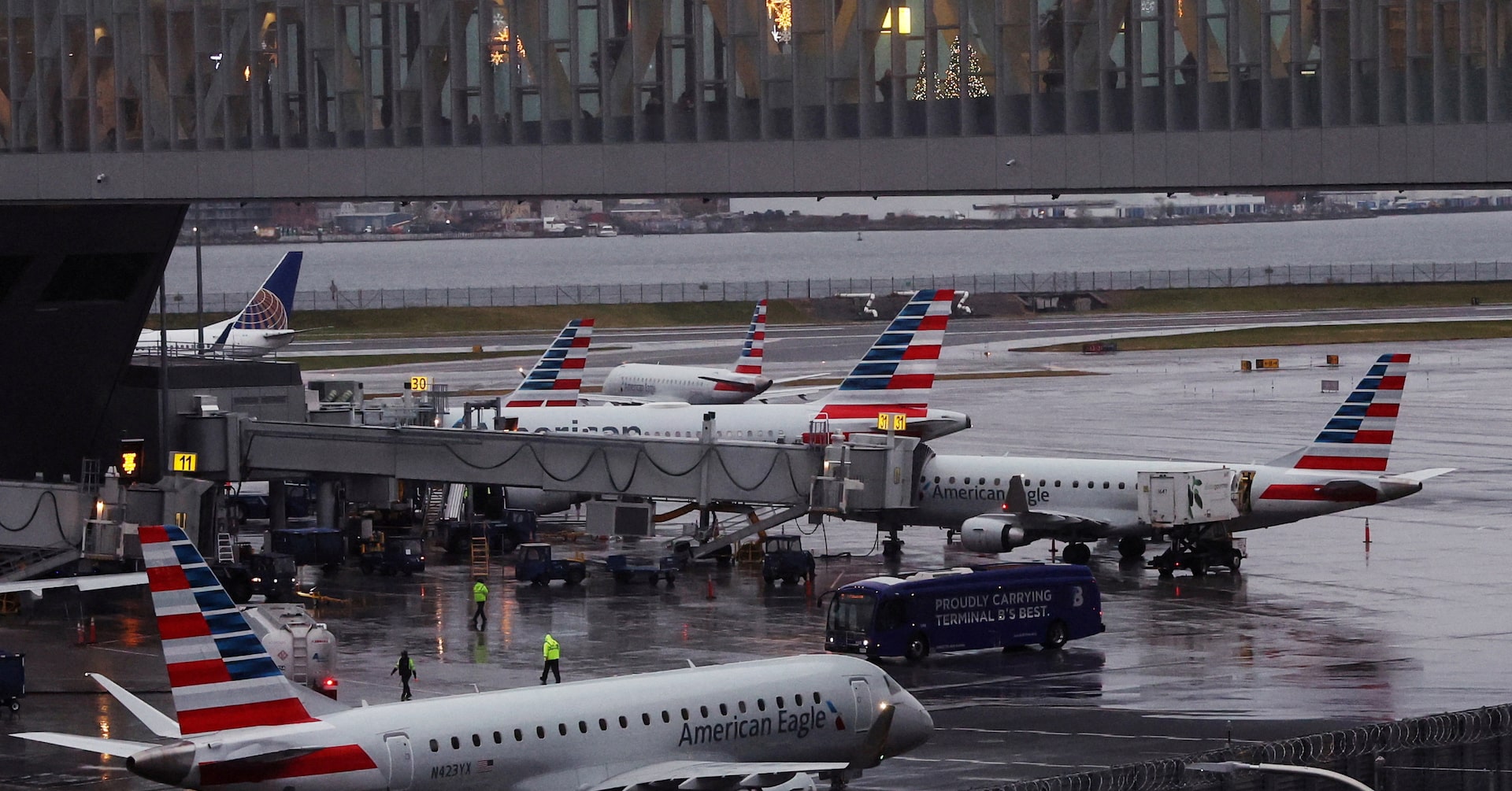
U.S. Airlines Fuel Spending Soars 78% Amid Geopolitical Tensions

- Surging Fuel Expenses: U.S. scheduled airlines' fuel spending skyrocketed 78% year-over-year to $6.47 billion in April, primarily driven by geopolitical tensions in the Middle East, indicating increasing financial pressure on the aviation industry.
- Jet Fuel Price Surge: The average cost of jet fuel reached $4.11 per gallon in April, a 29.6% increase from March and a staggering 78.2% jump from $2.31 in April 2025, which will further strain airlines' operational costs.
- Slight Consumption Decline: Despite soaring fuel expenses, U.S. carriers consumed 1.573 billion gallons of fuel in April, reflecting a 2.6% decrease from the previous month and a 0.2% drop from a year ago, indicating operational adjustments in a high-cost environment.
- Bleak Industry Outlook: The International Air Transport Association (IATA) sharply downgraded its 2026 global airline net profit forecast to $23 billion, significantly lower than the previous $41 billion estimate, highlighting the profound impact of high fuel costs and operational challenges on the industry.
See More
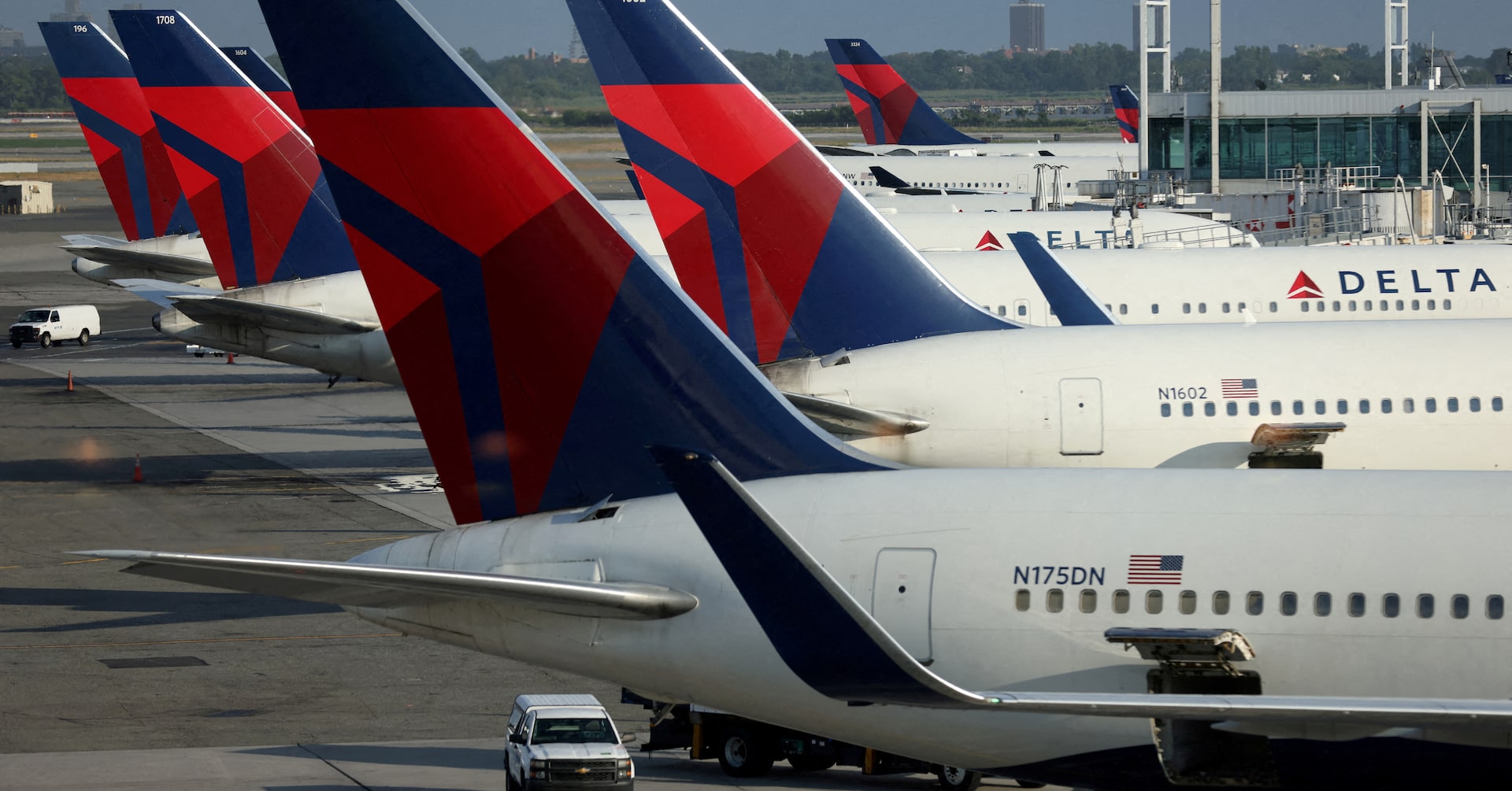
Delta Air Lines Options Trading Analysis

- Put Option Appeal: The current bid for the $77.50 put option is $9.55, and if an investor sells this option, they commit to buying the stock at $77.50, effectively lowering their cost basis to $67.95, which is approximately a 2% discount from the current price of $79.13, making it attractive for those looking to enter at a lower price.
- Return Potential Analysis: Should the put option expire worthless, it would yield a 12.32% return on the cash commitment, or 12.03% annualized, which enhances the strategy's appeal in a market with a current volatility of 43%, providing a solid risk management approach.
- Call Option Returns: The $85.00 call option has a current bid of $10.70, and if an investor buys shares at $79.13 and sells this call, they could achieve a total return of 20.94% if exercised, presenting an additional profit opportunity for investors.
- Market Risk Assessment: Given that the $85.00 strike price represents a 7% premium over the current stock price, the current data indicates a 46% chance that the call option will expire worthless, allowing investors to retain both their shares and the premium collected, thereby enhancing investment flexibility.
See More

United Airlines CEO Dismisses Merger Possibilities
- Consolidation Outlook Dim: United Airlines CEO Scott Kirby stated that despite the recent mergers of Allegiant with Sun Country and Alaska Airlines with Hawaiian Airlines, he does not foresee further consolidation in the U.S. airline industry, emphasizing that deals lacking economic sense should not be pursued.
- Rejection of JetBlue Merger: Kirby has repeatedly dismissed the idea of merging with partner JetBlue Airways, although he previously floated the possibility of a merger with American Airlines during the Trump administration; however, the lack of support from American's management has hindered any potential deal.
- Impact of Market Maturity: Kirby pointed out that the U.S. domestic air travel market is mature, suggesting that future growth will primarily come from international travel, which may influence United Airlines' market positioning and competitive strategy moving forward.
- Trend Towards Collaboration: Delta Air Lines President Peter Carter echoed similar sentiments, stating that Delta does not foresee mergers or acquisitions in its future, instead focusing on partnerships and joint ventures, indicating a cautious approach within the airline industry regarding consolidation.
See More

Global Economic and Stock Market Dynamics


- Middle East Tensions: Trump urged Iran and Israel to cease hostilities immediately after strikes resumed, jeopardizing the fragile ceasefire established in April, which could destabilize global markets.
- Wall Street Sell-off: The Nasdaq Composite plummeted over 4% on Friday, marking its worst day since April 2025, driven by collapsing chip stocks and surging Treasury yields, leading the S&P 500 to end its nine-week winning streak.
- Aviation Industry Competition: Delta's new president, Peter Carter, aims to challenge United Airlines' dominance in trans-Pacific flights, with Delta reporting a $2.79 billion net profit last year, significantly trailing United's $6.89 billion.
- Coffee Market Disruption: Italian coffee giant Lavazza is launching its espresso tablets in the U.S., potentially threatening Keurig Dr Pepper's market leadership in single-serve coffee, despite Lavazza's North American revenue growing nearly 27% last year, indicating a long road ahead to catch up.
See More

Global Economic and Market Dynamics
- Middle East Tensions: The conflict between Israel and Iran escalates as Trump calls for an immediate ceasefire, which could jeopardize the fragile ceasefire established in April, further destabilizing the region and impacting global market sentiment.
- Market Volatility: On Friday, the Nasdaq Composite plummeted over 4%, marking its largest single-day drop since April 2025, primarily driven by a collapse in chip stocks and surging Treasury yields, indicating a sharp shift in market sentiment.
- Aviation Industry Competition: Delta Air Lines' new president, Peter Carter, aims to challenge United Airlines' dominance in trans-Pacific routes, with Delta reporting a net profit of $2.79 billion last year, still trailing United's $6.89 billion, highlighting intense market competition.
- Coffee Market Challenge: Italian coffee giant Lavazza launches its espresso tablets in the U.S., with North American revenue rising nearly 27% last year, yet it still faces significant challenges in catching up to Keurig's market leadership, potentially disrupting the single-serve coffee segment.
See More
US Stocks Show Mixed Performance as Tech Stocks Rebound
- Market Performance: The S&P 500 rose by 0.3% and the Nasdaq 100 jumped 1.6%, while the Dow Jones fell by 0.2%, indicating a positive impact from the rebound in tech stocks despite ongoing geopolitical risks in the Middle East.
- Chip Industry Update: Intel secured an order for over 3 million specialized AI chips from Google, significantly boosting its stock price on Monday, highlighting the continued investment and demand for AI technology from major tech players, which may enhance Intel's market share.
- Airline Cost Pressures: Rising jet fuel prices driven by geopolitical tensions pushed U.S. passenger airlines' fuel expenses up 78% year-over-year in April to nearly $6.5 billion, indicating significant cost challenges that could impact future profitability in the industry.
- Investor Sentiment: Despite Apple's introduction of Siri AI at WWDC 2026, the lack of a clear launch timeline led to a nearly 2% drop in its stock price, reflecting cautious market sentiment towards new technology releases while indicating ongoing investor focus on tech stocks.
See More
U.S. Airlines Fuel Spending Soars 78% Amid Geopolitical Tensions
- Surging Fuel Expenses: U.S. scheduled airlines' fuel spending skyrocketed 78% year-over-year to $6.47 billion in April, primarily driven by geopolitical tensions in the Middle East, indicating increasing financial pressure on the aviation industry.
- Jet Fuel Price Surge: The average cost of jet fuel reached $4.11 per gallon in April, a 29.6% increase from March and a staggering 78.2% jump from $2.31 in April 2025, which will further strain airlines' operational costs.
- Slight Consumption Decline: Despite soaring fuel expenses, U.S. carriers consumed 1.573 billion gallons of fuel in April, reflecting a 2.6% decrease from the previous month and a 0.2% drop from a year ago, indicating operational adjustments in a high-cost environment.
- Bleak Industry Outlook: The International Air Transport Association (IATA) sharply downgraded its 2026 global airline net profit forecast to $23 billion, significantly lower than the previous $41 billion estimate, highlighting the profound impact of high fuel costs and operational challenges on the industry.
See More
Delta Air Lines Options Trading Analysis
- Put Option Appeal: The current bid for the $77.50 put option is $9.55, and if an investor sells this option, they commit to buying the stock at $77.50, effectively lowering their cost basis to $67.95, which is approximately a 2% discount from the current price of $79.13, making it attractive for those looking to enter at a lower price.
- Return Potential Analysis: Should the put option expire worthless, it would yield a 12.32% return on the cash commitment, or 12.03% annualized, which enhances the strategy's appeal in a market with a current volatility of 43%, providing a solid risk management approach.
- Call Option Returns: The $85.00 call option has a current bid of $10.70, and if an investor buys shares at $79.13 and sells this call, they could achieve a total return of 20.94% if exercised, presenting an additional profit opportunity for investors.
- Market Risk Assessment: Given that the $85.00 strike price represents a 7% premium over the current stock price, the current data indicates a 46% chance that the call option will expire worthless, allowing investors to retain both their shares and the premium collected, thereby enhancing investment flexibility.
See More
United Airlines CEO Dismisses Merger Possibilities
- Consolidation Outlook Dim: United Airlines CEO Scott Kirby stated that despite the recent mergers of Allegiant with Sun Country and Alaska Airlines with Hawaiian Airlines, he does not foresee further consolidation in the U.S. airline industry, emphasizing that deals lacking economic sense should not be pursued.
- Rejection of JetBlue Merger: Kirby has repeatedly dismissed the idea of merging with partner JetBlue Airways, although he previously floated the possibility of a merger with American Airlines during the Trump administration; however, the lack of support from American's management has hindered any potential deal.
- Impact of Market Maturity: Kirby pointed out that the U.S. domestic air travel market is mature, suggesting that future growth will primarily come from international travel, which may influence United Airlines' market positioning and competitive strategy moving forward.
- Trend Towards Collaboration: Delta Air Lines President Peter Carter echoed similar sentiments, stating that Delta does not foresee mergers or acquisitions in its future, instead focusing on partnerships and joint ventures, indicating a cautious approach within the airline industry regarding consolidation.
See More
Global Economic and Stock Market Dynamics
- Middle East Tensions: Trump urged Iran and Israel to cease hostilities immediately after strikes resumed, jeopardizing the fragile ceasefire established in April, which could destabilize global markets.
- Wall Street Sell-off: The Nasdaq Composite plummeted over 4% on Friday, marking its worst day since April 2025, driven by collapsing chip stocks and surging Treasury yields, leading the S&P 500 to end its nine-week winning streak.
- Aviation Industry Competition: Delta's new president, Peter Carter, aims to challenge United Airlines' dominance in trans-Pacific flights, with Delta reporting a $2.79 billion net profit last year, significantly trailing United's $6.89 billion.
- Coffee Market Disruption: Italian coffee giant Lavazza is launching its espresso tablets in the U.S., potentially threatening Keurig Dr Pepper's market leadership in single-serve coffee, despite Lavazza's North American revenue growing nearly 27% last year, indicating a long road ahead to catch up.
See More
Global Economic and Market Dynamics
- Middle East Tensions: The conflict between Israel and Iran escalates as Trump calls for an immediate ceasefire, which could jeopardize the fragile ceasefire established in April, further destabilizing the region and impacting global market sentiment.
- Market Volatility: On Friday, the Nasdaq Composite plummeted over 4%, marking its largest single-day drop since April 2025, primarily driven by a collapse in chip stocks and surging Treasury yields, indicating a sharp shift in market sentiment.
- Aviation Industry Competition: Delta Air Lines' new president, Peter Carter, aims to challenge United Airlines' dominance in trans-Pacific routes, with Delta reporting a net profit of $2.79 billion last year, still trailing United's $6.89 billion, highlighting intense market competition.
- Coffee Market Challenge: Italian coffee giant Lavazza launches its espresso tablets in the U.S., with North American revenue rising nearly 27% last year, yet it still faces significant challenges in catching up to Keurig's market leadership, potentially disrupting the single-serve coffee segment.
See More