U.S. Navy to Escort Vessels Through Strait of Hormuz
Written by Emily J. Thompson, Senior Investment Analyst
Updated: Mar 12 2026
0mins

Source: CNBC
- Escort Plan Initiation: Treasury Secretary Scott Bessent announced that the U.S. Navy will begin escorting vessels through the Strait of Hormuz as soon as militarily feasible, highlighting the U.S. commitment to ensuring the safe passage of oil tankers, which could influence global oil price trends.
- Oil Price Volatility: The closure of the Strait due to the U.S.-Israel conflict with Iran has led to a spike in crude oil prices, and Bessent's comments may alleviate market concerns about further price increases, thereby boosting investor confidence.
- International Cooperation Outlook: Bessent mentioned the potential for collaboration with an international coalition for escorting vessels, a strategic move that not only enhances U.S. influence in the Middle East but may also encourage other nations to participate in securing global energy transportation.
- Air Control Advantage: Bessent emphasized the U.S. air superiority in the region, noting that the Iranian Navy has been significantly weakened, which provides favorable conditions for U.S. Navy escorts to ensure the safe passage of tankers through the Strait of Hormuz.
Trade with 70% Backtested Accuracy
Stop guessing "Should I Buy CVX?" and start using high-conviction signals backed by rigorous historical data.
Sign up today to access powerful investing tools and make smarter, data-driven decisions.
Analyst Views on CVX
Wall Street analysts forecast CVX stock price to fall
19 Analyst Rating
15 Buy
4 Hold
0 Sell
Strong Buy
Current: 197.410

Low
158.00
Averages
176.95
High
206.00
Current: 197.410
Low
158.00
Averages
176.95
High
206.00
About CVX
Chevron Corporation is an integrated energy company. The Company produces crude oil and natural gas; manufactures transportation fuels, lubricants, petrochemicals and additives; and develops technologies that enhance its business and industry. The Company’s segments include Upstream and Downstream. Upstream operations consist primarily of exploring for, developing, producing and transporting crude oil and natural gas; liquefaction, transportation and regasification associated with LNG; transporting crude oil by major international oil export pipelines; processing, transporting, storage and marketing of natural gas; carbon capture and storage; and a gas-to-liquids plant. Downstream operations consist primarily of the refining of crude oil into petroleum products; marketing crude oil, refined products, and lubricants; manufacturing and marketing of renewable fuels, and transporting of crude oil and refined products by pipeline, marine vessel, motor equipment and rail car.
About the author

Emily J. Thompson
Emily J. Thompson, a Chartered Financial Analyst (CFA) with 12 years in investment research, graduated with honors from the Wharton School. Specializing in industrial and technology stocks, she provides in-depth analysis for Intellectia’s earnings and market brief reports.
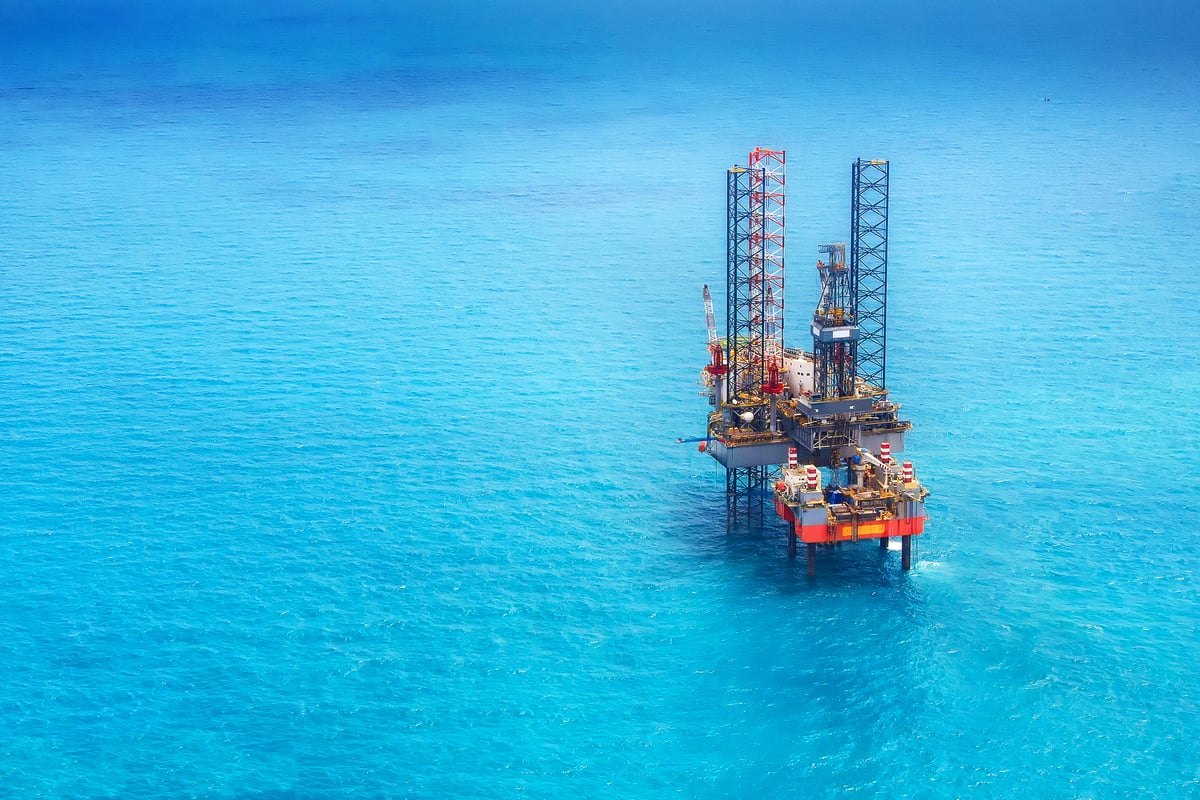
Chevron Benefits from Soaring Oil Prices Amid Middle East Crisis

- Oil Price Surge Context: Brent and West Texas Intermediate crude oil prices are nearing their highest levels in a decade, primarily due to the conflict between the U.S./Israeli alliance and Iran, which has led to skyrocketing oil prices, making Chevron, the world's third-largest energy company, a significant beneficiary of this crisis due to its close correlation with oil prices.
- Strong Profitability: Despite oil prices exceeding $100 per barrel, Chevron maintains high profitability with a breakeven level below $50 per barrel, demonstrating flexibility in capital expenditures and dividend payments, having recently increased its dividend for the 39th consecutive year.
- Cost Control and Growth Outlook: Chevron achieved $1.5 billion in cost reductions in 2025 and plans to lower capital expenditures for 2026, while also expecting to cut costs by another $3 billion to $4 billion this year, driving an anticipated average annual earnings-per-share growth of at least 10%, indicating robust earnings growth potential.
- Market Leadership Position: Chevron ranks as the leading natural gas producer in the U.S. and holds a dominant position in the Gulf of Mexico, with significant oil production potential in Guyana due to the acquisition of Hess, and is poised to capitalize on newly opened opportunities in Venezuela, further solidifying its market position.
See More
Iran War Drives Oil Prices Up, Chevron's Outlook Bullish
- Oil Price Surge: The war in Iran has caused Brent crude prices to soar over 75% this year, recently surpassing $100 a barrel, and if the conflict persists, prices could rise further, positively impacting oil companies like Chevron.
- Chevron's Stock Lag: Although Chevron's stock has risen about 40% this year, it has not kept pace with crude oil prices due to market expectations of an end to the war and falling oil prices, leading to cautious investor sentiment regarding its future performance.
- Capital Spending Strategy Shift: Chevron has set its 2026 capital spending budget at $18 to $19 billion, focusing on high-return opportunities, and if the war escalates and damages more energy infrastructure, it is expected to increase investments in U.S. shale to quickly address global supply shortages.
- Future Cash Flow Expectations: Chevron anticipates generating an additional $12.5 billion in free cash flow this year at $70 oil, driven by expansion projects and cost-saving initiatives, which will further enhance its financial performance and market competitiveness if high oil prices persist.
See More

Private Jet Travel Faces Challenges Amid Soaring Fuel Prices

- Fuel Price Surge Impact: The Iran war has driven jet fuel prices to an average of $4.65 per gallon globally, significantly increasing private flight costs, with Vimana recently booking a $520,000 flight from Dubai to London, up from $400,000 in 2023, reflecting a 30% increase.
- Rising Flight Prices: Since the onset of the Iran conflict, jet charter prices have surged by an average of 5% to 15%, with some flights experiencing increases of up to 20%, leading affluent travelers to face unexpected fees, although they are generally less sensitive to price fluctuations.
- Steady Market Demand: Despite soaring fuel prices, the private flying market remains robust, with WingX reporting a 5% year-over-year increase in flights for the week ending March 22, and Flexjet noting a 15% rise in utilization among fractional owners, indicating sustained demand from high-net-worth clients.
- Airlines' Response Strategies: Some operators are mitigating costs by refueling in countries with cheaper fuel, even if it results in longer flight times; however, clients continue to prefer private flights to avoid long airport lines, especially during disruptions caused by government shutdowns.
See More

Energy Stocks Remain Attractive Amid Geopolitical Turmoil

- Chevron's Resilience: Even if oil prices drop below $50 per barrel, Chevron's low-cost structure allows it to maintain dividend payments and meet capital expenditure needs, demonstrating its resilience and attractiveness in uncertain markets.
- Growing Natural Gas Demand: As the largest U.S. natural gas producer, Chevron is well-positioned to benefit from strong demand for natural gas and natural gas liquids from data centers, further solidifying its market position.
- Enterprise Products Partners' Strength: Enterprise Products Partners' pipelines and terminals are critical to U.S. NGL exports, and its approximately 5.9% distribution yield along with 27 consecutive years of distribution growth make it particularly robust amid market turmoil.
- Inflation Resistance: With around 90% of its long-term contracts featuring escalation provisions, Enterprise Products Partners maintains stable cash flow despite oil and gas price volatility and inflationary pressures, showcasing its strong financial health.
See More
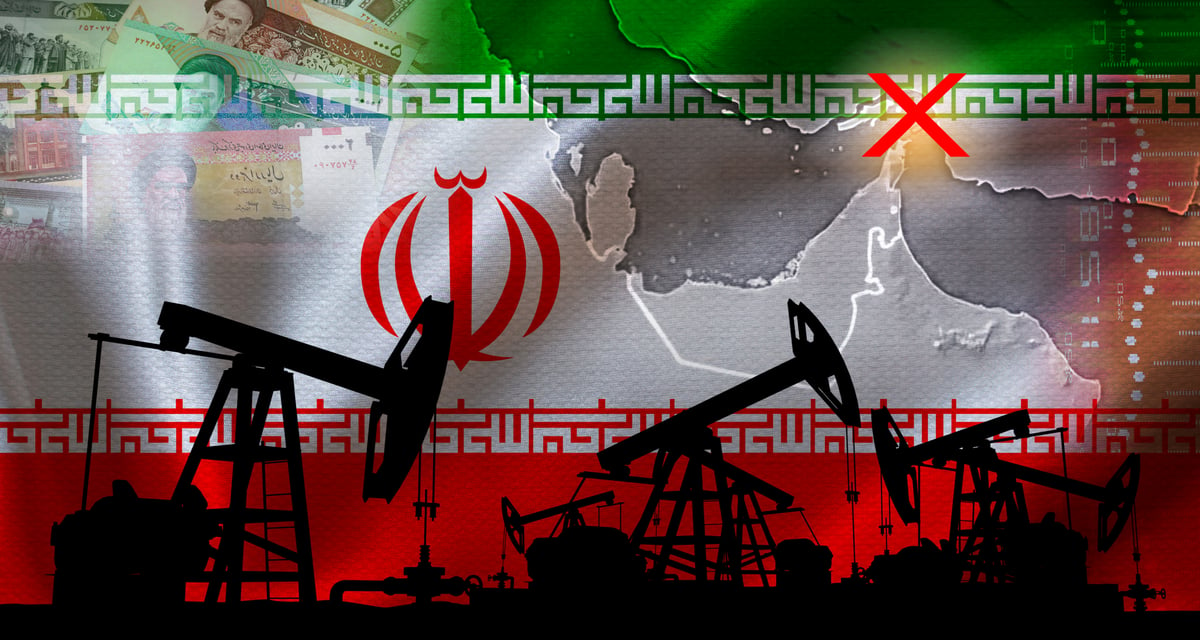
Investment Opportunities in Energy Amid Geopolitical Turmoil
- Chevron's Market Advantage: Chevron (CVX) has emerged as a winner in the energy sector in 2026, benefiting from soaring oil prices, and its stock is likely to rise further amid ongoing conflicts in the Strait of Hormuz, while still maintaining dividends and capital expenditures even if oil drops below $50.
- Growing Natural Gas Demand: As the largest U.S. natural gas producer, Chevron is well-positioned to capitalize on strong demand for natural gas and NGLs from data centers, projecting double-digit average annual earnings-per-share growth, complemented by a 3.6% dividend yield, providing attractive total returns.
- Enterprise Products Partners' Critical Role: Enterprise Products Partners (EPD) plays a crucial role in U.S. NGL exports, with its distribution network gaining importance due to the Middle East crisis, and both domestic and international demand for NGLs and petrochemicals expected to grow in the coming years.
- Stable Dividends and Inflation Resistance: Enterprise Products Partners has increased its distribution for 27 consecutive years, boasting a distribution yield of approximately 5.9%, and its fee-based business model insulates it from oil and gas price volatility, with 90% of long-term contracts featuring escalation provisions, showcasing strong financial resilience.
See More

Iran and Oman Protocol Raises Market Hopes for Strait of Hormuz
- Oil Price Surge: Oil prices surged significantly as Iran and Oman drafted a protocol for monitoring the Strait of Hormuz, with U.S. crude futures jumping nearly 12% to $112.06 per barrel, indicating market optimism about potential supply recovery.
- Brent Crude Spot Price: The spot price for Brent crude soared to $141.36 on Thursday, the highest level since the 2008 financial crisis, reflecting market sensitivity to geopolitical risks and concerns over future supply.
- Asia-Pacific Market Reaction: While the Australian and Hong Kong markets were closed for the Easter holiday, Japan's Nikkei 225 futures rose to 53,285 in Chicago, demonstrating investor optimism about market prospects.
- U.S. Market Volatility: U.S. major indexes experienced volatility amid rising oil prices, with the Dow Jones Industrial Average declining by 61.07 points, yet the S&P 500 managed a slight increase of 0.11%, showcasing the market's adaptability to oil price fluctuations.
See More
Chevron Benefits from Soaring Oil Prices Amid Middle East Crisis
- Oil Price Surge Context: Brent and West Texas Intermediate crude oil prices are nearing their highest levels in a decade, primarily due to the conflict between the U.S./Israeli alliance and Iran, which has led to skyrocketing oil prices, making Chevron, the world's third-largest energy company, a significant beneficiary of this crisis due to its close correlation with oil prices.
- Strong Profitability: Despite oil prices exceeding $100 per barrel, Chevron maintains high profitability with a breakeven level below $50 per barrel, demonstrating flexibility in capital expenditures and dividend payments, having recently increased its dividend for the 39th consecutive year.
- Cost Control and Growth Outlook: Chevron achieved $1.5 billion in cost reductions in 2025 and plans to lower capital expenditures for 2026, while also expecting to cut costs by another $3 billion to $4 billion this year, driving an anticipated average annual earnings-per-share growth of at least 10%, indicating robust earnings growth potential.
- Market Leadership Position: Chevron ranks as the leading natural gas producer in the U.S. and holds a dominant position in the Gulf of Mexico, with significant oil production potential in Guyana due to the acquisition of Hess, and is poised to capitalize on newly opened opportunities in Venezuela, further solidifying its market position.
See More
Iran War Drives Oil Prices Up, Chevron's Outlook Bullish
- Oil Price Surge: The war in Iran has caused Brent crude prices to soar over 75% this year, recently surpassing $100 a barrel, and if the conflict persists, prices could rise further, positively impacting oil companies like Chevron.
- Chevron's Stock Lag: Although Chevron's stock has risen about 40% this year, it has not kept pace with crude oil prices due to market expectations of an end to the war and falling oil prices, leading to cautious investor sentiment regarding its future performance.
- Capital Spending Strategy Shift: Chevron has set its 2026 capital spending budget at $18 to $19 billion, focusing on high-return opportunities, and if the war escalates and damages more energy infrastructure, it is expected to increase investments in U.S. shale to quickly address global supply shortages.
- Future Cash Flow Expectations: Chevron anticipates generating an additional $12.5 billion in free cash flow this year at $70 oil, driven by expansion projects and cost-saving initiatives, which will further enhance its financial performance and market competitiveness if high oil prices persist.
See More
Private Jet Travel Faces Challenges Amid Soaring Fuel Prices
- Fuel Price Surge Impact: The Iran war has driven jet fuel prices to an average of $4.65 per gallon globally, significantly increasing private flight costs, with Vimana recently booking a $520,000 flight from Dubai to London, up from $400,000 in 2023, reflecting a 30% increase.
- Rising Flight Prices: Since the onset of the Iran conflict, jet charter prices have surged by an average of 5% to 15%, with some flights experiencing increases of up to 20%, leading affluent travelers to face unexpected fees, although they are generally less sensitive to price fluctuations.
- Steady Market Demand: Despite soaring fuel prices, the private flying market remains robust, with WingX reporting a 5% year-over-year increase in flights for the week ending March 22, and Flexjet noting a 15% rise in utilization among fractional owners, indicating sustained demand from high-net-worth clients.
- Airlines' Response Strategies: Some operators are mitigating costs by refueling in countries with cheaper fuel, even if it results in longer flight times; however, clients continue to prefer private flights to avoid long airport lines, especially during disruptions caused by government shutdowns.
See More
Energy Stocks Remain Attractive Amid Geopolitical Turmoil
- Chevron's Resilience: Even if oil prices drop below $50 per barrel, Chevron's low-cost structure allows it to maintain dividend payments and meet capital expenditure needs, demonstrating its resilience and attractiveness in uncertain markets.
- Growing Natural Gas Demand: As the largest U.S. natural gas producer, Chevron is well-positioned to benefit from strong demand for natural gas and natural gas liquids from data centers, further solidifying its market position.
- Enterprise Products Partners' Strength: Enterprise Products Partners' pipelines and terminals are critical to U.S. NGL exports, and its approximately 5.9% distribution yield along with 27 consecutive years of distribution growth make it particularly robust amid market turmoil.
- Inflation Resistance: With around 90% of its long-term contracts featuring escalation provisions, Enterprise Products Partners maintains stable cash flow despite oil and gas price volatility and inflationary pressures, showcasing its strong financial health.
See More
Investment Opportunities in Energy Amid Geopolitical Turmoil
- Chevron's Market Advantage: Chevron (CVX) has emerged as a winner in the energy sector in 2026, benefiting from soaring oil prices, and its stock is likely to rise further amid ongoing conflicts in the Strait of Hormuz, while still maintaining dividends and capital expenditures even if oil drops below $50.
- Growing Natural Gas Demand: As the largest U.S. natural gas producer, Chevron is well-positioned to capitalize on strong demand for natural gas and NGLs from data centers, projecting double-digit average annual earnings-per-share growth, complemented by a 3.6% dividend yield, providing attractive total returns.
- Enterprise Products Partners' Critical Role: Enterprise Products Partners (EPD) plays a crucial role in U.S. NGL exports, with its distribution network gaining importance due to the Middle East crisis, and both domestic and international demand for NGLs and petrochemicals expected to grow in the coming years.
- Stable Dividends and Inflation Resistance: Enterprise Products Partners has increased its distribution for 27 consecutive years, boasting a distribution yield of approximately 5.9%, and its fee-based business model insulates it from oil and gas price volatility, with 90% of long-term contracts featuring escalation provisions, showcasing strong financial resilience.
See More
Iran and Oman Protocol Raises Market Hopes for Strait of Hormuz
- Oil Price Surge: Oil prices surged significantly as Iran and Oman drafted a protocol for monitoring the Strait of Hormuz, with U.S. crude futures jumping nearly 12% to $112.06 per barrel, indicating market optimism about potential supply recovery.
- Brent Crude Spot Price: The spot price for Brent crude soared to $141.36 on Thursday, the highest level since the 2008 financial crisis, reflecting market sensitivity to geopolitical risks and concerns over future supply.
- Asia-Pacific Market Reaction: While the Australian and Hong Kong markets were closed for the Easter holiday, Japan's Nikkei 225 futures rose to 53,285 in Chicago, demonstrating investor optimism about market prospects.
- U.S. Market Volatility: U.S. major indexes experienced volatility amid rising oil prices, with the Dow Jones Industrial Average declining by 61.07 points, yet the S&P 500 managed a slight increase of 0.11%, showcasing the market's adaptability to oil price fluctuations.
See More