U.S. Markets Decline Amid Rising Tensions with Iran
Written by Emily J. Thompson, Senior Investment Analyst
Updated: Feb 20 2026
0mins

Source: CNBC
- Market Volatility: U.S. markets experienced volatility on Thursday due to escalating tensions with Iran, with the S&P 500 down 0.28%, the Dow Jones Industrial Average down 0.54%, and the Nasdaq Composite down 0.31%, indicating investor concerns over geopolitical risks.
- Rising Oil Prices: Oil prices surged nearly 2% in U.S. trading amid fears that military action could disrupt oil supplies from Iran, reflecting market anxiety over energy security and potentially leading to increased costs for related industries, impacting the broader economy.
- Blue Owl Capital Liquidity Tightening: Blue Owl Capital's sale of $1.4 billion in loan assets resulted in a nearly 6% drop in its stock, raising alarms about the stability of the private credit market, which could undermine investor confidence and exacerbate market volatility.
- Japan's Inflation Data: Japan's headline inflation rate fell to 1.5% in January, the lowest since March 2022, with core inflation easing to 2%, which may influence the Bank of Japan's monetary policy decisions and subsequently affect global market liquidity.
Trade with 70% Backtested Accuracy
Stop guessing "Should I Buy BX?" and start using high-conviction signals backed by rigorous historical data.
Sign up today to access powerful investing tools and make smarter, data-driven decisions.
Analyst Views on BX
Wall Street analysts forecast BX stock price to rise
12 Analyst Rating
5 Buy
7 Hold
0 Sell
Moderate Buy
Current: 114.330

Low
166.00
Averages
176.60
High
205.00
Current: 114.330
Low
166.00
Averages
176.60
High
205.00
About BX
Blackstone Inc. is an alternative asset manager. Its asset management includes global investment strategies focused on real estate, private equity, infrastructure, life sciences, growth equity, credit, real assets, secondaries, and hedge funds. Its Real Estate segment comprises its management of opportunistic real estate funds, Core+ real estate funds, and real estate debt strategies. Its Private Equity segment includes its management of flagship Corporate Private Equity funds, sector and geographically focused Corporate Private Equity funds, core private equity funds, an investment platform, and others. Its Credit & Insurance segment consists of Blackstone Credit & Insurance, which is organized into three overarching strategies: private corporate credit, liquid corporate credit and infrastructure and asset-based credit. Its Multi-Asset Investing segment is organized into four investment platforms: Absolute Return, Multi-Strategy, Total Portfolio Management, and Public Real Assets.
About the author

Emily J. Thompson
Emily J. Thompson, a Chartered Financial Analyst (CFA) with 12 years in investment research, graduated with honors from the Wharton School. Specializing in industrial and technology stocks, she provides in-depth analysis for Intellectia’s earnings and market brief reports.

Blue Owl Capital Shares Drop Amid Redemption Limits Announcement


- Redemption Limit Announcement: Blue Owl Credit Income Corp. informed shareholders that redemptions in its private credit and technology-focused funds will be capped at 5%, following withdrawal requests totaling 21.9% and 40.7%, respectively.
- Stock Price Reaction: Shares of Blue Owl Capital fell 7%, or 59 cents, to $8.13 in morning trading, indicating a negative market response and concerns over liquidity risks associated with the redemption limits.
- Industry Impact: Other alternative asset management stocks, including Ares Management, KKR, Apollo Global, and Blackstone, also experienced declines, reflecting a broader loss of confidence in the sector following Blue Owl's announcement.
- Market Sentiment: This situation has raised investor concerns regarding the liquidity status of Blue Owl Capital and its funds, potentially leading to a decrease in investor trust and adversely affecting its market performance.
See More

Blue Owl Capital Limits Fund Withdrawals Amid Market Concerns

- Redemption Restrictions: Blue Owl Capital has announced a 5% cap on redemptions for two of its funds due to a surge in withdrawal requests, reflecting growing market concerns about private credit risks that could further erode investor confidence.
- Surge in Trading Volume: The company's stock trading volume reached 62.4 million shares, exceeding the three-month average by 116%, indicating heightened market attention on Blue Owl's current situation, which may impact its future liquidity and market performance.
- Stock Price Decline: Blue Owl's stock closed at $8.57, down 1.61% from the previous day, marking a 20% decline since its IPO in 2020, suggesting a lack of market confidence in its long-term prospects, which could affect its ability to raise capital.
- Industry Impact: The redemption restrictions by Blue Owl align with similar moves from private credit firms like Apollo Global Management and Ares Management, highlighting the pressure faced by the entire sector, prompting investors to monitor for potential further restrictions and their broader implications for the financial markets.
See More
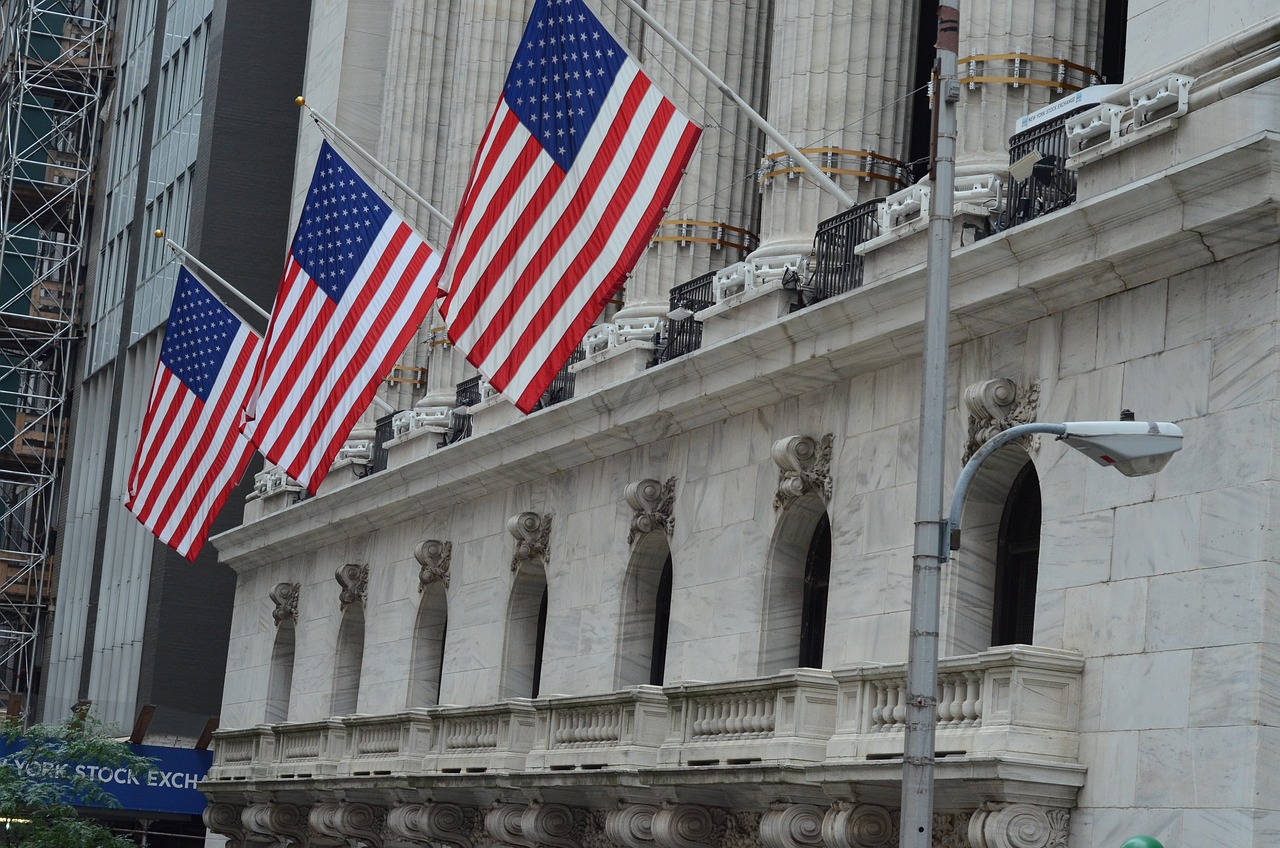
US Stocks Close Mixed Amid Oil Surge and Economic Data

- Market Fluctuations: The S&P 500 Index closed up 0.11%, while the Dow Jones Industrial Average fell 0.13%, and the Nasdaq 100 Index rose 0.11%, reflecting volatility influenced by surging oil prices and economic data.
- Positive Economic Data: Weekly initial unemployment claims unexpectedly fell by 9,000 to 202,000, indicating a stronger labor market than the anticipated increase to 212,000, which could impact the Fed's interest rate policy.
- Impact of Oil Surge: Crude oil prices soared over 11% due to President Trump's tougher stance on Iran, leading to sharp declines in airline and cruise line stocks, with United Airlines and Carnival both down more than 3%.
- Corporate Developments: SBA Communications surged over 18% as it explores potential acquisition options, while Globalstar rose over 13% amid reports of Amazon's interest in acquiring the company, highlighting market focus on M&A activity.
See More

Blue Owl Capital Limits Fund Withdrawals Amid Market Concerns
- Withdrawal Restrictions: Blue Owl Capital has announced a 5% cap on redemptions for two of its funds due to a surge in withdrawal requests, reflecting market concerns about private credit risks that could undermine investor confidence.
- Stock Price Decline: The stock closed at $8.57 on Thursday, down 1.61%, marking a 20% decline since its IPO in 2020, indicating a cautious market outlook on its future performance.
- Surge in Trading Volume: Trading volume reached 62.4 million shares, which is 116% above the three-month average of 28.9 million shares, suggesting heightened market interest in Blue Owl Capital, likely linked to the news of withdrawal restrictions.
- Industry Impact: Blue Owl's actions align with similar moves from private credit peers like Apollo Global Management and Ares Management, highlighting the pressures faced by the entire sector, prompting investors to watch for potential further restrictions.
See More
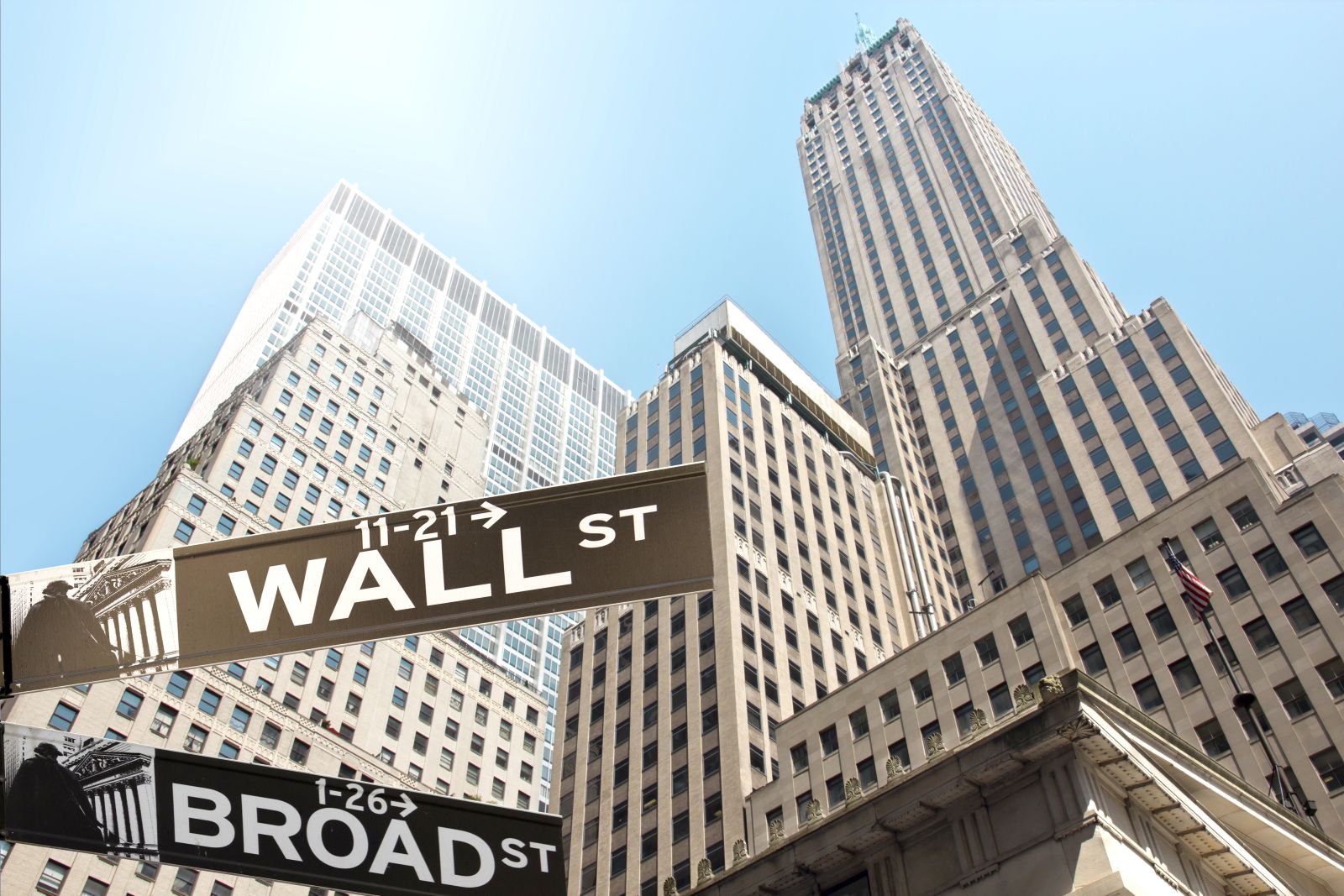
US Stocks Plummet as Oil Prices Surge
- Oil Price Surge: Crude oil prices soared over 13% as President Trump took a tougher stance on Iran, reaching a 3.5-week high, which not only heightened inflation fears but also pushed bond yields higher, with the 10-year T-note yield rising by 2 basis points to 4.34%.
- Unemployment Claims Drop: Weekly initial unemployment claims unexpectedly fell by 9,000 to 202,000, indicating a stronger labor market than the anticipated increase to 212,000, which could provide support for the stock market amid rising inflation concerns.
- Global Market Decline: Overseas stock markets are lower, with the Euro Stoxx 50 down 2.25%, China's Shanghai Composite down 0.74%, and Japan's Nikkei 225 sharply falling 2.38% from a two-week high, reflecting global economic uncertainty and investor caution.
- Airline Stocks Plummet: Airline stocks are sharply lower as crude oil prices surged over 10%, raising fuel costs; United Airlines and American Airlines Group both fell more than 6%, highlighting the direct impact of rising oil prices on airline profitability.
See More
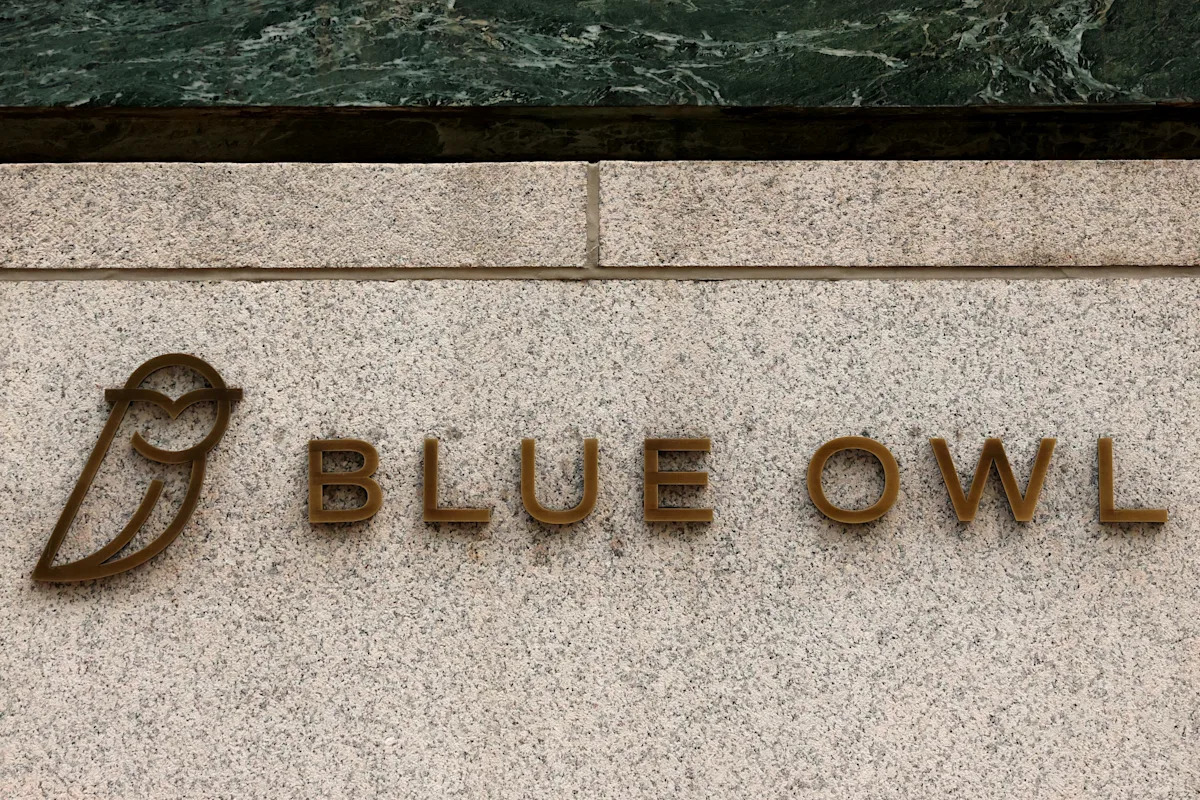
Blue Owl Faces $5.4 Billion Redemption Requests Amid Market Anxiety

- Surge in Redemption Requests: Blue Owl reported a staggering $5.4 billion in redemption requests from its two non-traded funds, with OTIC and OCIC facing withdrawals of 40.7% and 21.9% of their assets, respectively, indicating heightened investor anxiety about private debt.
- Asset Value Impact: OTIC had an asset value of $3 billion at the start of the quarter, while OCIC was valued at $36 billion, and the increase in redemption requests could significantly affect the liquidity and investment strategies of both funds.
- Market Reaction: Amid rising concerns about private debt, Blue Owl's stock fell as much as 8% in early trading on Thursday, reflecting a 46% decline since the beginning of the year, which indicates a waning investor confidence in the company's future performance.
- Industry Trend: Blue Owl's decision to limit redemptions aligns with actions taken by other private fund giants like Apollo and BlackRock, highlighting a growing industry focus on balancing the interests of redeeming and remaining shareholders, even as market scrutiny over credit risks in the software sector intensifies.
See More
Blue Owl Capital Shares Drop Amid Redemption Limits Announcement
- Redemption Limit Announcement: Blue Owl Credit Income Corp. informed shareholders that redemptions in its private credit and technology-focused funds will be capped at 5%, following withdrawal requests totaling 21.9% and 40.7%, respectively.
- Stock Price Reaction: Shares of Blue Owl Capital fell 7%, or 59 cents, to $8.13 in morning trading, indicating a negative market response and concerns over liquidity risks associated with the redemption limits.
- Industry Impact: Other alternative asset management stocks, including Ares Management, KKR, Apollo Global, and Blackstone, also experienced declines, reflecting a broader loss of confidence in the sector following Blue Owl's announcement.
- Market Sentiment: This situation has raised investor concerns regarding the liquidity status of Blue Owl Capital and its funds, potentially leading to a decrease in investor trust and adversely affecting its market performance.
See More
Blue Owl Capital Limits Fund Withdrawals Amid Market Concerns
- Redemption Restrictions: Blue Owl Capital has announced a 5% cap on redemptions for two of its funds due to a surge in withdrawal requests, reflecting growing market concerns about private credit risks that could further erode investor confidence.
- Surge in Trading Volume: The company's stock trading volume reached 62.4 million shares, exceeding the three-month average by 116%, indicating heightened market attention on Blue Owl's current situation, which may impact its future liquidity and market performance.
- Stock Price Decline: Blue Owl's stock closed at $8.57, down 1.61% from the previous day, marking a 20% decline since its IPO in 2020, suggesting a lack of market confidence in its long-term prospects, which could affect its ability to raise capital.
- Industry Impact: The redemption restrictions by Blue Owl align with similar moves from private credit firms like Apollo Global Management and Ares Management, highlighting the pressure faced by the entire sector, prompting investors to monitor for potential further restrictions and their broader implications for the financial markets.
See More
US Stocks Close Mixed Amid Oil Surge and Economic Data
- Market Fluctuations: The S&P 500 Index closed up 0.11%, while the Dow Jones Industrial Average fell 0.13%, and the Nasdaq 100 Index rose 0.11%, reflecting volatility influenced by surging oil prices and economic data.
- Positive Economic Data: Weekly initial unemployment claims unexpectedly fell by 9,000 to 202,000, indicating a stronger labor market than the anticipated increase to 212,000, which could impact the Fed's interest rate policy.
- Impact of Oil Surge: Crude oil prices soared over 11% due to President Trump's tougher stance on Iran, leading to sharp declines in airline and cruise line stocks, with United Airlines and Carnival both down more than 3%.
- Corporate Developments: SBA Communications surged over 18% as it explores potential acquisition options, while Globalstar rose over 13% amid reports of Amazon's interest in acquiring the company, highlighting market focus on M&A activity.
See More
Blue Owl Capital Limits Fund Withdrawals Amid Market Concerns
- Withdrawal Restrictions: Blue Owl Capital has announced a 5% cap on redemptions for two of its funds due to a surge in withdrawal requests, reflecting market concerns about private credit risks that could undermine investor confidence.
- Stock Price Decline: The stock closed at $8.57 on Thursday, down 1.61%, marking a 20% decline since its IPO in 2020, indicating a cautious market outlook on its future performance.
- Surge in Trading Volume: Trading volume reached 62.4 million shares, which is 116% above the three-month average of 28.9 million shares, suggesting heightened market interest in Blue Owl Capital, likely linked to the news of withdrawal restrictions.
- Industry Impact: Blue Owl's actions align with similar moves from private credit peers like Apollo Global Management and Ares Management, highlighting the pressures faced by the entire sector, prompting investors to watch for potential further restrictions.
See More
US Stocks Plummet as Oil Prices Surge
- Oil Price Surge: Crude oil prices soared over 13% as President Trump took a tougher stance on Iran, reaching a 3.5-week high, which not only heightened inflation fears but also pushed bond yields higher, with the 10-year T-note yield rising by 2 basis points to 4.34%.
- Unemployment Claims Drop: Weekly initial unemployment claims unexpectedly fell by 9,000 to 202,000, indicating a stronger labor market than the anticipated increase to 212,000, which could provide support for the stock market amid rising inflation concerns.
- Global Market Decline: Overseas stock markets are lower, with the Euro Stoxx 50 down 2.25%, China's Shanghai Composite down 0.74%, and Japan's Nikkei 225 sharply falling 2.38% from a two-week high, reflecting global economic uncertainty and investor caution.
- Airline Stocks Plummet: Airline stocks are sharply lower as crude oil prices surged over 10%, raising fuel costs; United Airlines and American Airlines Group both fell more than 6%, highlighting the direct impact of rising oil prices on airline profitability.
See More
Blue Owl Faces $5.4 Billion Redemption Requests Amid Market Anxiety
- Surge in Redemption Requests: Blue Owl reported a staggering $5.4 billion in redemption requests from its two non-traded funds, with OTIC and OCIC facing withdrawals of 40.7% and 21.9% of their assets, respectively, indicating heightened investor anxiety about private debt.
- Asset Value Impact: OTIC had an asset value of $3 billion at the start of the quarter, while OCIC was valued at $36 billion, and the increase in redemption requests could significantly affect the liquidity and investment strategies of both funds.
- Market Reaction: Amid rising concerns about private debt, Blue Owl's stock fell as much as 8% in early trading on Thursday, reflecting a 46% decline since the beginning of the year, which indicates a waning investor confidence in the company's future performance.
- Industry Trend: Blue Owl's decision to limit redemptions aligns with actions taken by other private fund giants like Apollo and BlackRock, highlighting a growing industry focus on balancing the interests of redeeming and remaining shareholders, even as market scrutiny over credit risks in the software sector intensifies.
See More