U.S. IPO Market Set for Significant Wave in 2026
Written by Emily J. Thompson, Senior Investment Analyst
Updated: Feb 09 2026
0mins


Should l Buy AMZN?
Source: Benzinga
- Surge in IPO Proceeds: Goldman Sachs projects that U.S. IPO proceeds will reach a record $160 billion in 2026, quadrupling from 2025, indicating strong economic recovery and robust equity markets.
- Doubling of IPO Count: The number of IPOs is expected to double to 120 in 2026, driven by a recovering economy, rising equity prices, and favorable financial conditions, with software and healthcare sectors leading the charge.
- Large Company Listings: Goldman Sachs notes that 2026 IPOs will be dominated by large private company listings, with proceeds estimated between $80 billion and $200 billion, although recent selloffs in software stocks highlight valuation risks.
- Signs of Market Activity: Approximately $5 billion has already been raised through IPOs in 2026, including notable companies like AI equipment manufacturer Forgent Power and biopharmaceutical firm Eikon Therapeutics, reflecting a strong market rebound.
Trade with 70% Backtested Accuracy
Stop guessing "Should I Buy AMZN?" and start using high-conviction signals backed by rigorous historical data.
Sign up today to access powerful investing tools and make smarter, data-driven decisions.
Analyst Views on AMZN
Wall Street analysts forecast AMZN stock price to rise
44 Analyst Rating
41 Buy
3 Hold
0 Sell
Strong Buy
Current: 268.990

Low
175.00
Averages
280.01
High
325.00
Current: 268.990
Low
175.00
Averages
280.01
High
325.00
About AMZN
Amazon.com, Inc. provides a range of products and services to customers. The products offered through its stores include merchandise and content it has purchased for resale and products offered by third-party sellers. The Company’s segments include North America, International and Amazon Web Services (AWS). It serves consumers through its online and physical stores and focuses on selection, price, and convenience. Customers access its offerings through its websites, mobile apps, Alexa, devices, streaming, and physically visiting its stores. It also manufactures and sells electronic devices, including Kindle, Fire tablet, Fire TV, Echo, Ring, Blink, and eero, and develops and produces media content. It serves developers and enterprises of all sizes, including start-ups, government agencies, and academic institutions, through AWS, which offers a set of on-demand technology services, including compute, storage, database, analytics, and machine learning, and other services.
About the author

Emily J. Thompson
Emily J. Thompson, a Chartered Financial Analyst (CFA) with 12 years in investment research, graduated with honors from the Wharton School. Specializing in industrial and technology stocks, she provides in-depth analysis for Intellectia’s earnings and market brief reports.
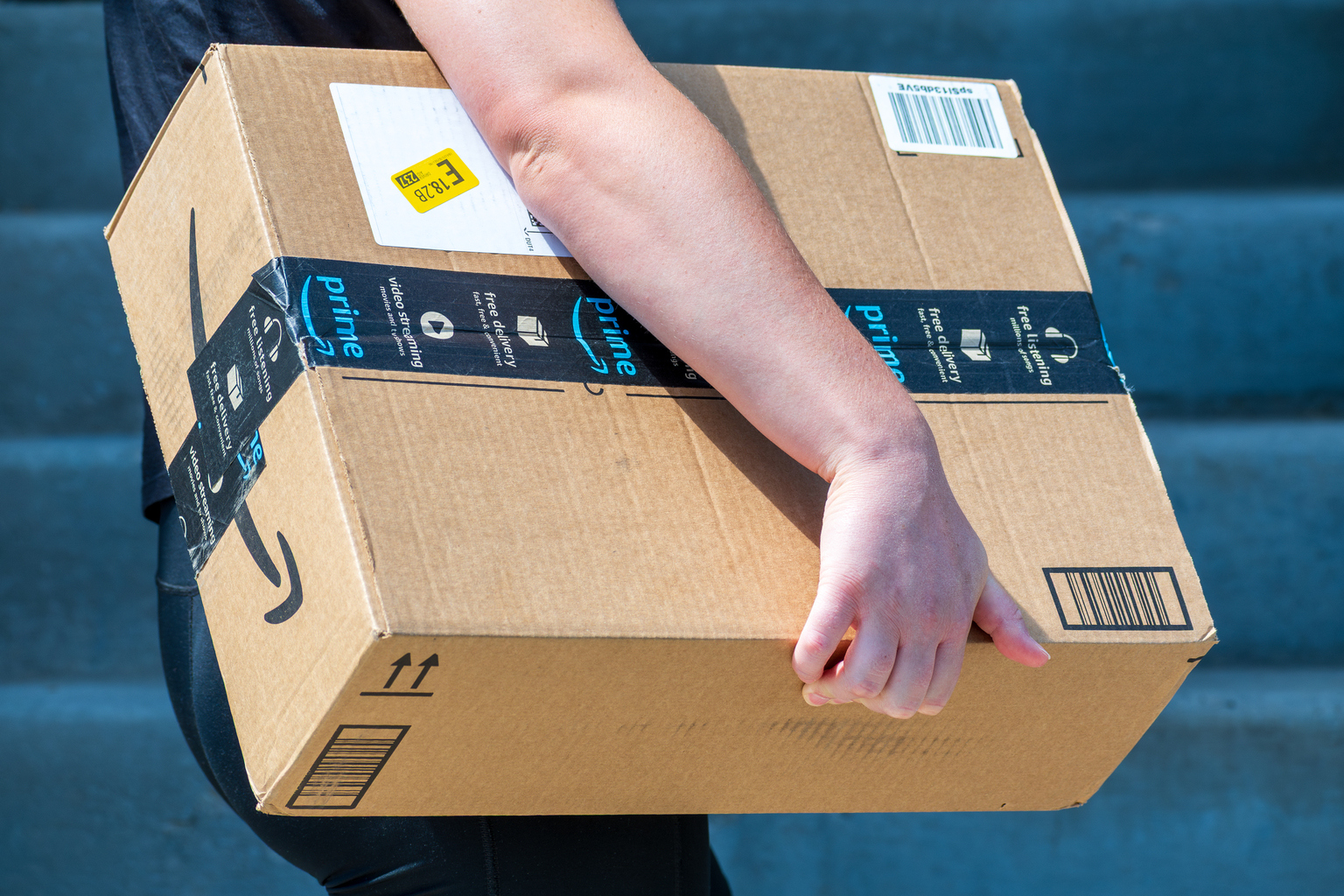
Amazon Expands Ultra-Fast Delivery Service to More U.S. Cities

- Service Expansion: Amazon is expanding its ultra-fast delivery service to cities including Austin, Houston, Minneapolis, Orlando, Phoenix, Denver, and Oklahoma City, aiming to provide 30-minute delivery to millions of customers through a network of smaller fulfillment centers located closer to customers.
- Fee Structure: Prime members will pay a delivery fee of $3.99, while non-members will incur a fee of $13.99, with additional charges for orders under $15, a pricing strategy designed to attract more users to join Prime membership.
- Product Variety: Amazon offers thousands of items for ultra-fast delivery, including groceries for dinner, AirPods before flights, and household essentials like laundry detergent and toothpaste, catering to diverse customer needs and enhancing customer loyalty.
- Market Impact: Amazon's rapid delivery options have enabled it to deliver 13 billion items globally on the same or next day, with over 8 billion in the U.S. alone, marking a 30% year-over-year increase, which has pressured competitors like Instacart, causing its shares to drop more than 3%.
See More

Plug Power Reports Significant Improvement in Q1 Performance


- Accelerated Revenue Growth: Plug Power reported $163.5 million in revenue for Q1, a 22% year-over-year increase that significantly exceeded analysts' expectations of $140 million, indicating strong demand in its materials handling business, particularly with Walmart and Amazon.
- Margin Improvement: The company achieved a 71% improvement in margins during the quarter, driven by sales growth, cost optimization, and fuel sourcing efficiencies, although it still reported an operating loss of approximately $109 million, a substantial reduction from the $178 million loss in the same period last year.
- Future Growth Catalysts: Plug Power has deployed over 320 megawatts of electrolyzer solutions globally and has more than $8 billion in additional projects in the pipeline, highlighting its strong growth potential in industrial and energy applications.
- Clear Profitability Goals: The company aims to achieve positive EBITDA by Q4 this year and positive operating income by the end of next year, with a long-term goal of full profitability by the end of 2028, demonstrating a strategic focus on improving its financial health.
See More

Blue Origin Considers First External Fundraising to Meet Launch Goals
- Funding Needs: Blue Origin's CEO Dave Limp stated in an all-hands meeting that the company requires external investment to significantly increase its launch cadence, indicating financial pressures in a competitive aerospace market.
- Economic Performance Requirements: Limp emphasized that Blue Origin must demonstrate strong economic viability to attract external funding, which is crucial not only for meeting launch targets but also for enhancing the company's competitiveness in the industry.
- Employee Incentive Plan: To address staff unrest, Blue Origin has outlined a new stock plan for employees aimed at improving its competitive incentives against rival SpaceX, thereby retaining key talent essential for its growth.
- Market Competition Pressure: The financing and incentive strategies of Blue Origin will directly impact its market position and future growth potential, especially in the rapidly evolving commercial space sector.
See More

Investor Strategies Amid Market Highs

- Valuation Warning: The current Shiller P/E ratio stands at approximately 42, a level only previously seen during the dot-com bubble, indicating potential market correction risks that long-term investors should be wary of.
- Hold Winning Stocks: Despite AMD and Shopify's P/E ratios exceeding 140 and 100 respectively, their robust growth prospects justify continued investment, as historical data shows that holding quality assets over the long term often yields substantial returns.
- Maintain Liquidity: Investors should keep significant liquidity, including cash and gold ETFs, to capitalize on buying opportunities during market downturns, with Warren Buffett's liquidity strategy serving as a strong example, as his liquidity now exceeds $397 billion.
- Seek Investment Opportunities: Despite high market valuations, stocks like Clorox present viable investment options, with a P/E ratio of 14, significantly lower than the S&P 500's average of 32, and offering a 5.6% dividend yield, reminding investors to actively seek value investments even in a bull market.
See More
Nvidia Set to Release Q1 FY2027 Earnings on May 20


- Hyperscaler Spending Surge: Major cloud service providers like Amazon, Microsoft, and Alphabet are ramping up capital expenditures for AI-related projects, with Microsoft expected to spend $190 billion in 2026 and Amazon planning around $200 billion, indicating sustained demand for Nvidia's AI chips that could lead to a beat-and-raise quarter.
- Strong Peer Performance: AMD and Intel recently reported earnings that exceeded analyst expectations, with AMD's revenue growing 38% year-over-year to $10.3 billion and its data center unit soaring 57% to $5.8 billion, highlighting robust demand in the AI market that supports Nvidia's upcoming performance.
- Attractive Valuation for Investors: Despite Nvidia's stock trading at a forward P/E of 26.5, which is above the tech sector average of 24.4, its dominant market share and competitive moat suggest that the current valuation remains attractive, potentially offering a good buying opportunity for investors.
- Market Reaction Expectations: While the market's reaction to Nvidia's upcoming earnings report may be muted, the company's leadership in the AI chip market and strong customer demand are expected to drive stock price increases, making it a wise decision for investors to consider purchasing shares before May 20.
See More

Beyond Meat Faces Major Challenges as Stock Plummets 97%

- Declining Sales: Beyond Meat's sales have been on a downward trend since their peak in 2022, with a 15% year-over-year decline in Q1 2026, indicating significant challenges in the competitive plant-based food market and making recovery difficult.
- Profitability Pressure: Despite a gross margin of 3.4% in Q1, the operating margin plummeted to -70.6%, highlighting major difficulties in cost control and profitability, which raises concerns among investors about the company's future.
- Shrinking Market Share: Several retailers have stopped carrying Beyond Meat products, and relationships with restaurant partners like McDonald's have not yielded expected results, leading to declines in sales across both retail and fast-food service categories, affecting brand recognition.
- New Product Direction: Although the launch of new products like the plant-based protein drink Beyond Immerse represents a potential growth avenue, it remains uncertain whether these new offerings will succeed, necessitating cautious observation from investors regarding the company's recovery prospects.
See More
Amazon Expands Ultra-Fast Delivery Service to More U.S. Cities
- Service Expansion: Amazon is expanding its ultra-fast delivery service to cities including Austin, Houston, Minneapolis, Orlando, Phoenix, Denver, and Oklahoma City, aiming to provide 30-minute delivery to millions of customers through a network of smaller fulfillment centers located closer to customers.
- Fee Structure: Prime members will pay a delivery fee of $3.99, while non-members will incur a fee of $13.99, with additional charges for orders under $15, a pricing strategy designed to attract more users to join Prime membership.
- Product Variety: Amazon offers thousands of items for ultra-fast delivery, including groceries for dinner, AirPods before flights, and household essentials like laundry detergent and toothpaste, catering to diverse customer needs and enhancing customer loyalty.
- Market Impact: Amazon's rapid delivery options have enabled it to deliver 13 billion items globally on the same or next day, with over 8 billion in the U.S. alone, marking a 30% year-over-year increase, which has pressured competitors like Instacart, causing its shares to drop more than 3%.
See More
Plug Power Reports Significant Improvement in Q1 Performance
- Accelerated Revenue Growth: Plug Power reported $163.5 million in revenue for Q1, a 22% year-over-year increase that significantly exceeded analysts' expectations of $140 million, indicating strong demand in its materials handling business, particularly with Walmart and Amazon.
- Margin Improvement: The company achieved a 71% improvement in margins during the quarter, driven by sales growth, cost optimization, and fuel sourcing efficiencies, although it still reported an operating loss of approximately $109 million, a substantial reduction from the $178 million loss in the same period last year.
- Future Growth Catalysts: Plug Power has deployed over 320 megawatts of electrolyzer solutions globally and has more than $8 billion in additional projects in the pipeline, highlighting its strong growth potential in industrial and energy applications.
- Clear Profitability Goals: The company aims to achieve positive EBITDA by Q4 this year and positive operating income by the end of next year, with a long-term goal of full profitability by the end of 2028, demonstrating a strategic focus on improving its financial health.
See More
Blue Origin Considers First External Fundraising to Meet Launch Goals
- Funding Needs: Blue Origin's CEO Dave Limp stated in an all-hands meeting that the company requires external investment to significantly increase its launch cadence, indicating financial pressures in a competitive aerospace market.
- Economic Performance Requirements: Limp emphasized that Blue Origin must demonstrate strong economic viability to attract external funding, which is crucial not only for meeting launch targets but also for enhancing the company's competitiveness in the industry.
- Employee Incentive Plan: To address staff unrest, Blue Origin has outlined a new stock plan for employees aimed at improving its competitive incentives against rival SpaceX, thereby retaining key talent essential for its growth.
- Market Competition Pressure: The financing and incentive strategies of Blue Origin will directly impact its market position and future growth potential, especially in the rapidly evolving commercial space sector.
See More
Investor Strategies Amid Market Highs
- Valuation Warning: The current Shiller P/E ratio stands at approximately 42, a level only previously seen during the dot-com bubble, indicating potential market correction risks that long-term investors should be wary of.
- Hold Winning Stocks: Despite AMD and Shopify's P/E ratios exceeding 140 and 100 respectively, their robust growth prospects justify continued investment, as historical data shows that holding quality assets over the long term often yields substantial returns.
- Maintain Liquidity: Investors should keep significant liquidity, including cash and gold ETFs, to capitalize on buying opportunities during market downturns, with Warren Buffett's liquidity strategy serving as a strong example, as his liquidity now exceeds $397 billion.
- Seek Investment Opportunities: Despite high market valuations, stocks like Clorox present viable investment options, with a P/E ratio of 14, significantly lower than the S&P 500's average of 32, and offering a 5.6% dividend yield, reminding investors to actively seek value investments even in a bull market.
See More
Nvidia Set to Release Q1 FY2027 Earnings on May 20
- Hyperscaler Spending Surge: Major cloud service providers like Amazon, Microsoft, and Alphabet are ramping up capital expenditures for AI-related projects, with Microsoft expected to spend $190 billion in 2026 and Amazon planning around $200 billion, indicating sustained demand for Nvidia's AI chips that could lead to a beat-and-raise quarter.
- Strong Peer Performance: AMD and Intel recently reported earnings that exceeded analyst expectations, with AMD's revenue growing 38% year-over-year to $10.3 billion and its data center unit soaring 57% to $5.8 billion, highlighting robust demand in the AI market that supports Nvidia's upcoming performance.
- Attractive Valuation for Investors: Despite Nvidia's stock trading at a forward P/E of 26.5, which is above the tech sector average of 24.4, its dominant market share and competitive moat suggest that the current valuation remains attractive, potentially offering a good buying opportunity for investors.
- Market Reaction Expectations: While the market's reaction to Nvidia's upcoming earnings report may be muted, the company's leadership in the AI chip market and strong customer demand are expected to drive stock price increases, making it a wise decision for investors to consider purchasing shares before May 20.
See More
Beyond Meat Faces Major Challenges as Stock Plummets 97%
- Declining Sales: Beyond Meat's sales have been on a downward trend since their peak in 2022, with a 15% year-over-year decline in Q1 2026, indicating significant challenges in the competitive plant-based food market and making recovery difficult.
- Profitability Pressure: Despite a gross margin of 3.4% in Q1, the operating margin plummeted to -70.6%, highlighting major difficulties in cost control and profitability, which raises concerns among investors about the company's future.
- Shrinking Market Share: Several retailers have stopped carrying Beyond Meat products, and relationships with restaurant partners like McDonald's have not yielded expected results, leading to declines in sales across both retail and fast-food service categories, affecting brand recognition.
- New Product Direction: Although the launch of new products like the plant-based protein drink Beyond Immerse represents a potential growth avenue, it remains uncertain whether these new offerings will succeed, necessitating cautious observation from investors regarding the company's recovery prospects.
See More