U.S. DOJ Intervenes in xAI Lawsuit Against Colorado AI Act
Written by Emily J. Thompson, Senior Investment Analyst
Updated: Apr 24 2026
0mins
Source: seekingalpha
- Legal Intervention: The U.S. Department of Justice has intervened in xAI's lawsuit against Colorado's AI Act, asserting that the statute violates the Civil Rights Act of 1964, reflecting a protective stance towards technological innovation.
- Bill Details: Colorado SB24-205 aims to prevent algorithmic discrimination, mandating developers of high-risk AI systems to take reasonable care to protect consumers, with penalties of up to $20,000 for violations, indicating a broad impact on the industry.
- Ideological Controversy: DOJ officials argue that laws forcing AI companies to embed 'woke' DEI ideologies into their products are illegal and pose threats to national and economic security, highlighting the contentious intersection of technology and ideology.
- Widespread Impact: Although xAI is the plaintiff, the Colorado AI Act could affect numerous AI developers, including OpenAI, Anthropic, Google, and Microsoft, demonstrating the law's far-reaching implications for the industry.
Trade with 70% Backtested Accuracy
Stop guessing "Should I Buy TSLA?" and start using high-conviction signals backed by rigorous historical data.
Sign up today to access powerful investing tools and make smarter, data-driven decisions.
Analyst Views on TSLA
Wall Street analysts forecast TSLA stock price to fall
30 Analyst Rating
12 Buy
11 Hold
7 Sell
Hold
Current: 417.850

Low
25.28
Averages
401.93
High
600.00
Current: 417.850
Low
25.28
Averages
401.93
High
600.00
About TSLA
Tesla, Inc. designs, develops, manufactures, sells and leases high-performance fully electric vehicles and energy generation and storage systems, and offers services related to its products. Its segments include automotive, and energy generation and storage. The automotive segment includes the design, development, manufacturing, sales and leasing of high-performance fully electric vehicles, and sales of automotive regulatory credits. It also includes sales of used vehicles, non-warranty maintenance services and collisions, part sales, paid supercharging, insurance services revenue and retail merchandise sales. The energy generation and storage segment include the design, manufacture, installation, sales and leasing of solar energy generation and energy storage products and related services and sales of solar energy systems incentives. Its consumer vehicles include the Model 3, Y, S, X and Cybertruck. Its lithium-ion battery energy storage products include Powerwall and Megapack.
About the author

Emily J. Thompson
Emily J. Thompson, a Chartered Financial Analyst (CFA) with 12 years in investment research, graduated with honors from the Wharton School. Specializing in industrial and technology stocks, she provides in-depth analysis for Intellectia’s earnings and market brief reports.
ELEKTROS Inc. Celebrates 7.96% Trading Momentum Amid Growing Global Awareness

- Strong Trading Momentum: ELEKTROS Inc. experienced a 7.96% increase in trading on May 24, reflecting growing global awareness of the company, which marks an expansion of its shareholder base and may lay the groundwork for future capital market performance.
- Lithium Resource Strategy: The company focuses on hard rock lithium exploration and development opportunities in Sierra Leone, positioning itself within a critical supply chain for electric vehicles, renewable energy storage, and industrial electrification, highlighting its strategic role in the future clean energy market.
- Patent Technology Protection: ELEKTROS holds United States Patent No. 12,522,100 B1 related to advanced electric vehicle charging technology designed to significantly reduce charging times and improve efficiency, which is expected to become a key component of the next-generation EV ecosystem.
- Strategic Communication Plans: Management plans to initiate strategic communications regarding potential licensing discussions, including possible one-year lease arrangements, demonstrating the company's proactive approach to intellectual property protection and commercialization, potentially creating long-term value for shareholders.
See More

Trump Claims Interim Agreement on Strait of Hormuz is Close


- Agreement Progress: President Trump stated that an interim agreement regarding the Strait of Hormuz is close to being finalized, although negotiations are still ongoing, which may alleviate market concerns over geopolitical tensions in the region.
- Geopolitical Impact: Should the agreement be reached, it would help ensure the safety of shipping through the Strait of Hormuz, thereby stabilizing global oil supply chains and reducing the risk of price volatility.
- Negotiation Dynamics: Trump's remarks indicate an active U.S. government stance in addressing tensions in the Middle East, which could influence international investor confidence in the region.
- Market Reaction Expectations: The market may respond positively to this news, with investors closely monitoring subsequent negotiation developments to assess potential impacts on the energy market.
See More
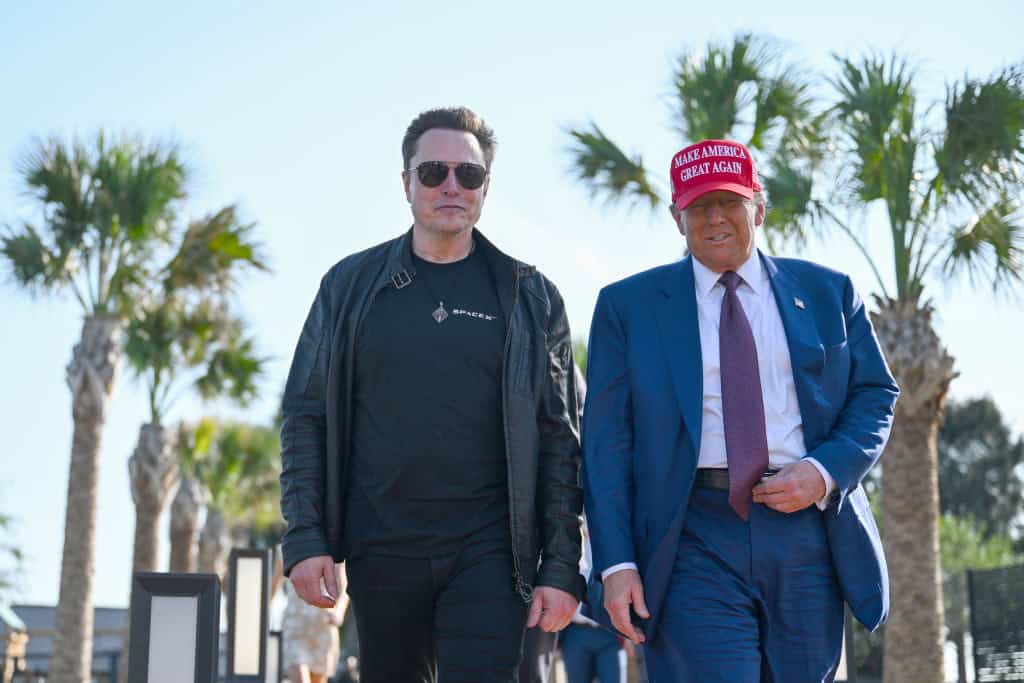
Tesla Q1 Revenue Reaches $22.39 Billion Amid AI Investments

- Significant Revenue Growth: Tesla's Q1 revenue reached $22.39 billion, marking a 16% year-over-year increase, which underscores the strong demand for electric vehicles and further solidifies its market leadership.
- Increased R&D Investment: The company allocated $1.95 billion towards AI infrastructure, funding projects like FSD v14.3 and Dojo 3, indicating that Tesla's strategic focus on AI will drive future technological innovation and enhance its competitive edge.
- Capital Investment and Partnerships: Tesla committed $2 billion to xAI and signed an AI collaboration framework agreement, directly linking its balance sheet to Musk's OpenAI competitor, showcasing its ambitions and strategic significance in the AI sector.
- Positive Market Reaction: Despite a 5% decline year-to-date, Tesla's stock rose 10% over the past month to close at $426.01, reflecting investor confidence in its AI strategy and recognition of its future growth potential.
See More

SpaceX Releases S-1 Prospectus Ahead of $1.5 Trillion IPO Valuation


- Business Segment Overview: SpaceX's S-1 prospectus reveals projected revenues for 2025, with the Connectivity segment expected to generate $11.387 billion and an operating income of $4.423 billion, highlighting its profitability primarily driven by Starlink broadband services.
- AI Segment Challenges: Despite an anticipated revenue of $3.201 billion for the AI segment in 2025, it faces a staggering operating loss of $6.355 billion, indicating significant hurdles, particularly as xAI's models have not gained traction compared to competitors.
- Market Opportunity Assessment: SpaceX estimates a total addressable market of $28.5 trillion, with 93% stemming from AI applications; however, the current lack of competitiveness in AI models may hinder future market share and revenue growth.
- Space Data Center Strategy: SpaceX aims to establish data centers in space to reduce AI model costs by harnessing solar energy, coupled with the Terafab joint venture with Tesla to lessen reliance on traditional chip manufacturers, potentially enhancing long-term profitability.
See More

SpaceX Plans IPO at $1.5 Trillion Valuation
- Funding Target: SpaceX aims to raise high tens of billions in its upcoming IPO, with a valuation of $1.5 trillion, contingent on its performance across multiple sectors including space, connectivity, and AI, which are critical for justifying this lofty valuation.
- Segment Performance: The S-1 filing reveals that SpaceX's connectivity segment is projected to generate $11.387 billion in revenue and $4.423 billion in operating income by 2025, reflecting a 49.8% revenue growth and 120.4% profit increase, making it the only profitable segment and highlighting strong demand for Starlink.
- AI Business Challenges: Despite an expected revenue of $3.201 billion for AI in 2025, the segment faces a staggering operating loss of $6.355 billion, with first-quarter revenue stagnating, indicating SpaceX's insufficient competitiveness in this area, particularly when compared to industry leaders.
- Space Data Center Strategy: SpaceX plans to establish data centers in space to reduce AI model costs by leveraging solar energy, alongside its joint venture Terafab with Tesla to produce chips, aiming to decrease reliance on external suppliers; if successful, this strategy could significantly alter the competitive landscape in the AI industry.
See More
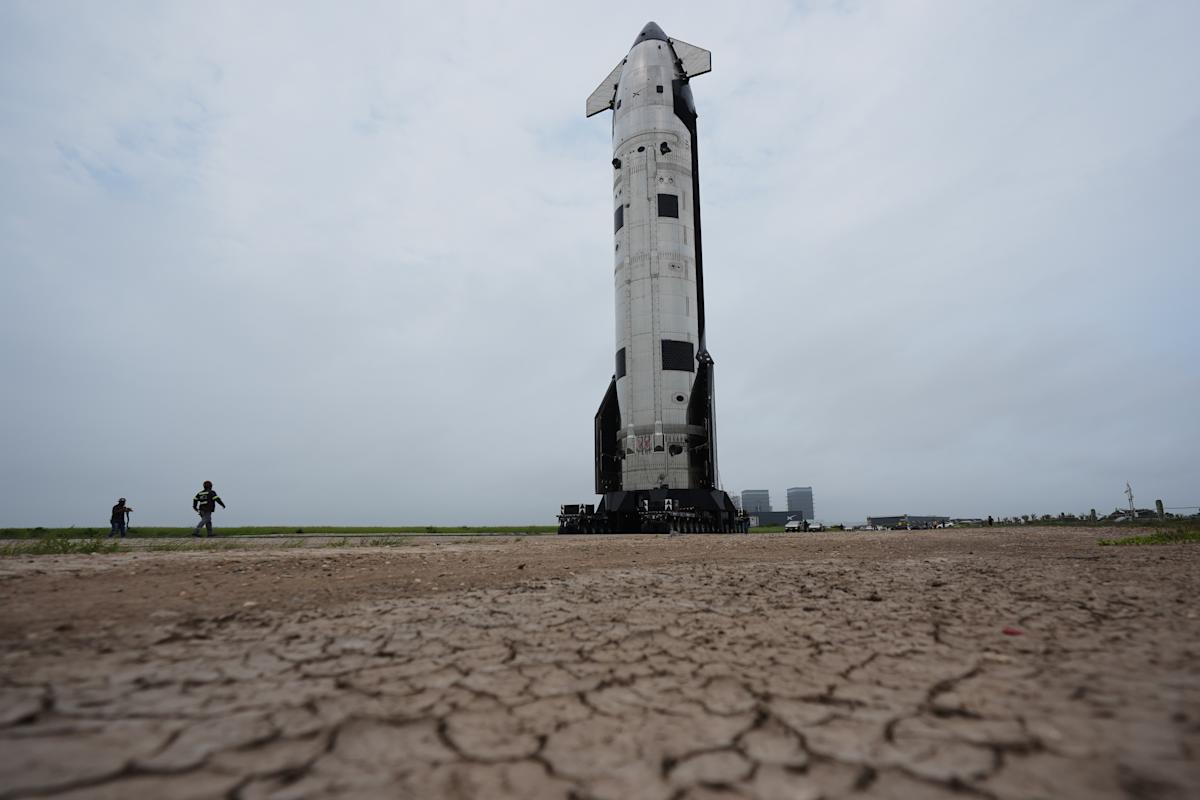
SpaceX IPO Sparks Market Frenzy Amid AI Boom

- Valuation Surge: Following its IPO prospectus filing, SpaceX is seeking a $2 trillion valuation, reflecting its ambitions in AI and space exploration, which is expected to attract significant investor interest and further enhance the company's capital operations.
- Increased Retail Investor Allocation: SpaceX plans to allocate 30% of shares to retail investors, significantly higher than the typical 5%-10%, indicating a surge in market enthusiasm for the company, which may lead to volatile stock price movements on the opening day.
- Significant Revenue Growth: Despite a net loss exceeding $4 billion last year, SpaceX's revenue grew over 30% to nearly $19 billion, with the Starlink business contributing over $4 billion in operating income, showcasing the company's potential from investments in AI and Starship.
- Intensifying Industry Competition: The same week SpaceX announced its intent to go public, OpenAI and Anthropic are also considering listings, highlighting the increasing competition in the AI sector, where SpaceX's success could attract more capital into the industry.
See More
ELEKTROS Inc. Celebrates 7.96% Trading Momentum Amid Growing Global Awareness
- Strong Trading Momentum: ELEKTROS Inc. experienced a 7.96% increase in trading on May 24, reflecting growing global awareness of the company, which marks an expansion of its shareholder base and may lay the groundwork for future capital market performance.
- Lithium Resource Strategy: The company focuses on hard rock lithium exploration and development opportunities in Sierra Leone, positioning itself within a critical supply chain for electric vehicles, renewable energy storage, and industrial electrification, highlighting its strategic role in the future clean energy market.
- Patent Technology Protection: ELEKTROS holds United States Patent No. 12,522,100 B1 related to advanced electric vehicle charging technology designed to significantly reduce charging times and improve efficiency, which is expected to become a key component of the next-generation EV ecosystem.
- Strategic Communication Plans: Management plans to initiate strategic communications regarding potential licensing discussions, including possible one-year lease arrangements, demonstrating the company's proactive approach to intellectual property protection and commercialization, potentially creating long-term value for shareholders.
See More
Trump Claims Interim Agreement on Strait of Hormuz is Close
- Agreement Progress: President Trump stated that an interim agreement regarding the Strait of Hormuz is close to being finalized, although negotiations are still ongoing, which may alleviate market concerns over geopolitical tensions in the region.
- Geopolitical Impact: Should the agreement be reached, it would help ensure the safety of shipping through the Strait of Hormuz, thereby stabilizing global oil supply chains and reducing the risk of price volatility.
- Negotiation Dynamics: Trump's remarks indicate an active U.S. government stance in addressing tensions in the Middle East, which could influence international investor confidence in the region.
- Market Reaction Expectations: The market may respond positively to this news, with investors closely monitoring subsequent negotiation developments to assess potential impacts on the energy market.
See More
Tesla Q1 Revenue Reaches $22.39 Billion Amid AI Investments
- Significant Revenue Growth: Tesla's Q1 revenue reached $22.39 billion, marking a 16% year-over-year increase, which underscores the strong demand for electric vehicles and further solidifies its market leadership.
- Increased R&D Investment: The company allocated $1.95 billion towards AI infrastructure, funding projects like FSD v14.3 and Dojo 3, indicating that Tesla's strategic focus on AI will drive future technological innovation and enhance its competitive edge.
- Capital Investment and Partnerships: Tesla committed $2 billion to xAI and signed an AI collaboration framework agreement, directly linking its balance sheet to Musk's OpenAI competitor, showcasing its ambitions and strategic significance in the AI sector.
- Positive Market Reaction: Despite a 5% decline year-to-date, Tesla's stock rose 10% over the past month to close at $426.01, reflecting investor confidence in its AI strategy and recognition of its future growth potential.
See More
SpaceX Releases S-1 Prospectus Ahead of $1.5 Trillion IPO Valuation
- Business Segment Overview: SpaceX's S-1 prospectus reveals projected revenues for 2025, with the Connectivity segment expected to generate $11.387 billion and an operating income of $4.423 billion, highlighting its profitability primarily driven by Starlink broadband services.
- AI Segment Challenges: Despite an anticipated revenue of $3.201 billion for the AI segment in 2025, it faces a staggering operating loss of $6.355 billion, indicating significant hurdles, particularly as xAI's models have not gained traction compared to competitors.
- Market Opportunity Assessment: SpaceX estimates a total addressable market of $28.5 trillion, with 93% stemming from AI applications; however, the current lack of competitiveness in AI models may hinder future market share and revenue growth.
- Space Data Center Strategy: SpaceX aims to establish data centers in space to reduce AI model costs by harnessing solar energy, coupled with the Terafab joint venture with Tesla to lessen reliance on traditional chip manufacturers, potentially enhancing long-term profitability.
See More
SpaceX Plans IPO at $1.5 Trillion Valuation
- Funding Target: SpaceX aims to raise high tens of billions in its upcoming IPO, with a valuation of $1.5 trillion, contingent on its performance across multiple sectors including space, connectivity, and AI, which are critical for justifying this lofty valuation.
- Segment Performance: The S-1 filing reveals that SpaceX's connectivity segment is projected to generate $11.387 billion in revenue and $4.423 billion in operating income by 2025, reflecting a 49.8% revenue growth and 120.4% profit increase, making it the only profitable segment and highlighting strong demand for Starlink.
- AI Business Challenges: Despite an expected revenue of $3.201 billion for AI in 2025, the segment faces a staggering operating loss of $6.355 billion, with first-quarter revenue stagnating, indicating SpaceX's insufficient competitiveness in this area, particularly when compared to industry leaders.
- Space Data Center Strategy: SpaceX plans to establish data centers in space to reduce AI model costs by leveraging solar energy, alongside its joint venture Terafab with Tesla to produce chips, aiming to decrease reliance on external suppliers; if successful, this strategy could significantly alter the competitive landscape in the AI industry.
See More
SpaceX IPO Sparks Market Frenzy Amid AI Boom
- Valuation Surge: Following its IPO prospectus filing, SpaceX is seeking a $2 trillion valuation, reflecting its ambitions in AI and space exploration, which is expected to attract significant investor interest and further enhance the company's capital operations.
- Increased Retail Investor Allocation: SpaceX plans to allocate 30% of shares to retail investors, significantly higher than the typical 5%-10%, indicating a surge in market enthusiasm for the company, which may lead to volatile stock price movements on the opening day.
- Significant Revenue Growth: Despite a net loss exceeding $4 billion last year, SpaceX's revenue grew over 30% to nearly $19 billion, with the Starlink business contributing over $4 billion in operating income, showcasing the company's potential from investments in AI and Starship.
- Intensifying Industry Competition: The same week SpaceX announced its intent to go public, OpenAI and Anthropic are also considering listings, highlighting the increasing competition in the AI sector, where SpaceX's success could attract more capital into the industry.
See More