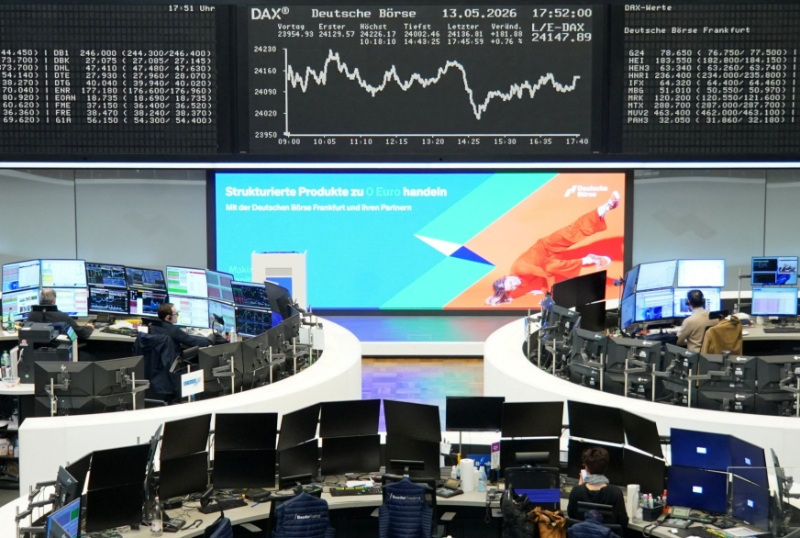
U.S. Defense Department Reaches Agreement with Boeing and Lockheed Martin to Boost Patriot Missile Production
Written by Emily J. Thompson, Senior Investment Analyst
Updated: Apr 01 2026
0mins
Source: seekingalpha
- Production Capacity Increase: The U.S. Department of Defense has reached a seven-year agreement with Boeing and Lockheed Martin to triple the production of missile seekers for the Patriot missile system, addressing rising global security demands and ensuring the stability of the defense industrial base.
- Supply Chain Optimization: This agreement signifies a shift in procurement strategy towards direct collaboration with lower-tier suppliers, aimed at providing more predictable demand signals that encourage investment in manufacturing capacity, tooling, and workforce development, thereby enhancing supply chain resilience.
- Addressing New Threats: The proliferation of low-cost drones is reshaping modern warfare economics, prompting defense planners to reassess the need for scaling production and developing lower-cost interceptors to counter challenges posed by conflicts in Ukraine and Iran.
- Strategic Implications: This initiative not only aims to replenish stockpiles but also seeks to enhance the air and missile defense capabilities of the U.S. and its allies, ensuring a competitive edge in a complex geopolitical landscape.
Trade with 70% Backtested Accuracy
Stop guessing "Should I Buy LMT?" and start using high-conviction signals backed by rigorous historical data.
Sign up today to access powerful investing tools and make smarter, data-driven decisions.
Analyst Views on LMT
Wall Street analysts forecast LMT stock price to rise
12 Analyst Rating
4 Buy
7 Hold
1 Sell
Hold
Current: 520.410

Low
430.00
Averages
535.50
High
605.00
Current: 520.410
Low
430.00
Averages
535.50
High
605.00
About LMT
Lockheed Martin Corporation is an aerospace and defense technology company. The Company's segments include Aeronautics, Missiles and Fire Control (MFC), Rotary and Mission Systems (RMS) and Space. The Aeronautics segment is engaged in research, design, development, manufacture, integration, sustainment, support and upgrade of advanced military aircraft, including combat and air mobility aircraft, unmanned air vehicles and related technologies. The MFC segment provides air and missile defense systems; tactical missiles and precision strike weapon systems; logistics; fire control systems; engineering support and integration services. The RMS segment designs, manufactures, services and supports various military and commercial helicopters, sea and land-based missile defense systems. The Space segment is engaged in the research and design, development, engineering and production of satellites, space transportation systems, and strategic, advanced strike, and defensive systems.
About the author

Emily J. Thompson
Emily J. Thompson, a Chartered Financial Analyst (CFA) with 12 years in investment research, graduated with honors from the Wharton School. Specializing in industrial and technology stocks, she provides in-depth analysis for Intellectia’s earnings and market brief reports.

Maine Voters Face Crucial Decision in Senate Race

- Election Outlook Grim: Senator Susan Collins of Maine faces a formidable challenge from Democratic candidate Graham Platner, who leads in polls, indicating that voter dissatisfaction with Trump may significantly impact the election outcome.
- Funding Impact Significant: Since 2021, Collins has secured nearly $1.5 billion in federal funding for Maine, with approximately $429 million appropriated in the 2026 fiscal year alone, which helps maintain her support among constituents.
- Political Power Play: As chair of the Senate Appropriations Committee, Collins wields considerable influence to bring vital federal funds to Maine, while Platner, if elected, would require years to build the necessary seniority and influence.
- Trump's Far-Reaching Influence: Collins' election is heavily influenced by Trump's policies, as she has often voted against him, placing her in a difficult position where voters must weigh her seniority against their aversion to Trump.
See More
Hancock Prospecting Expands Portfolio into Defense and Gold


- Portfolio Diversification: Hancock Prospecting has diversified its holdings in 2023 by adding defense, gold, and rare-earth assets, bringing its total portfolio value to $3.3 billion, indicating a strategic focus on emerging markets.
- Significant Shift in Investments: In a March portfolio adjustment, Hancock invested $133 million in defense firms including CrowdStrike, L3Harris, Lockheed Martin, Northrop Grumman, and RTX, reflecting strong confidence in the defense sector.
- Increased Gold Producer Holdings: Hancock has also increased its stake in major gold producer Newmont, further solidifying its investment in precious metals, which is expected to benefit from potential rises in gold prices.
- Rare Earth Investment Boost: In the current quarter, Hancock raised its stake in Rare Earths Americas to 6.3% while increasing its position in Hudbay Minerals by approximately 10%, demonstrating a strategic emphasis on the rare earth and copper markets.
See More

Kuwait Requests $2.5 Billion Defense System Purchase


- Significant War Losses: The U.S. spent $25 billion in the Iran war, but Kuwait faced greater losses, enduring attacks from 13 cruise missiles, 336 ballistic missiles, and 740 drones, severely straining its defense network.
- Infrastructure Damage: Iranian strikes not only targeted military bases but also damaged the Mina al-Ahmadi oil refinery, Shuwaikh oil sector complex, and power generation and desalination facilities, highlighting the precision of the attacks.
- Defense System Procurement Request: Kuwait has requested Congress's approval to purchase an Integrated Battle Command System for $2.5 billion, aiming to enhance its defense capabilities against potential future threats.
- Major Contractors Identified: Northrop Grumman, RTX Corporation, and Lockheed Martin have been named as principal contractors for the defense deal, with Northrop expected to receive the bulk of the funding, reflecting its strong competitive position in the defense market.
See More

Trump's Golden Dome Missile Defense System Costs Surge to $1.2 Trillion


- Cost Surge: The projected cost of Trump's Golden Dome missile defense system has skyrocketed to $1.2 trillion over 20 years, significantly exceeding the initial budget of $151 billion, which could strain the defense budget and impact funding for other military projects.
- Complex System Components: According to the Congressional Budget Office, the Golden Dome will include 7,800 space-based interceptor missiles, with procurement costs alone reaching $743 billion and annual maintenance costs of $1 billion, indicating a substantial long-term financial burden on the defense budget.
- Massive Satellite Demand: To maintain the effectiveness of Golden Dome, approximately 1,600 low-orbit satellites will need to be replaced annually, leading to a total requirement of around 30,000 satellites over 20 years, which is three times the number of satellites launched by SpaceX since its inception, highlighting significant technical and logistical challenges.
- Limited Defense Capability: Although Golden Dome aims to intercept missiles from adversaries, its design limitations mean it can only defend against a maximum of 10 missile launches at any given time, raising doubts in Congress about the project's feasibility and potentially leading to its cancellation.
See More
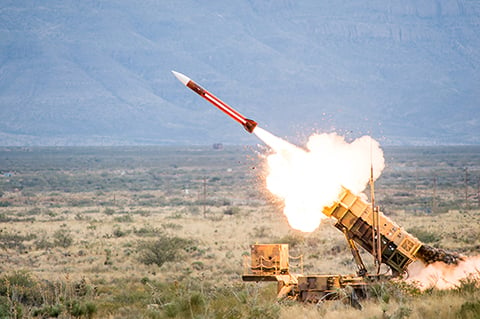
Qatar Requests $4 Billion Patriot Missile Purchase Amid Regional Tensions
- Surge in Defense Needs: Qatar's request to purchase $4 billion worth of Patriot missiles highlights the urgency and enhancement of its defense capabilities in response to regional security threats stemming from the Iran war.
- Missile Procurement Details: The order includes 200 PAC-2 missiles and 300 PAC-3 missiles, with PAC-2s designed to destroy targets using shrapnel and PAC-3s functioning as hit-to-kill weapons, indicating Qatar's diversified investment in defense capabilities.
- U.S. Support for Sale: The U.S. State Department has expressed support for this transaction to Congress, citing an “emergency” that necessitates the immediate sale of these defense articles, reflecting the U.S.'s strategic interests and commitment to supporting its allies in the Middle East.
- Rising Profit Expectations: This deal is expected to benefit major contractors like Lockheed Martin and RTX, with both companies likely to see increased profit margins due to the average missile price of approximately $8 million, further solidifying their positions in the defense market.
See More

SpaceX Shareholders Approve 5-for-1 Stock Split Ahead of IPO
- Shareholder Vote Outcome: A majority of SpaceX shareholders have approved the board's recommendation for a 5-for-1 stock split, adjusting the current fair market value per share to approximately $105.32, down from $526.59 pre-split, reflecting changes in shareholder confidence and market expectations ahead of the IPO.
- Successful Launch Mission: SpaceX successfully launched its Cargo Dragon spacecraft on the CRS-34 commercial resupply mission, delivering roughly 6,500 pounds of science experiments and crew supplies to the International Space Station, showcasing its strong operational capabilities and technological prowess in aerospace manufacturing.
- New Rocket Model Preparation: The company is preparing for the debut of its Starship Version 3, targeted for a test flight on May 19, which stands 5 feet taller than its predecessors and features integrated Raptor 3 engines, boosting total liftoff thrust to over 18 million pounds to achieve rapid reuse objectives.
- Market Reaction and Strategic Significance: The stock split and upcoming rocket launch plans indicate SpaceX's proactive positioning ahead of its IPO, aiming to enhance investor confidence and market competitiveness while laying the groundwork for future space missions.
See More
Maine Voters Face Crucial Decision in Senate Race
- Election Outlook Grim: Senator Susan Collins of Maine faces a formidable challenge from Democratic candidate Graham Platner, who leads in polls, indicating that voter dissatisfaction with Trump may significantly impact the election outcome.
- Funding Impact Significant: Since 2021, Collins has secured nearly $1.5 billion in federal funding for Maine, with approximately $429 million appropriated in the 2026 fiscal year alone, which helps maintain her support among constituents.
- Political Power Play: As chair of the Senate Appropriations Committee, Collins wields considerable influence to bring vital federal funds to Maine, while Platner, if elected, would require years to build the necessary seniority and influence.
- Trump's Far-Reaching Influence: Collins' election is heavily influenced by Trump's policies, as she has often voted against him, placing her in a difficult position where voters must weigh her seniority against their aversion to Trump.
See More
Hancock Prospecting Expands Portfolio into Defense and Gold
- Portfolio Diversification: Hancock Prospecting has diversified its holdings in 2023 by adding defense, gold, and rare-earth assets, bringing its total portfolio value to $3.3 billion, indicating a strategic focus on emerging markets.
- Significant Shift in Investments: In a March portfolio adjustment, Hancock invested $133 million in defense firms including CrowdStrike, L3Harris, Lockheed Martin, Northrop Grumman, and RTX, reflecting strong confidence in the defense sector.
- Increased Gold Producer Holdings: Hancock has also increased its stake in major gold producer Newmont, further solidifying its investment in precious metals, which is expected to benefit from potential rises in gold prices.
- Rare Earth Investment Boost: In the current quarter, Hancock raised its stake in Rare Earths Americas to 6.3% while increasing its position in Hudbay Minerals by approximately 10%, demonstrating a strategic emphasis on the rare earth and copper markets.
See More
Kuwait Requests $2.5 Billion Defense System Purchase
- Significant War Losses: The U.S. spent $25 billion in the Iran war, but Kuwait faced greater losses, enduring attacks from 13 cruise missiles, 336 ballistic missiles, and 740 drones, severely straining its defense network.
- Infrastructure Damage: Iranian strikes not only targeted military bases but also damaged the Mina al-Ahmadi oil refinery, Shuwaikh oil sector complex, and power generation and desalination facilities, highlighting the precision of the attacks.
- Defense System Procurement Request: Kuwait has requested Congress's approval to purchase an Integrated Battle Command System for $2.5 billion, aiming to enhance its defense capabilities against potential future threats.
- Major Contractors Identified: Northrop Grumman, RTX Corporation, and Lockheed Martin have been named as principal contractors for the defense deal, with Northrop expected to receive the bulk of the funding, reflecting its strong competitive position in the defense market.
See More
Trump's Golden Dome Missile Defense System Costs Surge to $1.2 Trillion
- Cost Surge: The projected cost of Trump's Golden Dome missile defense system has skyrocketed to $1.2 trillion over 20 years, significantly exceeding the initial budget of $151 billion, which could strain the defense budget and impact funding for other military projects.
- Complex System Components: According to the Congressional Budget Office, the Golden Dome will include 7,800 space-based interceptor missiles, with procurement costs alone reaching $743 billion and annual maintenance costs of $1 billion, indicating a substantial long-term financial burden on the defense budget.
- Massive Satellite Demand: To maintain the effectiveness of Golden Dome, approximately 1,600 low-orbit satellites will need to be replaced annually, leading to a total requirement of around 30,000 satellites over 20 years, which is three times the number of satellites launched by SpaceX since its inception, highlighting significant technical and logistical challenges.
- Limited Defense Capability: Although Golden Dome aims to intercept missiles from adversaries, its design limitations mean it can only defend against a maximum of 10 missile launches at any given time, raising doubts in Congress about the project's feasibility and potentially leading to its cancellation.
See More
Qatar Requests $4 Billion Patriot Missile Purchase Amid Regional Tensions
- Surge in Defense Needs: Qatar's request to purchase $4 billion worth of Patriot missiles highlights the urgency and enhancement of its defense capabilities in response to regional security threats stemming from the Iran war.
- Missile Procurement Details: The order includes 200 PAC-2 missiles and 300 PAC-3 missiles, with PAC-2s designed to destroy targets using shrapnel and PAC-3s functioning as hit-to-kill weapons, indicating Qatar's diversified investment in defense capabilities.
- U.S. Support for Sale: The U.S. State Department has expressed support for this transaction to Congress, citing an “emergency” that necessitates the immediate sale of these defense articles, reflecting the U.S.'s strategic interests and commitment to supporting its allies in the Middle East.
- Rising Profit Expectations: This deal is expected to benefit major contractors like Lockheed Martin and RTX, with both companies likely to see increased profit margins due to the average missile price of approximately $8 million, further solidifying their positions in the defense market.
See More
SpaceX Shareholders Approve 5-for-1 Stock Split Ahead of IPO
- Shareholder Vote Outcome: A majority of SpaceX shareholders have approved the board's recommendation for a 5-for-1 stock split, adjusting the current fair market value per share to approximately $105.32, down from $526.59 pre-split, reflecting changes in shareholder confidence and market expectations ahead of the IPO.
- Successful Launch Mission: SpaceX successfully launched its Cargo Dragon spacecraft on the CRS-34 commercial resupply mission, delivering roughly 6,500 pounds of science experiments and crew supplies to the International Space Station, showcasing its strong operational capabilities and technological prowess in aerospace manufacturing.
- New Rocket Model Preparation: The company is preparing for the debut of its Starship Version 3, targeted for a test flight on May 19, which stands 5 feet taller than its predecessors and features integrated Raptor 3 engines, boosting total liftoff thrust to over 18 million pounds to achieve rapid reuse objectives.
- Market Reaction and Strategic Significance: The stock split and upcoming rocket launch plans indicate SpaceX's proactive positioning ahead of its IPO, aiming to enhance investor confidence and market competitiveness while laying the groundwork for future space missions.
See More