U.S. Considers New AI Chip Export Framework
Written by Emily J. Thompson, Senior Investment Analyst
Updated: 1 hour ago
0mins
Should l Buy AMD?
Source: Benzinga
- New Export Framework Proposal: The U.S. government is considering a new export framework that may require foreign governments seeking large quantities of AI chips, particularly orders of 200,000 units or more, to invest in U.S. data centers, which could significantly impact international demand and supply chain dynamics for American chips.
- Policy Shift: Unlike the lenient approach during the Biden administration, the new proposal mandates licenses even for installations involving fewer than 1,000 chips, potentially complicating export processes and affecting operational efficiency for companies involved.
- Security Oversight Requirements: Foreign companies requesting up to 100,000 chips may need to provide government-to-government security assurances, while installations approaching 200,000 chips could face visits from U.S. export control officials, enhancing regulatory oversight on AI chip exports.
- Market Reaction: Shares of Nvidia and AMD exhibited volatility following the news, with Nvidia closing up 0.16% at $183.34 but slipping 0.68% in after-hours trading, while AMD fell 1.30% during regular trading, reflecting market uncertainty regarding the new policy.
Trade with 70% Backtested Accuracy
Stop guessing "Should I Buy AMD?" and start using high-conviction signals backed by rigorous historical data.
Sign up today to access powerful investing tools and make smarter, data-driven decisions.
Analyst Views on AMD
Wall Street analysts forecast AMD stock price to rise
33 Analyst Rating
25 Buy
8 Hold
0 Sell
Strong Buy
Current: 202.070

Low
210.00
Averages
289.13
High
377.00
Current: 202.070
Low
210.00
Averages
289.13
High
377.00
About AMD
Advanced Micro Devices, Inc. is a global semiconductor company. The Company is focused on high-performance computing, graphics and visualization technologies. Its segments include Data Center, Client and Gaming, and Embedded. Data Center segment includes artificial intelligence (AI) accelerators, microprocessors (CPUs) for servers, graphics processing units (GPUs), accelerated processing units (APUs), data processing units (DPUs), Field Programmable Gate Arrays (FPGAs), smart network interface Cards (SmartNICs) and Adaptive system-on-Chip (SoC) products for data centers. Client and Gaming segment includes CPUs, APUs, chipsets for desktops and notebooks, discrete GPUs, and semi-custom SoC products and development services. Embedded segment includes embedded CPUs, GPUs, APUs, FPGAs, system on modules (SOMs), and Adaptive SoC products. It markets and sells its products under the AMD trademark. Its products include AMD EPYC, AMD Ryzen, AMD Ryzen PRO, Virtex UltraScale+, and others.
About the author

Emily J. Thompson
Emily J. Thompson, a Chartered Financial Analyst (CFA) with 12 years in investment research, graduated with honors from the Wharton School. Specializing in industrial and technology stocks, she provides in-depth analysis for Intellectia’s earnings and market brief reports.

AMD's AI Infrastructure Expansion Potential Analysis

- Valuation Pullback: Following earnings, AMD experienced a pullback, with its current valuation being 42% lower than the model, indicating market skepticism about its future growth potential, which may present a buying opportunity for investors.
- MI350 Catalyst: The launch of the MI350 is seen as a key driver for AMD's development in the AI sector, and if successfully executed, it could significantly enhance the company's market competitiveness and profitability.
- Profitability Outlook: Should AMD effectively convert AI demand into sustained profitability, it is expected to bring long-term earnings growth, thereby altering market perceptions of its future performance.
- Market Price Reference: Market prices as of February 27, 2026, were used as the basis for analysis, with the video published on March 4, 2026, reflecting market expectations for AMD's future performance.
See More

US Proposes Global Restrictions on AI Chip Exports

- New Export Regulations: The US Commerce Department's draft regulations will require companies to obtain US approval for AI accelerator exports globally, expanding current restrictions that cover around 40 countries, potentially impacting the global AI supply chain.
- Market Reaction: Following this news, shares of Nvidia and AMD fell by 1.9% and 2.3% respectively, indicating market concerns over the supply chain risks posed by the new regulations, which could affect short-term revenue for these companies.
- Government Involvement: For exports exceeding 200,000 Nvidia GB300 GPUs, the host government must be involved in the approval process, indicating that the US will act as a gatekeeper for the AI industry, imposing stricter regulations on foreign exports.
- Strategic Investment Requirements: The new regulations stipulate that the US government will only approve exports to allies that make stringent security commitments and “matching” investments in American AI, without specifying an investment ratio, potentially complicating international collaborations.
See More

U.S. Considers New AI Chip Export Framework
- New Export Framework Proposal: The U.S. government is considering a new export framework that may require foreign governments seeking large quantities of AI chips, particularly orders of 200,000 units or more, to invest in U.S. data centers, which could significantly impact international demand and supply chain dynamics for American chips.
- Policy Shift: Unlike the lenient approach during the Biden administration, the new proposal mandates licenses even for installations involving fewer than 1,000 chips, potentially complicating export processes and affecting operational efficiency for companies involved.
- Security Oversight Requirements: Foreign companies requesting up to 100,000 chips may need to provide government-to-government security assurances, while installations approaching 200,000 chips could face visits from U.S. export control officials, enhancing regulatory oversight on AI chip exports.
- Market Reaction: Shares of Nvidia and AMD exhibited volatility following the news, with Nvidia closing up 0.16% at $183.34 but slipping 0.68% in after-hours trading, while AMD fell 1.30% during regular trading, reflecting market uncertainty regarding the new policy.
See More

Microsoft Continues Partnership with Anthropic Amid Pentagon Concerns


- Ongoing Technical Collaboration: Microsoft has announced it will continue to embed Anthropic's AI technology in its products despite the U.S. Department of Defense labeling it a supply chain risk, demonstrating Microsoft's confidence in the technology and commitment to its clients.
- Anticipated Legal Challenge: Anthropic plans to challenge the Department of Defense's supply chain risk designation in court, a move that could impact its government partnerships and reflects the complexities of AI technology regulation in the market.
- Competitive Market Dynamics: Following the breakdown of negotiations between the Pentagon and Anthropic, OpenAI has secured the opportunity to provide classified workloads for the Department of Defense, indicating intensified market competition that could influence future collaboration dynamics for Microsoft.
- Investment Commitments: Anthropic has committed to investing $30 billion in Microsoft's Azure cloud services, while Microsoft will invest up to $5 billion in Anthropic, further solidifying their strategic partnership and enhancing their market positions in the AI sector.
See More
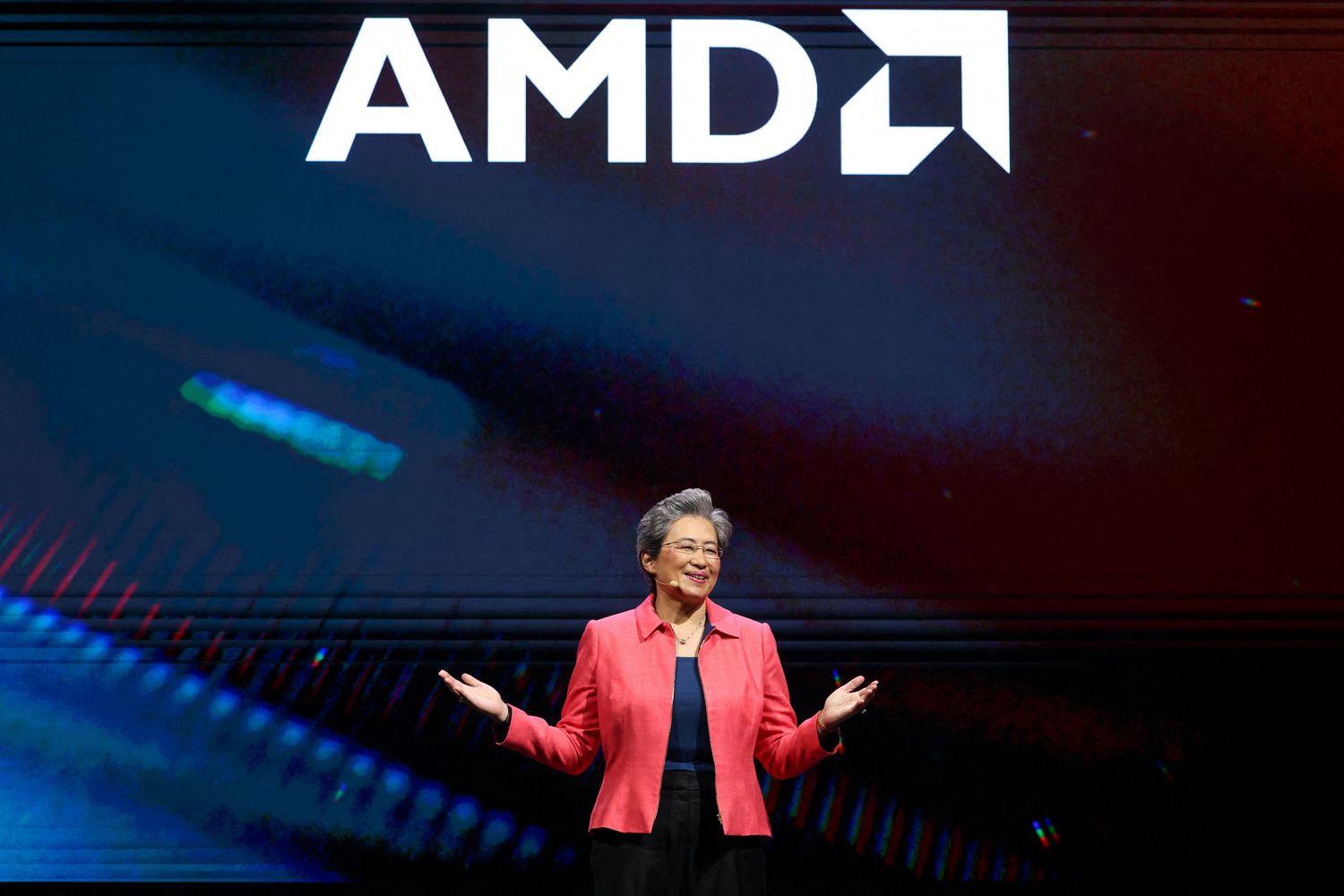
AMD and Meta, OpenAI Strike Major Deals

- Strategic Partnerships: AMD has secured agreements with Meta and OpenAI to supply 6 gigawatts of AI accelerators, with total deal values exceeding $100 billion, which not only solidifies AMD's leadership in the data center market but also lays a strong foundation for future growth.
- Equity Incentive Mechanism: As part of the agreements, AMD will offer warrants based on deployment and stock price thresholds, a strategy designed to incentivize partners to boost AMD's share price, thereby enhancing its competitive position in the market.
- Cloud Computing Opportunities: Amazon, as the leader in the cloud computing market, is accelerating its revenue growth and plans to invest more in developing custom AI chips, a strategy that will significantly bolster its profitability, especially amid surging demand for AI services.
- E-commerce Operational Efficiency: Amazon leverages AI and robotics in its e-commerce operations, resulting in a 24% year-over-year increase in North American e-commerce operating income, indicating that its competitive advantage in the market will continue to expand.
See More

Proposed US Export Restrictions on AI Chips Could Impact Nvidia and AMD
- Export Restriction Risks: The US government is considering implementing an approval system for AI chip exports from companies like Nvidia and AMD, requiring them to obtain Department of Commerce approval before shipping, which could significantly impact their international sales and market share.
- Tiered Licensing System: The proposed regulations will establish a tiered licensing system based on shipment size, with shipments of 1,000 GPUs or fewer subject to cursory reviews, while those exceeding 200,000 GPUs will require certifications from host country governments, increasing compliance costs and extending delivery timelines.
- Impact on China Market: Nvidia's chip sales to China reached $17 billion in 2024, accounting for 13% of its total sales, and export restrictions could further hinder its sales in the Chinese market, affecting future revenue growth.
- Industry Outlook Uncertainty: Although the proposed rules have not yet been finalized, their implementation could severely stunt the AI growth potential of Nvidia and AMD, prompting investors to closely monitor developments to assess potential risks.
See More
AMD's AI Infrastructure Expansion Potential Analysis
- Valuation Pullback: Following earnings, AMD experienced a pullback, with its current valuation being 42% lower than the model, indicating market skepticism about its future growth potential, which may present a buying opportunity for investors.
- MI350 Catalyst: The launch of the MI350 is seen as a key driver for AMD's development in the AI sector, and if successfully executed, it could significantly enhance the company's market competitiveness and profitability.
- Profitability Outlook: Should AMD effectively convert AI demand into sustained profitability, it is expected to bring long-term earnings growth, thereby altering market perceptions of its future performance.
- Market Price Reference: Market prices as of February 27, 2026, were used as the basis for analysis, with the video published on March 4, 2026, reflecting market expectations for AMD's future performance.
See More
US Proposes Global Restrictions on AI Chip Exports
- New Export Regulations: The US Commerce Department's draft regulations will require companies to obtain US approval for AI accelerator exports globally, expanding current restrictions that cover around 40 countries, potentially impacting the global AI supply chain.
- Market Reaction: Following this news, shares of Nvidia and AMD fell by 1.9% and 2.3% respectively, indicating market concerns over the supply chain risks posed by the new regulations, which could affect short-term revenue for these companies.
- Government Involvement: For exports exceeding 200,000 Nvidia GB300 GPUs, the host government must be involved in the approval process, indicating that the US will act as a gatekeeper for the AI industry, imposing stricter regulations on foreign exports.
- Strategic Investment Requirements: The new regulations stipulate that the US government will only approve exports to allies that make stringent security commitments and “matching” investments in American AI, without specifying an investment ratio, potentially complicating international collaborations.
See More
U.S. Considers New AI Chip Export Framework
- New Export Framework Proposal: The U.S. government is considering a new export framework that may require foreign governments seeking large quantities of AI chips, particularly orders of 200,000 units or more, to invest in U.S. data centers, which could significantly impact international demand and supply chain dynamics for American chips.
- Policy Shift: Unlike the lenient approach during the Biden administration, the new proposal mandates licenses even for installations involving fewer than 1,000 chips, potentially complicating export processes and affecting operational efficiency for companies involved.
- Security Oversight Requirements: Foreign companies requesting up to 100,000 chips may need to provide government-to-government security assurances, while installations approaching 200,000 chips could face visits from U.S. export control officials, enhancing regulatory oversight on AI chip exports.
- Market Reaction: Shares of Nvidia and AMD exhibited volatility following the news, with Nvidia closing up 0.16% at $183.34 but slipping 0.68% in after-hours trading, while AMD fell 1.30% during regular trading, reflecting market uncertainty regarding the new policy.
See More
Microsoft Continues Partnership with Anthropic Amid Pentagon Concerns
- Ongoing Technical Collaboration: Microsoft has announced it will continue to embed Anthropic's AI technology in its products despite the U.S. Department of Defense labeling it a supply chain risk, demonstrating Microsoft's confidence in the technology and commitment to its clients.
- Anticipated Legal Challenge: Anthropic plans to challenge the Department of Defense's supply chain risk designation in court, a move that could impact its government partnerships and reflects the complexities of AI technology regulation in the market.
- Competitive Market Dynamics: Following the breakdown of negotiations between the Pentagon and Anthropic, OpenAI has secured the opportunity to provide classified workloads for the Department of Defense, indicating intensified market competition that could influence future collaboration dynamics for Microsoft.
- Investment Commitments: Anthropic has committed to investing $30 billion in Microsoft's Azure cloud services, while Microsoft will invest up to $5 billion in Anthropic, further solidifying their strategic partnership and enhancing their market positions in the AI sector.
See More
AMD and Meta, OpenAI Strike Major Deals
- Strategic Partnerships: AMD has secured agreements with Meta and OpenAI to supply 6 gigawatts of AI accelerators, with total deal values exceeding $100 billion, which not only solidifies AMD's leadership in the data center market but also lays a strong foundation for future growth.
- Equity Incentive Mechanism: As part of the agreements, AMD will offer warrants based on deployment and stock price thresholds, a strategy designed to incentivize partners to boost AMD's share price, thereby enhancing its competitive position in the market.
- Cloud Computing Opportunities: Amazon, as the leader in the cloud computing market, is accelerating its revenue growth and plans to invest more in developing custom AI chips, a strategy that will significantly bolster its profitability, especially amid surging demand for AI services.
- E-commerce Operational Efficiency: Amazon leverages AI and robotics in its e-commerce operations, resulting in a 24% year-over-year increase in North American e-commerce operating income, indicating that its competitive advantage in the market will continue to expand.
See More
Proposed US Export Restrictions on AI Chips Could Impact Nvidia and AMD
- Export Restriction Risks: The US government is considering implementing an approval system for AI chip exports from companies like Nvidia and AMD, requiring them to obtain Department of Commerce approval before shipping, which could significantly impact their international sales and market share.
- Tiered Licensing System: The proposed regulations will establish a tiered licensing system based on shipment size, with shipments of 1,000 GPUs or fewer subject to cursory reviews, while those exceeding 200,000 GPUs will require certifications from host country governments, increasing compliance costs and extending delivery timelines.
- Impact on China Market: Nvidia's chip sales to China reached $17 billion in 2024, accounting for 13% of its total sales, and export restrictions could further hinder its sales in the Chinese market, affecting future revenue growth.
- Industry Outlook Uncertainty: Although the proposed rules have not yet been finalized, their implementation could severely stunt the AI growth potential of Nvidia and AMD, prompting investors to closely monitor developments to assess potential risks.
See More