U.S. Bancorp Stock Outlook: Is Wall Street Bullish or Bearish?
Written by Emily J. Thompson, Senior Investment Analyst
Updated: May 07 2025
0mins


Source: NASDAQ.COM
Company Overview and Performance: U.S. Bancorp, a financial services company with a market cap of $63.8 billion, has underperformed the market over the past year, with its shares declining 2% compared to an 8.2% increase in the S&P 500 Index. Despite this, the company reported a 3.6% revenue growth in Q1 and improved credit quality.
Analyst Ratings and Future Outlook: Analysts maintain a "Moderate Buy" consensus rating for USB, with expectations of an 8.3% EPS growth for the current fiscal year. Price targets suggest potential upside, with Piper Sandler setting a target of $48, indicating a 17.1% increase from current levels.
Trade with 70% Backtested Accuracy
Stop guessing "Should I Buy USB?" and start using high-conviction signals backed by rigorous historical data.
Sign up today to access powerful investing tools and make smarter, data-driven decisions.
Analyst Views on USB
Wall Street analysts forecast USB stock price to fall
20 Analyst Rating
12 Buy
7 Hold
1 Sell
Moderate Buy
Current: 61.730

Low
50.00
Averages
58.87
High
75.00
Current: 61.730
Low
50.00
Averages
58.87
High
75.00
About USB
U.S. Bancorp is a financial services holding company. Its segments are Wealth, Corporate, Commercial and Institutional Banking, Consumer and Business Banking, Payment Services, and Treasury and Corporate Support. It provides a full range of financial services, including lending and depository services, cash management, capital markets, and trust and investment management services. It also engages in credit card services, merchant and ATM processing, mortgage banking, insurance, brokerage and leasing. Its banking subsidiary, U.S. Bank National Association (USBNA), is engaged in the banking business, principally in domestic markets. USBNA provides a range of products and services to individuals, businesses, institutional organizations, governmental entities and other financial institutions. Its non-banking subsidiaries offer investment and insurance products to its customers principally within its domestic markets, and fund administration services to a range of mutual and other funds.
About the author

Emily J. Thompson
Emily J. Thompson, a Chartered Financial Analyst (CFA) with 12 years in investment research, graduated with honors from the Wharton School. Specializing in industrial and technology stocks, she provides in-depth analysis for Intellectia’s earnings and market brief reports.

Analysis of US Bancorp Preferred Shares Performance

- Price Performance Comparison: US Bancorp's 4.00% Preferred Shares (USB.PRR) fell approximately 0.4% on Tuesday, while common shares (USB) rose about 0.6%, indicating relative weakness in preferred shares amidst market fluctuations, which may affect investor perceptions of their attractiveness.
- Dividend History Review: The dividend payment history of USB.PRR demonstrates its provision of stable returns to investors; despite the current price decline, its 4.00% yield remains appealing to those seeking fixed income, highlighting the importance of preferred shares in a low-interest-rate environment.
- Market Sentiment Analysis: The current market sentiment appears optimistic towards US Bancorp's common shares, likely due to expectations of overall economic recovery, while the performance of preferred shares may be influenced by investor risk appetite, leading to their underperformance.
- Investor Focus: As market attention on dividend yields intensifies, the performance of USB.PRR could impact asset allocation decisions among investors, particularly those seeking stable income, potentially leading to a reassessment of the attractiveness of preferred shares.
See More

US Stocks Close Higher, Led by Tech Gains


- Strong Market Performance: The S&P 500 rose by 0.72%, reaching a 2.5-week high, while the Dow Jones Industrial Average increased by 0.29%, setting a new all-time high, reflecting robust confidence in tech stocks and chipmakers.
- Supportive Economic Data: The US June ISM services index stood at 54.0, meeting expectations, with the employment sub-index rising to 51.2, surpassing the anticipated 48.2, indicating ongoing economic expansion that may alleviate Fed rate hike pressures.
- Optimistic Earnings Outlook: Bloomberg Intelligence forecasts a 23% increase in Q2 earnings, close to Q1's 30% surge, primarily driven by strong performance in AI infrastructure stocks, expected to contribute nearly 60% of earnings growth, further boosting market sentiment.
- International Market Fluctuations: While US stocks rose, European markets generally declined, with Eurozone May retail sales increasing by only 0.2%, below the expected 0.3%, highlighting uneven global economic recovery that could impact investor confidence.
See More
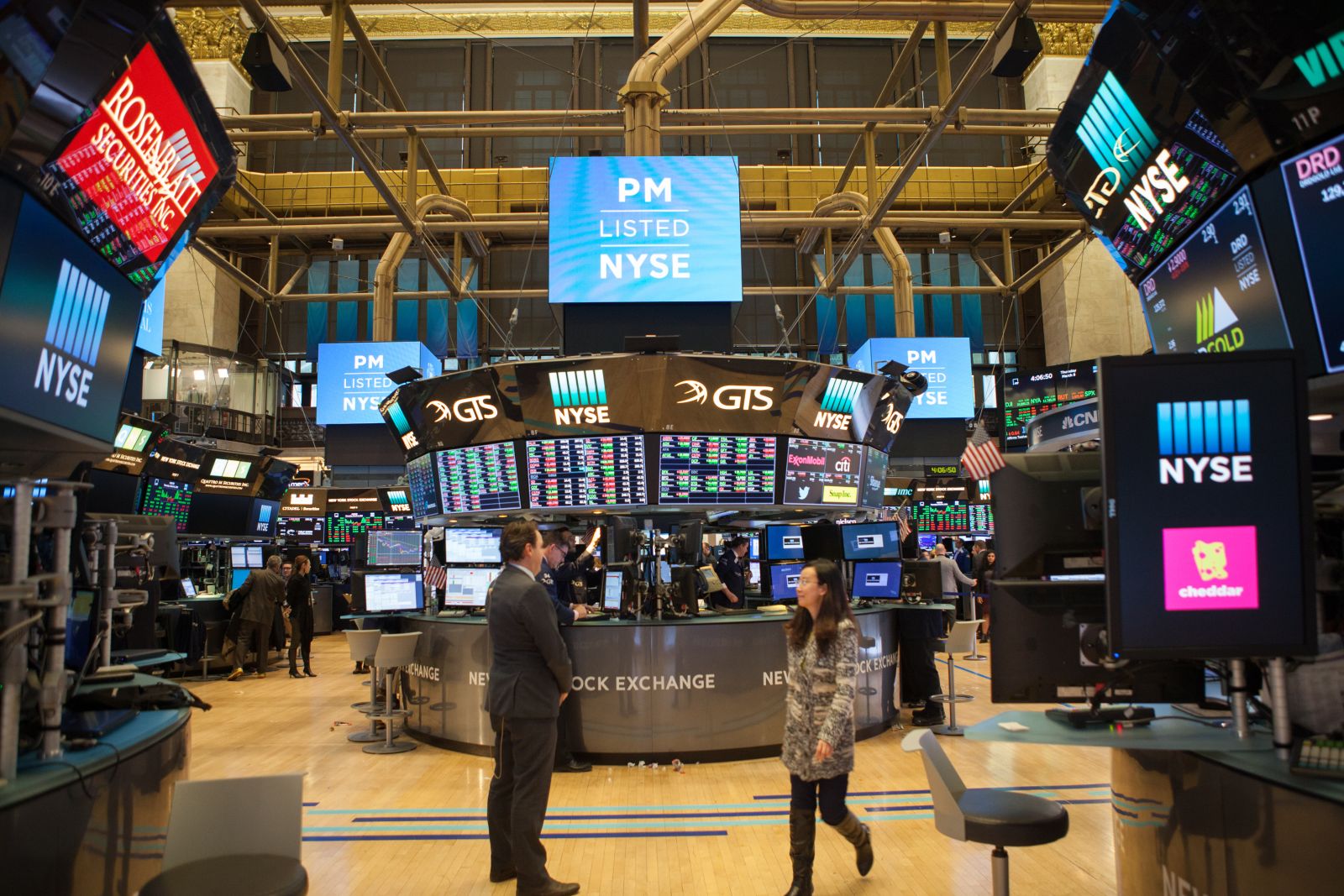
Mixed Performance in US Stocks, Led by Chipmakers


- Chipmaker Rally: Chipmakers and AI infrastructure stocks are leading the market today, with the iShares Semiconductor ETF (SOXX) up over 3%, and Advanced Micro Devices (AMD) and Western Digital (WDC) rising more than 9%, indicating a resurgence of confidence in tech stocks that could drive overall market gains.
- Service Sector Expansion: The US June ISM services index fell to 54.0, meeting expectations, and although the pace of growth has slowed, the employment sub-index rose to 51.2, surpassing the expected 48.2, suggesting that companies are still hiring amid easing cost pressures, potentially supporting economic growth.
- Strong Q2 Earnings Outlook: Bloomberg Intelligence forecasts a 23% increase in Q2 earnings, close to Q1's 30% growth, primarily driven by AI spending, which is expected to account for nearly 60% of S&P 500 earnings-per-share growth, providing an optimistic outlook for investors.
- International Market Volatility: While US markets show positive performance, overseas markets are generally declining, with the Euro Stoxx 50 down 0.43%, reflecting global economic uncertainties that may impact investor sentiment.
See More
US Stocks Show Mixed Movement, Led by Chipmakers
- Market Performance: The S&P 500 Index rose by 0.43% and the Nasdaq 100 Index increased by 1.17%, driven by strong performances from chipmakers and AI infrastructure stocks, reflecting heightened investor confidence in technology shares.
- Oil Price Impact: WTI crude oil prices fell by 0.5% as Saudi Arabia and the UAE ramped up shipments to near pre-war levels, which eased inflation expectations and led to a 2 basis point drop in the 10-year T-note yield to 4.46%, providing support for the bond market.
- Earnings Outlook: Bloomberg Intelligence forecasts a 23% increase in Q2 earnings, close to Q1's 30% growth, indicating that AI spending will be a major driver, expected to contribute nearly 60% to the S&P 500's earnings-per-share growth.
- International Market Dynamics: European stock markets are generally down, with Eurozone May retail sales rising 0.2% month-over-month, below the expected 0.3%, while German May factory orders increased by 1.9%, exceeding the expected 1.1%, indicating a mixed economic recovery.
See More

Jefferies Upgrades U.S. Bancorp to Buy, Downgrades Huntington Bancshares

- USB Upgrade: Jefferies upgraded U.S. Bancorp (USB) from Hold to Buy, citing its net interest and fee income trending towards the high end of guidance, with potential operating leverage improvement for 2026 raised from 200 basis points to nearly 300, indicating strong profitability and diversified revenue streams.
- CFR Rating Change: Jefferies raised Cullen/Frost (CFR) from Underperform to Hold due to positive asset sensitivity amid rising rate hike expectations, which, combined with moderating expense growth, could support operating leverage and EPS growth, making the risk/reward balance more favorable.
- HBAN Downgrade: Jefferies downgraded Huntington Bancshares (HBAN) from Buy to Hold, reflecting ongoing M&A-related discounts until deal integrations are complete and clearer visibility on deposit costs and net interest margin trends, impacting its loan profitability optimization strategy.
- Market Reaction: Despite USB and CFR stocks remaining largely unchanged, HBAN saw a 0.7% dip in premarket trading, indicating a cautious market response to the rating changes and reflecting the complex outlook for the banking sector.
See More

Key Wall Street Rating Updates on Monday


- Wise Rating Upgrade: JPMorgan upgraded Wise to overweight, expecting net revenue growth in Q1 and Q2 to exceed mid-term guidance, indicating significant positive momentum in user activity and transaction volumes, which could drive stock price appreciation.
- AMD Price Target Increase: Goldman Sachs raised AMD's price target from $450 to $640, believing strong performance in server CPUs will drive quarterly results, despite potential headwinds in the PC segment, maintaining an overall bullish outlook.
- Netflix Price Target Downgrade: Goldman lowered Netflix's price target from $120 to $110 while maintaining a buy rating, anticipating upcoming earnings to face challenges in user growth and engagement due to seasonal factors and content scheduling impacts.
- IBM Price Target Increase: Bank of America raised IBM's price target from $315 to $330, noting the company's shift towards higher-margin software and M&A activities driving strong free cash flow, indicating potential for future growth.
See More
Analysis of US Bancorp Preferred Shares Performance
- Price Performance Comparison: US Bancorp's 4.00% Preferred Shares (USB.PRR) fell approximately 0.4% on Tuesday, while common shares (USB) rose about 0.6%, indicating relative weakness in preferred shares amidst market fluctuations, which may affect investor perceptions of their attractiveness.
- Dividend History Review: The dividend payment history of USB.PRR demonstrates its provision of stable returns to investors; despite the current price decline, its 4.00% yield remains appealing to those seeking fixed income, highlighting the importance of preferred shares in a low-interest-rate environment.
- Market Sentiment Analysis: The current market sentiment appears optimistic towards US Bancorp's common shares, likely due to expectations of overall economic recovery, while the performance of preferred shares may be influenced by investor risk appetite, leading to their underperformance.
- Investor Focus: As market attention on dividend yields intensifies, the performance of USB.PRR could impact asset allocation decisions among investors, particularly those seeking stable income, potentially leading to a reassessment of the attractiveness of preferred shares.
See More
US Stocks Close Higher, Led by Tech Gains
- Strong Market Performance: The S&P 500 rose by 0.72%, reaching a 2.5-week high, while the Dow Jones Industrial Average increased by 0.29%, setting a new all-time high, reflecting robust confidence in tech stocks and chipmakers.
- Supportive Economic Data: The US June ISM services index stood at 54.0, meeting expectations, with the employment sub-index rising to 51.2, surpassing the anticipated 48.2, indicating ongoing economic expansion that may alleviate Fed rate hike pressures.
- Optimistic Earnings Outlook: Bloomberg Intelligence forecasts a 23% increase in Q2 earnings, close to Q1's 30% surge, primarily driven by strong performance in AI infrastructure stocks, expected to contribute nearly 60% of earnings growth, further boosting market sentiment.
- International Market Fluctuations: While US stocks rose, European markets generally declined, with Eurozone May retail sales increasing by only 0.2%, below the expected 0.3%, highlighting uneven global economic recovery that could impact investor confidence.
See More
Mixed Performance in US Stocks, Led by Chipmakers
- Chipmaker Rally: Chipmakers and AI infrastructure stocks are leading the market today, with the iShares Semiconductor ETF (SOXX) up over 3%, and Advanced Micro Devices (AMD) and Western Digital (WDC) rising more than 9%, indicating a resurgence of confidence in tech stocks that could drive overall market gains.
- Service Sector Expansion: The US June ISM services index fell to 54.0, meeting expectations, and although the pace of growth has slowed, the employment sub-index rose to 51.2, surpassing the expected 48.2, suggesting that companies are still hiring amid easing cost pressures, potentially supporting economic growth.
- Strong Q2 Earnings Outlook: Bloomberg Intelligence forecasts a 23% increase in Q2 earnings, close to Q1's 30% growth, primarily driven by AI spending, which is expected to account for nearly 60% of S&P 500 earnings-per-share growth, providing an optimistic outlook for investors.
- International Market Volatility: While US markets show positive performance, overseas markets are generally declining, with the Euro Stoxx 50 down 0.43%, reflecting global economic uncertainties that may impact investor sentiment.
See More
US Stocks Show Mixed Movement, Led by Chipmakers
- Market Performance: The S&P 500 Index rose by 0.43% and the Nasdaq 100 Index increased by 1.17%, driven by strong performances from chipmakers and AI infrastructure stocks, reflecting heightened investor confidence in technology shares.
- Oil Price Impact: WTI crude oil prices fell by 0.5% as Saudi Arabia and the UAE ramped up shipments to near pre-war levels, which eased inflation expectations and led to a 2 basis point drop in the 10-year T-note yield to 4.46%, providing support for the bond market.
- Earnings Outlook: Bloomberg Intelligence forecasts a 23% increase in Q2 earnings, close to Q1's 30% growth, indicating that AI spending will be a major driver, expected to contribute nearly 60% to the S&P 500's earnings-per-share growth.
- International Market Dynamics: European stock markets are generally down, with Eurozone May retail sales rising 0.2% month-over-month, below the expected 0.3%, while German May factory orders increased by 1.9%, exceeding the expected 1.1%, indicating a mixed economic recovery.
See More
Jefferies Upgrades U.S. Bancorp to Buy, Downgrades Huntington Bancshares
- USB Upgrade: Jefferies upgraded U.S. Bancorp (USB) from Hold to Buy, citing its net interest and fee income trending towards the high end of guidance, with potential operating leverage improvement for 2026 raised from 200 basis points to nearly 300, indicating strong profitability and diversified revenue streams.
- CFR Rating Change: Jefferies raised Cullen/Frost (CFR) from Underperform to Hold due to positive asset sensitivity amid rising rate hike expectations, which, combined with moderating expense growth, could support operating leverage and EPS growth, making the risk/reward balance more favorable.
- HBAN Downgrade: Jefferies downgraded Huntington Bancshares (HBAN) from Buy to Hold, reflecting ongoing M&A-related discounts until deal integrations are complete and clearer visibility on deposit costs and net interest margin trends, impacting its loan profitability optimization strategy.
- Market Reaction: Despite USB and CFR stocks remaining largely unchanged, HBAN saw a 0.7% dip in premarket trading, indicating a cautious market response to the rating changes and reflecting the complex outlook for the banking sector.
See More
Key Wall Street Rating Updates on Monday
- Wise Rating Upgrade: JPMorgan upgraded Wise to overweight, expecting net revenue growth in Q1 and Q2 to exceed mid-term guidance, indicating significant positive momentum in user activity and transaction volumes, which could drive stock price appreciation.
- AMD Price Target Increase: Goldman Sachs raised AMD's price target from $450 to $640, believing strong performance in server CPUs will drive quarterly results, despite potential headwinds in the PC segment, maintaining an overall bullish outlook.
- Netflix Price Target Downgrade: Goldman lowered Netflix's price target from $120 to $110 while maintaining a buy rating, anticipating upcoming earnings to face challenges in user growth and engagement due to seasonal factors and content scheduling impacts.
- IBM Price Target Increase: Bank of America raised IBM's price target from $315 to $330, noting the company's shift towards higher-margin software and M&A activities driving strong free cash flow, indicating potential for future growth.
See More