US Airlines Face Demand Risks Amid Shutdown
Written by Emily J. Thompson, Senior Investment Analyst
Updated: Mar 14 2026
0mins

Should l Buy LUV?
Source: Yahoo Finance
- Security Delays Impact: The partial government shutdown has caused massive slowdowns at TSA checkpoints in major airports, leading travelers to potentially opt for driving instead of flying, negatively affecting airline demand.
- Economic Impact Evident: Airlines experienced a 43-day shutdown in Q4, with reports indicating that this event has had a measurable impact on earnings, highlighting the increasing economic pressure on the aviation sector.
- Emotional Factors Affect Stock Prices: Experts note that market sentiment is also reflected in airline stock prices, and if the situation calms down, a rebound in share prices may occur; however, the current demand stagnation poses challenges for the industry's outlook.
- Demand Trend Uncertainty: With security delays and global entry restrictions, the future trends of airline demand have become increasingly uncertain, potentially leading consumers to be more cautious in their travel choices, further impacting airline performance.
Trade with 70% Backtested Accuracy
Stop guessing "Should I Buy LUV?" and start using high-conviction signals backed by rigorous historical data.
Sign up today to access powerful investing tools and make smarter, data-driven decisions.
Analyst Views on LUV
Wall Street analysts forecast LUV stock price to rise
14 Analyst Rating
4 Buy
9 Hold
1 Sell
Hold
Current: 41.700

Low
34.00
Averages
44.21
High
60.00
Current: 41.700
Low
34.00
Averages
44.21
High
60.00
About LUV
Southwest Airlines Co. (Southwest) operates Southwest Airlines, a passenger airline that provides scheduled air transportation in the United States and near-international markets. The Company's fare products include four categories: Wanna Get Away, Wanna Get Away Plus, Anytime, and Business Select to provide customers options when choosing a fare. It also offers ancillary services, such as EarlyBird Check-In, Upgraded Boarding, and transportation of pets and unaccompanied minors, in accordance with Southwest’s respective policies. Its Rapid Rewards loyalty program enables program members to earn points for every dollar spent on Southwest base fares, also including purchases paid with LUV Vouchers, gift cards, or flight credit, with no portion of the purchase price paid with Rapid Rewards points. It operates over 803 Boeing 737 aircraft in its fleet and serves 117 destinations in 42 states, the District of Columbia, the Commonwealth of Puerto Rico, and ten near-international countries.
About the author

Emily J. Thompson
Emily J. Thompson, a Chartered Financial Analyst (CFA) with 12 years in investment research, graduated with honors from the Wharton School. Specializing in industrial and technology stocks, she provides in-depth analysis for Intellectia’s earnings and market brief reports.
Southwest Airlines Invites to Q1 2026 Financial Results Webcast

- Webcast Timing: Southwest Airlines is set to host a live webcast for its Q1 2026 financial results on April 23, 2026, at 10:00 AM Eastern Time, aimed at providing investors with the latest financial performance insights.
- Executive Participation: The earnings call will feature Bob Jordan, President and CEO, Andrew Watterson, COO, and Tom Doxey, CFO, ensuring that investors receive direct insights from the company's top management team.
- Access Method: Investors can access the live webcast through Southwest Airlines' investor relations website (http://www.southwestairlinesinvestorrelations.com/) or find it via the “Investor Relations” link under the “About Southwest” menu on the main website, facilitating easy access.
- Registration Details: Registration for the webcast will open 20 minutes prior to the start of the call, ensuring participants can smoothly join the meeting and receive real-time financial data.
See More

Nasdaq Matches 12-Day Winning Streak, Highest Since 2009


- Nasdaq Performance: The Nasdaq index has surged 15% over the past 12 trading days, marking the longest winning streak since 2009, indicating a strong market recovery and renewed investor confidence.
- Major Index Rebounds: During the same period, the Dow Jones Industrial Average rose 7.5% and the S&P 500 increased by 12.5%, with both tech and communication services sectors up 13%, reflecting a preference for technology stocks in the market.
- Regional Bank Dynamics: Fifth Third Bancorp has risen 0.7% over the last three months but remains 11% below its 52-week high; Regions Financial is up 0.5%, also 11% below its 52-week peak, highlighting pressures faced by regional banks.
- Netflix Earnings Reaction: Despite Netflix exceeding expectations in its quarterly report and seeing a 15% year-to-date increase, its stock fell 9% in after-hours trading due to investor dissatisfaction with future guidance, reflecting caution regarding future growth.
See More
US Stocks Close Higher with Chipmakers Rallying


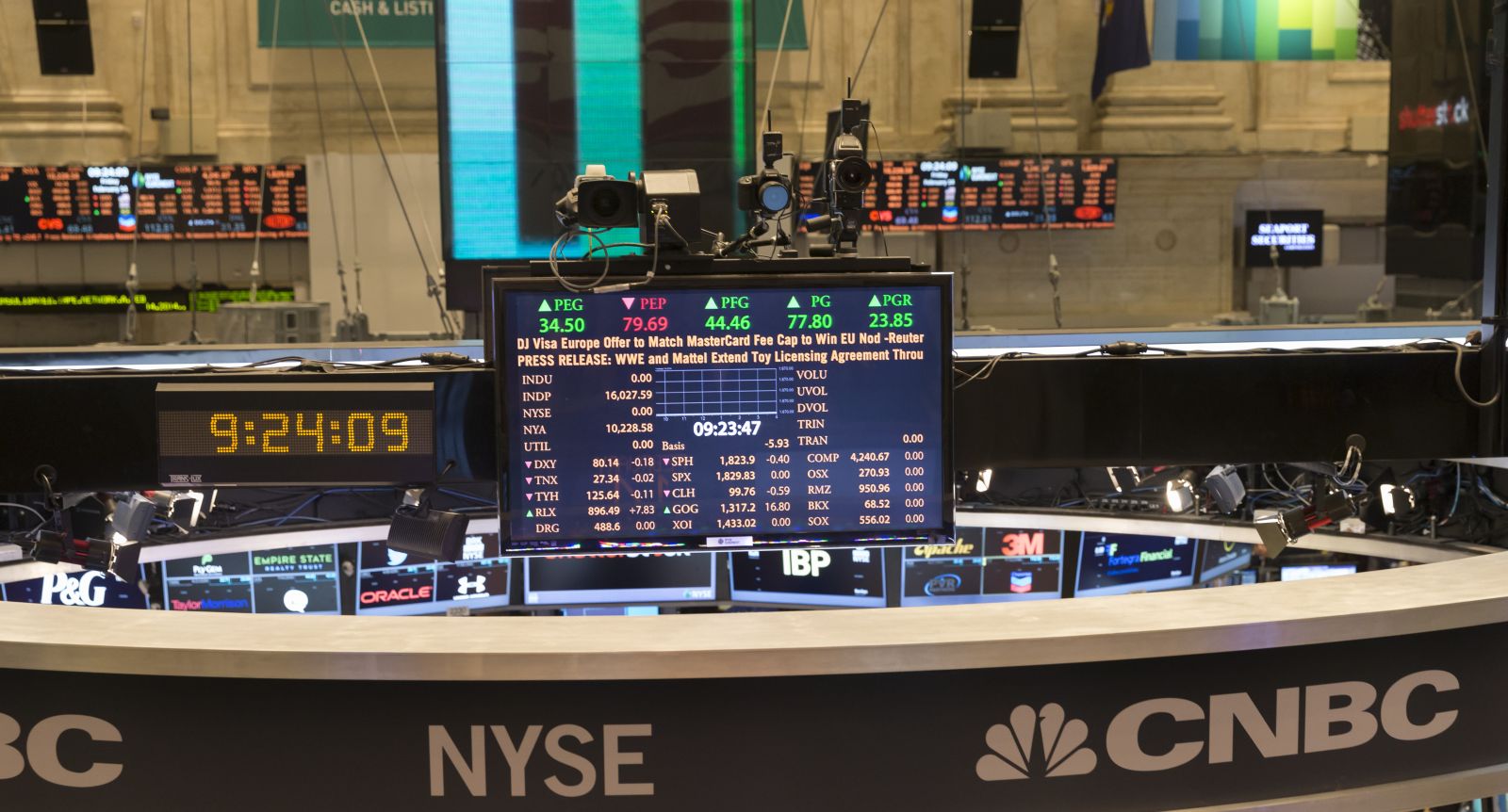
- Market Recovery: On Thursday, the S&P 500 rose by 0.26% and the Nasdaq 100 by 0.49%, reaching new highs, indicating a strong rebound after early losses and reflecting investor confidence in economic recovery.
- Chip Sector Boost: Taiwan Semiconductor Manufacturing Co raised its 2026 revenue forecast, highlighting strong AI demand, which propelled chipmakers' stock prices, particularly benefiting major suppliers to Nvidia and Apple, further enhancing market optimism.
- Oil Price Impact: Despite the stock market gains, crude oil prices surged over 3%, raising concerns about the Middle East situation and limiting the market's upward momentum, illustrating the potential impact of energy prices on the overall economy.
- Mixed Economic Data: Initial jobless claims fell to 207,000, exceeding expectations and indicating labor market strength, but unexpected declines in manufacturing production reflect economic uncertainty, which could influence future monetary policy.
See More

Southwest Airlines Invites to Q1 2026 Financial Results Webcast
- Webcast Timing: Southwest Airlines will host a live webcast of its Q1 2026 financial results on April 23, 2026, at 10:00 AM Eastern Time, aimed at providing investors with insights into the latest financial performance and strategic direction.
- Executive Participation: The earnings call will feature Bob Jordan, President and CEO, Andrew Watterson, COO, and Tom Doxey, CFO, ensuring that investors receive direct insights and analyses from the senior management team.
- Access Information: Investors can access the live webcast through Southwest Airlines' investor relations website (http://www.southwestairlinesinvestorrelations.com/) or find it on the company’s homepage under the “Investor Relations” section, facilitating easy access to important information.
- Registration Details: Registration for the webcast will open 20 minutes prior to the start of the call, ensuring participants can smoothly connect and receive the latest financial data and company updates.
See More

US Stocks Rise Slightly, Chipmakers Rebound

- Chipmaker Rebound: Taiwan Semiconductor Manufacturing Co raised its 2026 revenue forecast, reflecting strong AI demand, which led to a rebound in chipmakers, with ON Semiconductor up over 10% and AMD up over 5%, indicating renewed market confidence in tech stocks.
- Mixed Economic Data: Initial jobless claims fell to 207,000, below the expected 213,000, suggesting a strong labor market; however, manufacturing production unexpectedly declined by 0.1%, highlighting the unevenness of economic recovery, which could influence future policy decisions.
- Oil Price Surge Impact: WTI crude oil prices rose over 2% due to escalating tensions between Iran and the US, potentially exacerbating global oil and fuel shortages, which negatively affects airline and cruise line profitability, leading to declines in related stocks.
- Earnings Season Begins: Q1 earnings for the S&P 500 are projected to rise by 12% year-over-year, but excluding the tech sector, growth is only expected at 3%, raising concerns about the profitability of non-tech stocks and potentially impacting investor confidence.
See More

Airlines Raise Fares Amid Surge in Fuel Costs Following U.S.-Israel Actions
- Surge in Fuel Costs: Airlines have raised ticket prices, fuel surcharges, and baggage fees in response to a surge in fuel costs since the U.S. and Israel's actions against Iran on February 28, with jet fuel prices reaching an average of $4.88 per gallon on April 2, marking a 95% increase since then.
- Lawmakers Urge Price Cuts: U.S. Rep. Ritchie Torres has called on major U.S. airlines to lower fares when fuel prices decline, emphasizing that airline pricing should be responsive to global fuel costs to ensure economic fairness for consumers.
- Airlines' Strategic Responses: Delta Airlines anticipates a $2 billion headwind from fuel this quarter and plans to significantly scale back capacity, which could lead to higher fares if demand remains strong, highlighting the delicate balance between capacity and pricing.
- High-End Consumer Demand: Despite rising fuel prices, airlines report strong demand, with Delta CEO Ed Bastian noting that high-end consumers are becoming less sensitive to economic headlines and continue to invest in travel experiences, which is driving recovery in the airline industry.
See More
Southwest Airlines Invites to Q1 2026 Financial Results Webcast
- Webcast Timing: Southwest Airlines is set to host a live webcast for its Q1 2026 financial results on April 23, 2026, at 10:00 AM Eastern Time, aimed at providing investors with the latest financial performance insights.
- Executive Participation: The earnings call will feature Bob Jordan, President and CEO, Andrew Watterson, COO, and Tom Doxey, CFO, ensuring that investors receive direct insights from the company's top management team.
- Access Method: Investors can access the live webcast through Southwest Airlines' investor relations website (http://www.southwestairlinesinvestorrelations.com/) or find it via the “Investor Relations” link under the “About Southwest” menu on the main website, facilitating easy access.
- Registration Details: Registration for the webcast will open 20 minutes prior to the start of the call, ensuring participants can smoothly join the meeting and receive real-time financial data.
See More
Nasdaq Matches 12-Day Winning Streak, Highest Since 2009
- Nasdaq Performance: The Nasdaq index has surged 15% over the past 12 trading days, marking the longest winning streak since 2009, indicating a strong market recovery and renewed investor confidence.
- Major Index Rebounds: During the same period, the Dow Jones Industrial Average rose 7.5% and the S&P 500 increased by 12.5%, with both tech and communication services sectors up 13%, reflecting a preference for technology stocks in the market.
- Regional Bank Dynamics: Fifth Third Bancorp has risen 0.7% over the last three months but remains 11% below its 52-week high; Regions Financial is up 0.5%, also 11% below its 52-week peak, highlighting pressures faced by regional banks.
- Netflix Earnings Reaction: Despite Netflix exceeding expectations in its quarterly report and seeing a 15% year-to-date increase, its stock fell 9% in after-hours trading due to investor dissatisfaction with future guidance, reflecting caution regarding future growth.
See More
US Stocks Close Higher with Chipmakers Rallying
- Market Recovery: On Thursday, the S&P 500 rose by 0.26% and the Nasdaq 100 by 0.49%, reaching new highs, indicating a strong rebound after early losses and reflecting investor confidence in economic recovery.
- Chip Sector Boost: Taiwan Semiconductor Manufacturing Co raised its 2026 revenue forecast, highlighting strong AI demand, which propelled chipmakers' stock prices, particularly benefiting major suppliers to Nvidia and Apple, further enhancing market optimism.
- Oil Price Impact: Despite the stock market gains, crude oil prices surged over 3%, raising concerns about the Middle East situation and limiting the market's upward momentum, illustrating the potential impact of energy prices on the overall economy.
- Mixed Economic Data: Initial jobless claims fell to 207,000, exceeding expectations and indicating labor market strength, but unexpected declines in manufacturing production reflect economic uncertainty, which could influence future monetary policy.
See More
Southwest Airlines Invites to Q1 2026 Financial Results Webcast
- Webcast Timing: Southwest Airlines will host a live webcast of its Q1 2026 financial results on April 23, 2026, at 10:00 AM Eastern Time, aimed at providing investors with insights into the latest financial performance and strategic direction.
- Executive Participation: The earnings call will feature Bob Jordan, President and CEO, Andrew Watterson, COO, and Tom Doxey, CFO, ensuring that investors receive direct insights and analyses from the senior management team.
- Access Information: Investors can access the live webcast through Southwest Airlines' investor relations website (http://www.southwestairlinesinvestorrelations.com/) or find it on the company’s homepage under the “Investor Relations” section, facilitating easy access to important information.
- Registration Details: Registration for the webcast will open 20 minutes prior to the start of the call, ensuring participants can smoothly connect and receive the latest financial data and company updates.
See More
US Stocks Rise Slightly, Chipmakers Rebound
- Chipmaker Rebound: Taiwan Semiconductor Manufacturing Co raised its 2026 revenue forecast, reflecting strong AI demand, which led to a rebound in chipmakers, with ON Semiconductor up over 10% and AMD up over 5%, indicating renewed market confidence in tech stocks.
- Mixed Economic Data: Initial jobless claims fell to 207,000, below the expected 213,000, suggesting a strong labor market; however, manufacturing production unexpectedly declined by 0.1%, highlighting the unevenness of economic recovery, which could influence future policy decisions.
- Oil Price Surge Impact: WTI crude oil prices rose over 2% due to escalating tensions between Iran and the US, potentially exacerbating global oil and fuel shortages, which negatively affects airline and cruise line profitability, leading to declines in related stocks.
- Earnings Season Begins: Q1 earnings for the S&P 500 are projected to rise by 12% year-over-year, but excluding the tech sector, growth is only expected at 3%, raising concerns about the profitability of non-tech stocks and potentially impacting investor confidence.
See More
Airlines Raise Fares Amid Surge in Fuel Costs Following U.S.-Israel Actions
- Surge in Fuel Costs: Airlines have raised ticket prices, fuel surcharges, and baggage fees in response to a surge in fuel costs since the U.S. and Israel's actions against Iran on February 28, with jet fuel prices reaching an average of $4.88 per gallon on April 2, marking a 95% increase since then.
- Lawmakers Urge Price Cuts: U.S. Rep. Ritchie Torres has called on major U.S. airlines to lower fares when fuel prices decline, emphasizing that airline pricing should be responsive to global fuel costs to ensure economic fairness for consumers.
- Airlines' Strategic Responses: Delta Airlines anticipates a $2 billion headwind from fuel this quarter and plans to significantly scale back capacity, which could lead to higher fares if demand remains strong, highlighting the delicate balance between capacity and pricing.
- High-End Consumer Demand: Despite rising fuel prices, airlines report strong demand, with Delta CEO Ed Bastian noting that high-end consumers are becoming less sensitive to economic headlines and continue to invest in travel experiences, which is driving recovery in the airline industry.
See More