UPS Nears Turnaround Completion, Positive Outlook for H2 2026
Written by Emily J. Thompson, Senior Investment Analyst
Updated: 3 days ago
0mins
Source: NASDAQ.COM
- Stock Volatility: UPS's stock has fallen 50% since its peak in early 2022, yet it has rebounded 30% from its lows in October 2025, indicating growing market confidence in the company's turnaround plan.
- Earnings Expectations: While the first half of 2026 is expected to show weak earnings, UPS has communicated to investors that the second half will see a performance rebound, reflecting the company's optimistic outlook for future growth.
- Signs of Revenue Growth: A steady increase in revenue per piece in the U.S. business serves as a key indicator of the company's early turnaround success, even though overall revenue and operating margins are projected to remain flat compared to 2025.
- Investment Timing: Buying UPS stock before July 15 allows investors to enter before the company reports its second-quarter earnings, although risk-averse investors may be cautious about the ongoing turnaround narrative.
Trade with 70% Backtested Accuracy
Stop guessing "Should I Buy UPS?" and start using high-conviction signals backed by rigorous historical data.
Sign up today to access powerful investing tools and make smarter, data-driven decisions.
Analyst Views on UPS
Wall Street analysts forecast UPS stock price to fall
19 Analyst Rating
9 Buy
9 Hold
1 Sell
Moderate Buy
Current: 107.870

Low
80.00
Averages
107.06
High
126.00
Current: 107.870
Low
80.00
Averages
107.06
High
126.00
About UPS
United Parcel Service, Inc. is a global package delivery and logistics provider. Its U.S. Domestic Package segment offers a full spectrum of air and ground package transportation services. Its air portfolio offers time-definite, same-day, next-day, two-day and three-day delivery alternatives as well as air cargo services. Its ground network enables customers to ship using its day-definite ground service. Ground Saver provides residential ground service for customers with non-urgent, lightweight residential shipments. Its International Package segment consists of small package operations in Europe, Middle East and Africa, Canada and Latin America and Asia. It offers a selection of guaranteed day and time-definite international transportation services supported by its brokerage capabilities that facilitate cross-border clearance for international shipments. Its supply chain solutions consist of customized third-party logistics and specialized cold chain transportation solutions.
About the author

Emily J. Thompson
Emily J. Thompson, a Chartered Financial Analyst (CFA) with 12 years in investment research, graduated with honors from the Wharton School. Specializing in industrial and technology stocks, she provides in-depth analysis for Intellectia’s earnings and market brief reports.

Amazon Expands Trucking Services to All Businesses


- Service Expansion: Amazon announced the expansion of its trucking services to all businesses, offering less-than-truckload shipping as part of its nascent Amazon Supply Chain Services program, which poses a growing threat to traditional freight carriers.
- Market Reaction: Following this announcement, shares of Old Dominion Freight Line fell over 6%, ArcBest dropped 4%, and both Saia and XPO Logistics slid 5%, indicating market concerns over Amazon's increasing competitiveness.
- Logistics Capability Enhancement: Over recent years, Amazon has built a vast logistics network, including 80,000 trailers and 24,000 containers, significantly reducing its reliance on external carriers while improving its shipping efficiency and responsiveness.
- Increased Industry Threat: The expansion of Amazon's logistics services not only meets its own needs but also poses a threat to industry giants like UPS and FedEx, prompting these companies to reassess their market strategies in response to heightened competition.
See More

Amazon Opens LTL Shipping Service to All Businesses
- Increased Market Competition: Amazon's announcement to open its less-than-truckload (LTL) shipping service to all businesses not only expands its logistics market reach but also poses a growing threat to traditional carriers, leading to significant stock declines for companies like FedEx Freight and Old Dominion.
- Significant Stock Market Reaction: Following Amazon's announcement, Old Dominion's shares fell over 6%, while XPO Logistics and Saia also saw declines of 5% each, indicating market concerns regarding Amazon's logistics expansion.
- Expansion of Logistics Empire: Over recent years, Amazon has significantly bolstered its logistics capabilities, now operating 80,000 trailers and 24,000 containers, thereby reducing its reliance on external carriers to enhance its shipping efficiency and speed.
- Customer Demand Driven: The director of Amazon Freight noted that feedback from partners indicated a clear need for enhanced technology, visibility, and reliability in LTL services, driving the expansion of Amazon's logistics offerings to meet the shipping needs of businesses of all sizes.
See More
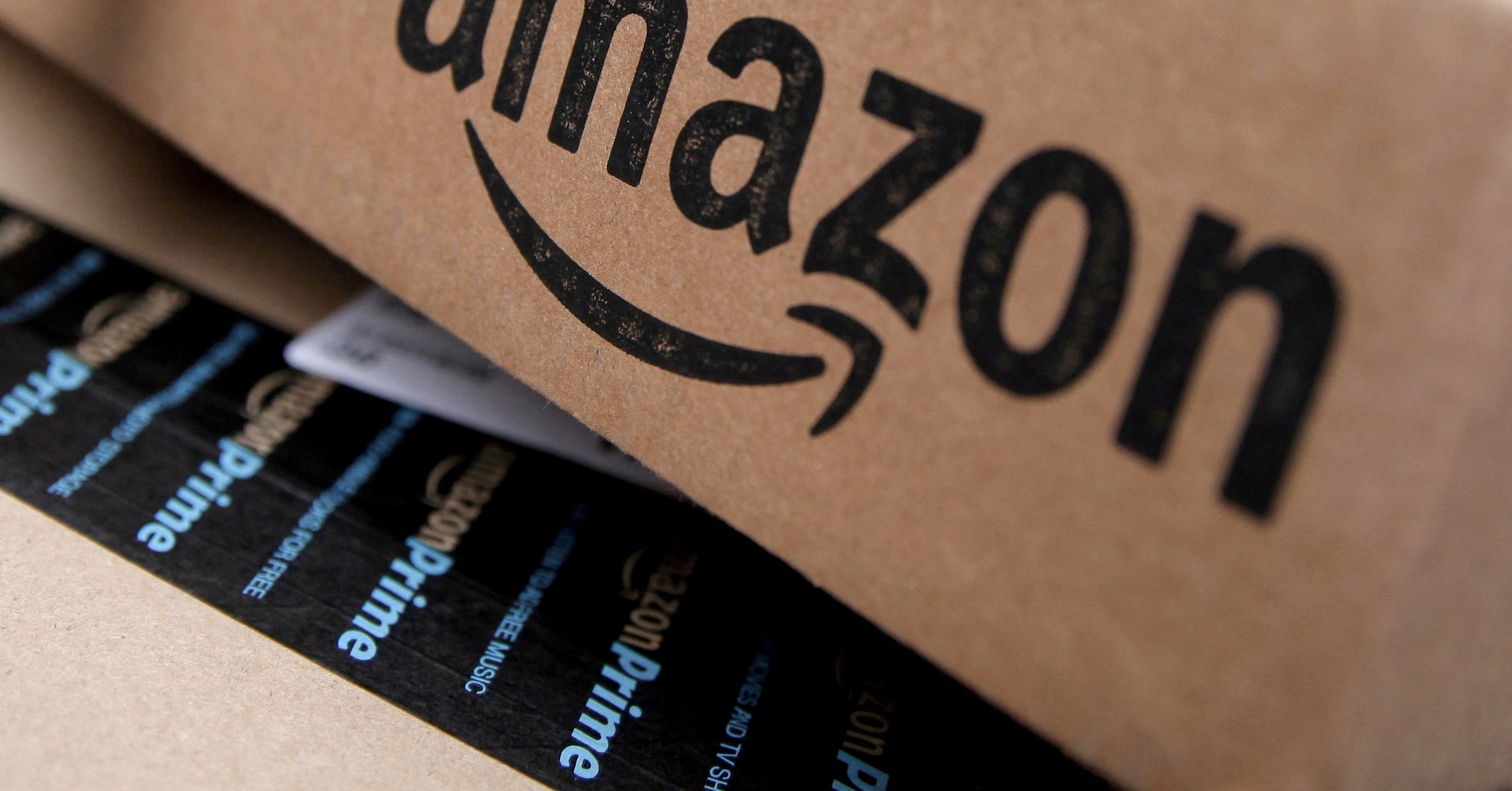
Amazon Expands LTL Freight Services to All Businesses


- Service Expansion Context: Amazon announced the expansion of its less-than-truckload (LTL) freight services to all businesses, driven by strong demand feedback from selling partners and vendors, aiming to enhance its end-to-end logistics unit capabilities.
- Logistics Network Advantage: By leveraging Amazon's massive fleet of over 80,000 trailers and 24,000 intermodal containers, customers can share trailer space for shipping smaller cargoes, significantly reducing transportation costs for businesses needing to ship less than a full truckload.
- Market Competitive Position: This expansion further solidifies Amazon's market position in building its logistics network across the U.S., helping it surpass traditional freight carriers like USPS, UPS, and FedEx to become the largest parcel carrier by volume in the country.
- Stock Market Reaction: Although Amazon's stock was down less than 1% in premarket trading, it has gained over 12% year-to-date, reflecting retail investors' optimism about its future growth, particularly in comparison to competitors FedEx and UPS.
See More

SpaceX IPO Attracts Investor Attention


- Massive IPO Size: SpaceX aims for a valuation exceeding $1.7 trillion, potentially making it the largest IPO in history, which has garnered significant investor interest and could reshape market dynamics.
- Enormous Market Potential: As a leader in rocket launches with 165 completed last year, SpaceX is also making strides in artificial intelligence, with the market expected to exceed $2 trillion within a decade, showcasing strong growth prospects.
- Optimistic Revenue Forecast: Goldman Sachs, the lead underwriter for the IPO, predicts that SpaceX's revenue will soar from $18 billion last year to over $400 billion in five years, indicating robust growth potential that may attract more investors.
- Risks and Opportunities: While SpaceX has ambitious goals, its AI division reported a $6.3 billion loss last year, and some technologies remain unproven, necessitating cautious evaluation of risks for investors considering participation in this high-stakes IPO.
See More

SpaceX's Upcoming IPO Set to Exceed $1.7 Trillion Valuation
- Remarkable IPO Size: SpaceX is set to go public on June 12, aiming for a valuation exceeding $1.7 trillion, which, if successful, would mark the largest IPO in history, drawing significant investor interest and potentially reshaping market dynamics.
- Massive Market Potential: With its operations in space and artificial intelligence, SpaceX is projected to have a total addressable market of $28 trillion, indicating its strategic position in high-growth sectors, with revenue expected to soar from $18 billion last year to over $400 billion in five years.
- Risks and Challenges: Despite the promising outlook, SpaceX's AI division reported a $6.3 billion loss last year, and some objectives depend on unproven technologies, which could hinder profitability and stock performance, necessitating cautious risk assessment by investors.
- Investment Strategy Advice: Historical data shows that IPOs do not always lead to successful stock performance, suggesting that investors should consider the long-term fit of SpaceX in their portfolios before participating in the IPO, rather than following the hype solely based on its size.
See More

AVLV Stock Price Analysis and ETF Dynamics


- Price Fluctuation Analysis: AVLV's 52-week low is $66.35 and high is $91.56, with the current trading price at $90.61, indicating the stock is nearing its high point, which may attract investor interest.
- Technical Analysis Tool: Comparing the current stock price to the 200-day moving average can provide valuable technical insights for investors, aiding in market trend assessments.
- ETF Trading Mechanism: Exchange-traded funds (ETFs) trade similarly to stocks, where investors are buying and selling 'units' that can be created or destroyed based on demand, impacting the liquidity of underlying assets.
- Inflows and Outflows Monitoring: Weekly monitoring of changes in ETF shares outstanding focuses on notable inflows (new units created) or outflows (old units destroyed), which directly affects the performance of individual stocks held within the ETFs.
See More
Amazon Expands Trucking Services to All Businesses
- Service Expansion: Amazon announced the expansion of its trucking services to all businesses, offering less-than-truckload shipping as part of its nascent Amazon Supply Chain Services program, which poses a growing threat to traditional freight carriers.
- Market Reaction: Following this announcement, shares of Old Dominion Freight Line fell over 6%, ArcBest dropped 4%, and both Saia and XPO Logistics slid 5%, indicating market concerns over Amazon's increasing competitiveness.
- Logistics Capability Enhancement: Over recent years, Amazon has built a vast logistics network, including 80,000 trailers and 24,000 containers, significantly reducing its reliance on external carriers while improving its shipping efficiency and responsiveness.
- Increased Industry Threat: The expansion of Amazon's logistics services not only meets its own needs but also poses a threat to industry giants like UPS and FedEx, prompting these companies to reassess their market strategies in response to heightened competition.
See More
Amazon Opens LTL Shipping Service to All Businesses
- Increased Market Competition: Amazon's announcement to open its less-than-truckload (LTL) shipping service to all businesses not only expands its logistics market reach but also poses a growing threat to traditional carriers, leading to significant stock declines for companies like FedEx Freight and Old Dominion.
- Significant Stock Market Reaction: Following Amazon's announcement, Old Dominion's shares fell over 6%, while XPO Logistics and Saia also saw declines of 5% each, indicating market concerns regarding Amazon's logistics expansion.
- Expansion of Logistics Empire: Over recent years, Amazon has significantly bolstered its logistics capabilities, now operating 80,000 trailers and 24,000 containers, thereby reducing its reliance on external carriers to enhance its shipping efficiency and speed.
- Customer Demand Driven: The director of Amazon Freight noted that feedback from partners indicated a clear need for enhanced technology, visibility, and reliability in LTL services, driving the expansion of Amazon's logistics offerings to meet the shipping needs of businesses of all sizes.
See More
Amazon Expands LTL Freight Services to All Businesses
- Service Expansion Context: Amazon announced the expansion of its less-than-truckload (LTL) freight services to all businesses, driven by strong demand feedback from selling partners and vendors, aiming to enhance its end-to-end logistics unit capabilities.
- Logistics Network Advantage: By leveraging Amazon's massive fleet of over 80,000 trailers and 24,000 intermodal containers, customers can share trailer space for shipping smaller cargoes, significantly reducing transportation costs for businesses needing to ship less than a full truckload.
- Market Competitive Position: This expansion further solidifies Amazon's market position in building its logistics network across the U.S., helping it surpass traditional freight carriers like USPS, UPS, and FedEx to become the largest parcel carrier by volume in the country.
- Stock Market Reaction: Although Amazon's stock was down less than 1% in premarket trading, it has gained over 12% year-to-date, reflecting retail investors' optimism about its future growth, particularly in comparison to competitors FedEx and UPS.
See More
SpaceX IPO Attracts Investor Attention
- Massive IPO Size: SpaceX aims for a valuation exceeding $1.7 trillion, potentially making it the largest IPO in history, which has garnered significant investor interest and could reshape market dynamics.
- Enormous Market Potential: As a leader in rocket launches with 165 completed last year, SpaceX is also making strides in artificial intelligence, with the market expected to exceed $2 trillion within a decade, showcasing strong growth prospects.
- Optimistic Revenue Forecast: Goldman Sachs, the lead underwriter for the IPO, predicts that SpaceX's revenue will soar from $18 billion last year to over $400 billion in five years, indicating robust growth potential that may attract more investors.
- Risks and Opportunities: While SpaceX has ambitious goals, its AI division reported a $6.3 billion loss last year, and some technologies remain unproven, necessitating cautious evaluation of risks for investors considering participation in this high-stakes IPO.
See More
SpaceX's Upcoming IPO Set to Exceed $1.7 Trillion Valuation
- Remarkable IPO Size: SpaceX is set to go public on June 12, aiming for a valuation exceeding $1.7 trillion, which, if successful, would mark the largest IPO in history, drawing significant investor interest and potentially reshaping market dynamics.
- Massive Market Potential: With its operations in space and artificial intelligence, SpaceX is projected to have a total addressable market of $28 trillion, indicating its strategic position in high-growth sectors, with revenue expected to soar from $18 billion last year to over $400 billion in five years.
- Risks and Challenges: Despite the promising outlook, SpaceX's AI division reported a $6.3 billion loss last year, and some objectives depend on unproven technologies, which could hinder profitability and stock performance, necessitating cautious risk assessment by investors.
- Investment Strategy Advice: Historical data shows that IPOs do not always lead to successful stock performance, suggesting that investors should consider the long-term fit of SpaceX in their portfolios before participating in the IPO, rather than following the hype solely based on its size.
See More
AVLV Stock Price Analysis and ETF Dynamics
- Price Fluctuation Analysis: AVLV's 52-week low is $66.35 and high is $91.56, with the current trading price at $90.61, indicating the stock is nearing its high point, which may attract investor interest.
- Technical Analysis Tool: Comparing the current stock price to the 200-day moving average can provide valuable technical insights for investors, aiding in market trend assessments.
- ETF Trading Mechanism: Exchange-traded funds (ETFs) trade similarly to stocks, where investors are buying and selling 'units' that can be created or destroyed based on demand, impacting the liquidity of underlying assets.
- Inflows and Outflows Monitoring: Weekly monitoring of changes in ETF shares outstanding focuses on notable inflows (new units created) or outflows (old units destroyed), which directly affects the performance of individual stocks held within the ETFs.
See More