Unitree Demonstrates China's Growing Influence in the Robotics Industry, but Cost Remains a Challenge.
Written by Emily J. Thompson, Senior Investment Analyst
Updated: Feb 18 2026
0mins
Should l Buy TSLA?
Source: Barron's
- Industry Focus: Investors in the humanoid robot sector should pay attention to developments in the industry.
- Event Highlight: Unitree is celebrating the Lunar New Year, which may be of interest to stakeholders in the robotics field.
Trade with 70% Backtested Accuracy
Stop guessing "Should I Buy TSLA?" and start using high-conviction signals backed by rigorous historical data.
Sign up today to access powerful investing tools and make smarter, data-driven decisions.
Analyst Views on TSLA
Wall Street analysts forecast TSLA stock price to rise
30 Analyst Rating
12 Buy
11 Hold
7 Sell
Hold
Current: 398.730

Low
25.28
Averages
401.93
High
600.00
Current: 398.730
Low
25.28
Averages
401.93
High
600.00
About TSLA
Tesla, Inc. designs, develops, manufactures, sells and leases high-performance fully electric vehicles and energy generation and storage systems, and offers services related to its products. Its segments include automotive, and energy generation and storage. The automotive segment includes the design, development, manufacturing, sales and leasing of high-performance fully electric vehicles, and sales of automotive regulatory credits. It also includes sales of used vehicles, non-warranty maintenance services and collisions, part sales, paid supercharging, insurance services revenue and retail merchandise sales. The energy generation and storage segment include the design, manufacture, installation, sales and leasing of solar energy generation and energy storage products and related services and sales of solar energy systems incentives. Its consumer vehicles include the Model 3, Y, S, X and Cybertruck. Its lithium-ion battery energy storage products include Powerwall and Megapack.
About the author

Emily J. Thompson
Emily J. Thompson, a Chartered Financial Analyst (CFA) with 12 years in investment research, graduated with honors from the Wharton School. Specializing in industrial and technology stocks, she provides in-depth analysis for Intellectia’s earnings and market brief reports.
Musk's Attempt to Merge OpenAI with Tesla Revealed

- Merger Proposal: Former OpenAI board member Shivon Zilis testified that Elon Musk proposed to include OpenAI CEO Sam Altman on Tesla's board to facilitate a merger, highlighting Musk's strong desire for control in the AI sector.
- Legal Action: Musk is suing OpenAI and its executives for over $13 billion, claiming he was misled into believing OpenAI would remain a nonprofit when he provided $38 million in startup funding, a claim that could significantly impact OpenAI's operational model.
- Board Discussions: Zilis noted extensive discussions within the board between 2017 and 2018 regarding OpenAI's corporate structure, reflecting differing views on how to transition OpenAI into a for-profit entity, which may influence future governance structures in AI companies.
- IPO Prospects: Both OpenAI and its parent company SpaceX are reportedly preparing for massive IPOs later this year, indicating that despite facing legal challenges, OpenAI is still seeking market support to drive its business expansion.
See More
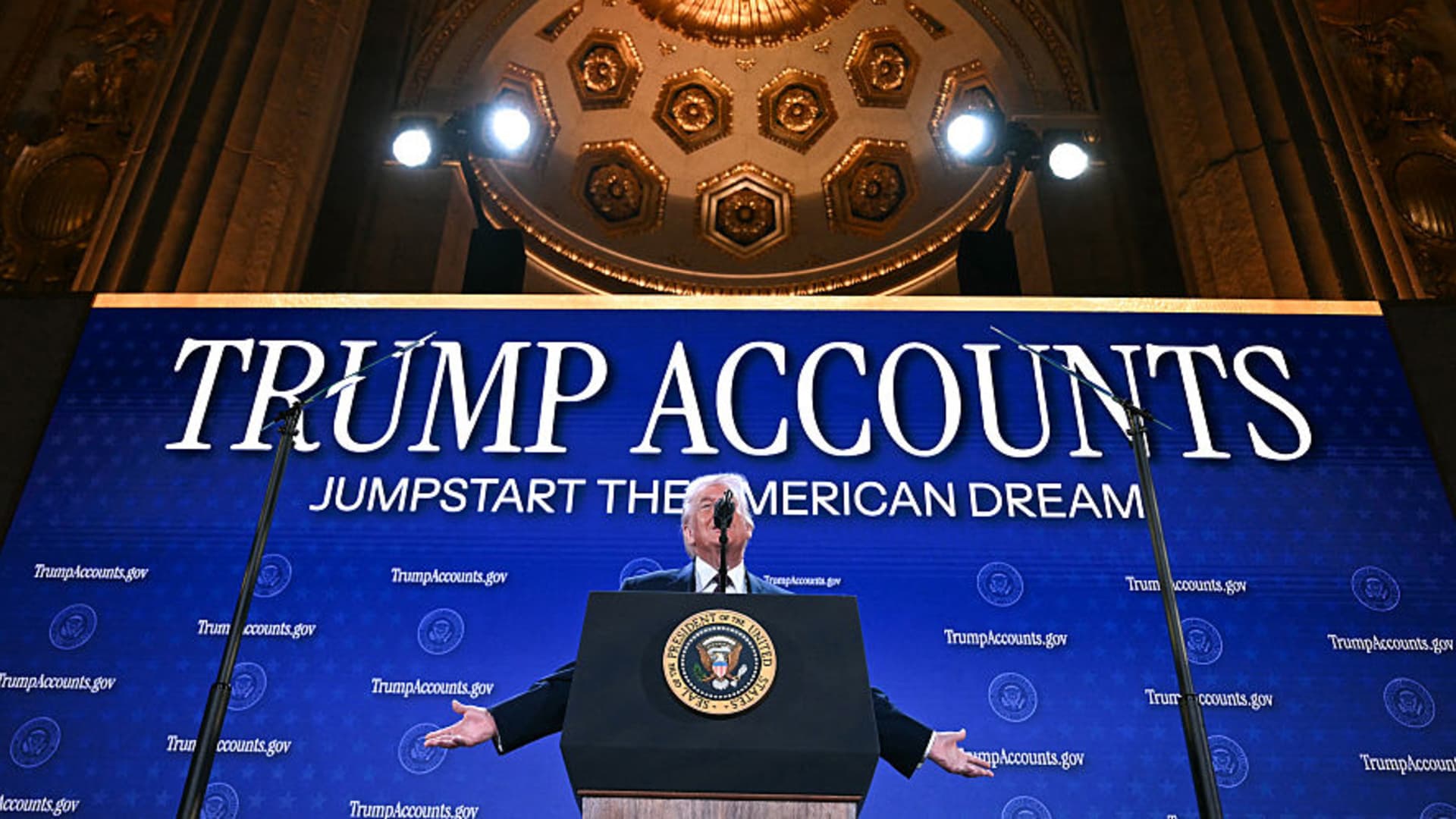
Trump Accounts Set to Launch with Potential Stock Donation Rules Under Discussion
- Donation Rule Discussions: The Trump Accounts are set to officially launch on July 4, 2026, and while currently only cash donations are permitted, reports indicate that the White House and Treasury are discussing the potential for direct stock donations, which could provide additional funding sources for children's accounts and promote wealth accumulation.
- Diversified Funding Sources: Altimeter Capital CEO Brad Gerstner noted that businesses and philanthropists might support Trump Accounts through stock donations, and if this change is implemented, it could significantly increase the inflow of funds into the accounts, helping more families engage in wealth-building efforts.
- Risk Management Concerns: While the potential for stock donations exists, experts caution that allowing individual stock holdings could increase investment risks; the primary goal of Trump Accounts is to avoid speculative investments by utilizing low-fee index funds, ensuring steady retirement savings growth.
- Initial Funding Commitments: Approximately 5.5 million children have registered for Trump Accounts, with the Treasury committing to provide a $1,000 initial deposit for children born between 2025 and 2028, and philanthropists in multiple states have pledged additional funds for qualifying families, further driving the accounts' adoption.
See More

Iran Deal Doubts Hit Stocks, Nvidia and Tesla Show Strength


- Market Volatility: Doubts surrounding the Iran deal led to volatility in the stock market on Thursday, with major indices experiencing declines, reflecting investor sensitivity to geopolitical risks and uncertainty.
- Tech Stocks Resilience: Despite the overall market pressure, Nvidia and Tesla showed strong performance, indicating investor confidence in the long-term growth potential of these companies, which may attract more capital into the tech sector.
- Earnings Movers: CoreWeave, Rocket Lab, Cloudflare, and IREN's earnings reports became focal points for the market, with investors closely monitoring their performance to assess future growth prospects and competitive positioning.
- Jobs Report Anticipation: The market is set to receive a new jobs report, with analysts expecting it to provide crucial signals regarding economic recovery, which could further influence investor decisions and market trends.
See More

Aurora Innovation Stock Declines as Investors Eye Future Targets


- Stock Fluctuation: Aurora Innovation's stock closed at $7.14 on Thursday, down 1.79%, following a multi-day rally driven by upbeat Q1 results and new trucking deployments, as investors focus on the execution of 2026 driverless semi-truck and revenue targets.
- Surge in Trading Volume: Trading volume reached 48.4 million shares, approximately 136% above the three-month average of 20.6 million shares, indicating a significant increase in market interest in Aurora, despite the stock's decline, reflecting cautious investor sentiment regarding future developments.
- Partnership Announcement: Aurora's new partnership with Berkshire Hathaway subsidiary McLane Company aims to initiate autonomous semi-truck deliveries in Texas, showcasing the company's potential applications in long-haul trucking, although it still faces cash flow challenges.
- Analyst Confidence: Analysts at Needham expressed optimism about Aurora, establishing a $13 price target, despite the company burning approximately $159 million in operating cash during Q1, highlighting the ongoing challenges in realizing its autonomous vehicle aspirations.
See More

Aurora Innovation Stock Price Fluctuation Analysis
- Stock Decline: Aurora Innovation closed at $7.14 on Thursday, down 1.79%, following a multi-day rally, indicating market concerns regarding the execution of its 2026 driverless semi-truck and revenue targets.
- Surge in Trading Volume: The trading volume reached 48.4 million shares, approximately 136% above the three-month average of 20.6 million shares, reflecting strong investor interest and market volatility regarding the company's future.
- Partnership Announcement: Aurora has partnered with McLane Company, a subsidiary of Berkshire Hathaway, to initiate autonomous semi-truck deliveries in Texas using its self-driving system, although the market's reaction to this news has been relatively muted.
- Cash Burn Warning: Despite analysts expressing optimism with a $13 price target for Aurora, the company burned approximately $159 million in operating cash during Q1, highlighting significant challenges ahead in achieving its autonomous vehicle aspirations.
See More
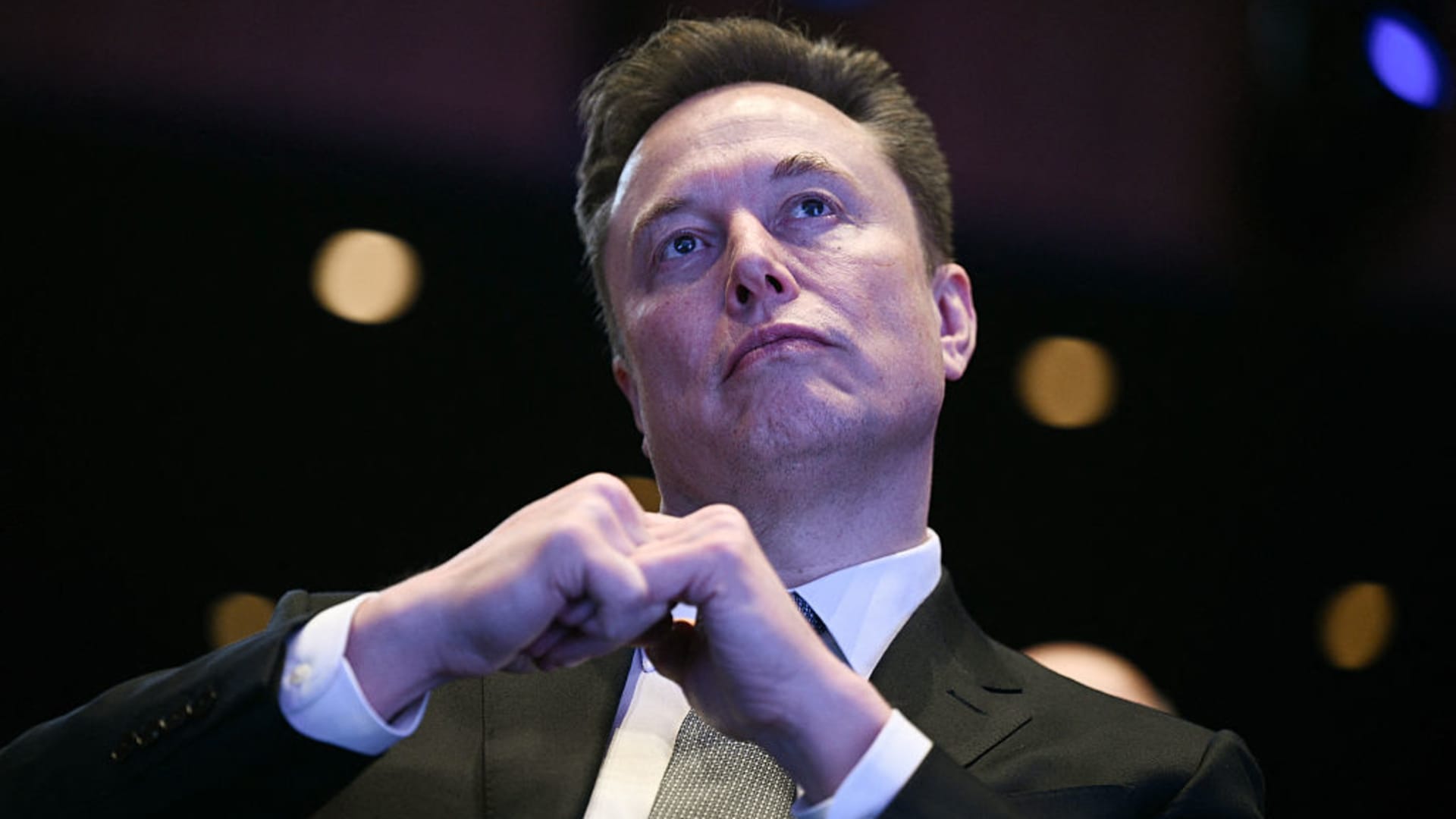
France Launches Criminal Probe into Elon Musk and X
- Criminal Investigation Escalation: French cybercrime authorities have escalated their investigation into Elon Musk and his social network X to a criminal probe, indicating serious concerns over potential algorithmic manipulation in French politics, which could significantly impact the company's reputation and operations.
- Summons Ignored: Musk and former X CEO Linda Yaccarino were summoned by French authorities to appear on April 20 but both declined to attend and answer questions, potentially leading to further legal repercussions and increasing public scrutiny over their transparency.
- International Investigations Expand: In addition to France, other international jurisdictions are also investigating X and Grok, particularly the California Attorney General's office, focusing on whether Musk and his companies deliberately allowed the spread of inappropriate content, which could lead to broader legal challenges and compliance risks.
- U.S. Justice Department's Position: The U.S. Department of Justice has reportedly informed French authorities that it would not assist in investigating Musk or X, accusing France of inappropriately interfering with an American business, which could escalate tensions in international legal and diplomatic relations.
See More
Musk's Attempt to Merge OpenAI with Tesla Revealed
- Merger Proposal: Former OpenAI board member Shivon Zilis testified that Elon Musk proposed to include OpenAI CEO Sam Altman on Tesla's board to facilitate a merger, highlighting Musk's strong desire for control in the AI sector.
- Legal Action: Musk is suing OpenAI and its executives for over $13 billion, claiming he was misled into believing OpenAI would remain a nonprofit when he provided $38 million in startup funding, a claim that could significantly impact OpenAI's operational model.
- Board Discussions: Zilis noted extensive discussions within the board between 2017 and 2018 regarding OpenAI's corporate structure, reflecting differing views on how to transition OpenAI into a for-profit entity, which may influence future governance structures in AI companies.
- IPO Prospects: Both OpenAI and its parent company SpaceX are reportedly preparing for massive IPOs later this year, indicating that despite facing legal challenges, OpenAI is still seeking market support to drive its business expansion.
See More
Trump Accounts Set to Launch with Potential Stock Donation Rules Under Discussion
- Donation Rule Discussions: The Trump Accounts are set to officially launch on July 4, 2026, and while currently only cash donations are permitted, reports indicate that the White House and Treasury are discussing the potential for direct stock donations, which could provide additional funding sources for children's accounts and promote wealth accumulation.
- Diversified Funding Sources: Altimeter Capital CEO Brad Gerstner noted that businesses and philanthropists might support Trump Accounts through stock donations, and if this change is implemented, it could significantly increase the inflow of funds into the accounts, helping more families engage in wealth-building efforts.
- Risk Management Concerns: While the potential for stock donations exists, experts caution that allowing individual stock holdings could increase investment risks; the primary goal of Trump Accounts is to avoid speculative investments by utilizing low-fee index funds, ensuring steady retirement savings growth.
- Initial Funding Commitments: Approximately 5.5 million children have registered for Trump Accounts, with the Treasury committing to provide a $1,000 initial deposit for children born between 2025 and 2028, and philanthropists in multiple states have pledged additional funds for qualifying families, further driving the accounts' adoption.
See More
Iran Deal Doubts Hit Stocks, Nvidia and Tesla Show Strength
- Market Volatility: Doubts surrounding the Iran deal led to volatility in the stock market on Thursday, with major indices experiencing declines, reflecting investor sensitivity to geopolitical risks and uncertainty.
- Tech Stocks Resilience: Despite the overall market pressure, Nvidia and Tesla showed strong performance, indicating investor confidence in the long-term growth potential of these companies, which may attract more capital into the tech sector.
- Earnings Movers: CoreWeave, Rocket Lab, Cloudflare, and IREN's earnings reports became focal points for the market, with investors closely monitoring their performance to assess future growth prospects and competitive positioning.
- Jobs Report Anticipation: The market is set to receive a new jobs report, with analysts expecting it to provide crucial signals regarding economic recovery, which could further influence investor decisions and market trends.
See More
Aurora Innovation Stock Declines as Investors Eye Future Targets
- Stock Fluctuation: Aurora Innovation's stock closed at $7.14 on Thursday, down 1.79%, following a multi-day rally driven by upbeat Q1 results and new trucking deployments, as investors focus on the execution of 2026 driverless semi-truck and revenue targets.
- Surge in Trading Volume: Trading volume reached 48.4 million shares, approximately 136% above the three-month average of 20.6 million shares, indicating a significant increase in market interest in Aurora, despite the stock's decline, reflecting cautious investor sentiment regarding future developments.
- Partnership Announcement: Aurora's new partnership with Berkshire Hathaway subsidiary McLane Company aims to initiate autonomous semi-truck deliveries in Texas, showcasing the company's potential applications in long-haul trucking, although it still faces cash flow challenges.
- Analyst Confidence: Analysts at Needham expressed optimism about Aurora, establishing a $13 price target, despite the company burning approximately $159 million in operating cash during Q1, highlighting the ongoing challenges in realizing its autonomous vehicle aspirations.
See More
Aurora Innovation Stock Price Fluctuation Analysis
- Stock Decline: Aurora Innovation closed at $7.14 on Thursday, down 1.79%, following a multi-day rally, indicating market concerns regarding the execution of its 2026 driverless semi-truck and revenue targets.
- Surge in Trading Volume: The trading volume reached 48.4 million shares, approximately 136% above the three-month average of 20.6 million shares, reflecting strong investor interest and market volatility regarding the company's future.
- Partnership Announcement: Aurora has partnered with McLane Company, a subsidiary of Berkshire Hathaway, to initiate autonomous semi-truck deliveries in Texas using its self-driving system, although the market's reaction to this news has been relatively muted.
- Cash Burn Warning: Despite analysts expressing optimism with a $13 price target for Aurora, the company burned approximately $159 million in operating cash during Q1, highlighting significant challenges ahead in achieving its autonomous vehicle aspirations.
See More
France Launches Criminal Probe into Elon Musk and X
- Criminal Investigation Escalation: French cybercrime authorities have escalated their investigation into Elon Musk and his social network X to a criminal probe, indicating serious concerns over potential algorithmic manipulation in French politics, which could significantly impact the company's reputation and operations.
- Summons Ignored: Musk and former X CEO Linda Yaccarino were summoned by French authorities to appear on April 20 but both declined to attend and answer questions, potentially leading to further legal repercussions and increasing public scrutiny over their transparency.
- International Investigations Expand: In addition to France, other international jurisdictions are also investigating X and Grok, particularly the California Attorney General's office, focusing on whether Musk and his companies deliberately allowed the spread of inappropriate content, which could lead to broader legal challenges and compliance risks.
- U.S. Justice Department's Position: The U.S. Department of Justice has reportedly informed French authorities that it would not assist in investigating Musk or X, accusing France of inappropriately interfering with an American business, which could escalate tensions in international legal and diplomatic relations.
See More