UnitedHealthcare Eliminates Authorization Requirements for 30% of Healthcare Services
UnitedHealthcare is eliminating authorization requirements for 30% of healthcare services that previously required insurer approval. This initiative builds on a series of recent, industry-leading commitments the company has made to make healthcare simpler and more affordable, while raising the bar for transparency and accountability across the marketplace. "Prior authorization is an essential safeguard but should only be used when it truly protects patients and improves care," said Tim Noel, CEO of UnitedHealthcare. "Eliminating these requirements is one more way we are working to make it easier for patients to get the care they need when they need it and ensure doctors can spend more time with their patients. We are committed to further improving and refining our processes to make reviews quicker, simpler and more efficient." Currently, prior authorization is required for only 2% of UnitedHealthcare medical services. Of the authorizations that are submitted, around 92% are approved and in less than 24 hours, on average. Within Medicare Advantage, UnitedHealthcare has fewer prior authorization requirements than any other insurer. By the end of 2026, UnitedHealthcare will eliminate an additional 30% of remaining prior authorizations, including select outpatient surgeries, some diagnostic tests like echocardiograms, and certain outpatient therapies and chiropractic care. A full list will be available on UHCProvider.com before these changes take effect.
Trade with 70% Backtested Accuracy
Analyst Views on UNH

About UNH
About the author

Management Increases Stock Buybacks

- Increased Buyback Program: The management team is ramping up stock buybacks, indicating their belief that shares are undervalued, which is expected to enhance market recognition of the company's value and potentially drive stock prices higher.
- Positive Market Reaction: Based on the afternoon stock prices from May 3, 2026, the implementation of the buyback plan is likely to improve investor confidence, attracting more capital inflow and enhancing the liquidity and stability of the stock.
- Financial Strategy Adjustment: By increasing the buyback efforts, the company demonstrates confidence in its future profitability, which is expected to boost earnings per share and create higher returns for shareholders.
- Long-term Value Commitment: This buyback initiative is not only a strategy for short-term market response but also a commitment to long-term value, aiming to enhance shareholder value through ongoing capital management.

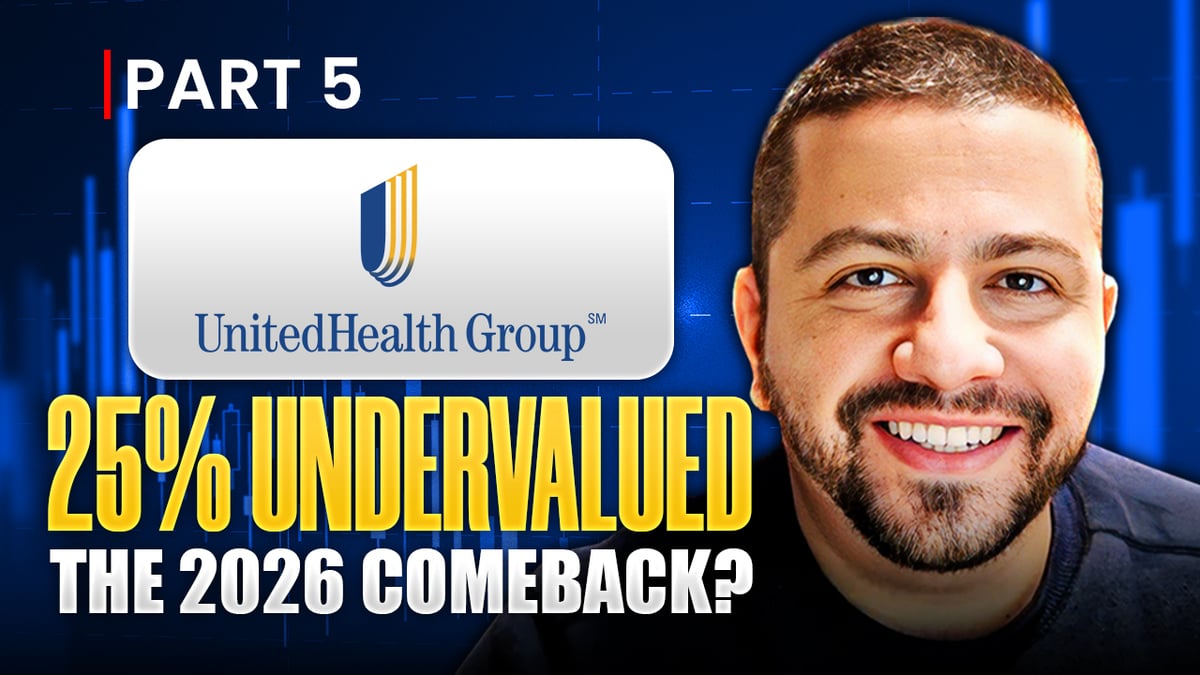
UnitedHealth Group Shares Surge 36.9% Following Strong Q1 Earnings
- Q1 Earnings Beat Expectations: UnitedHealth Group reported a medical loss ratio of 83.9% in Q1, an improvement from 84.8% year-over-year, indicating a wider profit margin in its insurance operations, which has bolstered investor confidence.
- Stable Operating Earnings: Despite indirect cost increases across the business, UnitedHealth maintained stable operating earnings of $9 billion, and management's optimistic outlook suggests a potential recovery in profitability.
- Guidance Upgrade: Management raised its earnings per share (EPS) guidance from a floor of $17.75 to at least $18.25, reflecting confidence in future profitability, which may attract more investor interest in the stock.
- Increased Stock Appeal: With a stock price of $364, UnitedHealth's forward P/E ratio stands at 20, which may seem high, but considering the ongoing rise in healthcare costs and potential profit recovery, the long-term investment value is significant, likely drawing more buyers.
Apple, Amazon, and TSMC Deliver Earnings Triple Plays


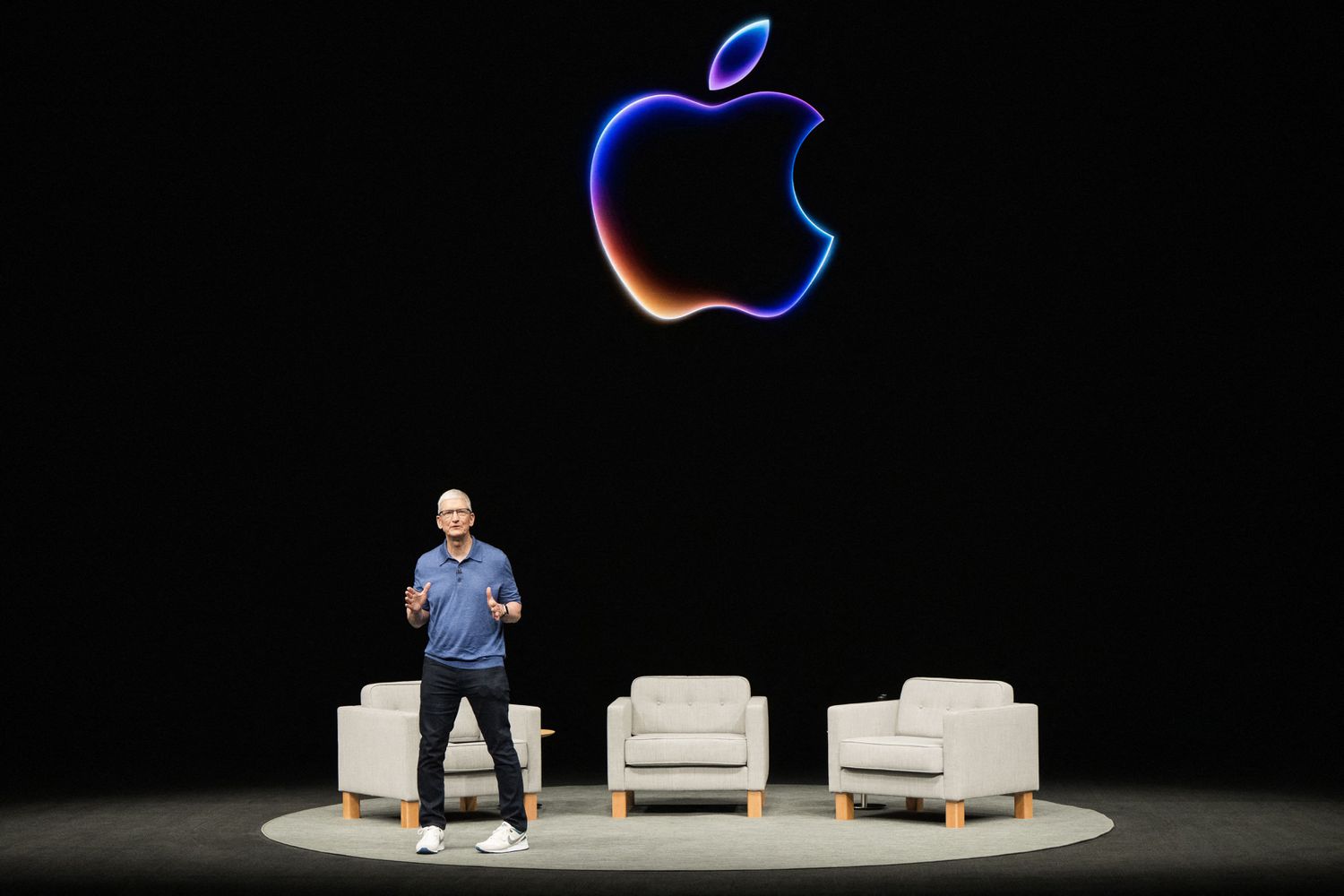
- Earnings Highlights: Apple, Amazon, and TSMC have all achieved a 'triple play' this quarter, delivering growth in earnings, revenue, and guidance, which underscores strong market demand and business resilience, further solidifying their leadership positions in their respective industries.
- Market Reaction: Investors reacted positively to the earnings reports from these three companies, driving stock prices higher, which reflects a renewed confidence in tech stocks and may attract more capital inflows into the technology sector.
- Industry Impact: The robust performance of these companies not only enhances their market valuations but may also lead to upward revisions in earnings expectations for other tech firms, creating a virtuous cycle that could further drive the recovery of the entire industry.
- Future Outlook: As the global economy gradually recovers, the success stories of Apple, Amazon, and TSMC may inspire other companies to adopt similar growth strategies, fostering innovation and investment that drive long-term growth.

Highmark Health Appoints Heather Cianfrocco as COO
- New COO Appointment: Highmark Health has appointed Heather Cianfrocco as Chief Operating Officer, effective immediately, bringing over 20 years of extensive experience in the healthcare sector, which is expected to introduce new perspectives and innovative ideas to the organization.
- Leadership Background: Cianfrocco previously held multiple leadership roles at UnitedHealth Group, including CEO of Optum, where she oversaw the strategic direction of its three core business segments, showcasing her capability in managing complex healthcare systems.
- Industry Influence: Recognized as one of Modern Healthcare's 10 executives to watch in 2025, Cianfrocco's potential to drive change and innovation in the healthcare industry aligns with Highmark Health's strategic goals of transformation and improved service delivery.
- Community Commitment: As a native of Pittsburgh, Cianfrocco serves on the board of the Salvation Army of Western Pennsylvania, reflecting her dedication to the community, which is anticipated to enhance Highmark Health's local impact and service quality.

UnitedHealthcare Simplifies Prior Authorization Process by 30%
- Authorization Process Overhaul: UnitedHealthcare has announced the elimination of prior authorization requirements for 30% of healthcare services, reflecting a significant reform aimed at enhancing customer experience and operational efficiency in the managed care sector.
- Industry Positioning: Currently, only 2% of UnitedHealthcare's medical services require prior authorization, with approximately 92% of submitted requests approved within 24 hours, which strengthens its competitive edge in the market.
- Market Ranking Insights: According to Seeking Alpha's Quant Ratings, UnitedHealthcare holds a score of 3.48, placing it mid-pack in the managed healthcare sector, indicating relative stability but highlighting the need to catch up with leaders like Centene and HealthEquity.
- Competitor Landscape: In the managed care space, Centene boasts a Quant Rating of 4.92 with a Strong Buy rating, while UnitedHealthcare and Elevance Health maintain “Hold” ratings, underscoring the competitive pressures and challenges within the industry.

Amazon's New Logistics Initiative Shakes Market
- Increased Market Competition: Amazon's announcement of a new initiative allowing external businesses to utilize its supply chain for deliveries led to significant stock declines for UPS and FedEx, dropping over 10% and 9% respectively, indicating investor concerns about intensified competition in the logistics sector.
- Strong Sales Growth: Palantir reported an impressive 85% revenue growth in Q1, with net income approximately quadrupling year-over-year, showcasing its robust performance in the defense technology sector and projecting a doubling of its U.S. business in the coming year.
- Tesla and SEC Settlement: Tesla CEO Elon Musk reached a settlement with the SEC, agreeing to pay $1.5 million in penalties over allegations of failing to disclose his Twitter stake prior to acquisition, although this minor fine is not expected to have a significant financial impact on the company.
- GLP-1 Market Dynamics: Novo Nordisk's Wegovy pill has rapidly gained tens of thousands of new users within four months of launch, while Eli Lilly's competing Foundayo has seen a more modest uptake, reflecting a shift in market demand for weight-loss medications.
Management Increases Stock Buybacks
- Increased Buyback Program: The management team is ramping up stock buybacks, indicating their belief that shares are undervalued, which is expected to enhance market recognition of the company's value and potentially drive stock prices higher.
- Positive Market Reaction: Based on the afternoon stock prices from May 3, 2026, the implementation of the buyback plan is likely to improve investor confidence, attracting more capital inflow and enhancing the liquidity and stability of the stock.
- Financial Strategy Adjustment: By increasing the buyback efforts, the company demonstrates confidence in its future profitability, which is expected to boost earnings per share and create higher returns for shareholders.
- Long-term Value Commitment: This buyback initiative is not only a strategy for short-term market response but also a commitment to long-term value, aiming to enhance shareholder value through ongoing capital management.
UnitedHealth Group Shares Surge 36.9% Following Strong Q1 Earnings
- Q1 Earnings Beat Expectations: UnitedHealth Group reported a medical loss ratio of 83.9% in Q1, an improvement from 84.8% year-over-year, indicating a wider profit margin in its insurance operations, which has bolstered investor confidence.
- Stable Operating Earnings: Despite indirect cost increases across the business, UnitedHealth maintained stable operating earnings of $9 billion, and management's optimistic outlook suggests a potential recovery in profitability.
- Guidance Upgrade: Management raised its earnings per share (EPS) guidance from a floor of $17.75 to at least $18.25, reflecting confidence in future profitability, which may attract more investor interest in the stock.
- Increased Stock Appeal: With a stock price of $364, UnitedHealth's forward P/E ratio stands at 20, which may seem high, but considering the ongoing rise in healthcare costs and potential profit recovery, the long-term investment value is significant, likely drawing more buyers.
Apple, Amazon, and TSMC Deliver Earnings Triple Plays
- Earnings Highlights: Apple, Amazon, and TSMC have all achieved a 'triple play' this quarter, delivering growth in earnings, revenue, and guidance, which underscores strong market demand and business resilience, further solidifying their leadership positions in their respective industries.
- Market Reaction: Investors reacted positively to the earnings reports from these three companies, driving stock prices higher, which reflects a renewed confidence in tech stocks and may attract more capital inflows into the technology sector.
- Industry Impact: The robust performance of these companies not only enhances their market valuations but may also lead to upward revisions in earnings expectations for other tech firms, creating a virtuous cycle that could further drive the recovery of the entire industry.
- Future Outlook: As the global economy gradually recovers, the success stories of Apple, Amazon, and TSMC may inspire other companies to adopt similar growth strategies, fostering innovation and investment that drive long-term growth.
Highmark Health Appoints Heather Cianfrocco as COO
- New COO Appointment: Highmark Health has appointed Heather Cianfrocco as Chief Operating Officer, effective immediately, bringing over 20 years of extensive experience in the healthcare sector, which is expected to introduce new perspectives and innovative ideas to the organization.
- Leadership Background: Cianfrocco previously held multiple leadership roles at UnitedHealth Group, including CEO of Optum, where she oversaw the strategic direction of its three core business segments, showcasing her capability in managing complex healthcare systems.
- Industry Influence: Recognized as one of Modern Healthcare's 10 executives to watch in 2025, Cianfrocco's potential to drive change and innovation in the healthcare industry aligns with Highmark Health's strategic goals of transformation and improved service delivery.
- Community Commitment: As a native of Pittsburgh, Cianfrocco serves on the board of the Salvation Army of Western Pennsylvania, reflecting her dedication to the community, which is anticipated to enhance Highmark Health's local impact and service quality.
UnitedHealthcare Simplifies Prior Authorization Process by 30%
- Authorization Process Overhaul: UnitedHealthcare has announced the elimination of prior authorization requirements for 30% of healthcare services, reflecting a significant reform aimed at enhancing customer experience and operational efficiency in the managed care sector.
- Industry Positioning: Currently, only 2% of UnitedHealthcare's medical services require prior authorization, with approximately 92% of submitted requests approved within 24 hours, which strengthens its competitive edge in the market.
- Market Ranking Insights: According to Seeking Alpha's Quant Ratings, UnitedHealthcare holds a score of 3.48, placing it mid-pack in the managed healthcare sector, indicating relative stability but highlighting the need to catch up with leaders like Centene and HealthEquity.
- Competitor Landscape: In the managed care space, Centene boasts a Quant Rating of 4.92 with a Strong Buy rating, while UnitedHealthcare and Elevance Health maintain “Hold” ratings, underscoring the competitive pressures and challenges within the industry.
Amazon's New Logistics Initiative Shakes Market
- Increased Market Competition: Amazon's announcement of a new initiative allowing external businesses to utilize its supply chain for deliveries led to significant stock declines for UPS and FedEx, dropping over 10% and 9% respectively, indicating investor concerns about intensified competition in the logistics sector.
- Strong Sales Growth: Palantir reported an impressive 85% revenue growth in Q1, with net income approximately quadrupling year-over-year, showcasing its robust performance in the defense technology sector and projecting a doubling of its U.S. business in the coming year.
- Tesla and SEC Settlement: Tesla CEO Elon Musk reached a settlement with the SEC, agreeing to pay $1.5 million in penalties over allegations of failing to disclose his Twitter stake prior to acquisition, although this minor fine is not expected to have a significant financial impact on the company.
- GLP-1 Market Dynamics: Novo Nordisk's Wegovy pill has rapidly gained tens of thousands of new users within four months of launch, while Eli Lilly's competing Foundayo has seen a more modest uptake, reflecting a shift in market demand for weight-loss medications.