

United Airlines Enhances Travelport Partnership to Accelerate Modern Airline Retailing

Partnership Announcement: United Airlines and Travelport have entered a multi-year agreement to enhance travel agency and corporate travel management through New Distribution Capability (NDC) technology.
Joint Development: The collaboration will allow Travelport early access to United's NDC product roadmap and involve co-development of new features for Travelport's platform, aimed at improving service for agencies and corporate clients.
Planned Features: Upcoming capabilities include pooling unused travel credits, direct enrollment in the MileagePlus loyalty program, and using Jetstream funds for ancillary purchases, with a phased rollout starting in early 2026.
Market Reaction: Following the announcement, United Airlines Holdings shares saw a slight increase, trading at $101.50 at the time of publication.
Trade with 70% Backtested Accuracy
Analyst Views on DAL

About DAL
About the author

Morgan Stanley Raises Delta Air Lines Price Target Amid Mixed Analyst Reactions

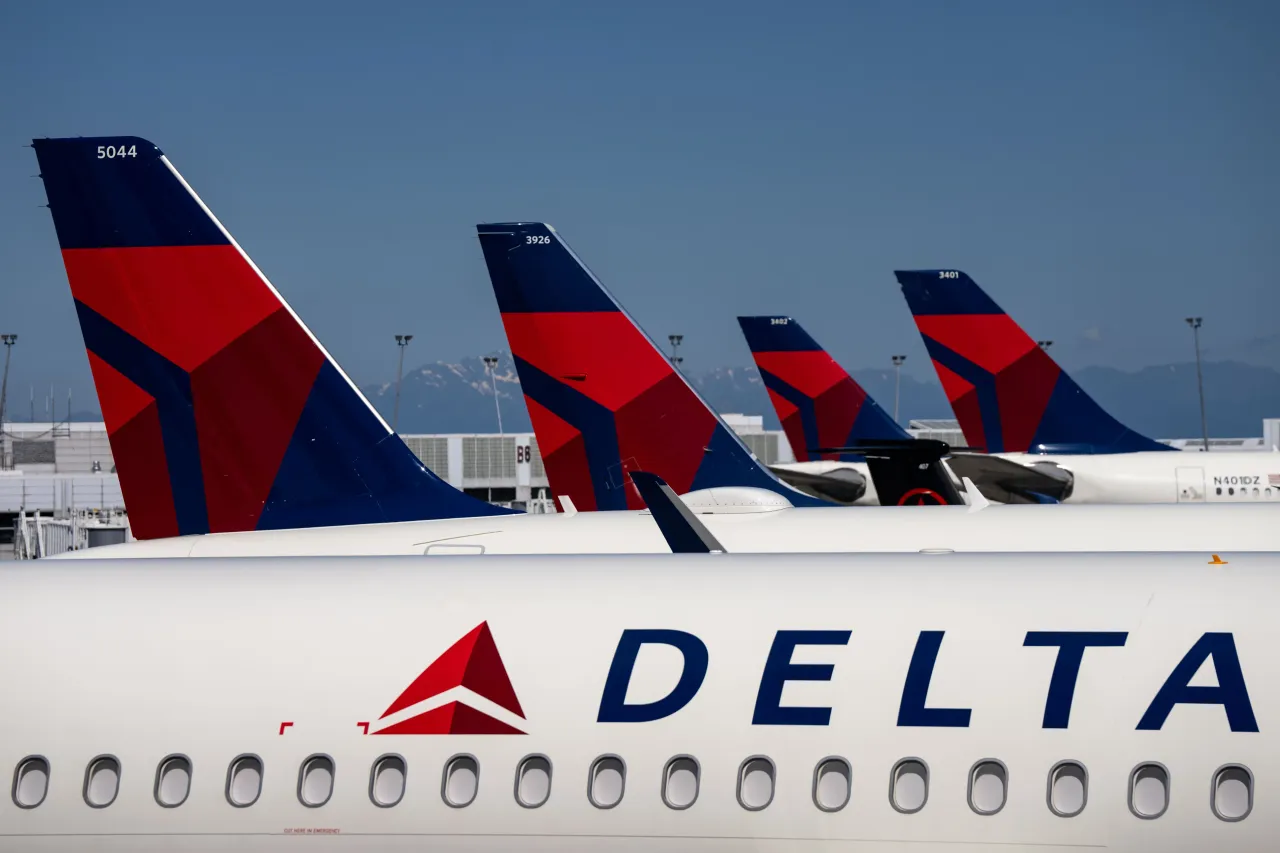
- Price Target Adjustment: Morgan Stanley raised Delta Air Lines' price target from $105 to $115 while maintaining an 'Overweight' rating, indicating a 25% upside potential, reflecting analysts' confidence in the company's future performance.
- Cautious Outlook: Raymond James increased Delta's price target from $80 to $104 but downgraded the stock to 'Outperform', noting that despite strong fundamentals, the recent stock price rally limits further short-term gains.
- Financial Health Improvement: Delta's recent 15% dividend increase and ongoing debt reduction demonstrate the company's commitment to rewarding shareholders while enhancing its financial health, bolstering market confidence in its long-term outlook.
- Market Sentiment Shift: According to Stocktwits data, retail sentiment around Delta shifted from 'neutral' to 'bullish', reflecting optimism ahead of the upcoming second-quarter earnings report, although analysts remain cautious about short-term demand and pricing power.

Chip Stocks Lead Market Rally Amid Mixed Index Performance


- Market Rally: On Monday, chip stocks led a market rally with the Nasdaq Composite rising 1.3% and the S&P 500 up 0.7%, while the Dow Jones Industrial Average slipped 0.1%, indicating a divergence in market performance.
- Broadcom and Apple Partnership: Broadcom's stock rose 4.4% after announcing its chip supply deal with Apple will extend through 2031, locking in custom silicon revenue for five more years, which is expected to positively impact multiple generations of iPhones.
- Strong AMD Performance: AMD shares surged 8% as Japanese autonomous driving startup Turing revealed that 10% of its AI training needs will utilize AMD graphics processors, reinforcing AMD's image as a budget-friendly option in self-driving technology.
- Microsoft Layoffs Impact: Microsoft announced 4,800 job cuts, leading to a 1.4% decline in its stock price, with analysts suggesting this reflects a strategic shift towards AI infrastructure spending, leaving investors uncertain about the long-term implications for the company.

Investors Eye Fed Minutes and Earnings Reports

- Fed Minutes Insight: The Federal Reserve maintained its benchmark rate at 3.50% to 3.75% during the June 16-17 meeting, removing an easing bias, and investors are keenly awaiting the minutes to gauge any internal dissent that could influence future policy directions.
- PepsiCo Earnings Outlook: PepsiCo shares traded around $141.90 on Monday, below both the 50-day and 200-day moving averages, with analysts suggesting to watch the $148-$150 resistance level, indicating potential short-term pullback risks that investors should consider.
- Delta Air Lines Performance: Delta's stock has surged 33% year-to-date, significantly outpacing the S&P 500's 10% gain, and analysts caution that at the current price of $92, it appears overbought, recommending a buy on pullback to $86 to capitalize on long-term growth potential.
- Market Dynamics Monitoring: Despite a light economic data calendar, analyst Jay Woods emphasizes the importance of monitoring the Fed minutes and the earnings reports from PepsiCo and Delta, as these could significantly impact market sentiment and investment decisions.
Spirit Airlines' Demise Opens Opportunities for Frontier and JetBlue
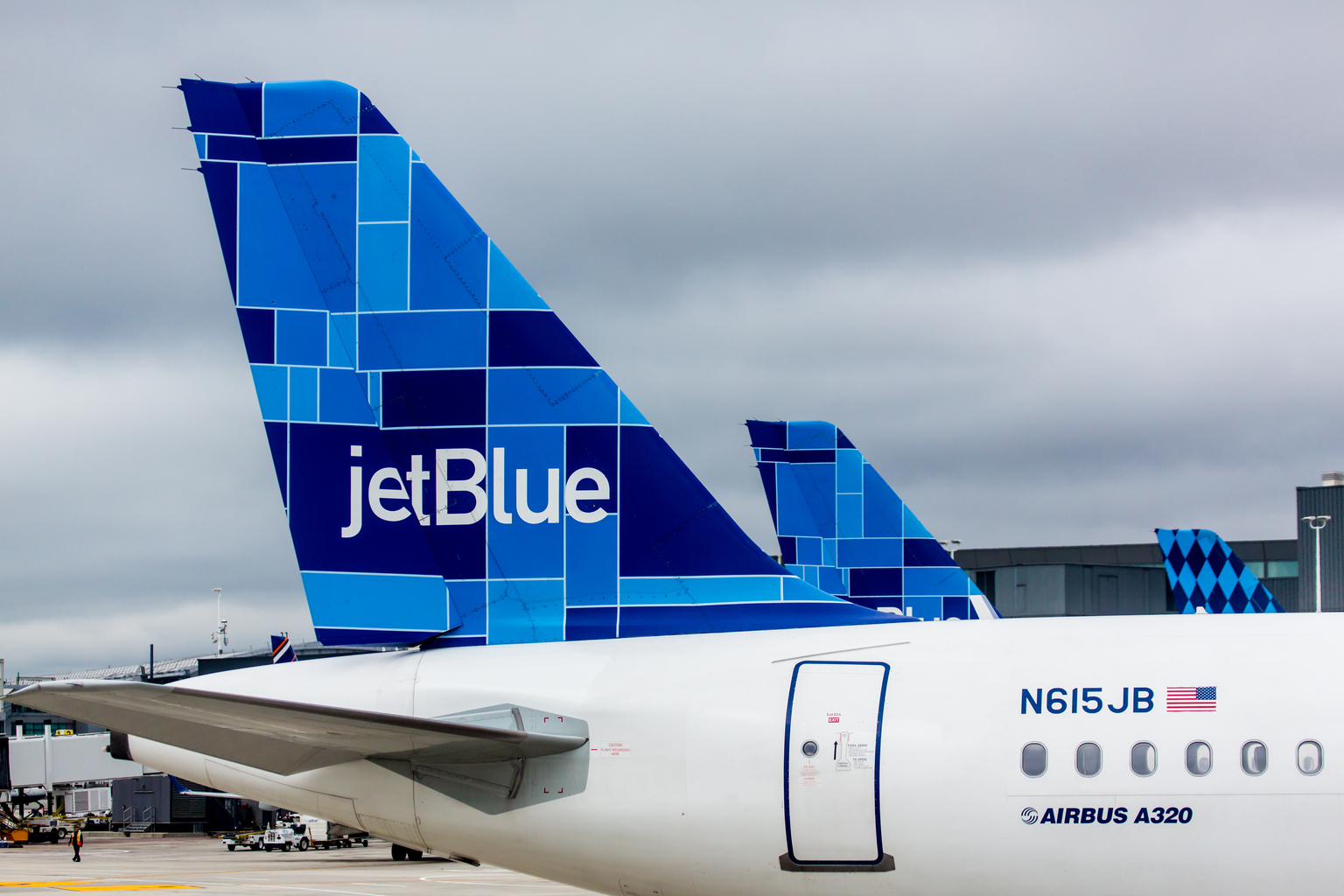
- Market Opportunity: The demise of Spirit Airlines presents opportunities for both Frontier Airlines and JetBlue, with Frontier poised to benefit from stronger fares and margin expansion, while JetBlue can create a more valuable long-term strategic asset.
- Capital Structure Challenges: JetBlue faces constraints from a ~$6.12 conversion price on its convertible debt, leading analysts to suggest a prudent course of action would be to address its capital structure through Chapter 11 restructuring, although this may be unattractive for current equity holders.
- Financial Pressure: JetBlue is approaching a significant $1.8 billion balloon payment due in 2029 while continuing to struggle with profitability, making capital structure adjustments critical for its future viability.
- Rating Adjustments: Analyst Savanthi Syth downgraded JetBlue from Market Perform to Underperform, while also downgrading Delta from Strong Buy to Outperform, reflecting limited near-term upside after an 18% increase in Delta's shares over the past month.

Market Update: Semiconductor and Airline Sector Outlook


- Semiconductor Market Recovery: Chip stocks are rebounding this morning after last week's severe sell-off, with Apple and Broadcom agreeing to an expanded partnership that is expected to drive long-term growth in the semiconductor sector.
- SK Hynix IPO Plans: South Korean memory giant SK Hynix is looking to raise $28 billion through a Nasdaq listing, which, while maintaining its primary listing in South Korea, will enhance its capital access and broaden its investor base.
- Acquisition Impact: Solstice Advanced Materials is acquiring Element Solutions for $14.5 billion, creating a specialty chemicals powerhouse focused on the semiconductor industry, which will enhance its competitive position and industry consolidation capabilities.
- Airline Sector Benefits from Oil Price Drop: With traffic through the Strait of Hormuz resuming and U.S.-Iran peace talks underway, oil prices are nearing pre-war levels, which could benefit airlines significantly and help combat inflation.

Key Wall Street Rating Updates on Monday


- Wise Rating Upgrade: JPMorgan upgraded Wise to overweight, expecting net revenue growth in Q1 and Q2 to exceed mid-term guidance, indicating significant positive momentum in user activity and transaction volumes, which could drive stock price appreciation.
- AMD Price Target Increase: Goldman Sachs raised AMD's price target from $450 to $640, believing strong performance in server CPUs will drive quarterly results, despite potential headwinds in the PC segment, maintaining an overall bullish outlook.
- Netflix Price Target Downgrade: Goldman lowered Netflix's price target from $120 to $110 while maintaining a buy rating, anticipating upcoming earnings to face challenges in user growth and engagement due to seasonal factors and content scheduling impacts.
- IBM Price Target Increase: Bank of America raised IBM's price target from $315 to $330, noting the company's shift towards higher-margin software and M&A activities driving strong free cash flow, indicating potential for future growth.
Morgan Stanley Raises Delta Air Lines Price Target Amid Mixed Analyst Reactions
- Price Target Adjustment: Morgan Stanley raised Delta Air Lines' price target from $105 to $115 while maintaining an 'Overweight' rating, indicating a 25% upside potential, reflecting analysts' confidence in the company's future performance.
- Cautious Outlook: Raymond James increased Delta's price target from $80 to $104 but downgraded the stock to 'Outperform', noting that despite strong fundamentals, the recent stock price rally limits further short-term gains.
- Financial Health Improvement: Delta's recent 15% dividend increase and ongoing debt reduction demonstrate the company's commitment to rewarding shareholders while enhancing its financial health, bolstering market confidence in its long-term outlook.
- Market Sentiment Shift: According to Stocktwits data, retail sentiment around Delta shifted from 'neutral' to 'bullish', reflecting optimism ahead of the upcoming second-quarter earnings report, although analysts remain cautious about short-term demand and pricing power.
Chip Stocks Lead Market Rally Amid Mixed Index Performance
- Market Rally: On Monday, chip stocks led a market rally with the Nasdaq Composite rising 1.3% and the S&P 500 up 0.7%, while the Dow Jones Industrial Average slipped 0.1%, indicating a divergence in market performance.
- Broadcom and Apple Partnership: Broadcom's stock rose 4.4% after announcing its chip supply deal with Apple will extend through 2031, locking in custom silicon revenue for five more years, which is expected to positively impact multiple generations of iPhones.
- Strong AMD Performance: AMD shares surged 8% as Japanese autonomous driving startup Turing revealed that 10% of its AI training needs will utilize AMD graphics processors, reinforcing AMD's image as a budget-friendly option in self-driving technology.
- Microsoft Layoffs Impact: Microsoft announced 4,800 job cuts, leading to a 1.4% decline in its stock price, with analysts suggesting this reflects a strategic shift towards AI infrastructure spending, leaving investors uncertain about the long-term implications for the company.
Investors Eye Fed Minutes and Earnings Reports
- Fed Minutes Insight: The Federal Reserve maintained its benchmark rate at 3.50% to 3.75% during the June 16-17 meeting, removing an easing bias, and investors are keenly awaiting the minutes to gauge any internal dissent that could influence future policy directions.
- PepsiCo Earnings Outlook: PepsiCo shares traded around $141.90 on Monday, below both the 50-day and 200-day moving averages, with analysts suggesting to watch the $148-$150 resistance level, indicating potential short-term pullback risks that investors should consider.
- Delta Air Lines Performance: Delta's stock has surged 33% year-to-date, significantly outpacing the S&P 500's 10% gain, and analysts caution that at the current price of $92, it appears overbought, recommending a buy on pullback to $86 to capitalize on long-term growth potential.
- Market Dynamics Monitoring: Despite a light economic data calendar, analyst Jay Woods emphasizes the importance of monitoring the Fed minutes and the earnings reports from PepsiCo and Delta, as these could significantly impact market sentiment and investment decisions.
Spirit Airlines' Demise Opens Opportunities for Frontier and JetBlue
- Market Opportunity: The demise of Spirit Airlines presents opportunities for both Frontier Airlines and JetBlue, with Frontier poised to benefit from stronger fares and margin expansion, while JetBlue can create a more valuable long-term strategic asset.
- Capital Structure Challenges: JetBlue faces constraints from a ~$6.12 conversion price on its convertible debt, leading analysts to suggest a prudent course of action would be to address its capital structure through Chapter 11 restructuring, although this may be unattractive for current equity holders.
- Financial Pressure: JetBlue is approaching a significant $1.8 billion balloon payment due in 2029 while continuing to struggle with profitability, making capital structure adjustments critical for its future viability.
- Rating Adjustments: Analyst Savanthi Syth downgraded JetBlue from Market Perform to Underperform, while also downgrading Delta from Strong Buy to Outperform, reflecting limited near-term upside after an 18% increase in Delta's shares over the past month.
Market Update: Semiconductor and Airline Sector Outlook
- Semiconductor Market Recovery: Chip stocks are rebounding this morning after last week's severe sell-off, with Apple and Broadcom agreeing to an expanded partnership that is expected to drive long-term growth in the semiconductor sector.
- SK Hynix IPO Plans: South Korean memory giant SK Hynix is looking to raise $28 billion through a Nasdaq listing, which, while maintaining its primary listing in South Korea, will enhance its capital access and broaden its investor base.
- Acquisition Impact: Solstice Advanced Materials is acquiring Element Solutions for $14.5 billion, creating a specialty chemicals powerhouse focused on the semiconductor industry, which will enhance its competitive position and industry consolidation capabilities.
- Airline Sector Benefits from Oil Price Drop: With traffic through the Strait of Hormuz resuming and U.S.-Iran peace talks underway, oil prices are nearing pre-war levels, which could benefit airlines significantly and help combat inflation.
Key Wall Street Rating Updates on Monday
- Wise Rating Upgrade: JPMorgan upgraded Wise to overweight, expecting net revenue growth in Q1 and Q2 to exceed mid-term guidance, indicating significant positive momentum in user activity and transaction volumes, which could drive stock price appreciation.
- AMD Price Target Increase: Goldman Sachs raised AMD's price target from $450 to $640, believing strong performance in server CPUs will drive quarterly results, despite potential headwinds in the PC segment, maintaining an overall bullish outlook.
- Netflix Price Target Downgrade: Goldman lowered Netflix's price target from $120 to $110 while maintaining a buy rating, anticipating upcoming earnings to face challenges in user growth and engagement due to seasonal factors and content scheduling impacts.
- IBM Price Target Increase: Bank of America raised IBM's price target from $315 to $330, noting the company's shift towards higher-margin software and M&A activities driving strong free cash flow, indicating potential for future growth.





