UBS Raises ASML Price Target to €1,900, Reinstates Top Pick
Written by Emily J. Thompson, Senior Investment Analyst
Updated: 1 hour ago
0mins
Should l Buy ASML?
Source: seekingalpha
- Price Target Increase: UBS raised ASML's price target from €1,600 to €1,900, reflecting confidence in its growth potential, which led to a 2.8% rise in premarket trading, indicating positive market sentiment towards the company's future.
- Capacity Analysis: UBS analysts noted that ASML's capacity in 2027 is expected to support over 50% year-on-year growth in leading-edge wafer output, while demand is projected at only 25-30%, suggesting that ASML will not become a bottleneck in semiconductor supply over the next 12 to 18 months, enhancing investor confidence.
- Memory Market Outlook: With a strong performance in the memory market, ASML is expected to benefit significantly, particularly as approximately 30-35% of its revenues will come from memory-related products, highlighting its crucial position in the semiconductor industry, with a projected 23% CAGR in memory from 2020 to 2025.
- Increased Lithography Intensity: ASML's lithography intensity is expected to rise from 11% in 2020 to 15% by 2025, and reach 15-20% by 2027/28, further strengthening its competitive edge in the semiconductor equipment market, especially amid node shrinks and increased EUV layer counts.
Trade with 70% Backtested Accuracy
Stop guessing "Should I Buy ASML?" and start using high-conviction signals backed by rigorous historical data.
Sign up today to access powerful investing tools and make smarter, data-driven decisions.
Analyst Views on ASML
Wall Street analysts forecast ASML stock price to rise
12 Analyst Rating
12 Buy
0 Hold
0 Sell
Strong Buy
Current: 1459.440

Low
1385
Averages
1583
High
1911
Current: 1459.440
Low
1385
Averages
1583
High
1911
About ASML
ASML Holding N.V. is a holding company based in the Netherlands. The Company operates through its subsidiaries in the Netherlands, the United States, Italy, France, Germany, the United Kingdom, Ireland, Belgium, South Korea, Taiwan, Singapore, China, Hong Kong, Japan, Malaysia and Israel. The Company operates through one business segment which is engage in development, production, marketing, sales, upgrading and servicing of advanced semiconductor equipment systems, consisting of lithography, metrology and inspection systems. The Company offers TWINSCAN systems, equipped with lithography system with a mercury lamp as light source (i-line), Krypton Fluoride (KrF) and Argon Fluoride (ArF) light sources for processing wafers for manufacturing environments for which imaging at a small resolution is required. TWINSCAN systems also include immersion lithography systems (TWINSCAN immersion systems).
About the author

Emily J. Thompson
Emily J. Thompson, a Chartered Financial Analyst (CFA) with 12 years in investment research, graduated with honors from the Wharton School. Specializing in industrial and technology stocks, she provides in-depth analysis for Intellectia’s earnings and market brief reports.
ASML CEO: Semiconductor Market Supply Tense
- Market Supply Tension: ASML CEO Christophe Fouquet indicated that the global semiconductor market is expected to experience tight supply conditions, with projections estimating a market size of $1.5 trillion by 2030, which will put pressure on chip manufacturers' production capabilities and affect industry stability.
- Demand Drivers: Fouquet highlighted that Elon Musk's TeraFab large-scale chip plant plan and Starlink satellites are likely to drive strong AI demand, potentially leading to sporadic bottlenecks in the supply chain, further intensifying market competition and impacting production plans for ASML's clients like TSMC and Intel.
- Policy Recommendations: Fouquet urged the EU to ease AI regulations to keep pace with the U.S. and Asia, suggesting more consistent rules around exports of chipmaking equipment to China, which would enhance Europe's competitiveness in the global semiconductor market.
- Production Capacity Enhancement: ASML is implementing multiple measures to increase the production of semiconductor manufacturing equipment to prevent bottlenecks during the rapid buildout of AI infrastructure, while also developing a new advanced packaging tool to meet the manufacturing needs of large AI chips.
See More
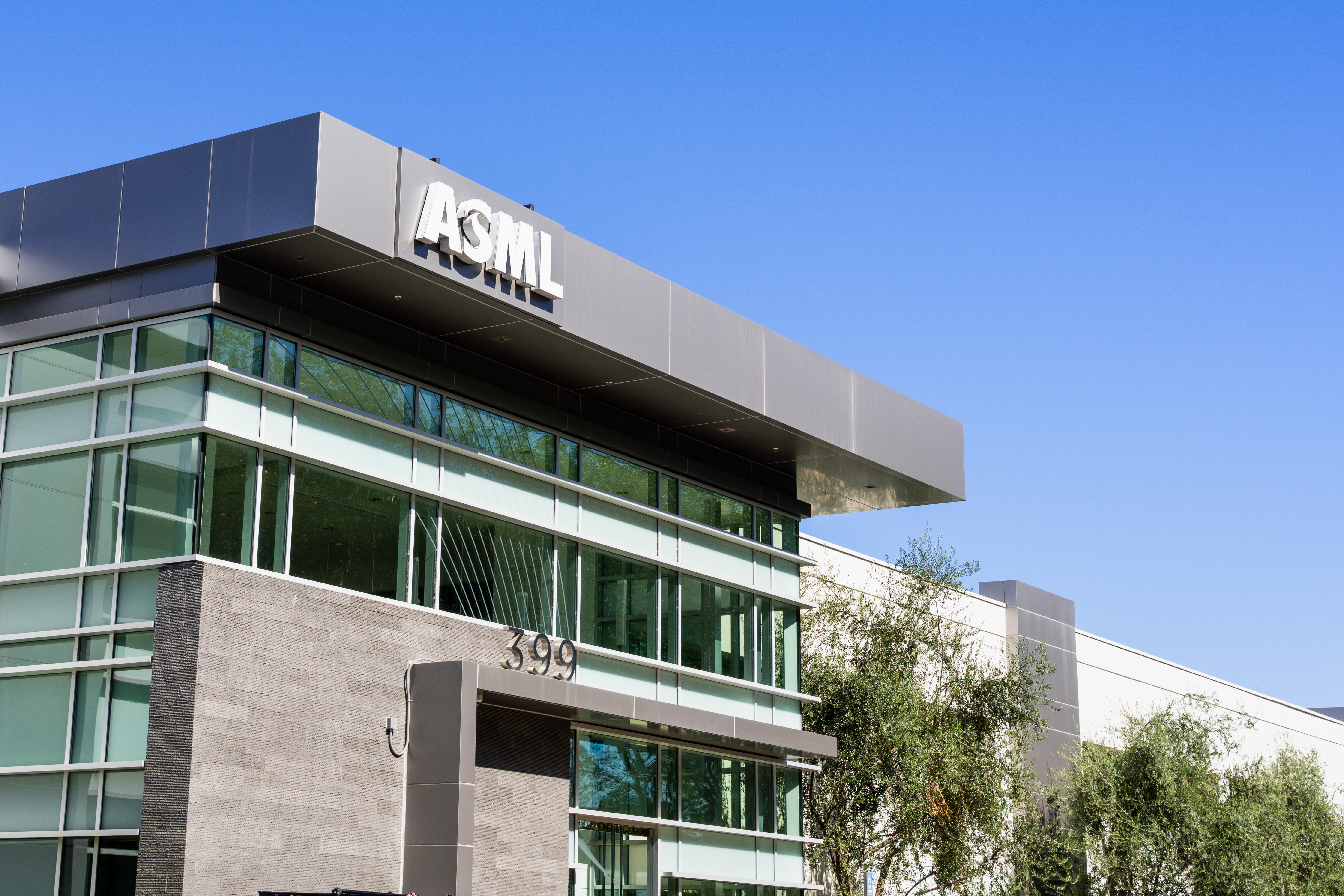
UBS Raises ASML Price Target to €1,900, Reinstates Top Pick
- Price Target Increase: UBS raised ASML's price target from €1,600 to €1,900, reflecting confidence in its growth potential, which led to a 2.8% rise in premarket trading, indicating positive market sentiment towards the company's future.
- Capacity Analysis: UBS analysts noted that ASML's capacity in 2027 is expected to support over 50% year-on-year growth in leading-edge wafer output, while demand is projected at only 25-30%, suggesting that ASML will not become a bottleneck in semiconductor supply over the next 12 to 18 months, enhancing investor confidence.
- Memory Market Outlook: With a strong performance in the memory market, ASML is expected to benefit significantly, particularly as approximately 30-35% of its revenues will come from memory-related products, highlighting its crucial position in the semiconductor industry, with a projected 23% CAGR in memory from 2020 to 2025.
- Increased Lithography Intensity: ASML's lithography intensity is expected to rise from 11% in 2020 to 15% by 2025, and reach 15-20% by 2027/28, further strengthening its competitive edge in the semiconductor equipment market, especially amid node shrinks and increased EUV layer counts.
See More
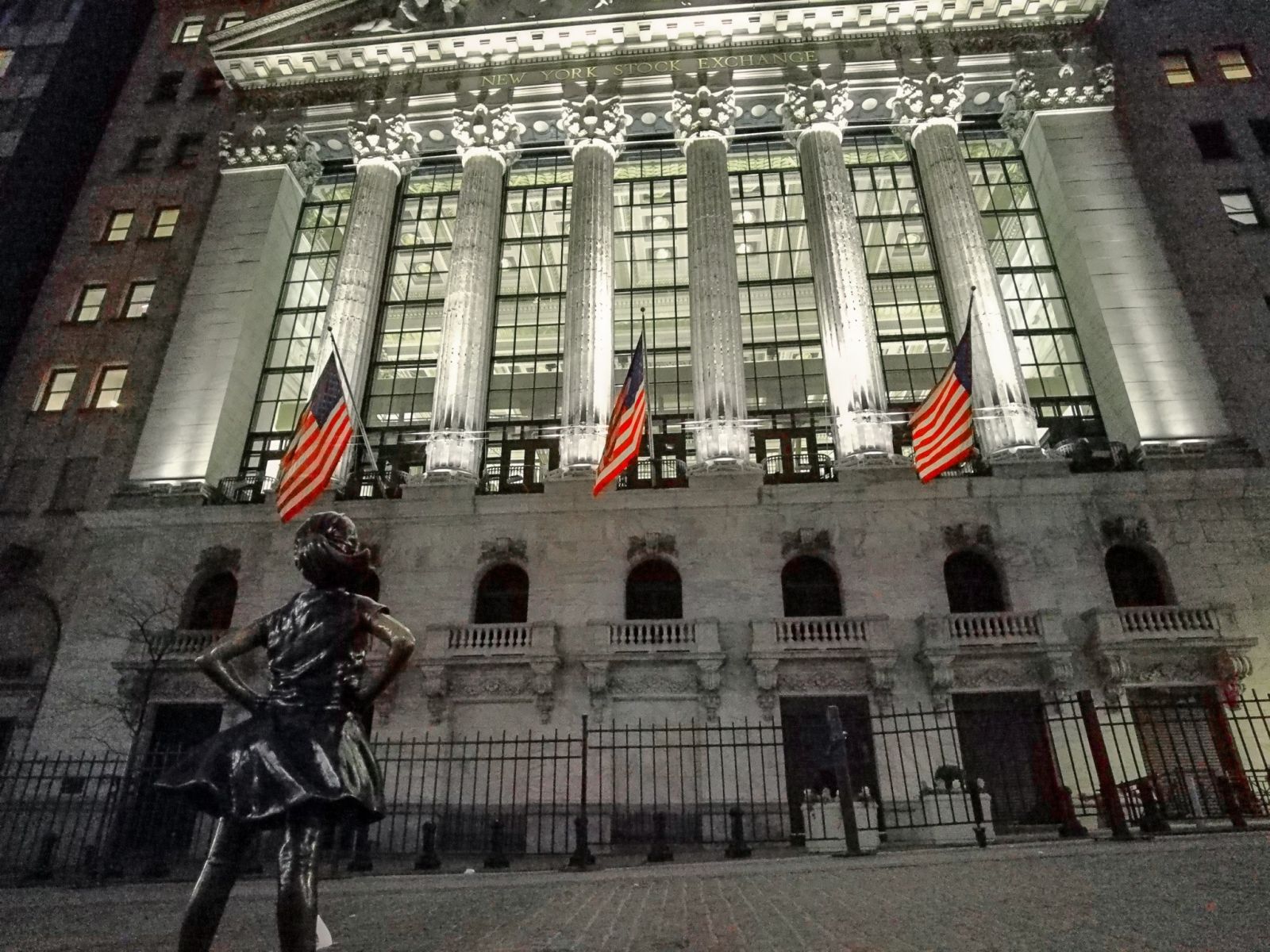
US Stocks Close Lower as Tech Rally Falters


- Market Decline: The S&P 500 and Nasdaq 100 fell by 0.67% and 0.61%, respectively, reaching 1.5-week lows, indicating concerns over a pullback in tech stocks, particularly as the AI-driven rally loses momentum, which may affect investor confidence.
- Rising Bond Yields: The 10-year T-note yield surged to a 16-month high of 4.69%, triggering risk-off sentiment that led to increased stock liquidation, further heightening market uncertainty and potentially prompting the Fed to adopt tighter monetary policies.
- Supportive Economic Data: April pending home sales rose by 1.4% month-over-month, surpassing expectations of 1.0%, and March figures were revised up to 1.7%, demonstrating resilience in the housing market that could provide some support for stocks.
- Oil Price Volatility: WTI crude prices fell nearly 1% following President Trump's comments on Iran, while the IEA reported a decline in global oil inventories of about 4 million bpd, suggesting that the market will remain undersupplied in the near term, impacting related energy stocks.
See More
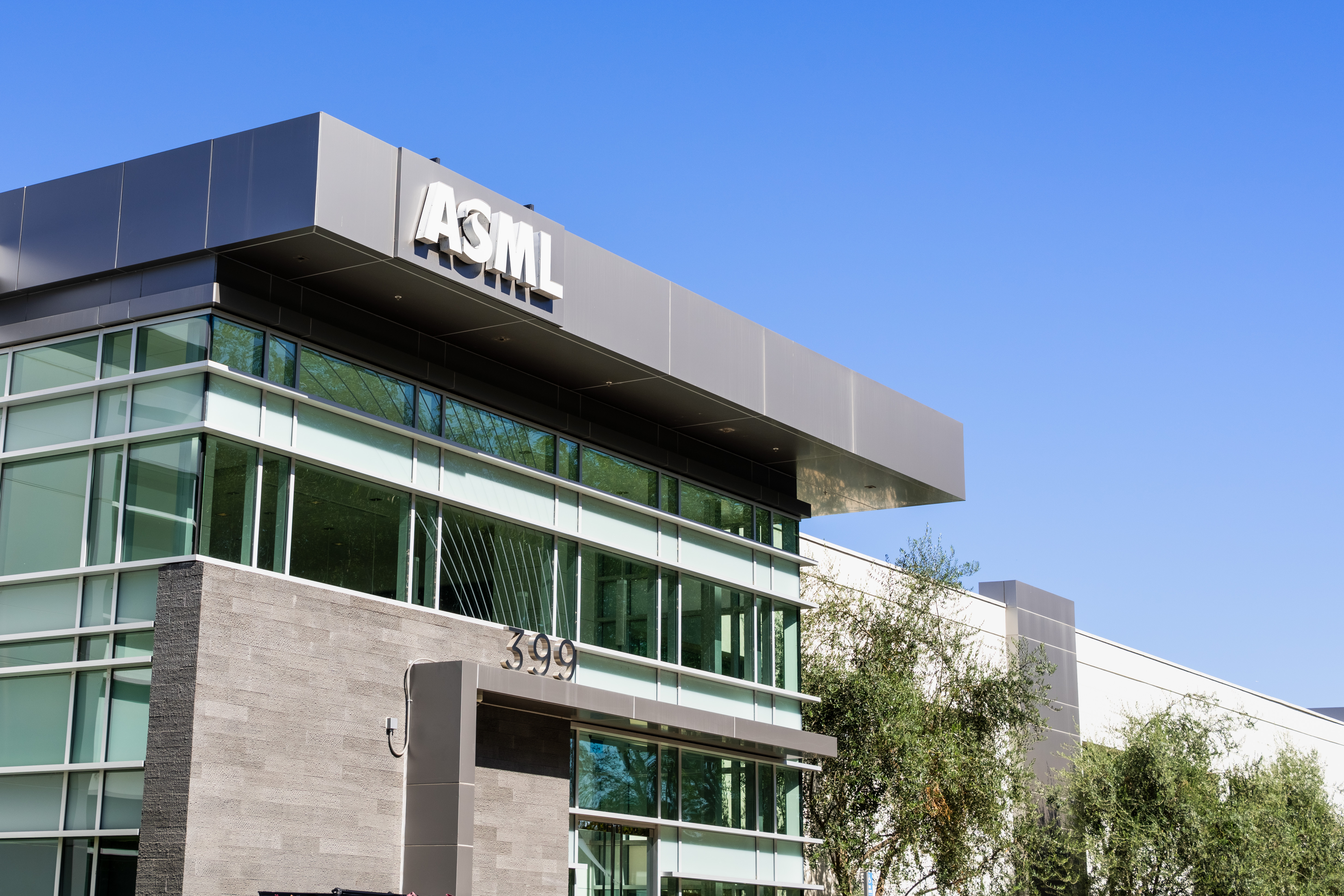
ASML's New High-NA Machines Set to Deliver Products Soon
- Product Expectations: ASML CEO Christophe Fouquet announced that the company anticipates the first products from its new High Numerical Aperture (High-NA) Extreme Ultraviolet (EUV) machines to be available within months, showcasing the company's ongoing innovation in semiconductor manufacturing.
- Cost Reduction Potential: Fouquet highlighted that these High-NA machines will significantly lower the costs associated with patterning the circuitry of the most advanced chips, particularly in logic and memory applications, which could attract more customer investments and enhance ASML's market competitiveness.
- Customer Procurement Dynamics: Despite the powerful capabilities of ASML's new machines, customer Taiwan Semiconductor Manufacturing (TSM) has reportedly delayed purchases due to the machines' high cost of up to $400 million each, a dynamic that may impact ASML's short-term sales outlook and requires close monitoring of customer demand shifts.
- Industry Impact: Fouquet's remarks were made at a conference in Belgium, underscoring ASML's pivotal role in the global semiconductor industry, especially against the backdrop of surging demand for AI and high-performance computing, with the upcoming product launches expected to have profound market implications.
See More

Mistral AI Acquires Emmi AI to Accelerate Industrial AI Investment

- Acquisition Strategy: Mistral AI has acquired Austria-based Emmi AI, which specializes in simulation technology for industrial engineering, for an undisclosed amount, accelerating Mistral's investment in Europe, particularly in Austria, Germany, and Lithuania.
- Technology Integration: By combining Mistral's AI platform with Emmi's expertise in engineering and manufacturing, Mistral aims to create a leading AI stack for industrial engineering, enhancing competitiveness for clients in high-stakes sectors like aerospace, automotive, and semiconductors.
- Team Expansion: Emmi's co-founders and over 30 researchers will join Mistral's Science and Applied AI teams, further strengthening the company's technical capabilities and R&D potential.
- Regional Investment: Linz will become one of Mistral AI's official offices alongside Paris, London, Amsterdam, Munich, San Francisco, and Singapore, deepening investment in European industrial AI talent and research.
See More

Mixed US Stock Close as Oil Prices Volatile Amid Geopolitical Tensions


- Mixed Market Performance: The S&P 500 index fell by 0.07%, while the Dow Jones Industrial Average rose by 0.32%, and the Nasdaq 100 index decreased by 0.45%, indicating a divergence in market performance amid oil price volatility and geopolitical tensions.
- Oil Price Volatility: Crude oil prices surged to a three-week high on Monday due to Iran's comments on US demands being 'excessive and unrealistic', but prices fell sharply later when President Trump canceled a planned strike on Iran, highlighting the direct impact of geopolitical events on the market.
- Supportive Economic Data: The May NAHB housing market index rose by 3 to 37, exceeding expectations, which indicates resilience in the housing market and may provide some support for stocks.
- Weak Chinese Economic Indicators: China's April industrial production rose by 4.1% year-on-year, below the expected 6.0%, with retail sales and new home prices also underperforming, reflecting potential risks to global growth prospects.
See More
ASML CEO: Semiconductor Market Supply Tense
- Market Supply Tension: ASML CEO Christophe Fouquet indicated that the global semiconductor market is expected to experience tight supply conditions, with projections estimating a market size of $1.5 trillion by 2030, which will put pressure on chip manufacturers' production capabilities and affect industry stability.
- Demand Drivers: Fouquet highlighted that Elon Musk's TeraFab large-scale chip plant plan and Starlink satellites are likely to drive strong AI demand, potentially leading to sporadic bottlenecks in the supply chain, further intensifying market competition and impacting production plans for ASML's clients like TSMC and Intel.
- Policy Recommendations: Fouquet urged the EU to ease AI regulations to keep pace with the U.S. and Asia, suggesting more consistent rules around exports of chipmaking equipment to China, which would enhance Europe's competitiveness in the global semiconductor market.
- Production Capacity Enhancement: ASML is implementing multiple measures to increase the production of semiconductor manufacturing equipment to prevent bottlenecks during the rapid buildout of AI infrastructure, while also developing a new advanced packaging tool to meet the manufacturing needs of large AI chips.
See More
UBS Raises ASML Price Target to €1,900, Reinstates Top Pick
- Price Target Increase: UBS raised ASML's price target from €1,600 to €1,900, reflecting confidence in its growth potential, which led to a 2.8% rise in premarket trading, indicating positive market sentiment towards the company's future.
- Capacity Analysis: UBS analysts noted that ASML's capacity in 2027 is expected to support over 50% year-on-year growth in leading-edge wafer output, while demand is projected at only 25-30%, suggesting that ASML will not become a bottleneck in semiconductor supply over the next 12 to 18 months, enhancing investor confidence.
- Memory Market Outlook: With a strong performance in the memory market, ASML is expected to benefit significantly, particularly as approximately 30-35% of its revenues will come from memory-related products, highlighting its crucial position in the semiconductor industry, with a projected 23% CAGR in memory from 2020 to 2025.
- Increased Lithography Intensity: ASML's lithography intensity is expected to rise from 11% in 2020 to 15% by 2025, and reach 15-20% by 2027/28, further strengthening its competitive edge in the semiconductor equipment market, especially amid node shrinks and increased EUV layer counts.
See More
US Stocks Close Lower as Tech Rally Falters
- Market Decline: The S&P 500 and Nasdaq 100 fell by 0.67% and 0.61%, respectively, reaching 1.5-week lows, indicating concerns over a pullback in tech stocks, particularly as the AI-driven rally loses momentum, which may affect investor confidence.
- Rising Bond Yields: The 10-year T-note yield surged to a 16-month high of 4.69%, triggering risk-off sentiment that led to increased stock liquidation, further heightening market uncertainty and potentially prompting the Fed to adopt tighter monetary policies.
- Supportive Economic Data: April pending home sales rose by 1.4% month-over-month, surpassing expectations of 1.0%, and March figures were revised up to 1.7%, demonstrating resilience in the housing market that could provide some support for stocks.
- Oil Price Volatility: WTI crude prices fell nearly 1% following President Trump's comments on Iran, while the IEA reported a decline in global oil inventories of about 4 million bpd, suggesting that the market will remain undersupplied in the near term, impacting related energy stocks.
See More
ASML's New High-NA Machines Set to Deliver Products Soon
- Product Expectations: ASML CEO Christophe Fouquet announced that the company anticipates the first products from its new High Numerical Aperture (High-NA) Extreme Ultraviolet (EUV) machines to be available within months, showcasing the company's ongoing innovation in semiconductor manufacturing.
- Cost Reduction Potential: Fouquet highlighted that these High-NA machines will significantly lower the costs associated with patterning the circuitry of the most advanced chips, particularly in logic and memory applications, which could attract more customer investments and enhance ASML's market competitiveness.
- Customer Procurement Dynamics: Despite the powerful capabilities of ASML's new machines, customer Taiwan Semiconductor Manufacturing (TSM) has reportedly delayed purchases due to the machines' high cost of up to $400 million each, a dynamic that may impact ASML's short-term sales outlook and requires close monitoring of customer demand shifts.
- Industry Impact: Fouquet's remarks were made at a conference in Belgium, underscoring ASML's pivotal role in the global semiconductor industry, especially against the backdrop of surging demand for AI and high-performance computing, with the upcoming product launches expected to have profound market implications.
See More
Mistral AI Acquires Emmi AI to Accelerate Industrial AI Investment
- Acquisition Strategy: Mistral AI has acquired Austria-based Emmi AI, which specializes in simulation technology for industrial engineering, for an undisclosed amount, accelerating Mistral's investment in Europe, particularly in Austria, Germany, and Lithuania.
- Technology Integration: By combining Mistral's AI platform with Emmi's expertise in engineering and manufacturing, Mistral aims to create a leading AI stack for industrial engineering, enhancing competitiveness for clients in high-stakes sectors like aerospace, automotive, and semiconductors.
- Team Expansion: Emmi's co-founders and over 30 researchers will join Mistral's Science and Applied AI teams, further strengthening the company's technical capabilities and R&D potential.
- Regional Investment: Linz will become one of Mistral AI's official offices alongside Paris, London, Amsterdam, Munich, San Francisco, and Singapore, deepening investment in European industrial AI talent and research.
See More
Mixed US Stock Close as Oil Prices Volatile Amid Geopolitical Tensions
- Mixed Market Performance: The S&P 500 index fell by 0.07%, while the Dow Jones Industrial Average rose by 0.32%, and the Nasdaq 100 index decreased by 0.45%, indicating a divergence in market performance amid oil price volatility and geopolitical tensions.
- Oil Price Volatility: Crude oil prices surged to a three-week high on Monday due to Iran's comments on US demands being 'excessive and unrealistic', but prices fell sharply later when President Trump canceled a planned strike on Iran, highlighting the direct impact of geopolitical events on the market.
- Supportive Economic Data: The May NAHB housing market index rose by 3 to 37, exceeding expectations, which indicates resilience in the housing market and may provide some support for stocks.
- Weak Chinese Economic Indicators: China's April industrial production rose by 4.1% year-on-year, below the expected 6.0%, with retail sales and new home prices also underperforming, reflecting potential risks to global growth prospects.
See More