UBS Q1 Earnings Exceed Expectations Amid Strong Capital Position
Written by Emily J. Thompson, Senior Investment Analyst
Updated: 1 hour ago
0mins
Should l Buy UBS?
Source: seekingalpha
- Earnings Beat: UBS reported diluted earnings per share of $0.94 for Q1, significantly up from $0.37 in the previous quarter and $0.51 a year ago, surpassing the consensus estimate of $0.75, indicating a strong improvement in profitability.
- Strong Revenue Growth: The bank's revenue rose 13% year-over-year to $14.24 billion, exceeding market expectations by $1.03 billion, driven by robust performance in the Global Wealth Management and Investment Bank units, which solidifies UBS's market position.
- Substantial Net Profit Increase: UBS's net profit surged 80% year-over-year to $3.0 billion, fueled by strong client asset inflows and trading activity, demonstrating the firm's resilience and profitability in a complex market environment.
- Capital Requirement Management: UBS faces an incremental capital requirement of $22 billion, needing to hold approximately $37 billion in total core Tier 1 capital post-Credit Suisse integration; however, it maintains a strong common equity Tier 1 ratio of 14.7%, above its guidance of ~14% and the consensus of 14.58%.
Trade with 70% Backtested Accuracy
Stop guessing "Should I Buy UBS?" and start using high-conviction signals backed by rigorous historical data.
Sign up today to access powerful investing tools and make smarter, data-driven decisions.
Analyst Views on UBS
Wall Street analysts forecast UBS stock price to rise
11 Analyst Rating
7 Buy
2 Hold
2 Sell
Moderate Buy
Current: 42.720

Low
39.12
Averages
52.09
High
71.73
Current: 42.720
Low
39.12
Averages
52.09
High
71.73
About UBS
UBS Group AG is a Switzerland-based holding company and conducts its operations through UBS AG and its subsidiaries. The company operates as a wealth manager with focused asset management and investment banking capabilities and a capital-light and cash-generative business model. The Company comprises four business divisions: Global Wealth Management, which provides tailored advice and solutions to its clients around the globe; Personal & Corporate Banking division provides comprehensive financial products and services to private, corporate and institutional clients in Switzerland; Asset Management division offers investment capabilities and styles across all traditional and alternative asset classes, as well as advisory support to institutions; Investment Bank provides investment advice, financial solutions and capital markets access to institutional, corporate and wealth management clients.
About the author

Emily J. Thompson
Emily J. Thompson, a Chartered Financial Analyst (CFA) with 12 years in investment research, graduated with honors from the Wharton School. Specializing in industrial and technology stocks, she provides in-depth analysis for Intellectia’s earnings and market brief reports.

UBS Q1 2026 Profit Soars 80% Driven by Broad-Based Growth

- Significant Profit Surge: UBS reported an 80% year-on-year increase in net profit for Q1 2026, reaching $3.04 billion, reflecting robust performance across all core business segments and reinforcing its market position.
- Wealth Management Success: The Global Wealth Management division saw net new assets of $37.4 billion in the quarter, equivalent to a 3.1% annualized growth rate, indicating strong inflows across all regions and driving total revenues up by 11% to $7.1 billion, showcasing client trust in UBS's services.
- Investment Banking Revenue Growth: Investment Bank revenues surged by 27% year-on-year to $4.05 billion, primarily due to increased revenues in Global Markets and Global Banking, demonstrating UBS's competitiveness and adaptability in a complex market environment.
- Client Account Migration Completed: UBS successfully completed the migration of approximately 1.2 million client accounts, marking a crucial milestone in one of the most complex integrations in banking history, with expectations to substantially complete the integration by year-end, positioning the firm for sustainable future growth.
See More
UBS Q1 Earnings Exceed Expectations Amid Strong Capital Position
- Earnings Beat: UBS reported diluted earnings per share of $0.94 for Q1, significantly up from $0.37 in the previous quarter and $0.51 a year ago, surpassing the consensus estimate of $0.75, indicating a strong improvement in profitability.
- Strong Revenue Growth: The bank's revenue rose 13% year-over-year to $14.24 billion, exceeding market expectations by $1.03 billion, driven by robust performance in the Global Wealth Management and Investment Bank units, which solidifies UBS's market position.
- Substantial Net Profit Increase: UBS's net profit surged 80% year-over-year to $3.0 billion, fueled by strong client asset inflows and trading activity, demonstrating the firm's resilience and profitability in a complex market environment.
- Capital Requirement Management: UBS faces an incremental capital requirement of $22 billion, needing to hold approximately $37 billion in total core Tier 1 capital post-Credit Suisse integration; however, it maintains a strong common equity Tier 1 ratio of 14.7%, above its guidance of ~14% and the consensus of 14.58%.
See More

UBS Welcomes New Financial Advisor Luke Naeshas
- New Advisor Onboard: UBS announced today that Luke Naeshas has joined its Boulder, Colorado office, bringing a decade of experience in managing high-net-worth clients, which is expected to enhance the firm's client service capabilities in the region.
- Market Leadership Team: Luke will work closely with Market Executive Mitch Markley and Senior Market Director Tyler Hutchens, focusing on pre- and post-liquidity event wealth management for successful business owners and executives, thereby strengthening the team's expertise and market competitiveness.
- Client Relationship Management: His client-focused service philosophy and extensive experience in complex financial decision-making will help UBS build long-term trust relationships in Boulder and the broader Mountain West region, enhancing client satisfaction.
- Educational Background: Luke earned his undergraduate degrees in Accounting and Finance, as well as his MBA, from the University of Colorado Boulder, and as a local native, he possesses a deeper understanding of client needs, which is expected to drive UBS's further growth in the local market.
See More
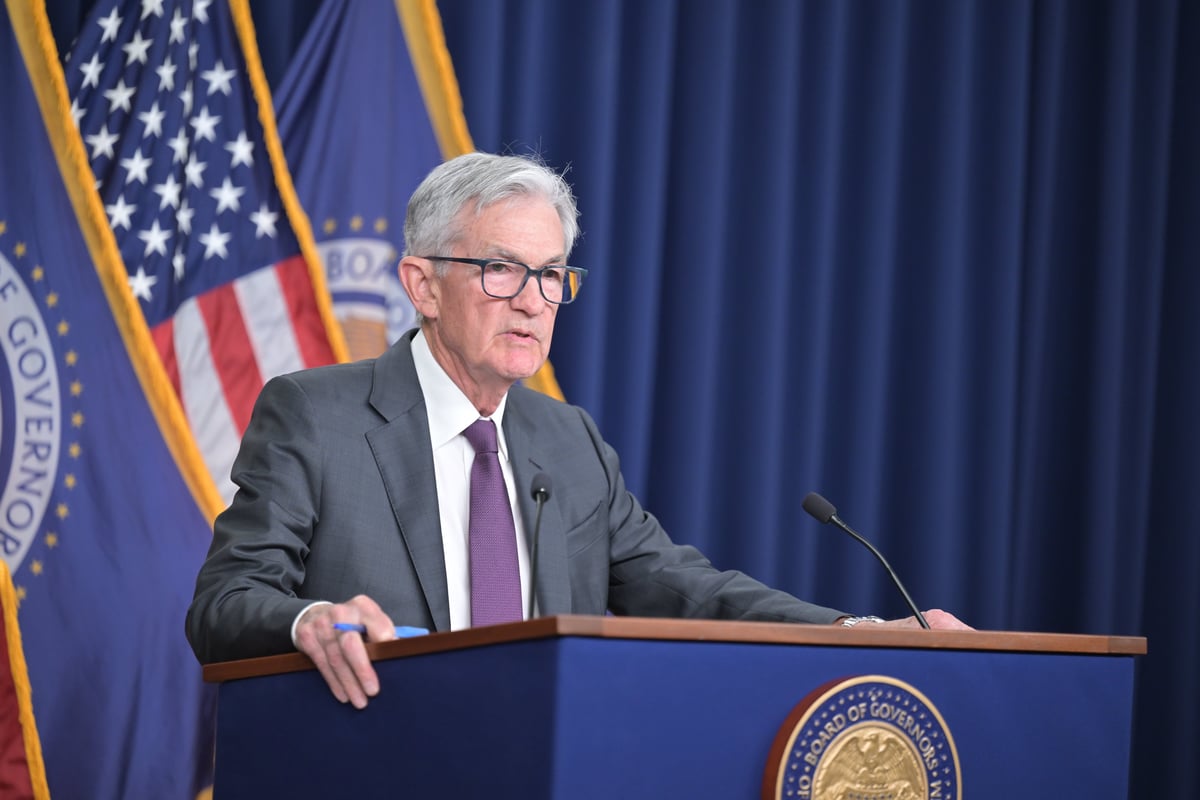
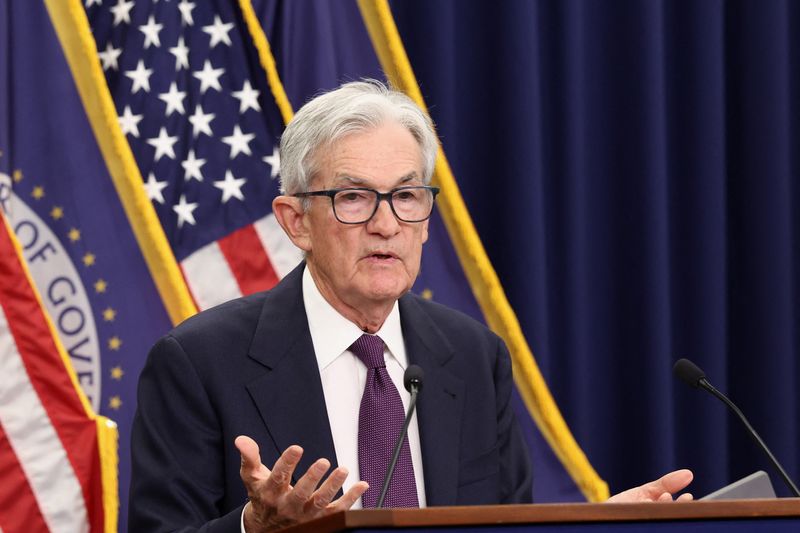
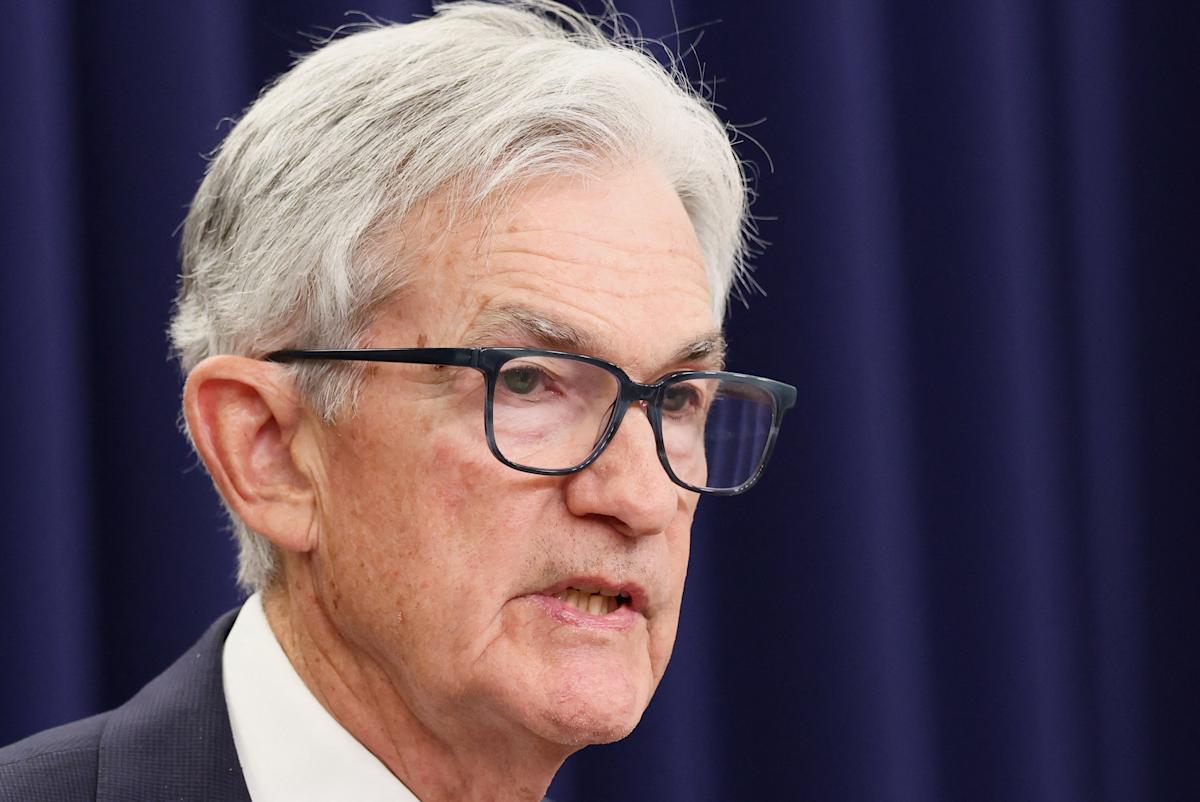
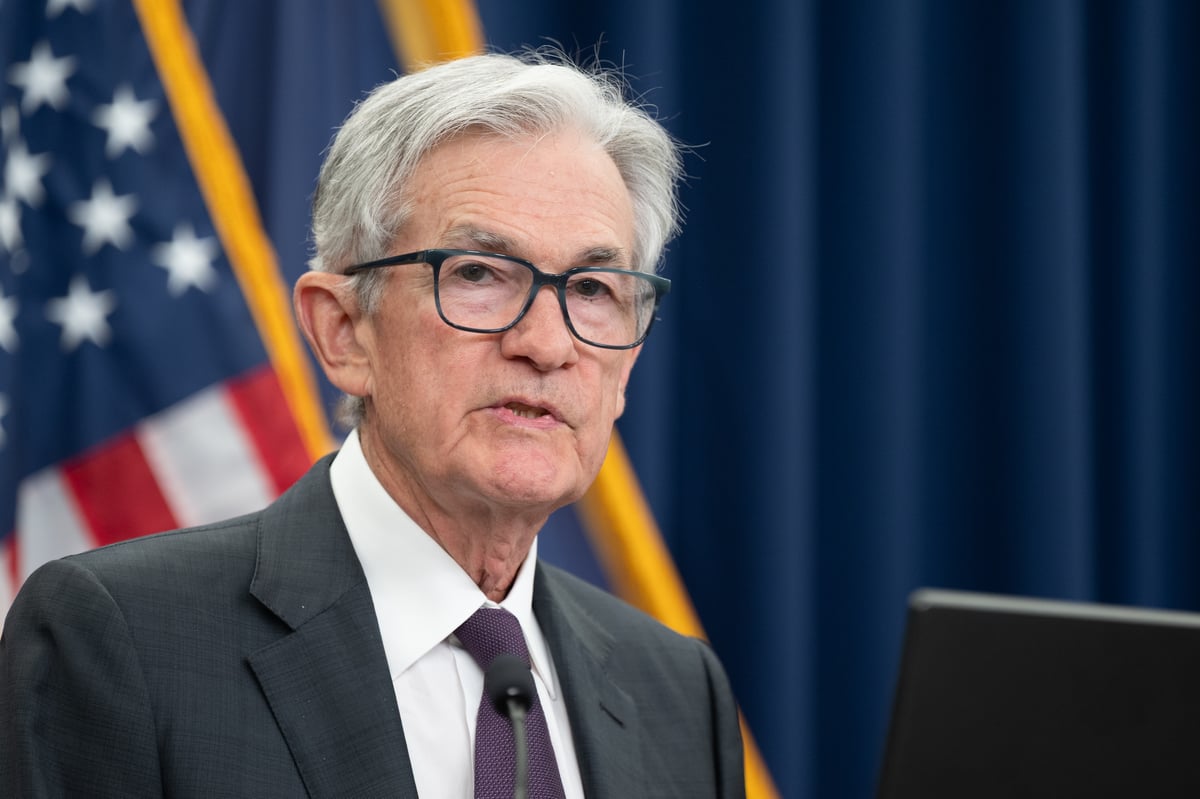
Trump Nominates Warsh to Replace Fed Chair Powell
- Fed Chair Transition: Trump has nominated Kevin Warsh to replace current Fed Chair Jerome Powell, with Warsh expressing openness to rate cuts while emphasizing the importance of monetary policy independence, which could create market unease.
- Balance Sheet Reduction: Warsh advocates for shrinking the Fed's balance sheet, currently around $7 trillion, and if quantitative tightening is implemented, UBS estimates it could pose a 9-percentage-point headwind to the S&P 500, potentially slowing corporate profit growth.
- Forward Guidance Risks: Warsh opposes the Fed's forward guidance, believing decisions should be made in the room, and if this guidance is removed, investors may face increased market volatility due to a lack of information on future interest rate trajectories.
- Market Reaction Expectations: Warsh's policies could lead to rising bond yields, making bonds more attractive to investors and reducing demand for stocks, which may impact market liquidity and overall performance.
See More

Warsh Proposes Reducing Fed's Balance Sheet
- Balance Sheet Reduction: Warsh advocates for a gradual reduction of the Fed's balance sheet, currently around $7 trillion, down from a peak of $9 trillion in 2022, which could exacerbate stock market volatility and undermine investor confidence.
- Forward Guidance Controversy: Warsh opposes the Fed's dot plot forward guidance, arguing it complicates stock valuation for investors, potentially leading to increased market instability and reduced liquidity in the stock market.
- Impact on Bond Market: Should the Fed begin selling Treasury bonds, bond prices are expected to decline while yields rise, which could increase corporate borrowing costs, thereby suppressing profit growth and negatively affecting stock market performance.
- Market Expectation Adjustment: UBS strategists estimate that reducing the balance sheet could impose a 9-percentage-point headwind to the S&P 500, suggesting that future stock market growth may significantly slow, prompting investors to approach market changes with caution.
See More

European Banks Address Private Credit Risk Concerns Amid Earnings Season


- Barclays Credit Exposure: Barclays revealed a £15 billion ($20.3 billion) exposure to private credit in its Q1 earnings, part of a total structured financing exposure of £66 billion to non-bank financial intermediaries, highlighting its risk management capabilities in a complex credit environment.
- Santander Risk Coverage: Santander's CFO stated that potential losses related to Market Financial Solutions (MFS) have been 'fully covered' in Q1, with its overall exposure to private credit being less than 1%, demonstrating the robustness of its credit systems.
- Market Reaction and Concerns: The insolvency of MFS has triggered widespread concerns over the private credit market, particularly among U.S. business development companies (BDCs), with investors increasingly focused on liquidity issues, although UBS claims its private credit investments are 'well diversified' and show no major problems.
- Credit Risk Outlook: According to Bank of America's latest credit investor survey, investment-grade investors find the asset exposure of banks and insurers 'still a bit opaque', while high-yield investors are more concerned about energy prices and inflation, indicating varied market responses to different risks.
See More
UBS Q1 2026 Profit Soars 80% Driven by Broad-Based Growth
- Significant Profit Surge: UBS reported an 80% year-on-year increase in net profit for Q1 2026, reaching $3.04 billion, reflecting robust performance across all core business segments and reinforcing its market position.
- Wealth Management Success: The Global Wealth Management division saw net new assets of $37.4 billion in the quarter, equivalent to a 3.1% annualized growth rate, indicating strong inflows across all regions and driving total revenues up by 11% to $7.1 billion, showcasing client trust in UBS's services.
- Investment Banking Revenue Growth: Investment Bank revenues surged by 27% year-on-year to $4.05 billion, primarily due to increased revenues in Global Markets and Global Banking, demonstrating UBS's competitiveness and adaptability in a complex market environment.
- Client Account Migration Completed: UBS successfully completed the migration of approximately 1.2 million client accounts, marking a crucial milestone in one of the most complex integrations in banking history, with expectations to substantially complete the integration by year-end, positioning the firm for sustainable future growth.
See More
UBS Q1 Earnings Exceed Expectations Amid Strong Capital Position
- Earnings Beat: UBS reported diluted earnings per share of $0.94 for Q1, significantly up from $0.37 in the previous quarter and $0.51 a year ago, surpassing the consensus estimate of $0.75, indicating a strong improvement in profitability.
- Strong Revenue Growth: The bank's revenue rose 13% year-over-year to $14.24 billion, exceeding market expectations by $1.03 billion, driven by robust performance in the Global Wealth Management and Investment Bank units, which solidifies UBS's market position.
- Substantial Net Profit Increase: UBS's net profit surged 80% year-over-year to $3.0 billion, fueled by strong client asset inflows and trading activity, demonstrating the firm's resilience and profitability in a complex market environment.
- Capital Requirement Management: UBS faces an incremental capital requirement of $22 billion, needing to hold approximately $37 billion in total core Tier 1 capital post-Credit Suisse integration; however, it maintains a strong common equity Tier 1 ratio of 14.7%, above its guidance of ~14% and the consensus of 14.58%.
See More
UBS Welcomes New Financial Advisor Luke Naeshas
- New Advisor Onboard: UBS announced today that Luke Naeshas has joined its Boulder, Colorado office, bringing a decade of experience in managing high-net-worth clients, which is expected to enhance the firm's client service capabilities in the region.
- Market Leadership Team: Luke will work closely with Market Executive Mitch Markley and Senior Market Director Tyler Hutchens, focusing on pre- and post-liquidity event wealth management for successful business owners and executives, thereby strengthening the team's expertise and market competitiveness.
- Client Relationship Management: His client-focused service philosophy and extensive experience in complex financial decision-making will help UBS build long-term trust relationships in Boulder and the broader Mountain West region, enhancing client satisfaction.
- Educational Background: Luke earned his undergraduate degrees in Accounting and Finance, as well as his MBA, from the University of Colorado Boulder, and as a local native, he possesses a deeper understanding of client needs, which is expected to drive UBS's further growth in the local market.
See More
Trump Nominates Warsh to Replace Fed Chair Powell
- Fed Chair Transition: Trump has nominated Kevin Warsh to replace current Fed Chair Jerome Powell, with Warsh expressing openness to rate cuts while emphasizing the importance of monetary policy independence, which could create market unease.
- Balance Sheet Reduction: Warsh advocates for shrinking the Fed's balance sheet, currently around $7 trillion, and if quantitative tightening is implemented, UBS estimates it could pose a 9-percentage-point headwind to the S&P 500, potentially slowing corporate profit growth.
- Forward Guidance Risks: Warsh opposes the Fed's forward guidance, believing decisions should be made in the room, and if this guidance is removed, investors may face increased market volatility due to a lack of information on future interest rate trajectories.
- Market Reaction Expectations: Warsh's policies could lead to rising bond yields, making bonds more attractive to investors and reducing demand for stocks, which may impact market liquidity and overall performance.
See More
Warsh Proposes Reducing Fed's Balance Sheet
- Balance Sheet Reduction: Warsh advocates for a gradual reduction of the Fed's balance sheet, currently around $7 trillion, down from a peak of $9 trillion in 2022, which could exacerbate stock market volatility and undermine investor confidence.
- Forward Guidance Controversy: Warsh opposes the Fed's dot plot forward guidance, arguing it complicates stock valuation for investors, potentially leading to increased market instability and reduced liquidity in the stock market.
- Impact on Bond Market: Should the Fed begin selling Treasury bonds, bond prices are expected to decline while yields rise, which could increase corporate borrowing costs, thereby suppressing profit growth and negatively affecting stock market performance.
- Market Expectation Adjustment: UBS strategists estimate that reducing the balance sheet could impose a 9-percentage-point headwind to the S&P 500, suggesting that future stock market growth may significantly slow, prompting investors to approach market changes with caution.
See More
European Banks Address Private Credit Risk Concerns Amid Earnings Season
- Barclays Credit Exposure: Barclays revealed a £15 billion ($20.3 billion) exposure to private credit in its Q1 earnings, part of a total structured financing exposure of £66 billion to non-bank financial intermediaries, highlighting its risk management capabilities in a complex credit environment.
- Santander Risk Coverage: Santander's CFO stated that potential losses related to Market Financial Solutions (MFS) have been 'fully covered' in Q1, with its overall exposure to private credit being less than 1%, demonstrating the robustness of its credit systems.
- Market Reaction and Concerns: The insolvency of MFS has triggered widespread concerns over the private credit market, particularly among U.S. business development companies (BDCs), with investors increasingly focused on liquidity issues, although UBS claims its private credit investments are 'well diversified' and show no major problems.
- Credit Risk Outlook: According to Bank of America's latest credit investor survey, investment-grade investors find the asset exposure of banks and insurers 'still a bit opaque', while high-yield investors are more concerned about energy prices and inflation, indicating varied market responses to different risks.
See More