UBS Identifies Attractive Defensive Stock Opportunities
Written by Emily J. Thompson, Senior Investment Analyst
Updated: 3 days ago
0mins
Source: CNBC
- Market Concentration Analysis: According to UBS, the market experienced strong gains in the first half of the year, primarily driven by a handful of megacap tech companies, leading to historically low correlations across stocks, indicating that investors are avoiding lower-risk companies, which has made many defensive stocks attractive in valuation.
- Valuation Gap in Defensive Stocks: Analyst Sean Burns highlighted that the gap between expensive and cheap defensive stocks is near the widest levels seen since 1990, nearly double the long-run average, with low-risk stocks trading at a market-implied yield of 4.4% compared to just 1.4% for high-risk stocks.
- Quality Defensive Stock Screening: UBS screened for defensive stocks with a market cap of at least $5 billion and a negative correlation to the S&P 500 over the past year, finding that these stocks not only exhibit low volatility but are also trading at discounts, all rated as buys by UBS.
- Individual Stock Performance Expectations: For instance, PepsiCo (PEP) is down about 6% year-to-date but is expected to report strong second-quarter earnings, with its North American food business recovering volume growth after price cuts; McDonald's (MCD) also beat first-quarter earnings expectations and is expected to continue gaining market share globally.
Trade with 70% Backtested Accuracy
Stop guessing "Should I Buy PEP?" and start using high-conviction signals backed by rigorous historical data.
Sign up today to access powerful investing tools and make smarter, data-driven decisions.
Analyst Views on PEP
Wall Street analysts forecast PEP stock price to rise
12 Analyst Rating
6 Buy
6 Hold
0 Sell
Moderate Buy
Current: 141.160

Low
144.00
Averages
161.90
High
172.00
Current: 141.160
Low
144.00
Averages
161.90
High
172.00
About PEP
PepsiCo, Inc. is a global beverage and convenient food company. The Company’s segments include PepsiCo Foods North America (PFNA), PepsiCo Beverages North America (PBNA), International Beverages Franchise (IB Franchise), Europe, Middle East and Africa (EMEA), Latin America Foods (LatAm Foods), and Asia Pacific Foods. PFNA segment includes all of its convenient food businesses in the United States and Canada. PBNA segment includes all of its beverage businesses in the United States and Canada. IB Franchise segment includes its international franchise beverage businesses, as well as its SodaStream business. EMEA segment includes its convenient food businesses and beverage businesses with Company-owned bottlers in Europe, the Middle East and Africa. LatAm Foods segment includes all of its convenient food businesses in Latin America. Asia Pacific Foods segment consists of its convenient food businesses in Asia Pacific, including China, Australia and New Zealand, as well as India.
About the author

Emily J. Thompson
Emily J. Thompson, a Chartered Financial Analyst (CFA) with 12 years in investment research, graduated with honors from the Wharton School. Specializing in industrial and technology stocks, she provides in-depth analysis for Intellectia’s earnings and market brief reports.

Catalyst Watch for Next Week's Market Events


- Volatility Watch: Options volatility for SpaceX (SPCX) and Palantir (PLTR) has significantly increased over the past week, indicating cautious optimism among investors regarding their future performance, which may impact stock price movements.
- IPO Developments: SK Hynix (SKHY) is expected to price and begin trading next week, marking a critical moment for its entry into the capital markets, potentially providing the company with funding to drive future growth.
- Key Conference: The Allen & Company Sun Valley Conference will attract tech giants including Apple (AAPL) and Amazon (AMZN), likely fostering collaboration and investment opportunities within the industry, which could positively influence the stock prices of related companies.
- Earnings Releases: Companies like Delta Air Lines (DAL) and PepsiCo (PEP) are set to report earnings next week, and the market will closely monitor their performance to assess the progress of economic recovery and its potential impact on stock prices.
See More

Corporate Sponsorship Behind Trump's Freedom 250 Celebrations

- Corporate Sponsorship Phenomenon: A CNBC analysis reveals that 14 companies, including Boeing, Deloitte, and United Airlines, are backing both America250 and Freedom 250, indicating a complex intersection of corporate interests and politics that may influence their dealings with the government.
- Funding Transparency Issues: The sponsorship structure of Freedom 250 has been criticized for its opacity, allowing donors to gain access to Trump through contributions as high as $10 million, raising concerns about corporations seeking political influence.
- Celebration Participation Status: Despite Congress allocating $150 million for the 250th anniversary, America250 has only received $25 million, while Freedom 250 has secured nearly $80 million in funding, highlighting the financial advantage of Trump-aligned events.
- Event Organization Challenges: The Great American State Fair has faced poor participation, with at least eight states declining to join due to exhibit costs and partisan concerns, resulting in sparse crowds and equipment failures during the event.
See More
Corporate Sponsorship of Freedom 250 Raises Concerns


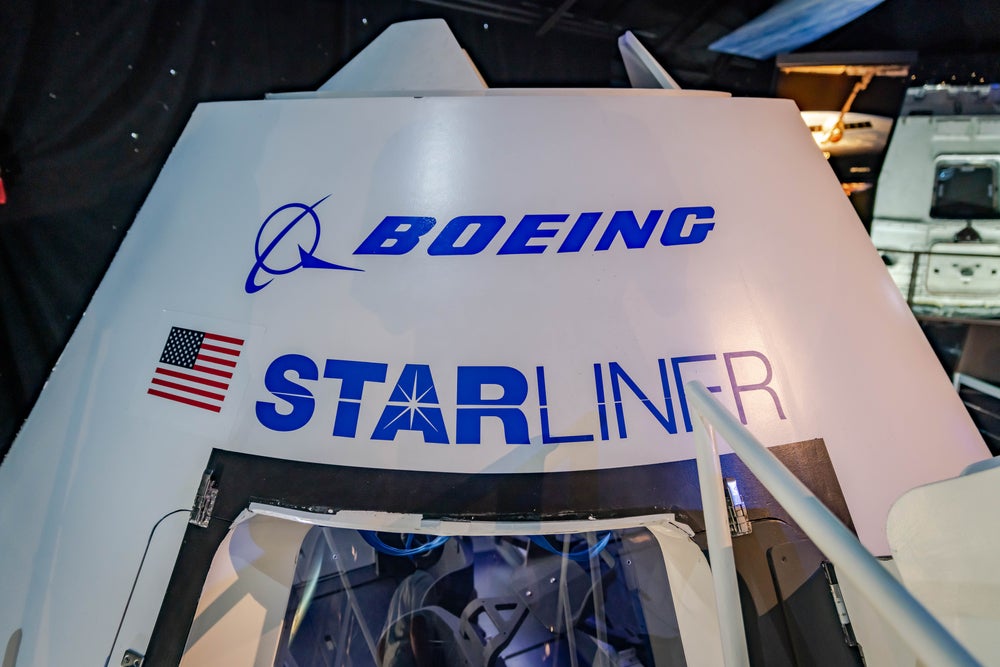
- Corporate Sponsorship: Major companies like Boeing, Lockheed Martin, and Oracle are sponsoring Freedom 250, and while no direct evidence links these sponsorships to government dealings, watchdogs warn this could create new avenues for corporate influence in Washington.
- Opaque Funding Structure: Freedom 250's fundraising materials indicate that donors contributing over $500,000 gain VIP access to Trump, raising ethical concerns about the transparency of funding and potential impacts on government decision-making.
- Celebration Participation: Despite Congress allocating $150 million for the 250th anniversary, Freedom 250 has secured nearly $80 million in related grants, while America250 has only received $25 million, indicating a preference among companies for Trump's version of the celebration.
- Event Issues: The Great American State Fair, a centerpiece of Freedom 250, has faced reduced state participation, sparse crowds, and technical failures, with some artists withdrawing due to concerns over the partisan nature of the event, highlighting organizational challenges.
See More

Stocks Close Lower as AI Trade Volatility Increases


- Market Pullback: Stocks closed lower to end the holiday-shortened trading week, although the S&P 500 rebounded by about 1.5% after last week's decline, indicating short-term market volatility.
- Employment Data Impact: A soft June jobs report eased concerns about the Federal Reserve raising interest rates in the coming months, potentially providing some confidence to investors, yet the overall market remains affected by AI trade volatility.
- Portfolio Performance: This week, stocks in the portfolio such as Corning, Arm Holdings, and Intel faced pressure due to changing market sentiment, while software companies like Salesforce and Microsoft saw gains, both up nearly 5% for the week.
- Economic Data Preview: Next week will feature several important economic updates, including service sector activity reports and mortgage applications, which investors should monitor for their potential impact on the market.
See More
U.S. Stocks Show Strong Performance in First Week of July Trading


- Strong Stock Performance: The Dow Jones Industrial Average reached an all-time high on Thursday, rising 1.3% for the week, while the S&P 500 and Nasdaq Composite increased by 1.2% and 1.6%, respectively, indicating a robust market rebound and investor confidence.
- Significant Quarterly Gains: The S&P 500 and Nasdaq recorded their largest quarterly gains since 2020 in the second quarter, reflecting strong economic recovery momentum, particularly as the small-cap Russell 2000 posted its biggest first-half gain since 1991, showcasing optimism towards small businesses.
- Impact of Employment Data: Although the U.S. economy added 57,000 jobs in June, significantly below the expected 115,000, this data bolstered investor expectations that the Fed may hesitate to raise rates in the near term, providing short-term support for the stock market.
- Cautious Future Outlook: Despite a strong first half, analysts express skepticism about further upside in the second half, with forecasts suggesting the S&P 500 will rise about 4% to 7,807 by 2026, reflecting expectations for strong corporate earnings and productivity gains.
See More

Investment Comparison: Coca-Cola vs. PepsiCo

- Financial Performance Comparison: Coca-Cola reported approximately $48.1 billion in revenue for FY 2025, reflecting a 2.6% year-over-year growth with a net income of $13.1 billion, indicating stable profitability; in contrast, PepsiCo's revenue reached about $93.9 billion, growing 2.3%, but its net income fell to $8.2 billion from $9.6 billion the previous year, highlighting profitability pressures.
- Risk Analysis: Coca-Cola is navigating significant risks, including a potential IRS liability of $3.3 billion and pressures from new sugar taxes and environmental regulations, which add operational risks; meanwhile, PepsiCo faces challenges from a class action lawsuit and new sugar taxes, alongside increased pressure to meet aggressive efficiency targets, potentially impacting long-term financial performance.
- Valuation Comparison: Coca-Cola's forward P/E ratio stands at 25.1x compared to PepsiCo's 22.6x, suggesting PepsiCo may be the more attractive value play, although Coca-Cola's projected net income margin of 29% in 2026 significantly surpasses PepsiCo's expected 11.2% margin.
- Market Strategy: Coca-Cola focuses on the beverage market, enhancing brand visibility through partnerships like the NBA, while PepsiCo is adjusting its product mix to cater to consumer preferences for savory snacks, illustrating differing strategic focuses between the two companies.
See More
Catalyst Watch for Next Week's Market Events
- Volatility Watch: Options volatility for SpaceX (SPCX) and Palantir (PLTR) has significantly increased over the past week, indicating cautious optimism among investors regarding their future performance, which may impact stock price movements.
- IPO Developments: SK Hynix (SKHY) is expected to price and begin trading next week, marking a critical moment for its entry into the capital markets, potentially providing the company with funding to drive future growth.
- Key Conference: The Allen & Company Sun Valley Conference will attract tech giants including Apple (AAPL) and Amazon (AMZN), likely fostering collaboration and investment opportunities within the industry, which could positively influence the stock prices of related companies.
- Earnings Releases: Companies like Delta Air Lines (DAL) and PepsiCo (PEP) are set to report earnings next week, and the market will closely monitor their performance to assess the progress of economic recovery and its potential impact on stock prices.
See More
Corporate Sponsorship Behind Trump's Freedom 250 Celebrations
- Corporate Sponsorship Phenomenon: A CNBC analysis reveals that 14 companies, including Boeing, Deloitte, and United Airlines, are backing both America250 and Freedom 250, indicating a complex intersection of corporate interests and politics that may influence their dealings with the government.
- Funding Transparency Issues: The sponsorship structure of Freedom 250 has been criticized for its opacity, allowing donors to gain access to Trump through contributions as high as $10 million, raising concerns about corporations seeking political influence.
- Celebration Participation Status: Despite Congress allocating $150 million for the 250th anniversary, America250 has only received $25 million, while Freedom 250 has secured nearly $80 million in funding, highlighting the financial advantage of Trump-aligned events.
- Event Organization Challenges: The Great American State Fair has faced poor participation, with at least eight states declining to join due to exhibit costs and partisan concerns, resulting in sparse crowds and equipment failures during the event.
See More
Corporate Sponsorship of Freedom 250 Raises Concerns
- Corporate Sponsorship: Major companies like Boeing, Lockheed Martin, and Oracle are sponsoring Freedom 250, and while no direct evidence links these sponsorships to government dealings, watchdogs warn this could create new avenues for corporate influence in Washington.
- Opaque Funding Structure: Freedom 250's fundraising materials indicate that donors contributing over $500,000 gain VIP access to Trump, raising ethical concerns about the transparency of funding and potential impacts on government decision-making.
- Celebration Participation: Despite Congress allocating $150 million for the 250th anniversary, Freedom 250 has secured nearly $80 million in related grants, while America250 has only received $25 million, indicating a preference among companies for Trump's version of the celebration.
- Event Issues: The Great American State Fair, a centerpiece of Freedom 250, has faced reduced state participation, sparse crowds, and technical failures, with some artists withdrawing due to concerns over the partisan nature of the event, highlighting organizational challenges.
See More
Stocks Close Lower as AI Trade Volatility Increases
- Market Pullback: Stocks closed lower to end the holiday-shortened trading week, although the S&P 500 rebounded by about 1.5% after last week's decline, indicating short-term market volatility.
- Employment Data Impact: A soft June jobs report eased concerns about the Federal Reserve raising interest rates in the coming months, potentially providing some confidence to investors, yet the overall market remains affected by AI trade volatility.
- Portfolio Performance: This week, stocks in the portfolio such as Corning, Arm Holdings, and Intel faced pressure due to changing market sentiment, while software companies like Salesforce and Microsoft saw gains, both up nearly 5% for the week.
- Economic Data Preview: Next week will feature several important economic updates, including service sector activity reports and mortgage applications, which investors should monitor for their potential impact on the market.
See More
U.S. Stocks Show Strong Performance in First Week of July Trading
- Strong Stock Performance: The Dow Jones Industrial Average reached an all-time high on Thursday, rising 1.3% for the week, while the S&P 500 and Nasdaq Composite increased by 1.2% and 1.6%, respectively, indicating a robust market rebound and investor confidence.
- Significant Quarterly Gains: The S&P 500 and Nasdaq recorded their largest quarterly gains since 2020 in the second quarter, reflecting strong economic recovery momentum, particularly as the small-cap Russell 2000 posted its biggest first-half gain since 1991, showcasing optimism towards small businesses.
- Impact of Employment Data: Although the U.S. economy added 57,000 jobs in June, significantly below the expected 115,000, this data bolstered investor expectations that the Fed may hesitate to raise rates in the near term, providing short-term support for the stock market.
- Cautious Future Outlook: Despite a strong first half, analysts express skepticism about further upside in the second half, with forecasts suggesting the S&P 500 will rise about 4% to 7,807 by 2026, reflecting expectations for strong corporate earnings and productivity gains.
See More
Investment Comparison: Coca-Cola vs. PepsiCo
- Financial Performance Comparison: Coca-Cola reported approximately $48.1 billion in revenue for FY 2025, reflecting a 2.6% year-over-year growth with a net income of $13.1 billion, indicating stable profitability; in contrast, PepsiCo's revenue reached about $93.9 billion, growing 2.3%, but its net income fell to $8.2 billion from $9.6 billion the previous year, highlighting profitability pressures.
- Risk Analysis: Coca-Cola is navigating significant risks, including a potential IRS liability of $3.3 billion and pressures from new sugar taxes and environmental regulations, which add operational risks; meanwhile, PepsiCo faces challenges from a class action lawsuit and new sugar taxes, alongside increased pressure to meet aggressive efficiency targets, potentially impacting long-term financial performance.
- Valuation Comparison: Coca-Cola's forward P/E ratio stands at 25.1x compared to PepsiCo's 22.6x, suggesting PepsiCo may be the more attractive value play, although Coca-Cola's projected net income margin of 29% in 2026 significantly surpasses PepsiCo's expected 11.2% margin.
- Market Strategy: Coca-Cola focuses on the beverage market, enhancing brand visibility through partnerships like the NBA, while PepsiCo is adjusting its product mix to cater to consumer preferences for savory snacks, illustrating differing strategic focuses between the two companies.
See More