Trump-Xi Summit Focuses on Tech and Market Access
Written by Emily J. Thompson, Senior Investment Analyst
Updated: 39 minutes ago
0mins
Should l Buy TSLA?
Source: CNBC
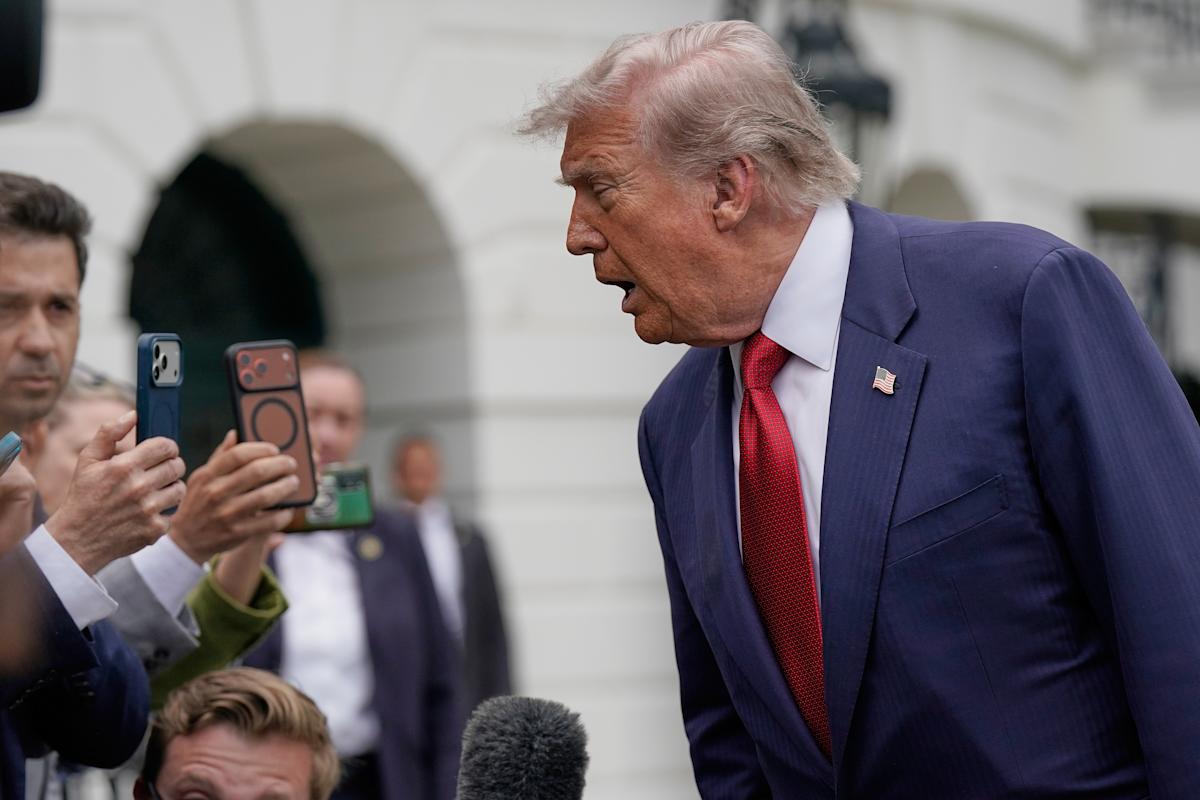
- Tech Controversies: The Trump-Xi summit will focus on critical tech issues, particularly U.S. companies' access to the Chinese market and control over critical minerals, which will directly impact America's position in the global tech supply chain.
- Market Access Priority: Trump emphasized his desire for China to open its market to U.S. businesses, while Xi welcomed deeper commercial engagement, indicating that improved bilateral relations could create new opportunities for American tech firms.
- Rare Earth Control: China's dominance in the rare earth market (59% of global mining and 91% refining in 2024) gives it significant leverage in negotiations with the U.S., with Trump likely to request general licenses for American commercial users to secure rare earth supplies.
- Export Control Negotiations: Although there may be a potential agreement to relax certain export chip controls, the political atmosphere in the U.S. could complicate this process, with experts suggesting that the best-case outcome would be an extension of the 2025 trade truce, despite ongoing Chinese export controls on specific rare earths.
Trade with 70% Backtested Accuracy
Stop guessing "Should I Buy TSLA?" and start using high-conviction signals backed by rigorous historical data.
Sign up today to access powerful investing tools and make smarter, data-driven decisions.
Analyst Views on TSLA
Wall Street analysts forecast TSLA stock price to fall
30 Analyst Rating
12 Buy
11 Hold
7 Sell
Hold
Current: 445.270

Low
25.28
Averages
401.93
High
600.00
Current: 445.270
Low
25.28
Averages
401.93
High
600.00
About TSLA
Tesla, Inc. designs, develops, manufactures, sells and leases high-performance fully electric vehicles and energy generation and storage systems, and offers services related to its products. Its segments include automotive, and energy generation and storage. The automotive segment includes the design, development, manufacturing, sales and leasing of high-performance fully electric vehicles, and sales of automotive regulatory credits. It also includes sales of used vehicles, non-warranty maintenance services and collisions, part sales, paid supercharging, insurance services revenue and retail merchandise sales. The energy generation and storage segment include the design, manufacture, installation, sales and leasing of solar energy generation and energy storage products and related services and sales of solar energy systems incentives. Its consumer vehicles include the Model 3, Y, S, X and Cybertruck. Its lithium-ion battery energy storage products include Powerwall and Megapack.
About the author

Emily J. Thompson
Emily J. Thompson, a Chartered Financial Analyst (CFA) with 12 years in investment research, graduated with honors from the Wharton School. Specializing in industrial and technology stocks, she provides in-depth analysis for Intellectia’s earnings and market brief reports.
Tesla Accelerates Robotaxi Operations Amid Software Developments

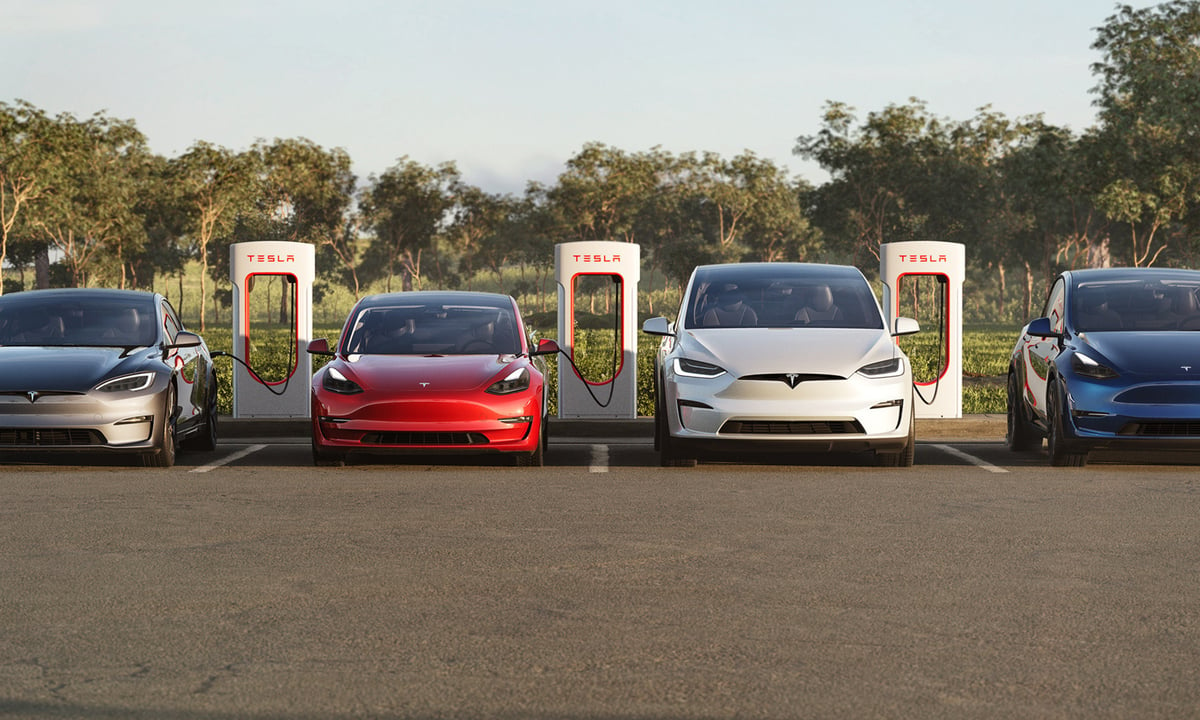
- Fleet Expansion: Tesla currently operates 39 unsupervised robotaxis in Austin, Dallas, and Houston, a significant increase from just 9 in early April and 26 in early May, showcasing the company's aggressive strategy in the robotaxi sector and boosting investor confidence.
- Software Update Importance: The next version of Tesla's Full Self-Driving software (FSD v15) is expected to be available by early 2027, with CEO Elon Musk emphasizing the need to address major architectural improvements before large-scale deployment, which will directly impact the future rollout of robotaxis.
- Market Expectations: While Tesla has made progress in robotaxi deployment, investors should remain cautious as the company will not pursue large-scale unsupervised robotaxi launches until the FSD software is updated, indicating that short-term market reactions may be limited.
- Urban Expansion Plans: Tesla is preparing for robotaxi deployments in new cities such as Phoenix, Miami, Orlando, Tampa, and Las Vegas, and although it currently operates only in unsupervised mode in Dallas and Houston, future city expansions will further enhance its competitive position in the market.
See More
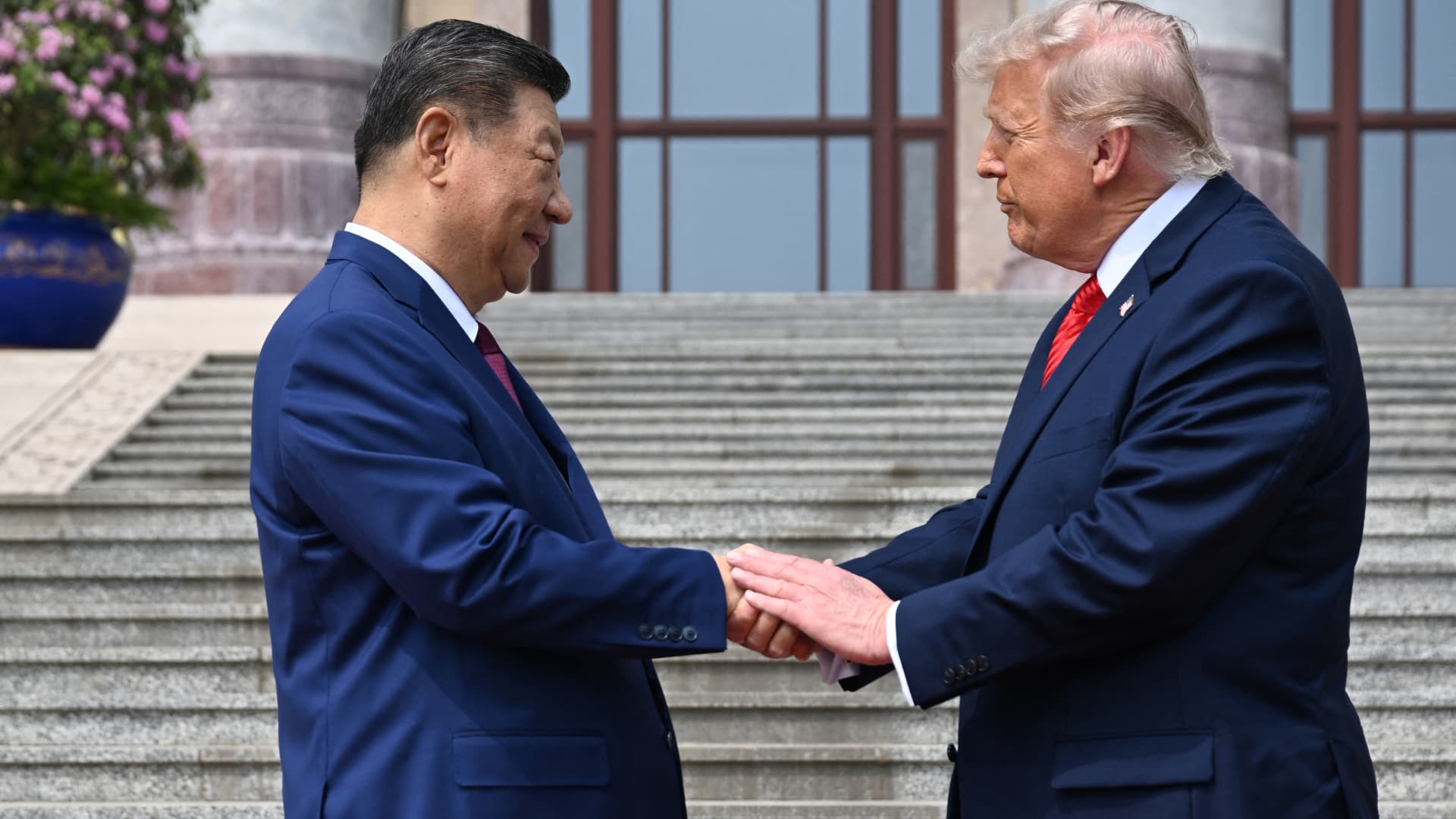
Trump-Xi Summit Focuses on Tech and Market Access

- Tech Controversies: The Trump-Xi summit will focus on critical tech issues, particularly U.S. companies' access to the Chinese market and control over critical minerals, which will directly impact America's position in the global tech supply chain.
- Market Access Priority: Trump emphasized his desire for China to open its market to U.S. businesses, while Xi welcomed deeper commercial engagement, indicating that improved bilateral relations could create new opportunities for American tech firms.
- Rare Earth Control: China's dominance in the rare earth market (59% of global mining and 91% refining in 2024) gives it significant leverage in negotiations with the U.S., with Trump likely to request general licenses for American commercial users to secure rare earth supplies.
- Export Control Negotiations: Although there may be a potential agreement to relax certain export chip controls, the political atmosphere in the U.S. could complicate this process, with experts suggesting that the best-case outcome would be an extension of the 2025 trade truce, despite ongoing Chinese export controls on specific rare earths.
See More
Key Market Highlights for Today

- Cerebras IPO: Cerebras Systems successfully raised $5.5 billion in its IPO today, focusing on ultra-fast AI chip processing, with OpenAI committing to purchase its computing capacity, indicating strong market demand for efficient AI computing.
- Cisco's Strong Quarter: Cisco reported a blowout quarter with robust data center performance, sending shares up nearly 15% in premarket trading, reflecting massive demand for networking equipment and underscoring the ongoing growth in AI spending, enhancing the investment case for data center stocks.
- Dell Price Target Increase: Citi raised Dell's price target from $235 to $290 ahead of its earnings report, anticipating continued strong performance in the server market; despite rising memory costs, Dell's scale and pricing agility are expected to provide competitive advantages.
- Broadcom Price Target Boost: Wells Fargo increased Broadcom's price target from $430 to $545, significantly raising AI chip revenue forecasts, highlighting the underappreciated potential in its networking segment, which could drive stock price appreciation.
See More
Key Discussion Points at Trump-Xi Summit

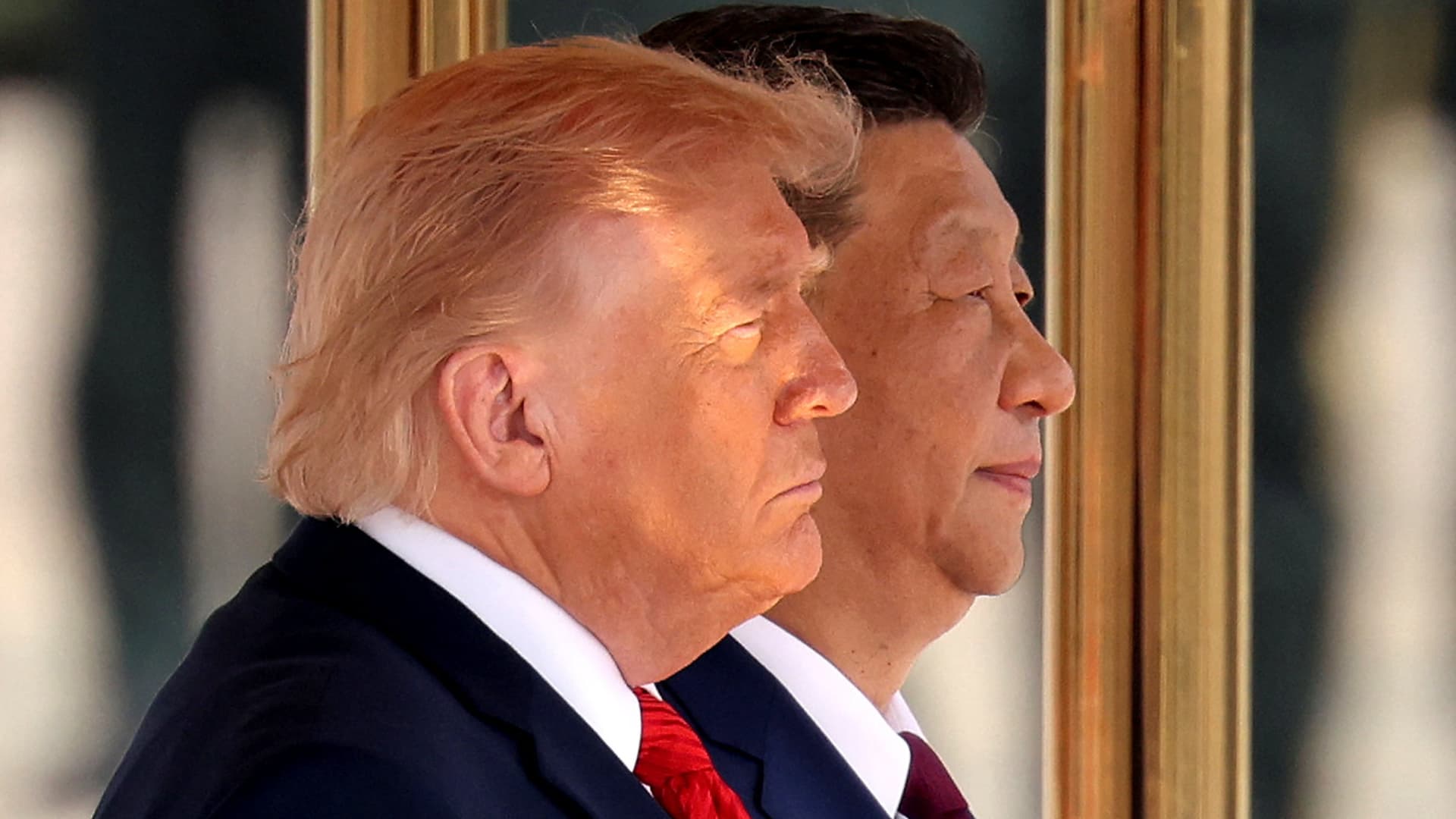
- Market Access Priority: Trump emphasized that opening up the Chinese market would be his first request to Xi during their talks, potentially providing broader business opportunities for U.S. tech companies and improving bilateral economic relations.
- Critical Minerals Control: China's dominance in the global rare earth market is significant, accounting for 59% of global rare earth mining and 91% of refining in 2024, and Trump may request Xi to grant licenses for American commercial users to secure rare earth supplies, alleviating U.S. dependence on China.
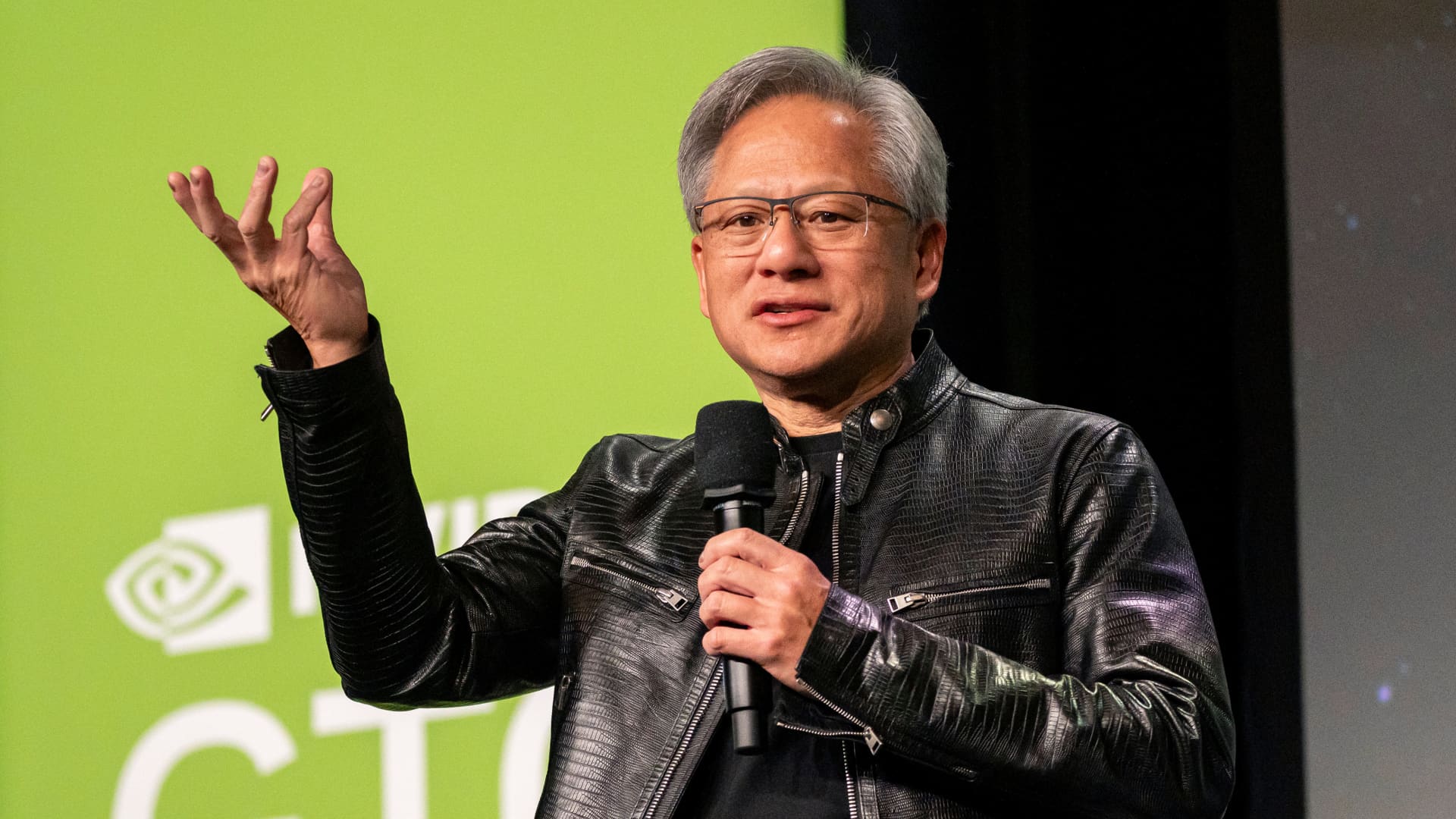
- AI Chip Export Issues: The sale of Nvidia's H200 AI chips emerged as a focal point in Trump's discussions with Xi, as the U.S. has approved sales to several major Chinese tech firms, yet political resistance, particularly from hawks in Congress, could hinder smooth transactions.
- Executive Participation Impact: The involvement of top U.S. tech executives, including Jensen Huang, Elon Musk, and Tim Cook, underscores the importance of technology and commerce in the discussions, potentially leading to the establishment of a U.S.-China Board of Trade and Investment to enhance economic cooperation.
See More
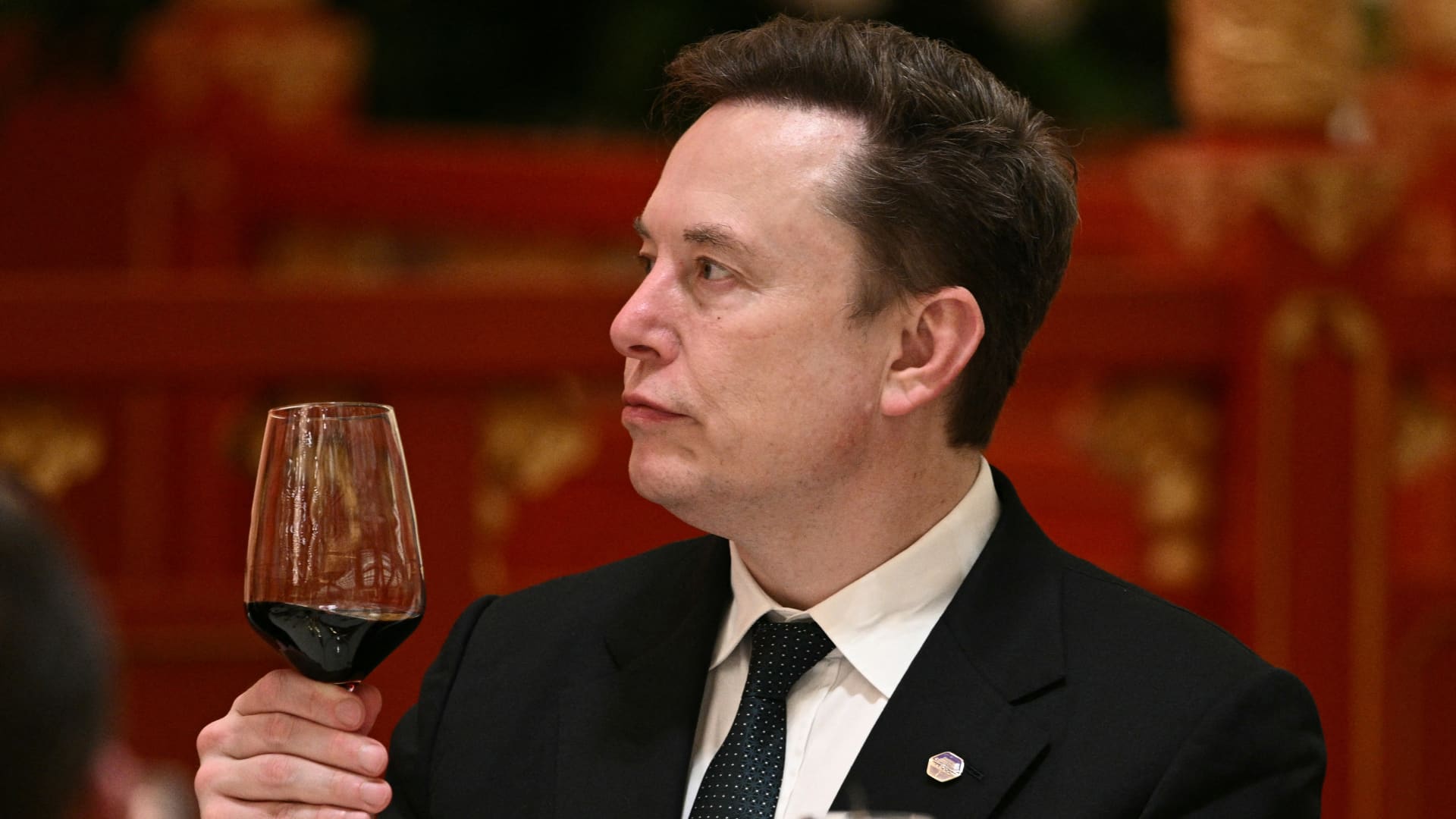
Xi Jinping Welcomes Deeper Cooperation with U.S. Companies
- Market Access Commitment: Xi Jinping stated during a meeting with Trump and American CEOs that China will further open its market, emphasizing the mutual benefits of U.S. companies' involvement in China's reform, which is expected to attract more American investors to the Chinese market.
- Executives at the Banquet: Tesla and SpaceX CEO Elon Musk, Nvidia CEO Jensen Huang, and Apple CEO Tim Cook were among the tech leaders accompanying Trump to China, indicating the importance of the Chinese market to U.S. companies and their willingness to deepen cooperation.
- AI Technology Competition: Both China and the U.S. are rapidly advancing in artificial intelligence; despite U.S. attempts to restrict technology exports to China, local semiconductor firms in China are stepping in to fill the gap, demonstrating China's commitment to technological self-sufficiency.
- Prospects for Cooperation: The White House noted that both sides discussed ways to enhance economic cooperation, including expanding market access for American businesses in China, which is expected to facilitate investment flows between the two countries and further promote mutually beneficial economic development.
See More
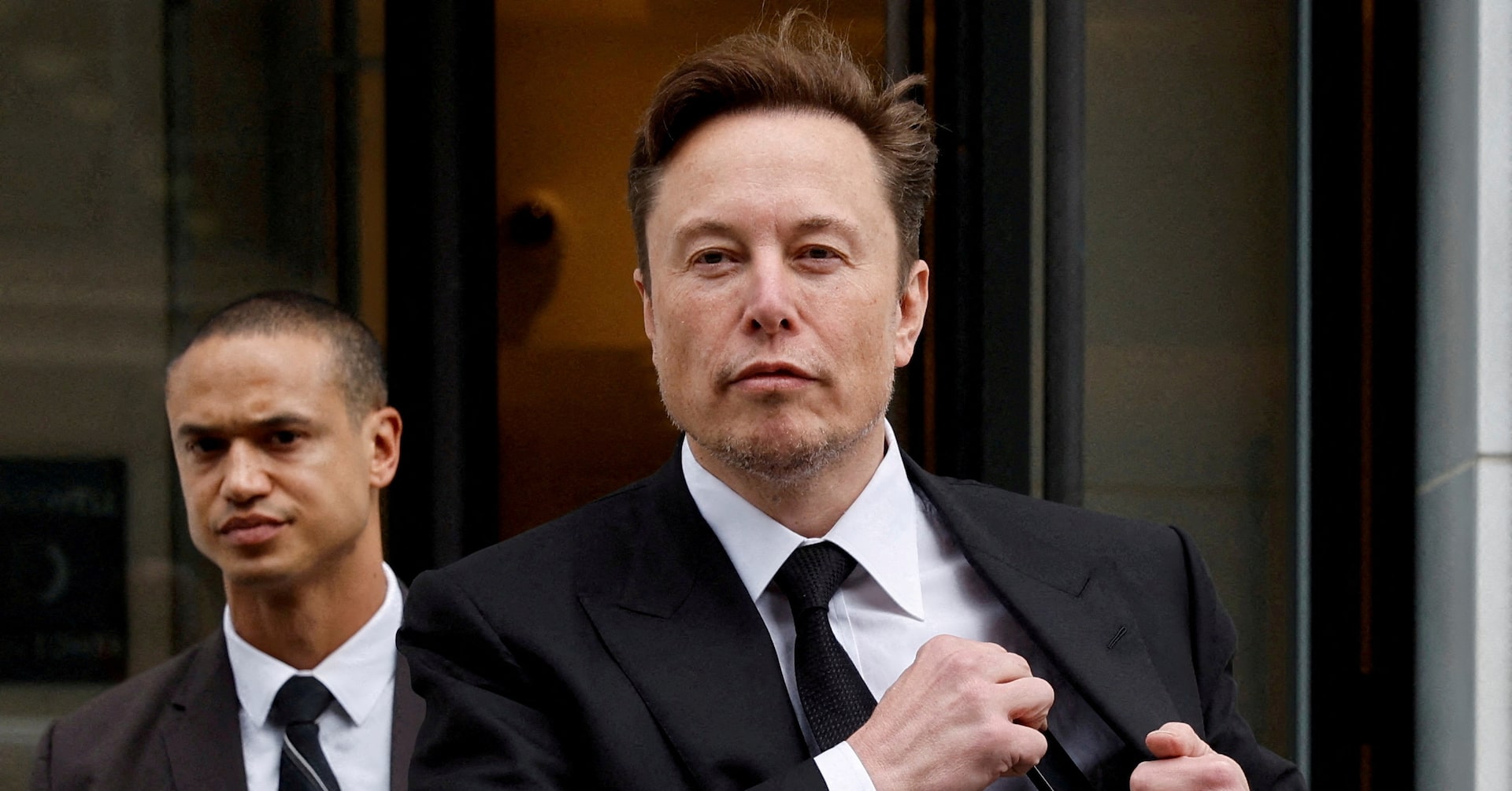
Xi Jinping: China-U.S. Cooperation Will Deepen
- Market Access Commitment: Xi Jinping stated during a meeting with American CEOs accompanying Trump that China's business door will 'open wider,' indicating a welcoming stance towards U.S. companies, which could enhance investment and business expansion in China, thereby deepening economic cooperation between the two nations.
- Tech Giants Involvement: CEOs like Elon Musk of Tesla and SpaceX, Jensen Huang of Nvidia, and Tim Cook of Apple joined Trump on his visit to China, highlighting the importance U.S. firms place on the Chinese market, which is expected to drive collaboration and innovation in the high-tech sector.
- AI Technology Competition: The rapid development of AI in both China and the U.S. has raised concerns; while the U.S. seeks to restrict technology exports to China, local semiconductor firms in China are quickly emerging to fill market gaps, potentially altering the global tech competition landscape.
- Increased Investment Confidence: The White House noted discussions on ways to expand market access for American businesses in China, and Xi's remarks are seen as a strong signal for global companies to continue investing in China, which may boost foreign confidence and attractiveness of the Chinese market.
See More
Tesla Accelerates Robotaxi Operations Amid Software Developments
- Fleet Expansion: Tesla currently operates 39 unsupervised robotaxis in Austin, Dallas, and Houston, a significant increase from just 9 in early April and 26 in early May, showcasing the company's aggressive strategy in the robotaxi sector and boosting investor confidence.
- Software Update Importance: The next version of Tesla's Full Self-Driving software (FSD v15) is expected to be available by early 2027, with CEO Elon Musk emphasizing the need to address major architectural improvements before large-scale deployment, which will directly impact the future rollout of robotaxis.
- Market Expectations: While Tesla has made progress in robotaxi deployment, investors should remain cautious as the company will not pursue large-scale unsupervised robotaxi launches until the FSD software is updated, indicating that short-term market reactions may be limited.
- Urban Expansion Plans: Tesla is preparing for robotaxi deployments in new cities such as Phoenix, Miami, Orlando, Tampa, and Las Vegas, and although it currently operates only in unsupervised mode in Dallas and Houston, future city expansions will further enhance its competitive position in the market.
See More
Trump-Xi Summit Focuses on Tech and Market Access
- Tech Controversies: The Trump-Xi summit will focus on critical tech issues, particularly U.S. companies' access to the Chinese market and control over critical minerals, which will directly impact America's position in the global tech supply chain.
- Market Access Priority: Trump emphasized his desire for China to open its market to U.S. businesses, while Xi welcomed deeper commercial engagement, indicating that improved bilateral relations could create new opportunities for American tech firms.
- Rare Earth Control: China's dominance in the rare earth market (59% of global mining and 91% refining in 2024) gives it significant leverage in negotiations with the U.S., with Trump likely to request general licenses for American commercial users to secure rare earth supplies.
- Export Control Negotiations: Although there may be a potential agreement to relax certain export chip controls, the political atmosphere in the U.S. could complicate this process, with experts suggesting that the best-case outcome would be an extension of the 2025 trade truce, despite ongoing Chinese export controls on specific rare earths.
See More
Key Market Highlights for Today
- Cerebras IPO: Cerebras Systems successfully raised $5.5 billion in its IPO today, focusing on ultra-fast AI chip processing, with OpenAI committing to purchase its computing capacity, indicating strong market demand for efficient AI computing.
- Cisco's Strong Quarter: Cisco reported a blowout quarter with robust data center performance, sending shares up nearly 15% in premarket trading, reflecting massive demand for networking equipment and underscoring the ongoing growth in AI spending, enhancing the investment case for data center stocks.
- Dell Price Target Increase: Citi raised Dell's price target from $235 to $290 ahead of its earnings report, anticipating continued strong performance in the server market; despite rising memory costs, Dell's scale and pricing agility are expected to provide competitive advantages.
- Broadcom Price Target Boost: Wells Fargo increased Broadcom's price target from $430 to $545, significantly raising AI chip revenue forecasts, highlighting the underappreciated potential in its networking segment, which could drive stock price appreciation.
See More
Key Discussion Points at Trump-Xi Summit
- Market Access Priority: Trump emphasized that opening up the Chinese market would be his first request to Xi during their talks, potentially providing broader business opportunities for U.S. tech companies and improving bilateral economic relations.
- Critical Minerals Control: China's dominance in the global rare earth market is significant, accounting for 59% of global rare earth mining and 91% of refining in 2024, and Trump may request Xi to grant licenses for American commercial users to secure rare earth supplies, alleviating U.S. dependence on China.
- AI Chip Export Issues: The sale of Nvidia's H200 AI chips emerged as a focal point in Trump's discussions with Xi, as the U.S. has approved sales to several major Chinese tech firms, yet political resistance, particularly from hawks in Congress, could hinder smooth transactions.
- Executive Participation Impact: The involvement of top U.S. tech executives, including Jensen Huang, Elon Musk, and Tim Cook, underscores the importance of technology and commerce in the discussions, potentially leading to the establishment of a U.S.-China Board of Trade and Investment to enhance economic cooperation.
See More
Xi Jinping Welcomes Deeper Cooperation with U.S. Companies
- Market Access Commitment: Xi Jinping stated during a meeting with Trump and American CEOs that China will further open its market, emphasizing the mutual benefits of U.S. companies' involvement in China's reform, which is expected to attract more American investors to the Chinese market.
- Executives at the Banquet: Tesla and SpaceX CEO Elon Musk, Nvidia CEO Jensen Huang, and Apple CEO Tim Cook were among the tech leaders accompanying Trump to China, indicating the importance of the Chinese market to U.S. companies and their willingness to deepen cooperation.
- AI Technology Competition: Both China and the U.S. are rapidly advancing in artificial intelligence; despite U.S. attempts to restrict technology exports to China, local semiconductor firms in China are stepping in to fill the gap, demonstrating China's commitment to technological self-sufficiency.
- Prospects for Cooperation: The White House noted that both sides discussed ways to enhance economic cooperation, including expanding market access for American businesses in China, which is expected to facilitate investment flows between the two countries and further promote mutually beneficial economic development.
See More
Xi Jinping: China-U.S. Cooperation Will Deepen
- Market Access Commitment: Xi Jinping stated during a meeting with American CEOs accompanying Trump that China's business door will 'open wider,' indicating a welcoming stance towards U.S. companies, which could enhance investment and business expansion in China, thereby deepening economic cooperation between the two nations.
- Tech Giants Involvement: CEOs like Elon Musk of Tesla and SpaceX, Jensen Huang of Nvidia, and Tim Cook of Apple joined Trump on his visit to China, highlighting the importance U.S. firms place on the Chinese market, which is expected to drive collaboration and innovation in the high-tech sector.
- AI Technology Competition: The rapid development of AI in both China and the U.S. has raised concerns; while the U.S. seeks to restrict technology exports to China, local semiconductor firms in China are quickly emerging to fill market gaps, potentially altering the global tech competition landscape.
- Increased Investment Confidence: The White House noted discussions on ways to expand market access for American businesses in China, and Xi's remarks are seen as a strong signal for global companies to continue investing in China, which may boost foreign confidence and attractiveness of the Chinese market.
See More