Trump-Xi Meeting Highlights New Normal in US-China Relations
Written by Emily J. Thompson, Senior Investment Analyst
Updated: 43 minutes ago
0mins
Should l Buy TSLA?
Source: Newsfilter
- Trade War Truce: The meeting between Trump and Xi signifies a return to stability in US-China relations after extreme tariffs of 145%, providing China with breathing room while highlighting the ongoing economic and strategic standoff between the two nations.
- Limited Commercial Outcomes: The summit failed to secure breakthroughs on selling Nvidia's H200 AI chips, and although Trump claimed Boeing finalized a deal for 200 jets, this figure falls significantly short of the anticipated 500 from 2017, indicating disappointing commercial results.
- New Trade Mechanism Established: The US announced the formation of a new Board of Trade aimed at lowering tariffs on non-sensitive goods, which, despite lacking detailed implementation plans, could provide a new framework for future trade negotiations.
- New Competitive Perspective: Experts noted that the meeting reflects a shift in mindset, as both sides no longer aspire to return to a cooperative golden age but instead acknowledge the reality of long-term competition and disagreement, laying the groundwork for future economic relations.
Trade with 70% Backtested Accuracy
Stop guessing "Should I Buy TSLA?" and start using high-conviction signals backed by rigorous historical data.
Sign up today to access powerful investing tools and make smarter, data-driven decisions.
Analyst Views on TSLA
Wall Street analysts forecast TSLA stock price to fall
30 Analyst Rating
12 Buy
11 Hold
7 Sell
Hold
Current: 443.300

Low
25.28
Averages
401.93
High
600.00
Current: 443.300
Low
25.28
Averages
401.93
High
600.00
About TSLA
Tesla, Inc. designs, develops, manufactures, sells and leases high-performance fully electric vehicles and energy generation and storage systems, and offers services related to its products. Its segments include automotive, and energy generation and storage. The automotive segment includes the design, development, manufacturing, sales and leasing of high-performance fully electric vehicles, and sales of automotive regulatory credits. It also includes sales of used vehicles, non-warranty maintenance services and collisions, part sales, paid supercharging, insurance services revenue and retail merchandise sales. The energy generation and storage segment include the design, manufacture, installation, sales and leasing of solar energy generation and energy storage products and related services and sales of solar energy systems incentives. Its consumer vehicles include the Model 3, Y, S, X and Cybertruck. Its lithium-ion battery energy storage products include Powerwall and Megapack.
About the author

Emily J. Thompson
Emily J. Thompson, a Chartered Financial Analyst (CFA) with 12 years in investment research, graduated with honors from the Wharton School. Specializing in industrial and technology stocks, she provides in-depth analysis for Intellectia’s earnings and market brief reports.
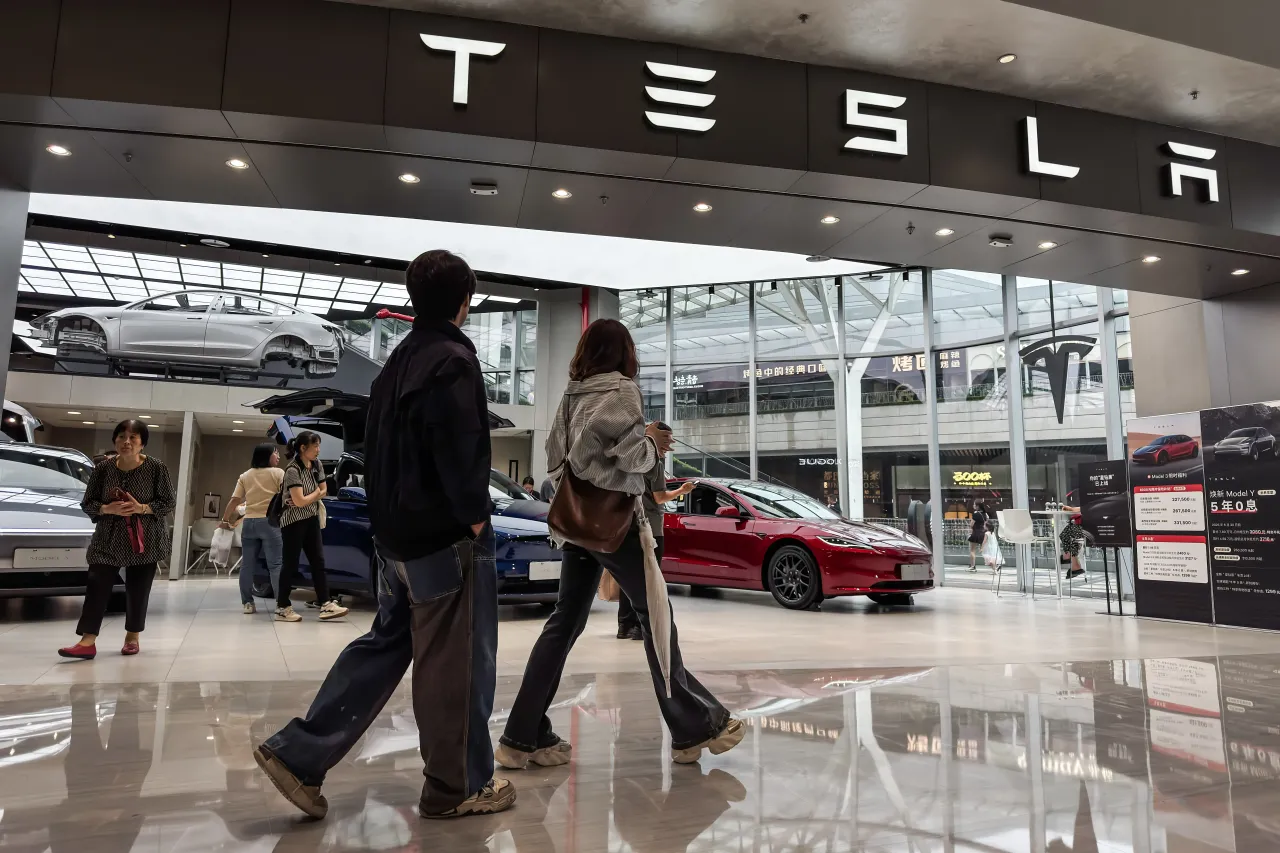
Musk and Trump Visit China, No New Agreements Made

- High-Level Visit: Elon Musk joined Donald Trump on a state visit to Beijing this week, participating in summit meetings with Xi Jinping; however, no major new agreements were reached, highlighting the complexities and challenges in US-China trade relations.
- Price Rumor Clarification: Tesla China firmly denied rumors of a Model Y price increase, stating that no price hikes occurred, with the Long Range version priced at 288,500 yuan and the Performance model at 313,500 yuan, thereby maintaining consumer confidence in pricing.
- Sales Data Decline: Data from the China Passenger Car Association revealed that Tesla's retail sales in China fell nearly 10% year-over-year in April to 25,956 units, ranking 13th among domestic automakers, reflecting increased competitive pressure in the market.
- Market Sentiment Shift: On Stocktwits, retail sentiment around TSLA shifted from 'extremely bullish' to 'bullish', indicating negative investor reactions to the China trip, even as the stock has risen 24% over the past 12 months, suggesting challenges to market confidence.
See More
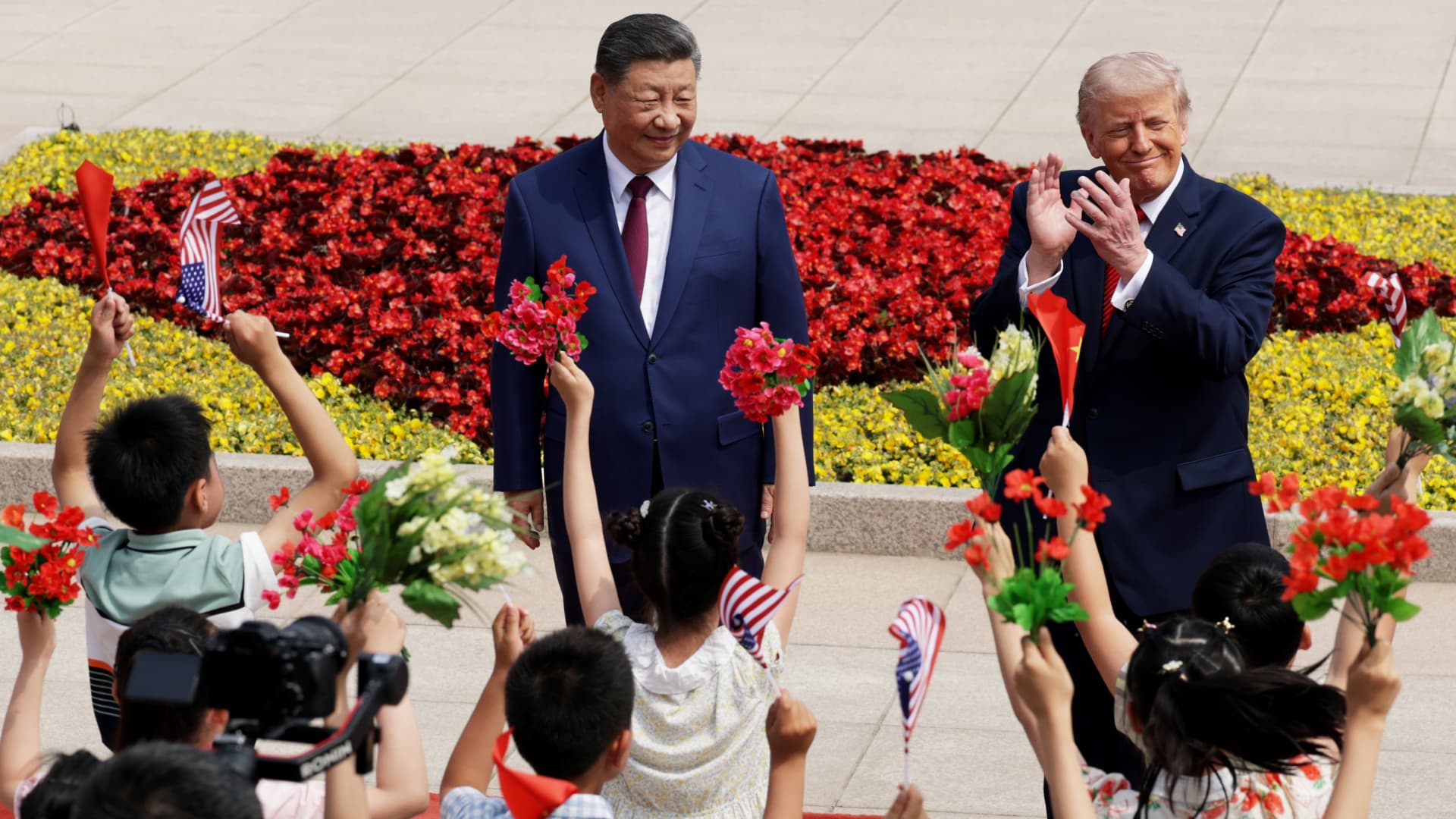
Trump and Xi Reignite US-China Relations

- Historic Visit: President Trump made his first visit to China in nearly a decade, engaging in multiple friendly interactions with Xi Jinping, which may pave the way for future trade negotiations and strengthen bilateral ties.
- Business Banquet: During a state banquet at the Great Hall of the People, Trump referred to Xi as “my friend” and invited him and First Lady Peng Liyuan to visit the White House in September, signaling positive economic cooperation that could boost bilateral trade.
- Tech Leaders Gather: Tesla's CEO Elon Musk mingled with Chinese business leaders like ByteDance's Liang Rubo, with social media buzz around Musk's selfie with Xiaomi's Lei Jun reflecting vibrant US-China tech exchanges that may enhance collaboration in the tech sector.
- Future Relationship Framework: Both sides agreed to work towards a more stable bilateral relationship framework over the next three years, with the Trump administration indicating that China would increase purchases of Boeing aircraft and American agricultural products, although the Taiwan issue remains a potential source of conflict.
See More
Trump-Xi Meeting Highlights New Normal in US-China Relations
- Trade War Truce: The meeting between Trump and Xi signifies a return to stability in US-China relations after extreme tariffs of 145%, providing China with breathing room while highlighting the ongoing economic and strategic standoff between the two nations.
- Limited Commercial Outcomes: The summit failed to secure breakthroughs on selling Nvidia's H200 AI chips, and although Trump claimed Boeing finalized a deal for 200 jets, this figure falls significantly short of the anticipated 500 from 2017, indicating disappointing commercial results.
- New Trade Mechanism Established: The US announced the formation of a new Board of Trade aimed at lowering tariffs on non-sensitive goods, which, despite lacking detailed implementation plans, could provide a new framework for future trade negotiations.
- New Competitive Perspective: Experts noted that the meeting reflects a shift in mindset, as both sides no longer aspire to return to a cooperative golden age but instead acknowledge the reality of long-term competition and disagreement, laying the groundwork for future economic relations.
See More

SpaceX Plans Record IPO Valuation of $2 Trillion
- Record IPO Size: SpaceX is preparing for an IPO this summer with a target valuation of $2 trillion and plans to raise $75 billion, nearly triple the previous record held by Saudi Aramco, indicating strong market confidence in its growth potential.
- Retail Investor Enthusiasm: Despite plans to allocate a larger portion of shares to retail investors, the IPO is expected to be oversubscribed, reflecting significant investor interest in its businesses like Starlink, Starship, and xAI, which could lead to strong performance on the first day of trading.
- Scenario Analysis: In a bullish scenario, a $5,000 investment could grow to $10,400 by 2030, while in the base case it might reach $6,550, and in a bearish case, it could drop to $2,050, highlighting the vast range of potential outcomes based on market expectations.
- Profitability Uncertainty: While SpaceX dominates the launch market, its profitability remains unproven, particularly for xAI, which continues to struggle financially, potentially leading investors to assess the risks of the IPO more cautiously.
See More
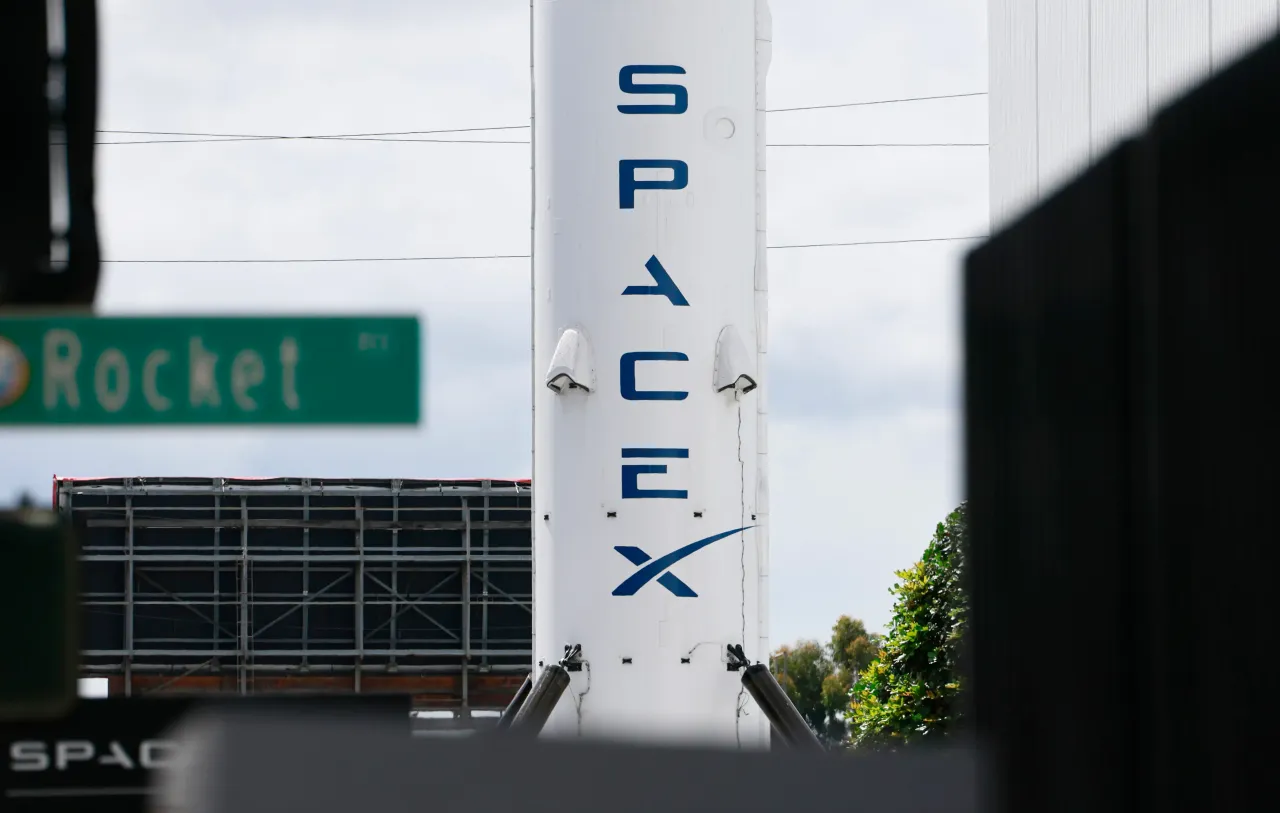
SpaceX Accelerates IPO Timeline, Aiming to Raise $75 Billion
- Accelerated IPO Timeline: SpaceX is set to debut on June 12, moving up from a late June target, indicating strong market confidence, with a fundraising goal of $75 billion at a valuation of approximately $1.75 trillion, potentially making it the largest IPO in history.
- Rapid Regulatory Review: The expedited timeline is partly due to the faster-than-expected review by the SEC of the company's filing, which provides favorable conditions for SpaceX's listing and may attract more investor interest.
- Governance Structure Response: Founder Elon Musk addressed governance concerns related to the listing on social media, emphasizing the company's focus on achieving a multiplanetary existence rather than short-term financial metrics, which may bolster investor confidence.
- Optimistic Market Sentiment: According to Stocktwits, retail sentiment is
See More
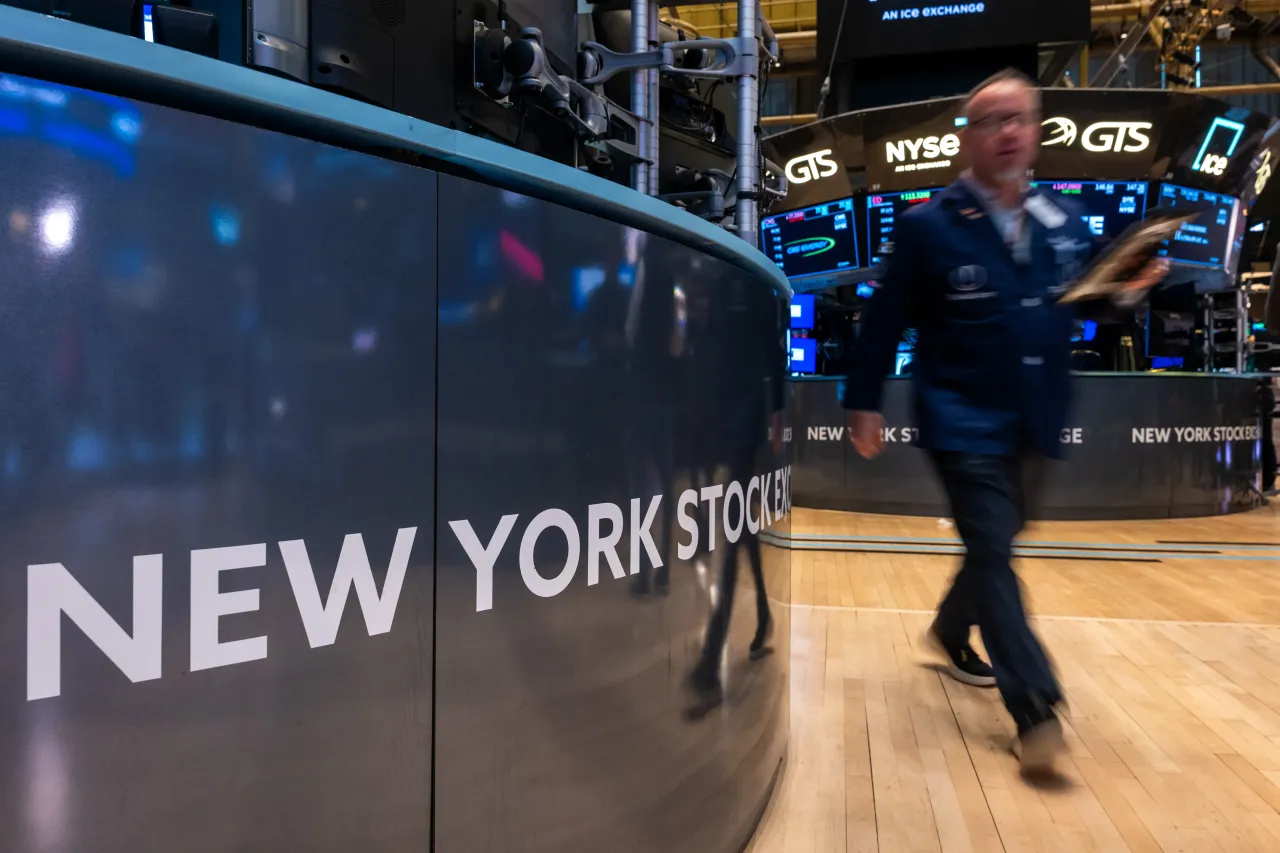
US Stocks Decline Amid Soaring Bond Yields

- Market Decline: As of May 15, the S&P 500 fell 1.3%, the Dow Jones dropped 1%, and the Nasdaq 100 decreased by 1.5%, reflecting investor concerns over persistently high inflation and rising interest rates.
- Rising Bond Yields: The U.S. 10-year Treasury yield topped 4.5% on May 15, the highest in a year, prompting investors to shift towards bonds, thereby diminishing the attractiveness of equities, particularly in the tech sector.
- Inflation Expectations Rise: According to the Survey of Professional Forecasters by the Philadelphia Fed, the U.S. CPI is projected to hit 6% for Q1, significantly higher than the previous estimate of 2.7% three months ago, indicating increasing inflationary pressures that could influence Fed policy decisions.
- Surging Energy Prices: Oil prices surged over 4% on Friday due to concerns over the situation in Iran, with WTI crude futures settling at $105.42 per barrel, exacerbating market fears regarding high inflation and interest rates, which may impact corporate earnings expectations.
See More
Musk and Trump Visit China, No New Agreements Made
- High-Level Visit: Elon Musk joined Donald Trump on a state visit to Beijing this week, participating in summit meetings with Xi Jinping; however, no major new agreements were reached, highlighting the complexities and challenges in US-China trade relations.
- Price Rumor Clarification: Tesla China firmly denied rumors of a Model Y price increase, stating that no price hikes occurred, with the Long Range version priced at 288,500 yuan and the Performance model at 313,500 yuan, thereby maintaining consumer confidence in pricing.
- Sales Data Decline: Data from the China Passenger Car Association revealed that Tesla's retail sales in China fell nearly 10% year-over-year in April to 25,956 units, ranking 13th among domestic automakers, reflecting increased competitive pressure in the market.
- Market Sentiment Shift: On Stocktwits, retail sentiment around TSLA shifted from 'extremely bullish' to 'bullish', indicating negative investor reactions to the China trip, even as the stock has risen 24% over the past 12 months, suggesting challenges to market confidence.
See More
Trump and Xi Reignite US-China Relations
- Historic Visit: President Trump made his first visit to China in nearly a decade, engaging in multiple friendly interactions with Xi Jinping, which may pave the way for future trade negotiations and strengthen bilateral ties.
- Business Banquet: During a state banquet at the Great Hall of the People, Trump referred to Xi as “my friend” and invited him and First Lady Peng Liyuan to visit the White House in September, signaling positive economic cooperation that could boost bilateral trade.
- Tech Leaders Gather: Tesla's CEO Elon Musk mingled with Chinese business leaders like ByteDance's Liang Rubo, with social media buzz around Musk's selfie with Xiaomi's Lei Jun reflecting vibrant US-China tech exchanges that may enhance collaboration in the tech sector.
- Future Relationship Framework: Both sides agreed to work towards a more stable bilateral relationship framework over the next three years, with the Trump administration indicating that China would increase purchases of Boeing aircraft and American agricultural products, although the Taiwan issue remains a potential source of conflict.
See More
Trump-Xi Meeting Highlights New Normal in US-China Relations
- Trade War Truce: The meeting between Trump and Xi signifies a return to stability in US-China relations after extreme tariffs of 145%, providing China with breathing room while highlighting the ongoing economic and strategic standoff between the two nations.
- Limited Commercial Outcomes: The summit failed to secure breakthroughs on selling Nvidia's H200 AI chips, and although Trump claimed Boeing finalized a deal for 200 jets, this figure falls significantly short of the anticipated 500 from 2017, indicating disappointing commercial results.
- New Trade Mechanism Established: The US announced the formation of a new Board of Trade aimed at lowering tariffs on non-sensitive goods, which, despite lacking detailed implementation plans, could provide a new framework for future trade negotiations.
- New Competitive Perspective: Experts noted that the meeting reflects a shift in mindset, as both sides no longer aspire to return to a cooperative golden age but instead acknowledge the reality of long-term competition and disagreement, laying the groundwork for future economic relations.
See More
SpaceX Plans Record IPO Valuation of $2 Trillion
- Record IPO Size: SpaceX is preparing for an IPO this summer with a target valuation of $2 trillion and plans to raise $75 billion, nearly triple the previous record held by Saudi Aramco, indicating strong market confidence in its growth potential.
- Retail Investor Enthusiasm: Despite plans to allocate a larger portion of shares to retail investors, the IPO is expected to be oversubscribed, reflecting significant investor interest in its businesses like Starlink, Starship, and xAI, which could lead to strong performance on the first day of trading.
- Scenario Analysis: In a bullish scenario, a $5,000 investment could grow to $10,400 by 2030, while in the base case it might reach $6,550, and in a bearish case, it could drop to $2,050, highlighting the vast range of potential outcomes based on market expectations.
- Profitability Uncertainty: While SpaceX dominates the launch market, its profitability remains unproven, particularly for xAI, which continues to struggle financially, potentially leading investors to assess the risks of the IPO more cautiously.
See More
SpaceX Accelerates IPO Timeline, Aiming to Raise $75 Billion
- Accelerated IPO Timeline: SpaceX is set to debut on June 12, moving up from a late June target, indicating strong market confidence, with a fundraising goal of $75 billion at a valuation of approximately $1.75 trillion, potentially making it the largest IPO in history.
- Rapid Regulatory Review: The expedited timeline is partly due to the faster-than-expected review by the SEC of the company's filing, which provides favorable conditions for SpaceX's listing and may attract more investor interest.
- Governance Structure Response: Founder Elon Musk addressed governance concerns related to the listing on social media, emphasizing the company's focus on achieving a multiplanetary existence rather than short-term financial metrics, which may bolster investor confidence.
- Optimistic Market Sentiment: According to Stocktwits, retail sentiment is
See More
US Stocks Decline Amid Soaring Bond Yields
- Market Decline: As of May 15, the S&P 500 fell 1.3%, the Dow Jones dropped 1%, and the Nasdaq 100 decreased by 1.5%, reflecting investor concerns over persistently high inflation and rising interest rates.
- Rising Bond Yields: The U.S. 10-year Treasury yield topped 4.5% on May 15, the highest in a year, prompting investors to shift towards bonds, thereby diminishing the attractiveness of equities, particularly in the tech sector.
- Inflation Expectations Rise: According to the Survey of Professional Forecasters by the Philadelphia Fed, the U.S. CPI is projected to hit 6% for Q1, significantly higher than the previous estimate of 2.7% three months ago, indicating increasing inflationary pressures that could influence Fed policy decisions.
- Surging Energy Prices: Oil prices surged over 4% on Friday due to concerns over the situation in Iran, with WTI crude futures settling at $105.42 per barrel, exacerbating market fears regarding high inflation and interest rates, which may impact corporate earnings expectations.
See More