Trump's Drug Price Policy Could Save $529 Billion


Catch up on the top industries and stocks that were impacted, or were predicted to be impacted, by the comments, actions and policies of President Donald Trump with this daily recap compiled by The Fly.SECURITY REVIEWS:The Center for AI Standards and Innovation at the Department of Commerce's National Institute of Standards and Technologynew agreements with GoogleDeepMind, Microsoftand xAI. "Through these expanded industry collaborations, CAISI will conduct pre-deployment evaluations and targeted research to better assess frontier AI capabilities and advance the state of AI security. These agreements build on previously announced partnerships, which have been renegotiated to reflect CAISI's directives from the secretary of commerce and America's AI Action Plan. Under the direction of Secretary Howard Lutnick, CAISI has been designated to serve as industry's primary point of contact within the U.S. government to facilitate testing, collaborative research and best practice development related to commercial AI systems. CAISI's agreements with frontier AI developers enable government evaluation of AI models before they are publicly available, as well as post-deployment assessment and other research. To date, CAISI has completed more than 40 such evaluations, including on state-of-the-art models that remain unreleased," the group stated.PHARMACEUTICAL DEALS:White House economists estimate that President Donald Trump's deals with pharmaceutical companies to drop some of their U.S. prescription drug prices to what they charge in other countries could save $529B over the next 10 years, The Associated Press' Josh Boak. The analysis obtained by The Associated Press includes the first economy-wide projections behind a policy at the core of Trump's pitch to voters going into November's midterm elections for control of the House and Senate. The analysis was done by administration officials for the White House Council of Economic Advisers. The scope of the savings claimed by the Trump administration are likely to intensify the scrutiny by Democrats, who counter that any price reductions would be offset by higher costs for prescription drugs not covered by the "most favored nation" framework, the author notes. Publicly traded companies in the space include AstraZeneca, Bristol Myers, Eli Lilly, GSK, Johnson & Johnson, Merck, Novartis, Pfizer, Rocheand Sanofi.ARMY AWARD:Parsonsannounced that the company was awarded a position on a $2B multiple award task order contract by the U.S. Army Corps of Engineers to deliver energy resilience and infrastructure modernization projects at military installations nationwide. The contract supporting the Department of War Energy Resilience and Conservation Investment Program has a three-year base performance period and seven one-year option periods. This award represents new work for the company.SPACE FORCE MISSILE DEFENSE:SciTec, a subsidiary of Firefly Aerospace, announced it received an Other Transaction Authority agreement from U.S. Space Force Space Systems Command to support the nation's emerging missile defense architecture as part of the Space-Based Interceptor program. "We're proud to contribute our proven AI-powered defense technologies to our nation's critical Golden Dome program and honored by the trust placed in our team," said David Simenc, SciTec's president. This program was established under the Department of War to develop a space-based missile defense interceptor system that will demonstrate capability integrated into the Golden Dome for America architecture by 2028. The Space Force has awarded 20 total agreements worth up to $3.2B to 12 companies, including SciTec, to build the space-based missile interceptor layer with next-generation space-based tracking and advanced interceptors integrated with artificial intelligence to counter the speed, maneuverability, and lethality of the threats.
Trade with 70% Backtested Accuracy
Analyst Views on JNJ

About JNJ
About the author


Investment Opportunities Amid Market Highs


- Market Performance Analysis: The S&P 500 index is trading near all-time highs despite geopolitical conflicts in the Middle East, high oil prices, and concerns about a global recession, indicating market confidence in economic resilience.
- Investment Recommendation: Investors are advised to focus on strong Dividend Kings like Johnson & Johnson and Coca-Cola, both of which demonstrate robust performance in their respective industries and maintain stable cash flows amid economic fluctuations.
- Coca-Cola Performance: Coca-Cola achieved a 3% growth in case volume and a 10% increase in organic sales in Q1 2026, showcasing its strong business resilience despite industry headwinds.
- Johnson & Johnson Outlook: Johnson & Johnson reported a 9.9% sales increase in Q1 2026; despite a slight dip in earnings, management raised the full-year earnings guidance by 7%, aiming for double-digit growth by the decade's end, highlighting its long-term growth potential.

Middle East Conflict Drives Oil Prices Up, Investors Shift to High Dividend Stocks
- Oil Price Impact: The geopolitical conflict in the Middle East has driven oil prices higher, and while the S&P 500 index remains near all-time highs, concerns about a global recession are intensifying, prompting investors to approach potential risks with caution.
- Dividend Stocks Appeal: Investors are strongly advised to shift towards high dividend stocks like Johnson & Johnson and Coca-Cola, both of which are Dividend Kings that have increased dividends annually for over fifty years, demonstrating robust business models and resilience against economic downturns.
- Coca-Cola's Strong Performance: Despite industry headwinds, Coca-Cola achieved a 3% growth in case volume and a 10% increase in organic sales in Q1 2026, indicating strong market performance and a reasonable valuation level.
- Johnson & Johnson Sales Growth: Johnson & Johnson reported a 9.9% sales increase in Q1 2026, and although earnings dipped slightly, management raised its full-year earnings guidance by 7%, reflecting confidence in future growth and an expectation of double-digit growth by the end of the decade.

Trump Denies Plans to Oust FDA Commissioner Makary

- Trump's Denial: Trump stated late Friday that he is unaware of any proposal to oust FDA Commissioner Marty Makary, despite multiple reports suggesting increasing pressure from senior White House officials for his departure, indicating potential internal conflicts.
- FDA Leadership Turmoil: Since Makary's nomination in November 2024, the FDA has seen several high-profile departures, including Richard Pazdur, the director of the Center for Drug Evaluation and Research, and Vinay Prasad, former head of the Center for Biologics Evaluation and Research, highlighting instability within the agency.
- Impact of Media Reports: The Wall Street Journal's initial report on Trump's plans to dismiss Makary contrasts with Trump's claims of ignorance, which may undermine public trust in FDA leadership and the agency's credibility.
- Future Challenges: Given the backdrop of leadership turnover and external pressures, Makary's ability to lead will be increasingly scrutinized, particularly in drug regulation and public health policy, potentially affecting the FDA's decision-making efficiency and public health safety.

Caution Signals Emerge in the Market


- Market Valuation Warning: The Shiller P/E ratio has reached 41, the highest level since the dot-com bubble, indicating that the market may be overvalued and investors should be cautious about potential risks.
- Berkshire's Liquidity Innovation: Berkshire Hathaway holds nearly $397 billion in liquidity, surpassing its $330 billion stock portfolio, indicating a strategy of cash accumulation in anticipation of a discounted market.
- Realty Income Stability: Realty Income boasts a 5.1% dividend yield and a 99% occupancy rate, consistently paying dividends monthly since 1994, demonstrating strong cash flow and market competitiveness.
- Kimberly-Clark's Brand Strength: Kimberly-Clark has increased its dividend for 54 consecutive years, and despite merger cost pressures, its 5.2% dividend yield and stable cash flow suggest it still has the capacity to attract investors.

Realty Income and Clorox Outlook Amid Market Challenges
- Stability of Realty Income: Realty Income (NYSE: O) maintains a 99% occupancy rate by leasing single-tenant properties, continuously developing new assets to ensure steady revenue while upholding its reputation for monthly dividends since 1994, with an annual payout of $3.25 and a yield of 5.1%, significantly above the S&P 500's 1.1% average.
- Clorox's Challenges and Opportunities: Despite facing pressures from a cyberattack and rising costs that led to downward revisions in sales and earnings forecasts, Clorox (NYSE: CLX) boasts an annual dividend of $4.96 and a yield of 5.6%, indicating long-term stability, and is likely to maintain its dividend growth streak.
- Kimberly-Clark's Merger Prospects: Kimberly-Clark (NASDAQ: KMB) is set to merge with Kenvue, and although its $32 billion market cap is below the $48.7 billion deal cost, the market has likely priced in some dilution effects, while the merger will integrate more well-known brands, enhancing competitive strength.
- Cautious Market Sentiment: Given the current market conditions, investors should be cautious, especially with the Shiller P/E ratio at a historical high of 41 and Berkshire Hathaway holding nearly $397 billion in liquidity, suggesting it may be preparing for a discounted market, prompting investors to focus on potential value stocks.
FDA Deputy Commissioner Considered for Acting Commissioner Role
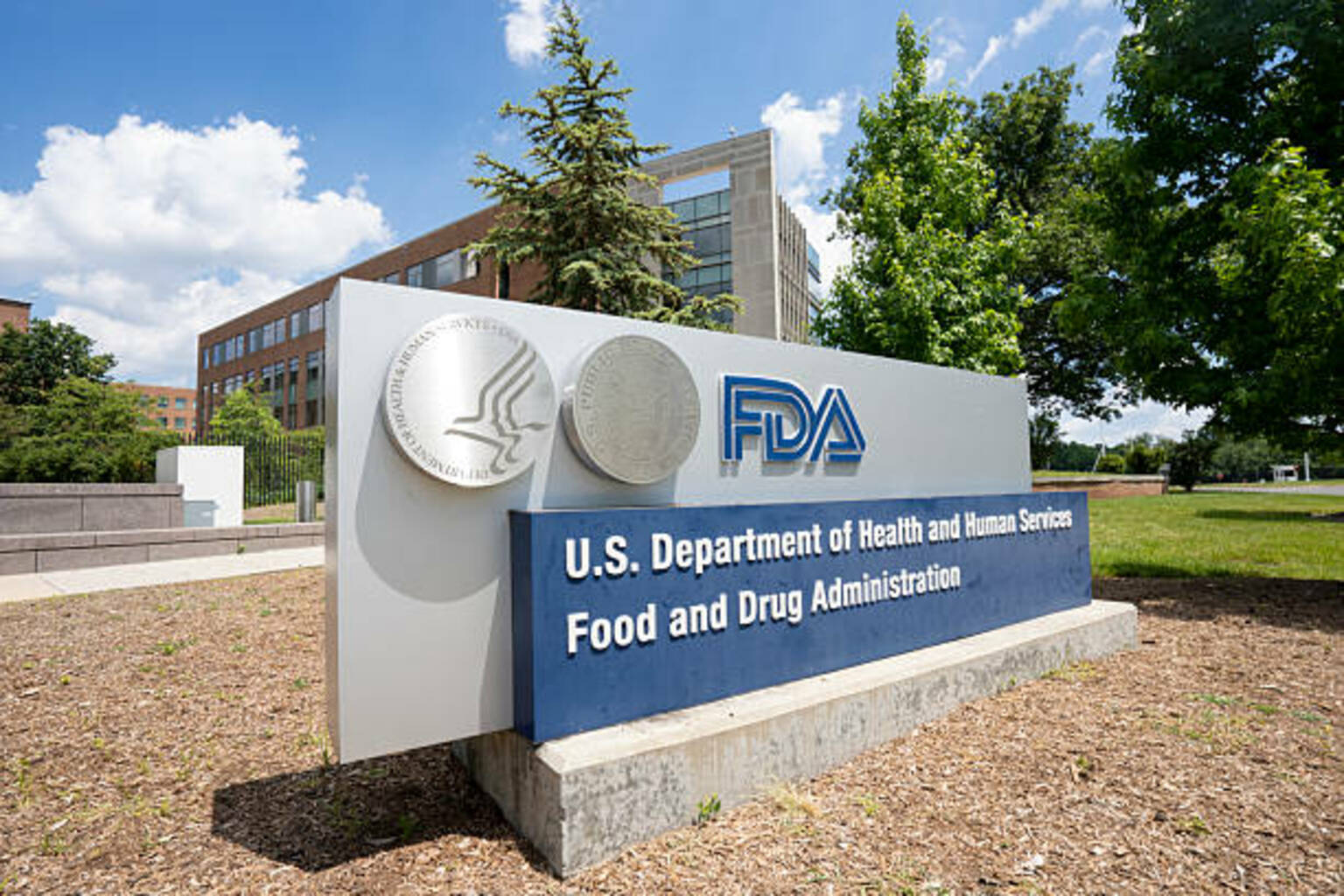
- Acting Commissioner Candidates: FDA Deputy Commissioner Kyle Diamantas is being considered for the acting commissioner role as current Commissioner Marty Makary's tenure is reportedly ending soon, which could impact the agency's policy direction and operational efficiency.
- Additional Candidates: Alongside Diamantas, Deputy Commissioner for Policy, Legislation, and International Affairs Grace Graham and senior counselor to HHS Secretary Robert F. Kennedy Jr., Sara Brenner, are also in the running, indicating a diverse consideration for FDA leadership.
- Former Commissioners Considered: Former FDA Commissioner Stephen Hahn and former acting commissioner and Assistant Health Secretary Brett Giroir are being considered for a permanent role, suggesting a potential return to a more traditional leadership style at the FDA.
- Industry Implications: Changes in FDA leadership may affect pharmaceutical companies like Pfizer, particularly in terms of policy formulation and regulatory enforcement, which could influence drug approvals and market strategies.
Investment Opportunities Amid Market Highs
- Market Performance Analysis: The S&P 500 index is trading near all-time highs despite geopolitical conflicts in the Middle East, high oil prices, and concerns about a global recession, indicating market confidence in economic resilience.
- Investment Recommendation: Investors are advised to focus on strong Dividend Kings like Johnson & Johnson and Coca-Cola, both of which demonstrate robust performance in their respective industries and maintain stable cash flows amid economic fluctuations.
- Coca-Cola Performance: Coca-Cola achieved a 3% growth in case volume and a 10% increase in organic sales in Q1 2026, showcasing its strong business resilience despite industry headwinds.
- Johnson & Johnson Outlook: Johnson & Johnson reported a 9.9% sales increase in Q1 2026; despite a slight dip in earnings, management raised the full-year earnings guidance by 7%, aiming for double-digit growth by the decade's end, highlighting its long-term growth potential.
Middle East Conflict Drives Oil Prices Up, Investors Shift to High Dividend Stocks
- Oil Price Impact: The geopolitical conflict in the Middle East has driven oil prices higher, and while the S&P 500 index remains near all-time highs, concerns about a global recession are intensifying, prompting investors to approach potential risks with caution.
- Dividend Stocks Appeal: Investors are strongly advised to shift towards high dividend stocks like Johnson & Johnson and Coca-Cola, both of which are Dividend Kings that have increased dividends annually for over fifty years, demonstrating robust business models and resilience against economic downturns.
- Coca-Cola's Strong Performance: Despite industry headwinds, Coca-Cola achieved a 3% growth in case volume and a 10% increase in organic sales in Q1 2026, indicating strong market performance and a reasonable valuation level.
- Johnson & Johnson Sales Growth: Johnson & Johnson reported a 9.9% sales increase in Q1 2026, and although earnings dipped slightly, management raised its full-year earnings guidance by 7%, reflecting confidence in future growth and an expectation of double-digit growth by the end of the decade.
Trump Denies Plans to Oust FDA Commissioner Makary
- Trump's Denial: Trump stated late Friday that he is unaware of any proposal to oust FDA Commissioner Marty Makary, despite multiple reports suggesting increasing pressure from senior White House officials for his departure, indicating potential internal conflicts.
- FDA Leadership Turmoil: Since Makary's nomination in November 2024, the FDA has seen several high-profile departures, including Richard Pazdur, the director of the Center for Drug Evaluation and Research, and Vinay Prasad, former head of the Center for Biologics Evaluation and Research, highlighting instability within the agency.
- Impact of Media Reports: The Wall Street Journal's initial report on Trump's plans to dismiss Makary contrasts with Trump's claims of ignorance, which may undermine public trust in FDA leadership and the agency's credibility.
- Future Challenges: Given the backdrop of leadership turnover and external pressures, Makary's ability to lead will be increasingly scrutinized, particularly in drug regulation and public health policy, potentially affecting the FDA's decision-making efficiency and public health safety.
Caution Signals Emerge in the Market
- Market Valuation Warning: The Shiller P/E ratio has reached 41, the highest level since the dot-com bubble, indicating that the market may be overvalued and investors should be cautious about potential risks.
- Berkshire's Liquidity Innovation: Berkshire Hathaway holds nearly $397 billion in liquidity, surpassing its $330 billion stock portfolio, indicating a strategy of cash accumulation in anticipation of a discounted market.
- Realty Income Stability: Realty Income boasts a 5.1% dividend yield and a 99% occupancy rate, consistently paying dividends monthly since 1994, demonstrating strong cash flow and market competitiveness.
- Kimberly-Clark's Brand Strength: Kimberly-Clark has increased its dividend for 54 consecutive years, and despite merger cost pressures, its 5.2% dividend yield and stable cash flow suggest it still has the capacity to attract investors.
Realty Income and Clorox Outlook Amid Market Challenges
- Stability of Realty Income: Realty Income (NYSE: O) maintains a 99% occupancy rate by leasing single-tenant properties, continuously developing new assets to ensure steady revenue while upholding its reputation for monthly dividends since 1994, with an annual payout of $3.25 and a yield of 5.1%, significantly above the S&P 500's 1.1% average.
- Clorox's Challenges and Opportunities: Despite facing pressures from a cyberattack and rising costs that led to downward revisions in sales and earnings forecasts, Clorox (NYSE: CLX) boasts an annual dividend of $4.96 and a yield of 5.6%, indicating long-term stability, and is likely to maintain its dividend growth streak.
- Kimberly-Clark's Merger Prospects: Kimberly-Clark (NASDAQ: KMB) is set to merge with Kenvue, and although its $32 billion market cap is below the $48.7 billion deal cost, the market has likely priced in some dilution effects, while the merger will integrate more well-known brands, enhancing competitive strength.
- Cautious Market Sentiment: Given the current market conditions, investors should be cautious, especially with the Shiller P/E ratio at a historical high of 41 and Berkshire Hathaway holding nearly $397 billion in liquidity, suggesting it may be preparing for a discounted market, prompting investors to focus on potential value stocks.
FDA Deputy Commissioner Considered for Acting Commissioner Role
- Acting Commissioner Candidates: FDA Deputy Commissioner Kyle Diamantas is being considered for the acting commissioner role as current Commissioner Marty Makary's tenure is reportedly ending soon, which could impact the agency's policy direction and operational efficiency.
- Additional Candidates: Alongside Diamantas, Deputy Commissioner for Policy, Legislation, and International Affairs Grace Graham and senior counselor to HHS Secretary Robert F. Kennedy Jr., Sara Brenner, are also in the running, indicating a diverse consideration for FDA leadership.
- Former Commissioners Considered: Former FDA Commissioner Stephen Hahn and former acting commissioner and Assistant Health Secretary Brett Giroir are being considered for a permanent role, suggesting a potential return to a more traditional leadership style at the FDA.
- Industry Implications: Changes in FDA leadership may affect pharmaceutical companies like Pfizer, particularly in terms of policy formulation and regulatory enforcement, which could influence drug approvals and market strategies.