Trump Threatens to Deploy Immigration Agents to Airports
Written by Emily J. Thompson, Senior Investment Analyst
Updated: Mar 21 2026
0mins
Should l Buy TSLA?
Source: Newsfilter
- Immigration Enforcement Threat: President Trump has threatened to deploy ICE agents to U.S. airports on Monday unless Democrats agree to fund the Department of Homeland Security, a move that could intensify enforcement against undocumented immigrants, particularly targeting individuals from Somalia.
- Impact of DHS Shutdown: The funding lapse at DHS has led to many TSA employees quitting or calling in sick due to unpaid wages, resulting in excessively long security lines at U.S. airports, which negatively affects the travel experience for passengers.
- Musk's Proposal: Tesla CEO Elon Musk has expressed willingness to cover TSA workers' salaries during the government shutdown, although the specifics of how this would be implemented remain unclear, indicating his concern for alleviating the financial strain on affected employees.
- Uncertain Congressional Negotiations: A bipartisan group of senators met with DHS officials to discuss immigration enforcement concessions, but it remains unclear whether further negotiations or votes on the new funding proposal will occur, prolonging the uncertainty surrounding the shutdown's impact.
Trade with 70% Backtested Accuracy
Stop guessing "Should I Buy TSLA?" and start using high-conviction signals backed by rigorous historical data.
Sign up today to access powerful investing tools and make smarter, data-driven decisions.
Analyst Views on TSLA
Wall Street analysts forecast TSLA stock price to rise
30 Analyst Rating
12 Buy
11 Hold
7 Sell
Hold
Current: 381.260

Low
25.28
Averages
401.93
High
600.00
Current: 381.260
Low
25.28
Averages
401.93
High
600.00
About TSLA
Tesla, Inc. designs, develops, manufactures, sells and leases high-performance fully electric vehicles and energy generation and storage systems, and offers services related to its products. Its segments include automotive, and energy generation and storage. The automotive segment includes the design, development, manufacturing, sales and leasing of high-performance fully electric vehicles, and sales of automotive regulatory credits. It also includes sales of used vehicles, non-warranty maintenance services and collisions, part sales, paid supercharging, insurance services revenue and retail merchandise sales. The energy generation and storage segment include the design, manufacture, installation, sales and leasing of solar energy generation and energy storage products and related services and sales of solar energy systems incentives. Its consumer vehicles include the Model 3, Y, S, X and Cybertruck. Its lithium-ion battery energy storage products include Powerwall and Megapack.
About the author

Emily J. Thompson
Emily J. Thompson, a Chartered Financial Analyst (CFA) with 12 years in investment research, graduated with honors from the Wharton School. Specializing in industrial and technology stocks, she provides in-depth analysis for Intellectia’s earnings and market brief reports.

Tesla Sales Decline but Future Outlook Remains Positive

- Sales Decline: Tesla's auto deliveries fell by approximately 9% in 2025, while nationwide EV sales dropped around 2%, indicating that the company struggled to maintain competitiveness in a weak market, resulting in profits being nearly halved.
- Robotaxi Potential: Despite weak auto sales, Tesla's market cap exceeded $1 trillion by the end of 2025, with projections suggesting that its robotaxi business could represent 90% of its enterprise value by 2029, significantly enhancing the company's long-term growth prospects.
- Production Capacity Advantage: Tesla's Austin factory can produce over 5,000 vehicles daily, with the potential to match the entire ride-hail fleet of urban Austin in about nine days, showcasing its robust production capabilities in the robotaxi market.
- Stock Price Expectations: Ark Invest forecasts Tesla's shares could reach $2,900 by 2029, although skepticism exists regarding Musk's overly optimistic timelines; nonetheless, the potential of the robotaxi market should not be underestimated.
See More
Tesla Faces Sales Challenges Amid $10 Trillion Opportunity
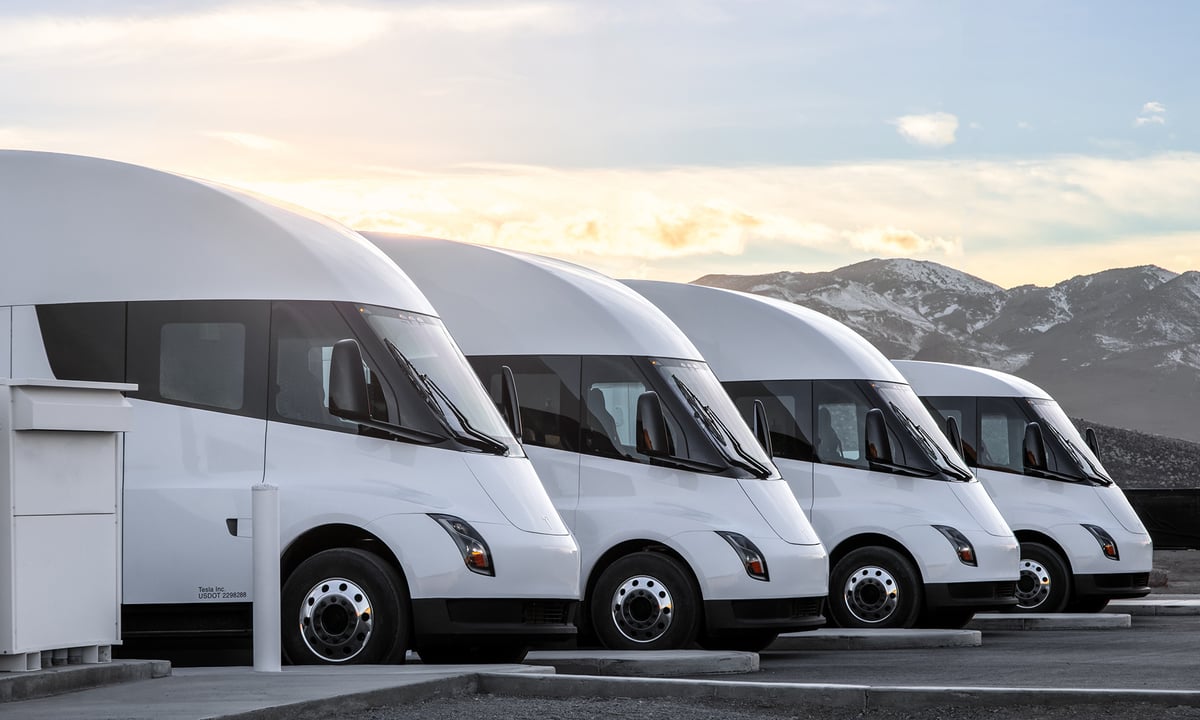
- Sales Decline: Tesla's auto deliveries fell by approximately 9% in 2025, amidst a 2% decline in the overall EV market, indicating a weakening competitive position that resulted in nearly halved profits, reflecting struggles in a soft market.
- Quarterly Sales Data: In Q1 2026, deliveries dropped 14% from the previous quarter, although there was a slight year-over-year increase, this trend suggests ongoing sales pressure for Tesla in the short term, potentially impacting investor confidence.
- Robotaxi Market Potential: Tesla anticipates that by 2029, its robotaxi business could represent around 90% of its enterprise value, with this market projected to reach $10 trillion, highlighting the strategic shift potential for Tesla's future growth.
- Production Capacity Advantage: Tesla's Austin factory can produce over 5,000 vehicles daily, with the capability to match the entire ride-hail fleet of urban Austin in about 9 days, indicating that its rapid deployment ability in the robotaxi market will provide a competitive edge.
See More

Tesla and Amazon's Strategic Moves in AI Robotics Market

- Tesla's Strategic Shift: Tesla has announced the discontinuation of its Model S and Model X, focusing instead on the production of Model 3 and Model Y, while repurposing factory space for its Optimus humanoid robots, expected to launch by the end of 2027, which could significantly enhance the company's revenue and profitability if successful.
- AI Robotics Market Potential: Projections indicate that the AI robotics market will reach approximately $375.8 billion by 2035, with a compound annual growth rate of 17.33%, and if Tesla and Amazon can capitalize on this opportunity, they could achieve substantial returns and transform their market positions.
- Amazon's Robotics Innovation: Amazon has ramped up its investments in the robotics market over the past few years, launching a million AI-powered robots last year and acquiring Fauna Robotics; although it lags behind Tesla in robotics, its strong cash reserves (totaling $123 billion as of Q4) provide a solid foundation for catching up.
- Market Competition and Risks: While the outlook for Tesla and Amazon in the AI robotics sector is optimistic, they face risks including legal and regulatory challenges, and the uncertainty of whether Tesla's robots will meet expectations, which will directly impact their stock prices and market performance.
See More
Tesla and Amazon's Strategic Moves in Robotics Market
- Tesla's Robotics Initiative: Tesla has announced the discontinuation of its Model S and Model X, reallocating factory space to produce Optimus humanoid robots, which are set to launch by the end of 2027; if successful, this could generate high-margin recurring revenue and alleviate the impact of declining EV sales.
- Massive Market Potential: The AI robotics market is projected to reach $375.8 billion by 2035, with a compound annual growth rate of 17.33%, presenting significant growth opportunities for companies like Tesla and Amazon, thereby attracting investor interest.
- Amazon's Acquisition Moves: Amazon recently acquired Fauna Robotics, focusing on developing friendly humanoid robots for home and business use; although it lags behind Tesla in the robotics sector, its substantial cash reserves and innovation focus could enable it to catch up quickly.
- Warehouse Optimization Progress: Over the past year, Amazon has launched over a million AI-powered robots to optimize warehouse operations, and while the short-term financial impact may be limited, significant revenue could be realized if the market grows as projected.
See More
Tesla Officially Ends Production of Model S and X
- Production Announcement: CEO Elon Musk has officially stated that custom orders for the Model S and X have ended, although some inventory remains available, marking the conclusion of Tesla's early models, which could impact brand loyalty and market share.
- Historical Reflection and Farewell Ceremony: Musk shared a photo from the launch of these models 14 years ago on social media and confirmed an official farewell ceremony, reflecting emotional attachment to the vehicles while potentially drawing attention and resonance from long-time customers.
- Production Line Shift: Tesla is shifting its Fremont, California production facility's focus to the Optimus humanoid robot, targeting the production of one million units, a strategic pivot that may affect future product lines and market positioning amid intensifying competition in the EV sector.
- New Model Anticipation: Despite the discontinuation of the Model S and X, Musk hinted at the possibility of a new model, with rumors suggesting a three-row design that could attract more family users, further diversifying Tesla's product lineup to address ongoing sales challenges.
See More
Rivian Automotive Sales Decline for Fourth Consecutive Month Ahead of R2 Launch

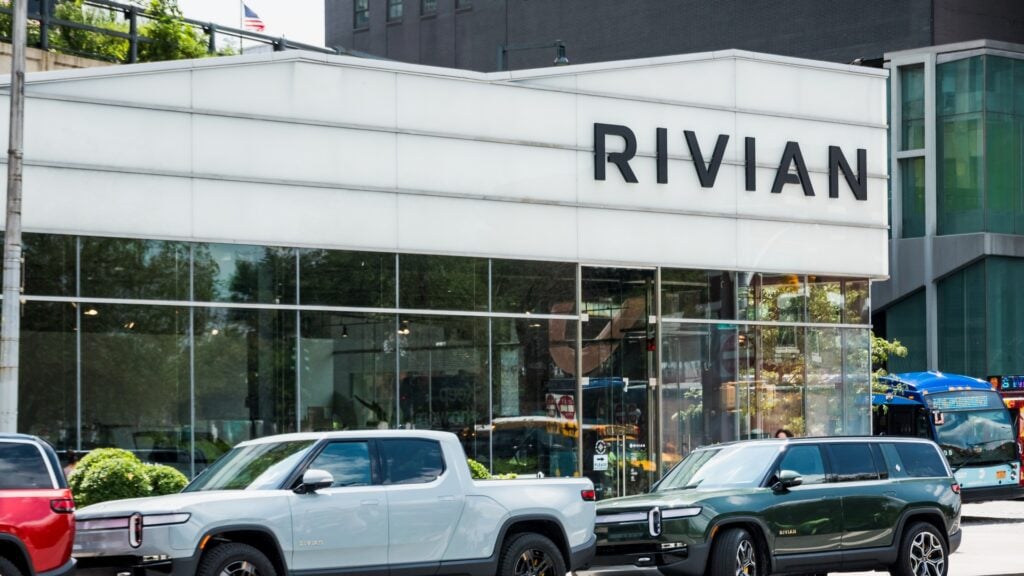
- Sales Decline: Rivian's sales fell by over 26.5% year-over-year in Q1 2026, with only 8,141 vehicles sold compared to 11,070 last year, indicating a significant drop in market demand.
- Three-Year Low: In March 2026, Rivian's sales dropped to 2,925 units, nearly 1,000 fewer than the 3,910 units sold in March 2025, marking the lowest sales level in three years and highlighting increasing competition and market challenges.
- Upcoming R2 SUV: Rivian is set to launch the R2 Crossover SUV, which is expected to boost sales, with a delivery target of 62,000 to 67,000 vehicles in 2026, including 20,000 to 25,000 R2 units priced at $48,490.
- Partnership with Uber: Rivian signed a $1.25 billion deal with Uber to deploy several thousand R2 Robotaxis across multiple cities by 2031, demonstrating the company's strategic positioning in the autonomous driving sector to compete with Tesla's Full Self-Driving system.
See More
Tesla Sales Decline but Future Outlook Remains Positive
- Sales Decline: Tesla's auto deliveries fell by approximately 9% in 2025, while nationwide EV sales dropped around 2%, indicating that the company struggled to maintain competitiveness in a weak market, resulting in profits being nearly halved.
- Robotaxi Potential: Despite weak auto sales, Tesla's market cap exceeded $1 trillion by the end of 2025, with projections suggesting that its robotaxi business could represent 90% of its enterprise value by 2029, significantly enhancing the company's long-term growth prospects.
- Production Capacity Advantage: Tesla's Austin factory can produce over 5,000 vehicles daily, with the potential to match the entire ride-hail fleet of urban Austin in about nine days, showcasing its robust production capabilities in the robotaxi market.
- Stock Price Expectations: Ark Invest forecasts Tesla's shares could reach $2,900 by 2029, although skepticism exists regarding Musk's overly optimistic timelines; nonetheless, the potential of the robotaxi market should not be underestimated.
See More
Tesla Faces Sales Challenges Amid $10 Trillion Opportunity
- Sales Decline: Tesla's auto deliveries fell by approximately 9% in 2025, amidst a 2% decline in the overall EV market, indicating a weakening competitive position that resulted in nearly halved profits, reflecting struggles in a soft market.
- Quarterly Sales Data: In Q1 2026, deliveries dropped 14% from the previous quarter, although there was a slight year-over-year increase, this trend suggests ongoing sales pressure for Tesla in the short term, potentially impacting investor confidence.
- Robotaxi Market Potential: Tesla anticipates that by 2029, its robotaxi business could represent around 90% of its enterprise value, with this market projected to reach $10 trillion, highlighting the strategic shift potential for Tesla's future growth.
- Production Capacity Advantage: Tesla's Austin factory can produce over 5,000 vehicles daily, with the capability to match the entire ride-hail fleet of urban Austin in about 9 days, indicating that its rapid deployment ability in the robotaxi market will provide a competitive edge.
See More
Tesla and Amazon's Strategic Moves in AI Robotics Market
- Tesla's Strategic Shift: Tesla has announced the discontinuation of its Model S and Model X, focusing instead on the production of Model 3 and Model Y, while repurposing factory space for its Optimus humanoid robots, expected to launch by the end of 2027, which could significantly enhance the company's revenue and profitability if successful.
- AI Robotics Market Potential: Projections indicate that the AI robotics market will reach approximately $375.8 billion by 2035, with a compound annual growth rate of 17.33%, and if Tesla and Amazon can capitalize on this opportunity, they could achieve substantial returns and transform their market positions.
- Amazon's Robotics Innovation: Amazon has ramped up its investments in the robotics market over the past few years, launching a million AI-powered robots last year and acquiring Fauna Robotics; although it lags behind Tesla in robotics, its strong cash reserves (totaling $123 billion as of Q4) provide a solid foundation for catching up.
- Market Competition and Risks: While the outlook for Tesla and Amazon in the AI robotics sector is optimistic, they face risks including legal and regulatory challenges, and the uncertainty of whether Tesla's robots will meet expectations, which will directly impact their stock prices and market performance.
See More
Tesla and Amazon's Strategic Moves in Robotics Market
- Tesla's Robotics Initiative: Tesla has announced the discontinuation of its Model S and Model X, reallocating factory space to produce Optimus humanoid robots, which are set to launch by the end of 2027; if successful, this could generate high-margin recurring revenue and alleviate the impact of declining EV sales.
- Massive Market Potential: The AI robotics market is projected to reach $375.8 billion by 2035, with a compound annual growth rate of 17.33%, presenting significant growth opportunities for companies like Tesla and Amazon, thereby attracting investor interest.
- Amazon's Acquisition Moves: Amazon recently acquired Fauna Robotics, focusing on developing friendly humanoid robots for home and business use; although it lags behind Tesla in the robotics sector, its substantial cash reserves and innovation focus could enable it to catch up quickly.
- Warehouse Optimization Progress: Over the past year, Amazon has launched over a million AI-powered robots to optimize warehouse operations, and while the short-term financial impact may be limited, significant revenue could be realized if the market grows as projected.
See More
Tesla Officially Ends Production of Model S and X
- Production Announcement: CEO Elon Musk has officially stated that custom orders for the Model S and X have ended, although some inventory remains available, marking the conclusion of Tesla's early models, which could impact brand loyalty and market share.
- Historical Reflection and Farewell Ceremony: Musk shared a photo from the launch of these models 14 years ago on social media and confirmed an official farewell ceremony, reflecting emotional attachment to the vehicles while potentially drawing attention and resonance from long-time customers.
- Production Line Shift: Tesla is shifting its Fremont, California production facility's focus to the Optimus humanoid robot, targeting the production of one million units, a strategic pivot that may affect future product lines and market positioning amid intensifying competition in the EV sector.
- New Model Anticipation: Despite the discontinuation of the Model S and X, Musk hinted at the possibility of a new model, with rumors suggesting a three-row design that could attract more family users, further diversifying Tesla's product lineup to address ongoing sales challenges.
See More
Rivian Automotive Sales Decline for Fourth Consecutive Month Ahead of R2 Launch
- Sales Decline: Rivian's sales fell by over 26.5% year-over-year in Q1 2026, with only 8,141 vehicles sold compared to 11,070 last year, indicating a significant drop in market demand.
- Three-Year Low: In March 2026, Rivian's sales dropped to 2,925 units, nearly 1,000 fewer than the 3,910 units sold in March 2025, marking the lowest sales level in three years and highlighting increasing competition and market challenges.
- Upcoming R2 SUV: Rivian is set to launch the R2 Crossover SUV, which is expected to boost sales, with a delivery target of 62,000 to 67,000 vehicles in 2026, including 20,000 to 25,000 R2 units priced at $48,490.
- Partnership with Uber: Rivian signed a $1.25 billion deal with Uber to deploy several thousand R2 Robotaxis across multiple cities by 2031, demonstrating the company's strategic positioning in the autonomous driving sector to compete with Tesla's Full Self-Driving system.
See More