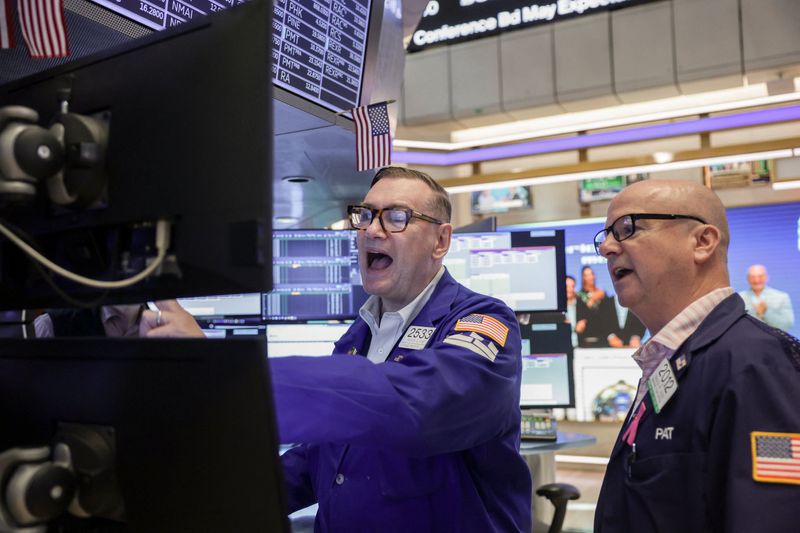
Trump Plans to Fire FDA Commissioner, Biotech Stocks Affected


Catch up on the top industries and stocks that were impacted, or were predicted to be impacted, by the comments, actions and policies of President Donald Trump with this daily recap compiled by The Fly.WAR WITH IRAN:Iran's state news agency IRNA reported Sunday that the country sent its response to the latest proposed U.S. draft agreement for ending the war,The Wall Street Journal. The current phase of negotiations is focused exclusively on the cessation of hostilities in the region, said IRNA, which gave no further details of the Iranian response.Meanwhile, President Donald Trump stated in a Truth Social, "I have just read the response from Iran's so-called 'Representatives.' I don't like it - TOTALLY UNACCEPTABLE! Thank you for your attention to this matter."AI SECURITY ORDER:The White House is planning to order U.S. agencies to partner with AI firms to protect networks from AI-enabled cyber attacks, though the order would stop short of mandating government approval for cutting-edge models, Bloomberg's Maggie Eastland and Courtney Subramanian, citing people familiar with the mater. A draft directive from President Trump would overhaul existing cybersecurity information-sharing programs to include AI companies and address threats posed by the emerging tech, the authors note. Companies in AI software include Alphabet, Meta, OpenAI, and Anthropic.FDA COMMISSIONER:President Trump has signed off on a plan to fire Food and Drug Administration Commissioner Marty Makary, following a tumultuous period for the regulator that included clashes over vaping, abortion and drug policy, The Wall Street Journal's Liz Essley Whyte, citing people familiar with the matter. Makary is seen by other top administration leaders as struggling to manage his agency, sparring frequently with health department officials and at times the White House, the author notes. Biotech stocks that could be impacted by the news include Moderna, Sarepta, Xencor, PTC Therapeutics, Biohaven, Edgewise Therapeutics, Design Therapeutics, Ultragenyx, Avidity Biosciences, Dyne Therapeutics, Wave Life Sciences, MeiraGTx, uniQure, Regenxbio, Novavaxand Lexeo Therapeutics.
Trade with 70% Backtested Accuracy
Analyst Views on GOOGL

About GOOGL
About the author


Billionaire Hedge Fund Investment Insights


- Amazon Investment Confidence: Appaloosa Management nearly doubled its Amazon holdings in Q1, now comprising over 15% of its total portfolio, indicating strong confidence in AWS, with a projected $200 billion investment expected to drive future revenue growth.
- Micron's Sustained Growth: Appaloosa added about 11% to its Micron stake in Q1, reflecting confidence in ongoing strong demand for memory chips, which is expected to drive record revenue and profits, even as its stock trades at a 16 times forward earnings ratio.
- Google Cloud's Growth Potential: Although Appaloosa reduced its Alphabet stake by 3% in Q1, Google Cloud achieved a 63% revenue growth, highlighting the potential of new revenue streams, suggesting there is still upside for investors.
- Hedge Fund Investment Strategy: Billionaire David Tepper's investment strategy emphasizes long-term holding, particularly amid intensifying AI competition, indicating that following these hedge funds' investment decisions could provide valuable opportunities for investors.

Amazon's Massive Investment in Cloud Computing
- Amazon's Cloud Investment: Amazon is set to invest a staggering $200 billion in its AWS cloud division to meet soaring demand, which is expected to drive its revenue growth rate to its best level in nearly four years, further solidifying its market leadership.
- Micron's Strong Performance: Micron increased its stake by about 11% in Q1, benefiting from sustained high demand for memory chips that has driven core product prices up, resulting in record revenue and profits, indicating strong recovery potential for its business.
- Alphabet's Cloud Growth: Alphabet's Google Cloud achieved a remarkable 63% revenue growth in Q1, primarily fueled by sales of TPUs, and despite a slight reduction in its stake, it still shows long-term investment potential.
- Hedge Fund Investment Strategy: Billionaire David Tepper's Appaloosa Management's investments in Amazon, Micron, and Alphabet reflect strong confidence in these stocks, particularly in the context of an intensifying AI arms race, positioning them as key players for future growth.

Greg Abel's Strategic Moves in Berkshire's Portfolio

- New CEO Appointment: Greg Abel took over as CEO of Berkshire Hathaway in January 2026, marking a significant leadership change that is expected to influence the company's investment strategy and market performance.
- Portfolio Adjustments: Abel quickly made adjustments to the stock portfolio after taking office, demonstrating his keen insight into market dynamics, which could impact Berkshire's long-term returns.
- Positive Market Reaction: Based on morning stock prices from May 29, 2026, Abel's investment decisions have elicited a positive market response, potentially boosting investor confidence in Berkshire's future performance.
- Clear Strategic Direction: Abel's investment choices reflect a clear strategy for the company's future development, which may attract more investor attention to Berkshire's long-term growth potential.
IBM's Quantum Computing Investment Seen as Promising by Barclays


- Upgraded Investment Rating: Barclays initiated coverage of IBM with an overweight rating and a 12-month price target of $350, indicating an 18% upside from last Friday's close, reflecting confidence in IBM's future in the quantum computing market.
- Stock Price Surge: IBM's stock rallied over 8% on Monday, showcasing positive market sentiment towards its quantum computing investments, which analysts believe could yield substantial returns for investors.
- Quantum Computing Investment Commitment: IBM has pledged to invest over $10 billion in quantum computing over the next five years, aiming to develop fault-tolerant quantum computers by 2029, highlighting its long-term strategic positioning in this cutting-edge technology.
- Significant Market Potential: The quantum computing market is projected to reach $1.4 billion by 2024, and with rapid technological advancements and investor interest, IBM, as an early mover, is well-positioned to lead in this emerging market.
Anthropic Opens Access to AI Model Mythos for EU Amid Cybersecurity Concerns

- AI Model Sharing: Anthropic is sharing its advanced AI model Mythos with the EU to address cybersecurity concerns, indicating the company's strategic intent to collaborate in the global market.
- Cybersecurity Cooperation: The EU has held several productive meetings with Anthropic to gain a clearer understanding of the potential risks posed by Mythos technology, reflecting the EU's proactive stance on tech sovereignty.
- Technology Risk Warning: Mythos can uncover thousands of previously unknown software vulnerabilities, raising significant alarm among governments, banks, and tech firms upon its initial release, highlighting its potential misuse in cybercrime.
- International Cooperation Outlook: The EU has already gained access to OpenAI's GPT-5.5-Cyber model, indicating that international collaboration and regulation in the AI technology sector are gradually strengthening.
Anthropic Extends Access to AI Model Mythos for EU
- Access Expansion: Anthropic is extending access to its advanced AI model Mythos to the EU after weeks of negotiations, aiming to address cybersecurity concerns and enhance technological transparency.
- Security Concerns: The European Commission confirmed that it held several productive meetings with Anthropic, although the specific terms of the agreement remain unclear, indicating the EU's serious consideration of potential risks associated with AI technology.
- Government Permission Requirement: To gain access to Mythos, the EU had to seek permission from the U.S. government, reflecting America's dominant position in the AI sector and its strict controls over technology exports.
- Cybersecurity Challenges: The Mythos model excels at identifying software vulnerabilities, yet its potential for misuse has raised significant alarm among governments and corporations, prompting increased regulatory scrutiny and collaboration on AI technologies.
Billionaire Hedge Fund Investment Insights
- Amazon Investment Confidence: Appaloosa Management nearly doubled its Amazon holdings in Q1, now comprising over 15% of its total portfolio, indicating strong confidence in AWS, with a projected $200 billion investment expected to drive future revenue growth.
- Micron's Sustained Growth: Appaloosa added about 11% to its Micron stake in Q1, reflecting confidence in ongoing strong demand for memory chips, which is expected to drive record revenue and profits, even as its stock trades at a 16 times forward earnings ratio.
- Google Cloud's Growth Potential: Although Appaloosa reduced its Alphabet stake by 3% in Q1, Google Cloud achieved a 63% revenue growth, highlighting the potential of new revenue streams, suggesting there is still upside for investors.
- Hedge Fund Investment Strategy: Billionaire David Tepper's investment strategy emphasizes long-term holding, particularly amid intensifying AI competition, indicating that following these hedge funds' investment decisions could provide valuable opportunities for investors.
Amazon's Massive Investment in Cloud Computing
- Amazon's Cloud Investment: Amazon is set to invest a staggering $200 billion in its AWS cloud division to meet soaring demand, which is expected to drive its revenue growth rate to its best level in nearly four years, further solidifying its market leadership.
- Micron's Strong Performance: Micron increased its stake by about 11% in Q1, benefiting from sustained high demand for memory chips that has driven core product prices up, resulting in record revenue and profits, indicating strong recovery potential for its business.
- Alphabet's Cloud Growth: Alphabet's Google Cloud achieved a remarkable 63% revenue growth in Q1, primarily fueled by sales of TPUs, and despite a slight reduction in its stake, it still shows long-term investment potential.
- Hedge Fund Investment Strategy: Billionaire David Tepper's Appaloosa Management's investments in Amazon, Micron, and Alphabet reflect strong confidence in these stocks, particularly in the context of an intensifying AI arms race, positioning them as key players for future growth.
Greg Abel's Strategic Moves in Berkshire's Portfolio
- New CEO Appointment: Greg Abel took over as CEO of Berkshire Hathaway in January 2026, marking a significant leadership change that is expected to influence the company's investment strategy and market performance.
- Portfolio Adjustments: Abel quickly made adjustments to the stock portfolio after taking office, demonstrating his keen insight into market dynamics, which could impact Berkshire's long-term returns.
- Positive Market Reaction: Based on morning stock prices from May 29, 2026, Abel's investment decisions have elicited a positive market response, potentially boosting investor confidence in Berkshire's future performance.
- Clear Strategic Direction: Abel's investment choices reflect a clear strategy for the company's future development, which may attract more investor attention to Berkshire's long-term growth potential.
IBM's Quantum Computing Investment Seen as Promising by Barclays
- Upgraded Investment Rating: Barclays initiated coverage of IBM with an overweight rating and a 12-month price target of $350, indicating an 18% upside from last Friday's close, reflecting confidence in IBM's future in the quantum computing market.
- Stock Price Surge: IBM's stock rallied over 8% on Monday, showcasing positive market sentiment towards its quantum computing investments, which analysts believe could yield substantial returns for investors.
- Quantum Computing Investment Commitment: IBM has pledged to invest over $10 billion in quantum computing over the next five years, aiming to develop fault-tolerant quantum computers by 2029, highlighting its long-term strategic positioning in this cutting-edge technology.
- Significant Market Potential: The quantum computing market is projected to reach $1.4 billion by 2024, and with rapid technological advancements and investor interest, IBM, as an early mover, is well-positioned to lead in this emerging market.
Anthropic Opens Access to AI Model Mythos for EU Amid Cybersecurity Concerns
- AI Model Sharing: Anthropic is sharing its advanced AI model Mythos with the EU to address cybersecurity concerns, indicating the company's strategic intent to collaborate in the global market.
- Cybersecurity Cooperation: The EU has held several productive meetings with Anthropic to gain a clearer understanding of the potential risks posed by Mythos technology, reflecting the EU's proactive stance on tech sovereignty.
- Technology Risk Warning: Mythos can uncover thousands of previously unknown software vulnerabilities, raising significant alarm among governments, banks, and tech firms upon its initial release, highlighting its potential misuse in cybercrime.
- International Cooperation Outlook: The EU has already gained access to OpenAI's GPT-5.5-Cyber model, indicating that international collaboration and regulation in the AI technology sector are gradually strengthening.
Anthropic Extends Access to AI Model Mythos for EU
- Access Expansion: Anthropic is extending access to its advanced AI model Mythos to the EU after weeks of negotiations, aiming to address cybersecurity concerns and enhance technological transparency.
- Security Concerns: The European Commission confirmed that it held several productive meetings with Anthropic, although the specific terms of the agreement remain unclear, indicating the EU's serious consideration of potential risks associated with AI technology.
- Government Permission Requirement: To gain access to Mythos, the EU had to seek permission from the U.S. government, reflecting America's dominant position in the AI sector and its strict controls over technology exports.
- Cybersecurity Challenges: The Mythos model excels at identifying software vulnerabilities, yet its potential for misuse has raised significant alarm among governments and corporations, prompting increased regulatory scrutiny and collaboration on AI technologies.