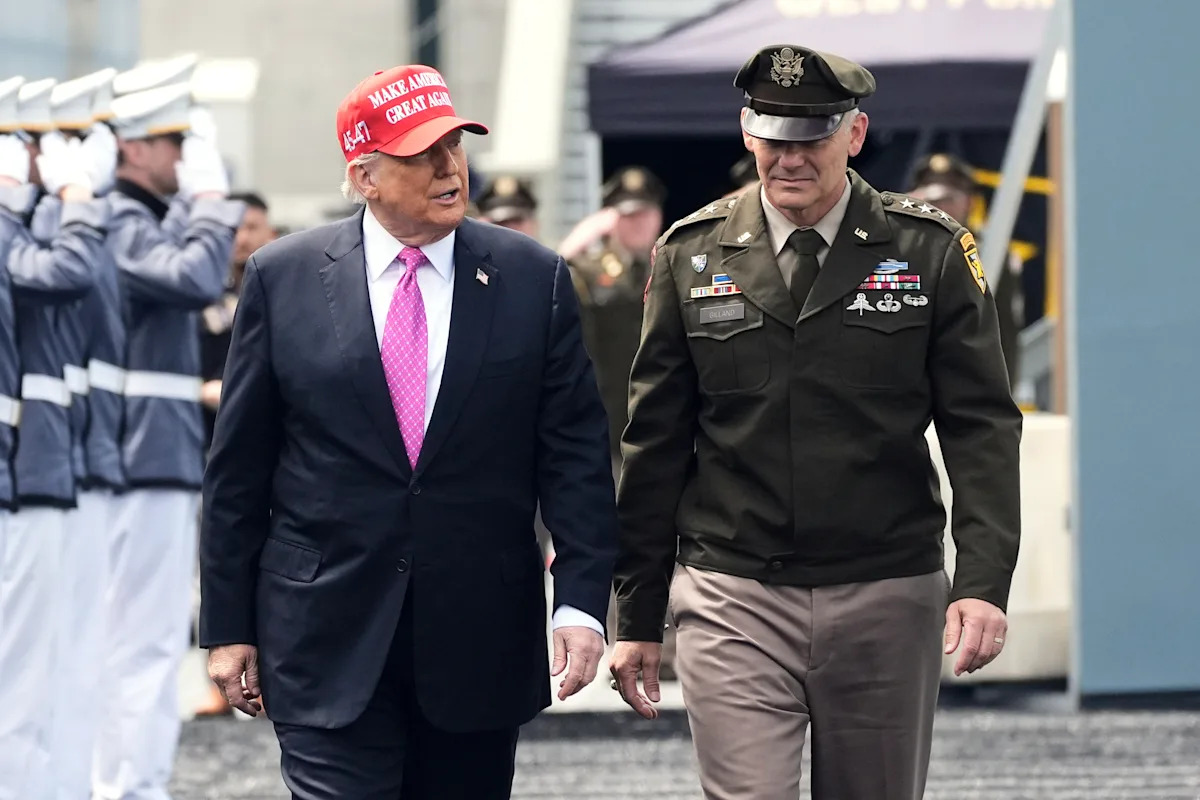
Trump Jokingly Renames Strait of Hormuz to 'Strait of Trump'
Written by Emily J. Thompson, Senior Investment Analyst
Updated: 1 hour ago
0mins
Should l Buy BP?
Source: CNBC
- Humorous Remarks: During the Future Investment Initiative Summit in Miami, Trump referred to the Strait of Hormuz as the 'Strait of Trump,' eliciting laughter from the audience, showcasing his humor amidst rising tensions regarding Iran.
- Energy Supply Impact: The Strait of Hormuz is a critical route for the daily transport of 20 million barrels of oil, and Iran's ability to block it has led to historic disruptions in global energy supply and prices, with Trump's comments potentially influencing market perceptions of the region's stability.
- War Situation: Trump noted that the conflict with Iran is poised to enter its second month, claiming that the U.S. has 'obliterated' Iran's military, reflecting an optimistic stance that could affect U.S. foreign policy and military strategy moving forward.
- Naming Controversy: Trump is considering renaming the Strait of Hormuz to 'Strait of Trump' or 'Strait of America,' illustrating his tendency to intertwine his personal brand with national matters, which may provoke widespread public and media discourse.
Trade with 70% Backtested Accuracy
Stop guessing "Should I Buy BP?" and start using high-conviction signals backed by rigorous historical data.
Sign up today to access powerful investing tools and make smarter, data-driven decisions.
Analyst Views on BP
Wall Street analysts forecast BP stock price to rise
11 Analyst Rating
5 Buy
5 Hold
1 Sell
Moderate Buy
Current: 46.170

Low
6.38
Averages
84.26
High
503.69
Current: 46.170
Low
6.38
Averages
84.26
High
503.69
About BP
BP p.l.c. is a United Kingdom-based integrated energy company. Its segments include Gas & low carbon energy, Oil production & operations, Customers & products, and Other businesses & corporate. The gas & low carbon energy comprises regions with upstream businesses that predominantly produce natural gas, gas marketing and trading activities and its solar, wind and hydrogen businesses. The oil production & operations segment comprises regions with upstream activities that predominantly produce crude oil, including bpx energy. The customers & products segment comprises its customer-focused businesses, which include convenience and retail fuels, electric vehicle (EV) charging, as well as Castrol, aviation and business-to-business (B2B) and midstream. It also includes its products businesses, refining and oil trading, as well as its bioenergy businesses. The other businesses and corporate also comprises the Company's shipping and treasury functions, and corporate activities worldwide.
About the author

Emily J. Thompson
Emily J. Thompson, a Chartered Financial Analyst (CFA) with 12 years in investment research, graduated with honors from the Wharton School. Specializing in industrial and technology stocks, she provides in-depth analysis for Intellectia’s earnings and market brief reports.
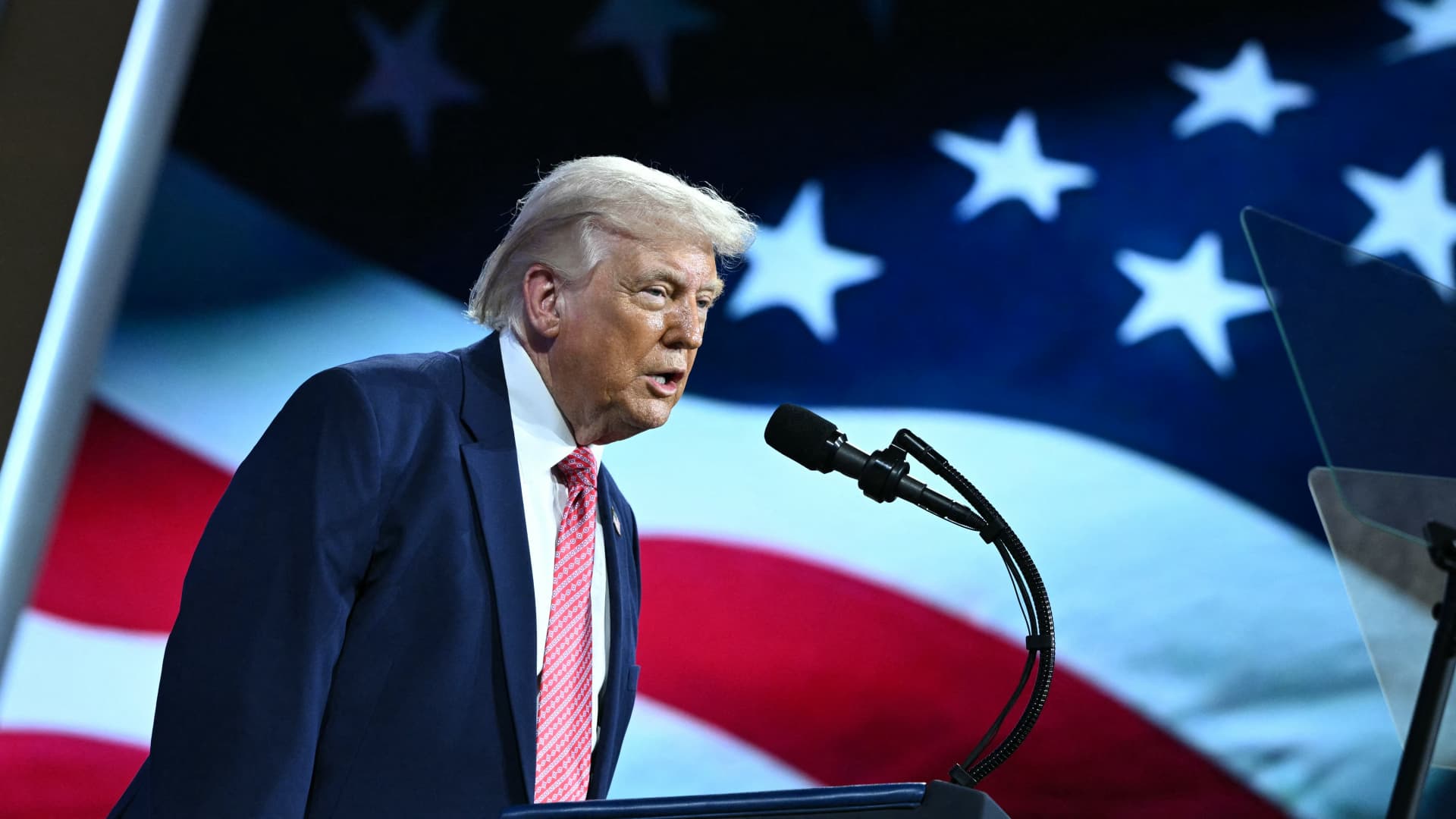
Trump Jokingly Renames Strait of Hormuz to 'Strait of Trump'
- Humorous Remarks: During the Future Investment Initiative Summit in Miami, Trump referred to the Strait of Hormuz as the 'Strait of Trump,' eliciting laughter from the audience, showcasing his humor amidst rising tensions regarding Iran.
- Energy Supply Impact: The Strait of Hormuz is a critical route for the daily transport of 20 million barrels of oil, and Iran's ability to block it has led to historic disruptions in global energy supply and prices, with Trump's comments potentially influencing market perceptions of the region's stability.
- War Situation: Trump noted that the conflict with Iran is poised to enter its second month, claiming that the U.S. has 'obliterated' Iran's military, reflecting an optimistic stance that could affect U.S. foreign policy and military strategy moving forward.
- Naming Controversy: Trump is considering renaming the Strait of Hormuz to 'Strait of Trump' or 'Strait of America,' illustrating his tendency to intertwine his personal brand with national matters, which may provoke widespread public and media discourse.
See More

DFIV Stock Price Analysis and ETF Dynamics

- Price Fluctuation Analysis: DFIV's 52-week low is $34.28 and high is $56.315, with the current trading price at $51.47, indicating price volatility within this range that may influence investor buying decisions.
- Technical Analysis Tool: Comparing the current stock price to the 200-day moving average can provide valuable insights for investors, helping to assess market trends and potential buying opportunities.
- ETF Trading Mechanism: ETFs trade similarly to stocks, where investors are buying and selling 'units' that can be created or destroyed based on demand, impacting the liquidity and market performance of the ETF.
- Inflows and Outflows Monitoring: Weekly monitoring of changes in ETF shares outstanding focuses on notable inflows (new units created) or outflows (old units destroyed), as these changes can affect the performance of the individual stocks held within the ETF.
See More
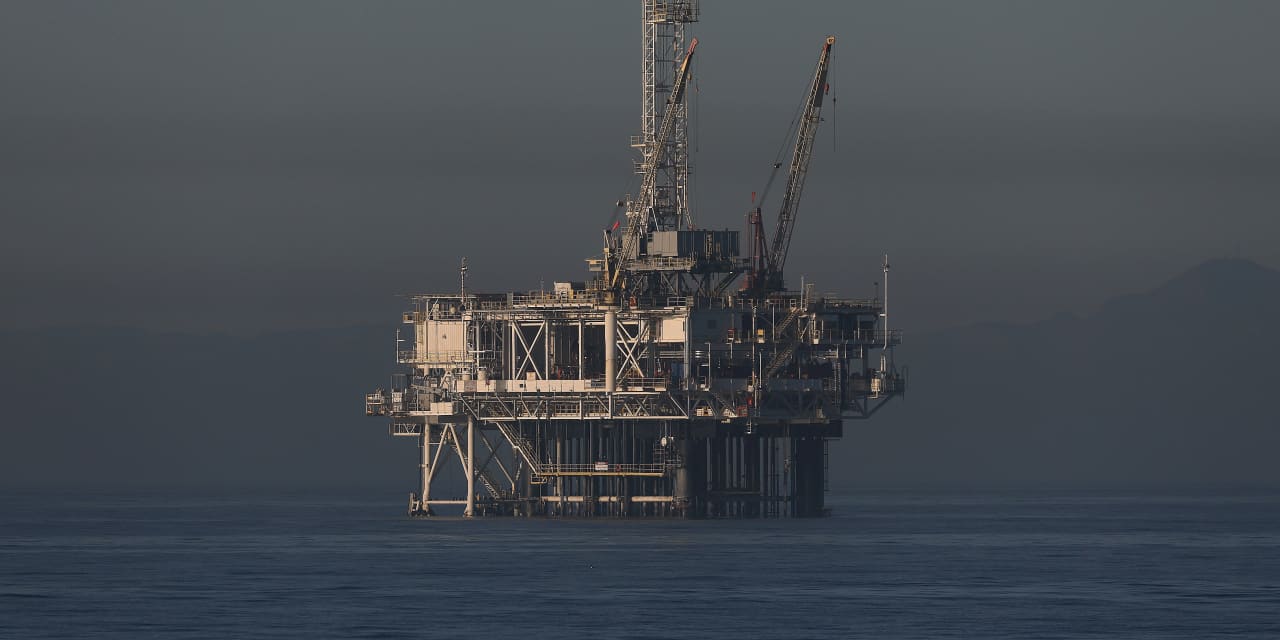
Iran Conflict and U.S. Shale Production Surge Prompt Oil Giants to Explore Distant Markets

- Oil and Gas Companies' Strategy: Companies in the oil and gas sector are increasingly looking for new opportunities beyond the U.S. market.
- Impact of Global Events: The ongoing war in Iran is expected to further accelerate the search for resources in distant regions.
See More

Israeli Airstrike Kills Iranian Naval Commander

- Commander Killed: The Israeli Defense Forces confirmed a precise strike in Bandar Abbas, a strategic location in the Strait of Hormuz, resulting in the death of Iranian naval commander Alireza Tangsiri, which is seen as a significant step towards enhancing regional security.
- Maritime Terrorism Accountability: Israel accused Tangsiri of overseeing maritime terrorism against Middle Eastern countries and U.S. energy infrastructure, demonstrating Israel's determination to counter Iranian naval influence in the region.
- Ongoing Military Actions: Israeli Prime Minister Benjamin Netanyahu stated that the country's forces will continue to strike at targets of the Iranian regime, emphasizing cooperation with the U.S. to achieve common war objectives, indicating an escalation in Israel's military strategy in the region.
- Strait of Hormuz Tensions: Since February 28, shipping traffic through the Strait of Hormuz has virtually halted, with Iran retaliating against vessels attempting to pass through, highlighting the increasingly precarious security situation in the area.
See More

UK Inflation Forecast Raised to 4% Amid Global Turmoil

- Economic Forecast Downgrade: The OECD has raised the UK's inflation forecast for 2023 to 4%, an increase of 1.5 percentage points from previous estimates, indicating significant impacts from global economic turmoil that may lead to decreased consumer spending.
- Dismal Growth Outlook: The OECD has also lowered the UK's growth forecast for 2026 to 0.5%, down 0.5 percentage points from earlier predictions, reflecting severe challenges to economic recovery due to rising international oil and gas prices.
- Energy Price Shock: The ongoing conflict in Iran has disrupted energy supplies, leading to heightened energy price pressures in the UK, with the OECD noting that this will raise costs and exacerbate inflationary pressures, particularly given the UK's heavy reliance on energy imports.
- Monetary Policy Challenges: With inflation on the rise, the Bank of England's anticipated interest rate cuts are now in jeopardy, and economists warn that if the conflict persists, rate hikes may be necessary to combat escalating price pressures.
See More
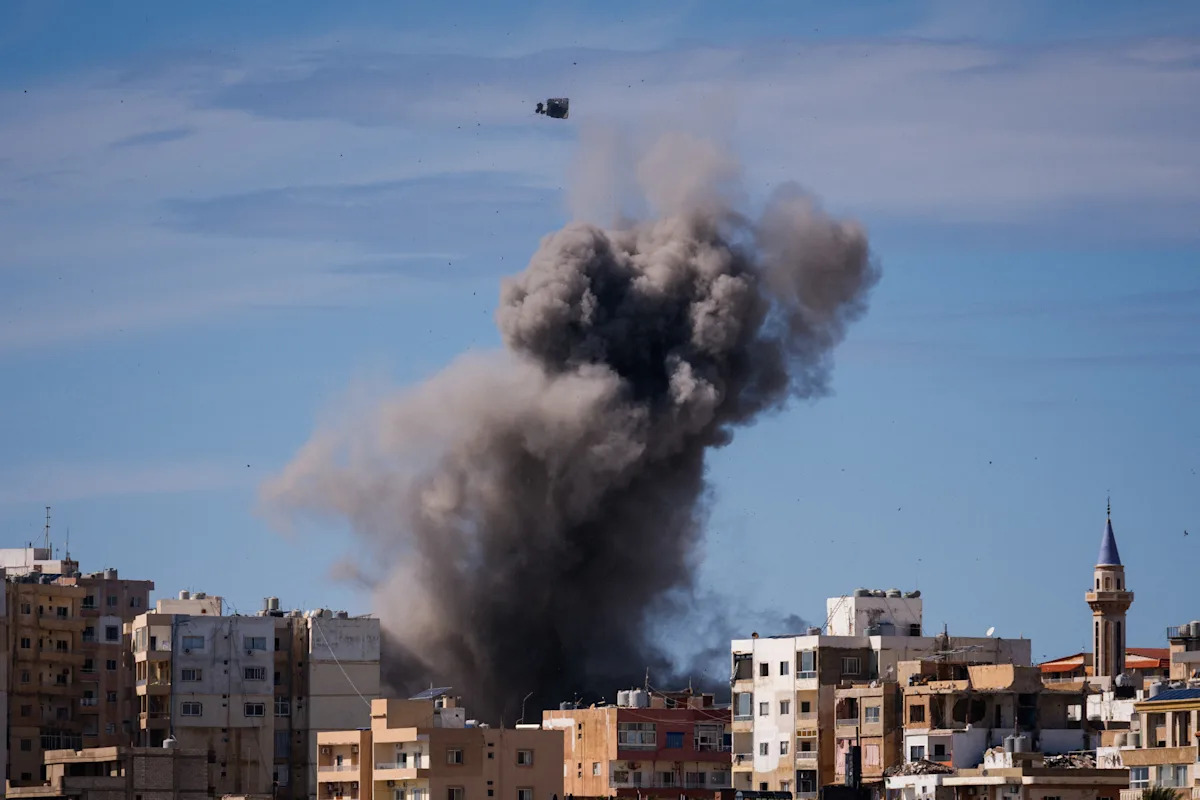
Strait of Hormuz Closure Disrupts Global Oil Market
- Surge in Oil Prices: Since the onset of the Iran war, Brent crude futures have risen approximately 40%, while West Texas Intermediate futures have increased over 30%, indicating heightened market concerns about future supply disruptions that could lead to sustained high prices.
- Historic Disruption: BP's chief economist stated that the closure of the Strait of Hormuz represents the largest disruption in oil market history, with widespread implications that could slow global economic growth, particularly against the backdrop of soaring energy prices, likely influencing policy decisions significantly.
- Supply Chain Restructuring: Analysts suggest that countries will seek to diversify their supply sources to mitigate future crisis impacts, prompting governments and companies to rethink supply chains, inventory buffers, and exposure to geopolitical risks, leading to long-term structural changes in the market.
- Economic Growth Risks: BP's analysis indicates that a 10% rise in oil prices could reduce global economic growth by 0.1% to 0.2%, while the current market's potential 30% to 40% price increase could cut global growth by 1%, posing a significant challenge to economic recovery.
See More
Trump Jokingly Renames Strait of Hormuz to 'Strait of Trump'
- Humorous Remarks: During the Future Investment Initiative Summit in Miami, Trump referred to the Strait of Hormuz as the 'Strait of Trump,' eliciting laughter from the audience, showcasing his humor amidst rising tensions regarding Iran.
- Energy Supply Impact: The Strait of Hormuz is a critical route for the daily transport of 20 million barrels of oil, and Iran's ability to block it has led to historic disruptions in global energy supply and prices, with Trump's comments potentially influencing market perceptions of the region's stability.
- War Situation: Trump noted that the conflict with Iran is poised to enter its second month, claiming that the U.S. has 'obliterated' Iran's military, reflecting an optimistic stance that could affect U.S. foreign policy and military strategy moving forward.
- Naming Controversy: Trump is considering renaming the Strait of Hormuz to 'Strait of Trump' or 'Strait of America,' illustrating his tendency to intertwine his personal brand with national matters, which may provoke widespread public and media discourse.
See More
DFIV Stock Price Analysis and ETF Dynamics
- Price Fluctuation Analysis: DFIV's 52-week low is $34.28 and high is $56.315, with the current trading price at $51.47, indicating price volatility within this range that may influence investor buying decisions.
- Technical Analysis Tool: Comparing the current stock price to the 200-day moving average can provide valuable insights for investors, helping to assess market trends and potential buying opportunities.
- ETF Trading Mechanism: ETFs trade similarly to stocks, where investors are buying and selling 'units' that can be created or destroyed based on demand, impacting the liquidity and market performance of the ETF.
- Inflows and Outflows Monitoring: Weekly monitoring of changes in ETF shares outstanding focuses on notable inflows (new units created) or outflows (old units destroyed), as these changes can affect the performance of the individual stocks held within the ETF.
See More
Iran Conflict and U.S. Shale Production Surge Prompt Oil Giants to Explore Distant Markets
- Oil and Gas Companies' Strategy: Companies in the oil and gas sector are increasingly looking for new opportunities beyond the U.S. market.
- Impact of Global Events: The ongoing war in Iran is expected to further accelerate the search for resources in distant regions.
See More
Israeli Airstrike Kills Iranian Naval Commander
- Commander Killed: The Israeli Defense Forces confirmed a precise strike in Bandar Abbas, a strategic location in the Strait of Hormuz, resulting in the death of Iranian naval commander Alireza Tangsiri, which is seen as a significant step towards enhancing regional security.
- Maritime Terrorism Accountability: Israel accused Tangsiri of overseeing maritime terrorism against Middle Eastern countries and U.S. energy infrastructure, demonstrating Israel's determination to counter Iranian naval influence in the region.
- Ongoing Military Actions: Israeli Prime Minister Benjamin Netanyahu stated that the country's forces will continue to strike at targets of the Iranian regime, emphasizing cooperation with the U.S. to achieve common war objectives, indicating an escalation in Israel's military strategy in the region.
- Strait of Hormuz Tensions: Since February 28, shipping traffic through the Strait of Hormuz has virtually halted, with Iran retaliating against vessels attempting to pass through, highlighting the increasingly precarious security situation in the area.
See More
UK Inflation Forecast Raised to 4% Amid Global Turmoil
- Economic Forecast Downgrade: The OECD has raised the UK's inflation forecast for 2023 to 4%, an increase of 1.5 percentage points from previous estimates, indicating significant impacts from global economic turmoil that may lead to decreased consumer spending.
- Dismal Growth Outlook: The OECD has also lowered the UK's growth forecast for 2026 to 0.5%, down 0.5 percentage points from earlier predictions, reflecting severe challenges to economic recovery due to rising international oil and gas prices.
- Energy Price Shock: The ongoing conflict in Iran has disrupted energy supplies, leading to heightened energy price pressures in the UK, with the OECD noting that this will raise costs and exacerbate inflationary pressures, particularly given the UK's heavy reliance on energy imports.
- Monetary Policy Challenges: With inflation on the rise, the Bank of England's anticipated interest rate cuts are now in jeopardy, and economists warn that if the conflict persists, rate hikes may be necessary to combat escalating price pressures.
See More
Strait of Hormuz Closure Disrupts Global Oil Market
- Surge in Oil Prices: Since the onset of the Iran war, Brent crude futures have risen approximately 40%, while West Texas Intermediate futures have increased over 30%, indicating heightened market concerns about future supply disruptions that could lead to sustained high prices.
- Historic Disruption: BP's chief economist stated that the closure of the Strait of Hormuz represents the largest disruption in oil market history, with widespread implications that could slow global economic growth, particularly against the backdrop of soaring energy prices, likely influencing policy decisions significantly.
- Supply Chain Restructuring: Analysts suggest that countries will seek to diversify their supply sources to mitigate future crisis impacts, prompting governments and companies to rethink supply chains, inventory buffers, and exposure to geopolitical risks, leading to long-term structural changes in the market.
- Economic Growth Risks: BP's analysis indicates that a 10% rise in oil prices could reduce global economic growth by 0.1% to 0.2%, while the current market's potential 30% to 40% price increase could cut global growth by 1%, posing a significant challenge to economic recovery.
See More