Trump Considers Bailout for Spirit Airlines Amid Financial Struggles
Written by Emily J. Thompson, Senior Investment Analyst
Updated: 3 days ago
0mins


Should l Buy JBLU?
Source: CNBC
- Government Bailout Possibility: Trump indicated that the government might bail out Spirit Airlines by providing a $500 million loan in exchange for a 90% equity stake, aiming to protect jobs in the airline industry and enhance competition.
- Increased Operating Losses: Spirit reported an operating loss of $28.3 million in February, and with recent surges in fuel prices, its financial situation is expected to worsen, forcing the company to cut flights and shrink its fleet to survive.
- Merger Challenges: The Trump administration criticized the Biden administration for blocking JetBlue's acquisition of Spirit, arguing that this decision has further weakened Spirit's financial standing and could impact future industry consolidation.
- Industry Reactions: Low-cost carriers met with the Transportation Secretary to discuss the impact of soaring fuel costs, and analysts suggest that Spirit's potential bailout could set a precedent for other airlines seeking government assistance, reflecting the overall fragility of the industry.
Trade with 70% Backtested Accuracy
Stop guessing "Should I Buy JBLU?" and start using high-conviction signals backed by rigorous historical data.
Sign up today to access powerful investing tools and make smarter, data-driven decisions.
Analyst Views on JBLU
Wall Street analysts forecast JBLU stock price to fall
10 Analyst Rating
0 Buy
5 Hold
5 Sell
Moderate Sell
Current: 4.940

Low
3.50
Averages
4.69
High
7.00
Current: 4.940
Low
3.50
Averages
4.69
High
7.00
About JBLU
JetBlue Airways Corporation provides air transportation services across the United States, Latin America, the Caribbean, Canada, and Europe. The Company offers customers a choice of one of three JetBlue experiences: the core experience, EvenMore and Mint. Within the core experience, there are four fares to choose from: Blue Basic, Blue, Blue Plus, and Blue Extra. All JetBlue fares include a free carry-on bag, free seatback entertainment, free high-speed Wi-Fi, free snacks, and free non-alcoholic beverages. Its entire fleet is equipped with Fly-Fi, a broadband product that allows gate-to-gate Wi-Fi at every seat. It also offers seatback screens across its fleet, with AVANT systems installed on the majority of its aircraft. The Company also sells vacation packages through its subsidiary, Paisly, LLC, which offers one-stop, value-priced vacation services for self-directed packaged travel planning.
About the author

Emily J. Thompson
Emily J. Thompson, a Chartered Financial Analyst (CFA) with 12 years in investment research, graduated with honors from the Wharton School. Specializing in industrial and technology stocks, she provides in-depth analysis for Intellectia’s earnings and market brief reports.
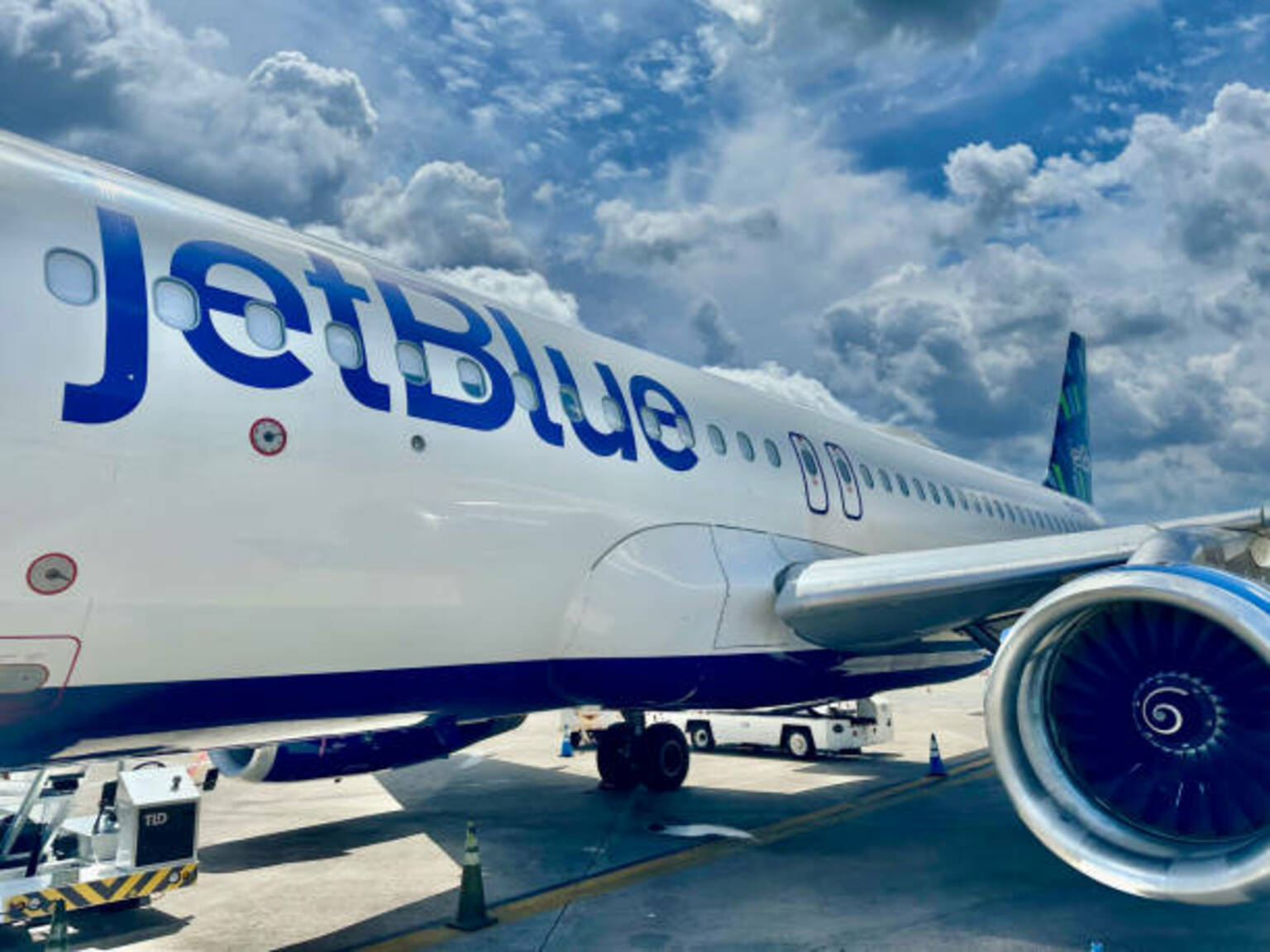
JetBlue Airways Q1 Earnings Analysis
- Revenue Growth: JetBlue Airways reported a 4.7% year-over-year revenue increase to $2.24 billion in Q1, aligning with market expectations, indicating stable performance in a competitive airline market.
- Rising Operating Costs: Operating expenses per available seat mile rose by 8.3% year-over-year, while operating revenue per available seat mile increased only by 6.5%, putting pressure on profitability and highlighting challenges in cost control.
- Fuel Price Volatility: The average fuel price surged by 15.2% in Q1, with the company expecting to recapture 30% to 40% of fuel costs in Q2, demonstrating its focus on effective cost management and adaptability.
- Strong Liquidity Position: JetBlue ended the quarter with $2.4 billion in liquidity, representing 26% of trailing twelve-month revenue, significantly above the target of 17% to 20%, showcasing the company's financial robustness and risk management capabilities.
See More

Mixed Earnings Reports from Major Companies

- General Motors Beats Expectations: General Motors reported adjusted earnings of $3.70 per share for Q1, significantly above the $2.62 expected by analysts, and raised its 2026 guidance, resulting in a stock price increase of over 5%.
- Coca-Cola's Strong Earnings: Coca-Cola's quarterly earnings of 86 cents per share and revenue of $12.47 billion exceeded analyst expectations, leading to a 2% stock price increase, indicating robust market demand and brand strength.
- Spotify's Weak Guidance: Spotify's first-quarter operating income guidance fell short of expectations, causing its stock to drop nearly 12%, despite revenue meeting forecasts, reflecting market concerns about its future growth prospects.
- Bed Bath & Beyond Soars: The company reported Q1 revenue of $247.8 million, surpassing the $240.1 million expected by analysts, resulting in a 25% stock price surge, showcasing its potential recovery in a competitive retail environment.
See More
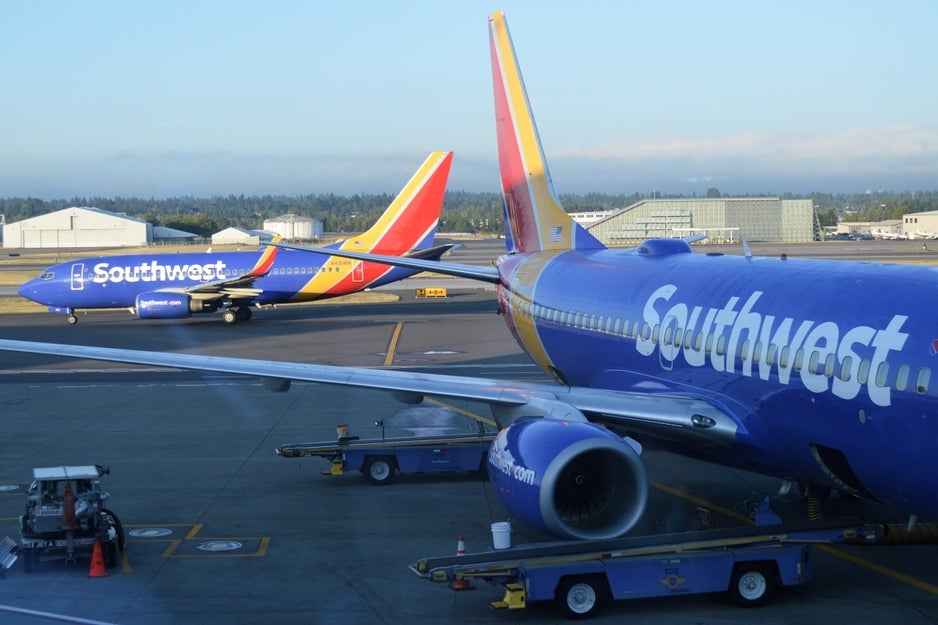
JetBlue Reports Increased Q1 Loss Amid Rising Fuel Costs
- Increased Loss: JetBlue reported a net loss of $319 million in Q1, translating to $0.86 per share, which is a significant increase from the $208 million loss or $0.59 per share a year earlier, highlighting the financial strain under rising fuel costs.
- Surging Fuel Costs: The conflict in Iran has nearly doubled jet fuel prices, putting immense pressure on operating costs, which typically account for 20-25% of total expenses, exacerbating the airline's financial challenges.
- Mitigation Strategies: The airline aims to recover 30% to 40% of increased fuel costs in Q2, with full recovery expected by early 2027, although high fuel prices threaten to derail its turnaround efforts initiated in 2024, particularly in cost control and route optimization.
- Financing Support: JetBlue recently secured a $500 million debt financing commitment backed by up to 22 aircraft, with an option to raise an additional $250 million using more planes as collateral, indicating a relatively stable liquidity position amidst financial pressures.
See More
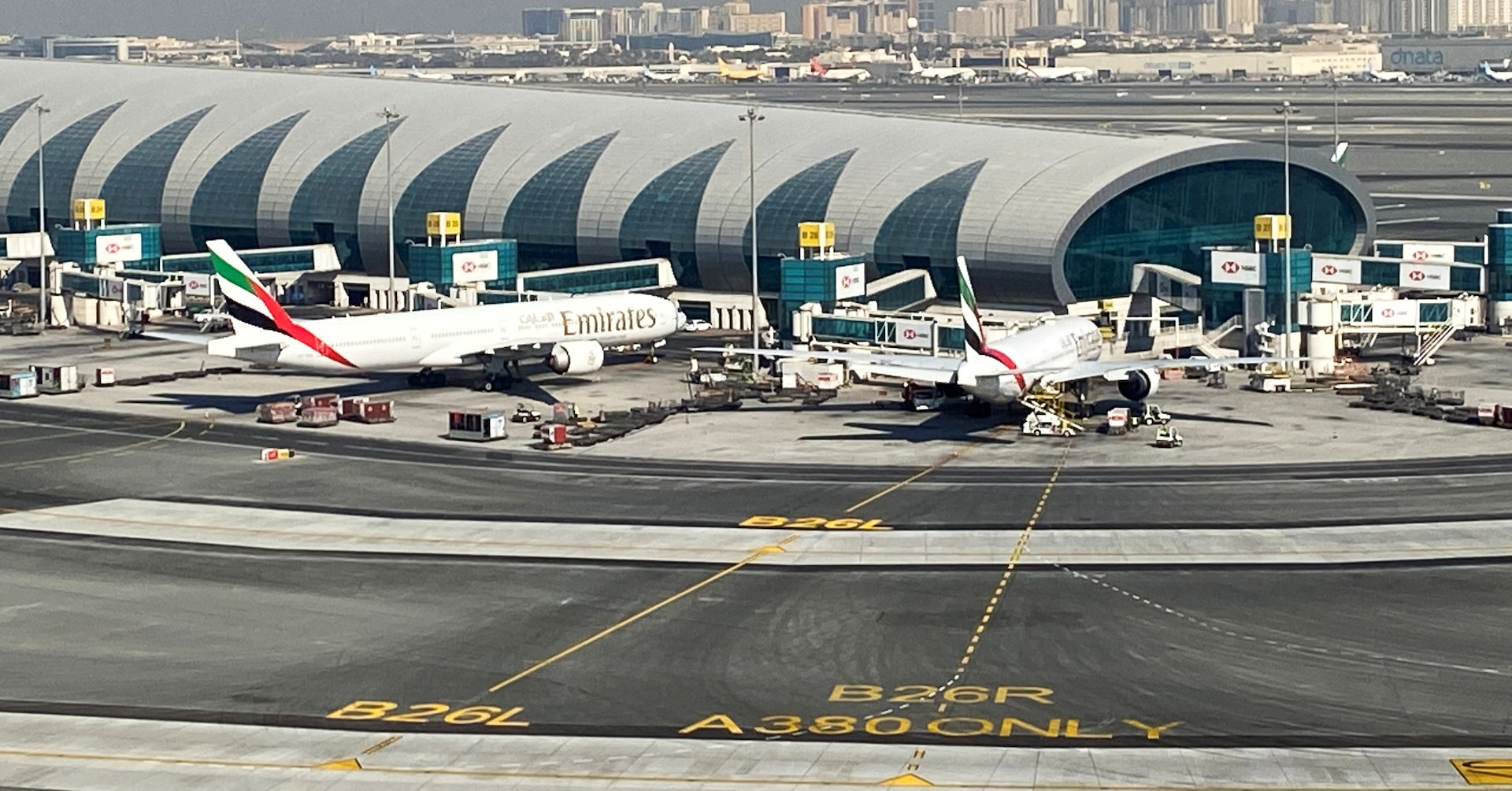
JetBlue Airways Q1 2026 Earnings Analysis
- Earnings Performance: JetBlue reported a Q1 non-GAAP EPS of -$0.87, missing estimates by $0.14, indicating pressure on profitability that could affect investor confidence.
- Revenue Growth: The airline's revenue reached $2.24 billion, up 4.7% year-over-year, aligning with expectations and demonstrating stability in the market despite rising costs.
- Rising Operating Costs: Operating expenses per available seat mile (CASM) increased by 8.3% year-over-year, while CASM ex-Fuel rose by 6.6%, primarily due to operational disruptions, which may weaken future profitability.
- Future Outlook: For Q2, available seat miles (ASMs) are expected to grow by 1.5%-4.5%, with unit revenue (RASM) projected to increase by 7.0%-11.0%, reflecting strong demand in key markets like Fort Lauderdale, potentially supporting future performance.
See More

SpaceX Plans IPO Targeting $2 Trillion Valuation

- IPO Plans and Market Expectations: SpaceX filed confidentially for an IPO in early April, aiming to shatter market records with a target valuation of up to $2 trillion and raising as much as $75 billion, reflecting high market anticipation for its future potential.
- Valuation Risks: With revenue of approximately $15.5 billion to $16 billion last year, SpaceX could debut with a price-to-sales ratio exceeding 100, far surpassing any stock in the S&P 500, indicating the extreme nature of its valuation and potential market pressure.
- Technological Leadership: Widely regarded as a leader in modern rocket technology, SpaceX has significantly reduced costs through reusable rockets, while its Starlink satellite internet division dominates the industry, serving as the primary source of the company's revenue.
- Comparison with Amazon: While SpaceX excels in space technology, Amazon's competitive edge in satellite internet is strengthening, particularly with its Leo project nearing commercialization, and its substantial investments in AI present a more attractive growth potential.
See More

SpaceX Targets $2 Trillion Valuation for Upcoming IPO
- IPO Valuation Target: SpaceX is aiming for a valuation of up to $2 trillion in its upcoming IPO, which would result in a price-to-sales ratio exceeding 100 based on last year's revenue of approximately $15.5 billion to $16 billion, indicating strong market expectations for its future growth.
- Competitor Analysis: Amazon's Leo project is seen as the closest competitor to Starlink, and while it currently generates minimal revenue during its testing phase, its imminent commercial service could pose a threat to SpaceX's market share, particularly in the in-flight Wi-Fi sector.
- Market Outlook and Risks: Despite SpaceX's leadership in rocket technology and satellite internet, its high valuation may pressure its stock price post-IPO, prompting investors to carefully assess its sustainability, especially when compared to Amazon.
- Amazon's Advantages: With a current market cap of $2.8 trillion and a net income of $77.7 billion, Amazon significantly outperforms SpaceX's revenue, and its dominance in e-commerce and cloud computing makes it a more attractive investment option, particularly given its potential in AI investments.
See More
JetBlue Airways Q1 Earnings Analysis
- Revenue Growth: JetBlue Airways reported a 4.7% year-over-year revenue increase to $2.24 billion in Q1, aligning with market expectations, indicating stable performance in a competitive airline market.
- Rising Operating Costs: Operating expenses per available seat mile rose by 8.3% year-over-year, while operating revenue per available seat mile increased only by 6.5%, putting pressure on profitability and highlighting challenges in cost control.
- Fuel Price Volatility: The average fuel price surged by 15.2% in Q1, with the company expecting to recapture 30% to 40% of fuel costs in Q2, demonstrating its focus on effective cost management and adaptability.
- Strong Liquidity Position: JetBlue ended the quarter with $2.4 billion in liquidity, representing 26% of trailing twelve-month revenue, significantly above the target of 17% to 20%, showcasing the company's financial robustness and risk management capabilities.
See More
Mixed Earnings Reports from Major Companies
- General Motors Beats Expectations: General Motors reported adjusted earnings of $3.70 per share for Q1, significantly above the $2.62 expected by analysts, and raised its 2026 guidance, resulting in a stock price increase of over 5%.
- Coca-Cola's Strong Earnings: Coca-Cola's quarterly earnings of 86 cents per share and revenue of $12.47 billion exceeded analyst expectations, leading to a 2% stock price increase, indicating robust market demand and brand strength.
- Spotify's Weak Guidance: Spotify's first-quarter operating income guidance fell short of expectations, causing its stock to drop nearly 12%, despite revenue meeting forecasts, reflecting market concerns about its future growth prospects.
- Bed Bath & Beyond Soars: The company reported Q1 revenue of $247.8 million, surpassing the $240.1 million expected by analysts, resulting in a 25% stock price surge, showcasing its potential recovery in a competitive retail environment.
See More
JetBlue Reports Increased Q1 Loss Amid Rising Fuel Costs
- Increased Loss: JetBlue reported a net loss of $319 million in Q1, translating to $0.86 per share, which is a significant increase from the $208 million loss or $0.59 per share a year earlier, highlighting the financial strain under rising fuel costs.
- Surging Fuel Costs: The conflict in Iran has nearly doubled jet fuel prices, putting immense pressure on operating costs, which typically account for 20-25% of total expenses, exacerbating the airline's financial challenges.
- Mitigation Strategies: The airline aims to recover 30% to 40% of increased fuel costs in Q2, with full recovery expected by early 2027, although high fuel prices threaten to derail its turnaround efforts initiated in 2024, particularly in cost control and route optimization.
- Financing Support: JetBlue recently secured a $500 million debt financing commitment backed by up to 22 aircraft, with an option to raise an additional $250 million using more planes as collateral, indicating a relatively stable liquidity position amidst financial pressures.
See More
JetBlue Airways Q1 2026 Earnings Analysis
- Earnings Performance: JetBlue reported a Q1 non-GAAP EPS of -$0.87, missing estimates by $0.14, indicating pressure on profitability that could affect investor confidence.
- Revenue Growth: The airline's revenue reached $2.24 billion, up 4.7% year-over-year, aligning with expectations and demonstrating stability in the market despite rising costs.
- Rising Operating Costs: Operating expenses per available seat mile (CASM) increased by 8.3% year-over-year, while CASM ex-Fuel rose by 6.6%, primarily due to operational disruptions, which may weaken future profitability.
- Future Outlook: For Q2, available seat miles (ASMs) are expected to grow by 1.5%-4.5%, with unit revenue (RASM) projected to increase by 7.0%-11.0%, reflecting strong demand in key markets like Fort Lauderdale, potentially supporting future performance.
See More
SpaceX Plans IPO Targeting $2 Trillion Valuation
- IPO Plans and Market Expectations: SpaceX filed confidentially for an IPO in early April, aiming to shatter market records with a target valuation of up to $2 trillion and raising as much as $75 billion, reflecting high market anticipation for its future potential.
- Valuation Risks: With revenue of approximately $15.5 billion to $16 billion last year, SpaceX could debut with a price-to-sales ratio exceeding 100, far surpassing any stock in the S&P 500, indicating the extreme nature of its valuation and potential market pressure.
- Technological Leadership: Widely regarded as a leader in modern rocket technology, SpaceX has significantly reduced costs through reusable rockets, while its Starlink satellite internet division dominates the industry, serving as the primary source of the company's revenue.
- Comparison with Amazon: While SpaceX excels in space technology, Amazon's competitive edge in satellite internet is strengthening, particularly with its Leo project nearing commercialization, and its substantial investments in AI present a more attractive growth potential.
See More
SpaceX Targets $2 Trillion Valuation for Upcoming IPO
- IPO Valuation Target: SpaceX is aiming for a valuation of up to $2 trillion in its upcoming IPO, which would result in a price-to-sales ratio exceeding 100 based on last year's revenue of approximately $15.5 billion to $16 billion, indicating strong market expectations for its future growth.
- Competitor Analysis: Amazon's Leo project is seen as the closest competitor to Starlink, and while it currently generates minimal revenue during its testing phase, its imminent commercial service could pose a threat to SpaceX's market share, particularly in the in-flight Wi-Fi sector.
- Market Outlook and Risks: Despite SpaceX's leadership in rocket technology and satellite internet, its high valuation may pressure its stock price post-IPO, prompting investors to carefully assess its sustainability, especially when compared to Amazon.
- Amazon's Advantages: With a current market cap of $2.8 trillion and a net income of $77.7 billion, Amazon significantly outperforms SpaceX's revenue, and its dominance in e-commerce and cloud computing makes it a more attractive investment option, particularly given its potential in AI investments.
See More