Travel Demand Rises Despite Fuel Prices—Should You Invest in Airline Stocks?

Airline Revenue Outlook: Major airlines, including Delta and American Airlines, have reported stronger-than-expected travel demand, leading to optimistic revenue forecasts for the first quarter despite recent challenges such as rising fuel costs and flight disruptions.
Stock Performance: Airline stocks have faced pressure due to increased oil prices and operational challenges, but analysts remain bullish on Delta's stock, with a majority rating it as a "Buy" based on solid demand projections.
Fuel Cost Concerns: Airlines are grappling with higher jet fuel costs, which are expected to impact earnings. Delta anticipates fuel prices to average around $3.00 per gallon, which is higher than previous estimates.
Market Sentiment: Despite the challenges, travel demand remains robust, and analysts suggest that the current dip in airline stocks may present buying opportunities for investors, as the sector is expected to recover and grow in the long term.
Trade with 70% Backtested Accuracy
Analyst Views on DAL

About DAL
About the author

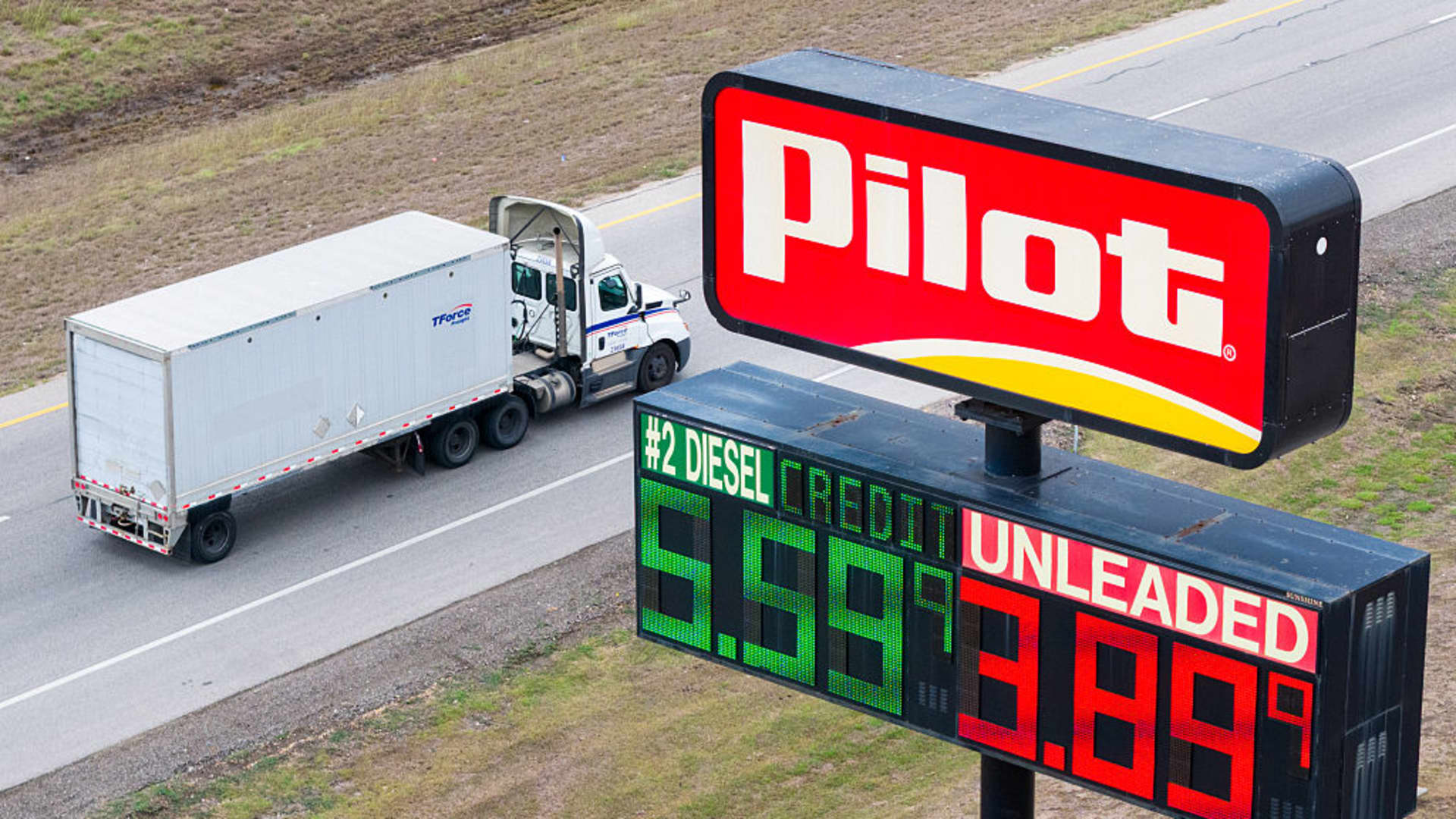
Surge in U.S. Fuel Prices Impacts Economy

- Profit Margin Squeeze: The ongoing U.S.-Iran war has driven diesel prices to historic highs, causing College Hunks Hauling Junk's operating costs to rise from a historical 3-5% to 6-10%, severely compressing profit margins and forcing the company into a pricing dilemma.
- Consumer Spending Constraints: Rising fuel prices are impacting discretionary spending, with economists noting that consumers are likely to cut back on non-essential items first, which could slow overall economic growth and put more pressure on small businesses.
- Airlines Adjust Pricing: Major airlines like United Airlines and JetBlue have begun raising baggage fees to cope with rising operating costs, reflecting the flexibility of larger companies in adjusting prices, while smaller businesses face greater survival pressures.
- Policy Response Limitations: The Federal Reserve has not indicated a willingness to lower interest rates to stimulate the economy, with market expectations leaning towards potential rate hikes, further increasing financing costs for businesses and consumers and exacerbating economic uncertainty.

United Airlines Introduces New Luxury Fare Tiers


- New Fare Strategy: United Airlines is launching a 'Base' Polaris fare that includes lie-flat seats in long-haul business class but charges extra for seat selection, aiming to attract luxury-seeking travelers on a budget and expand its share in the premium market.
- Baggage and Lounge Policy: The new fare includes only one checked bag and access to the standard United Club lounge instead of the upscale Polaris lounge, reflecting the airline's balance between offering luxury experiences and controlling costs.
- Intensified Market Competition: With United upgrading its Polaris class to include new suites with sliding doors and larger screens, it signals a rapid push to capture high-end customers, likely prompting similar moves from competitors in the industry.
- Economy Class Adjustments: United is also planning similar segmentation for its Premium Plus class, set to launch in specific markets this month, further enhancing its competitiveness in the high-end travel sector.
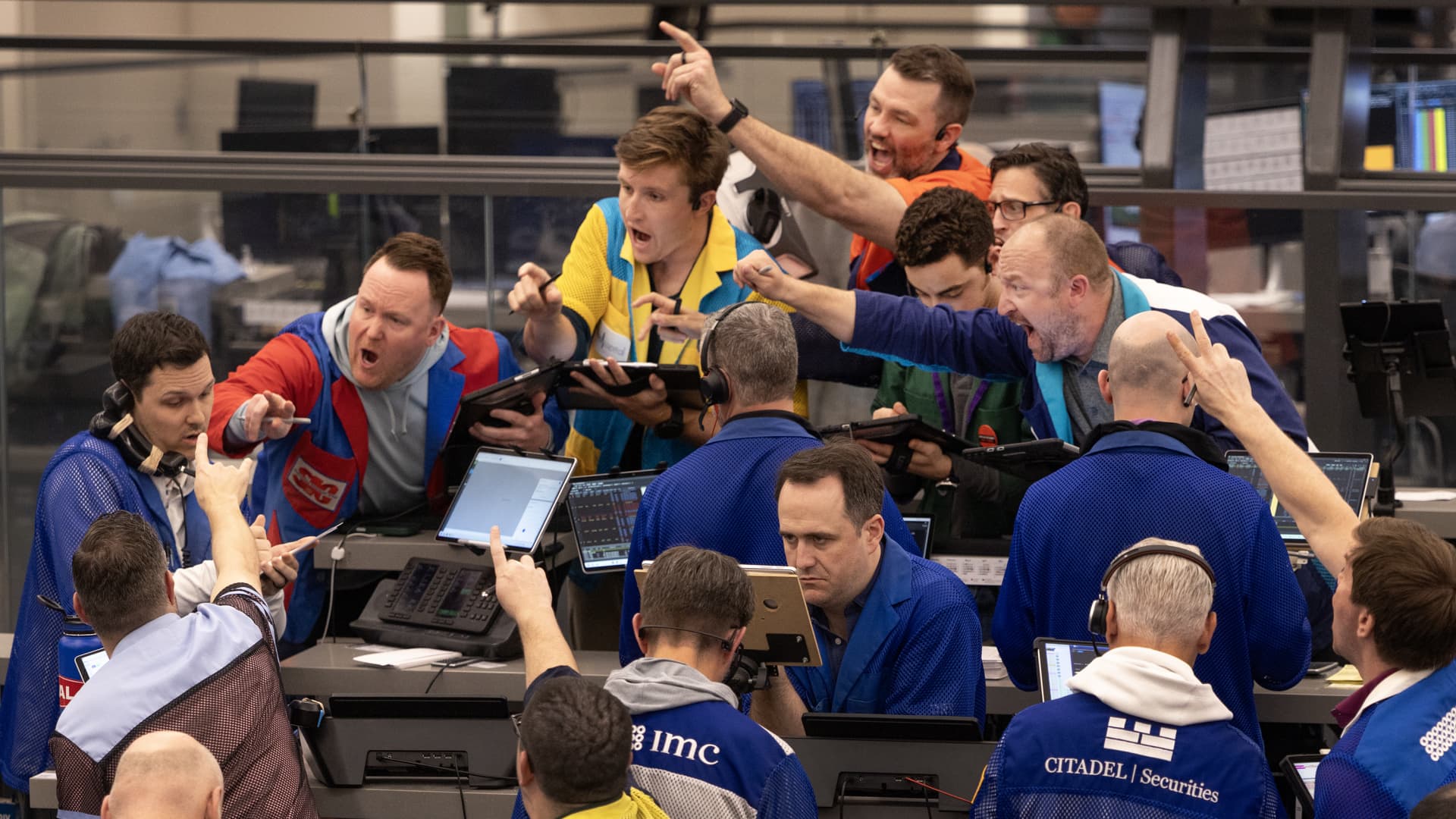
Investors Optimistic as Market Stages Strong Comeback


- Market Rebound Signal: The S&P 500 index rose 3.4% by the end of the holiday-shortened week, marking its best performance since May, indicating increased investor confidence in a market rebound despite fluctuations on Thursday.
- Oil Price Impact Analysis: With U.S. gasoline prices surpassing $4 per gallon, concerns about future inflation have intensified, particularly as the conflict in the Strait of Hormuz has driven up key commodity prices, and the upcoming consumer price index is expected to reflect the war's economic impact.
- Market Risk Warning: Despite the rebound, Siebert Financial's investment chief Mark Malek cautioned that current volatility is not over, advising investors to be cautious with short-term trades, especially during the holiday weekend when ground military actions could escalate.
- Future Data Outlook: Next week will bring significant economic data, including the March consumer price index, which is expected to jump from 2.4% to 3.1%, serving as the first key indicator to assess the war's impact, prompting market participants to closely monitor these figures to adjust their investment strategies.
US Stocks Close Mixed Amid Oil Surge and Economic Data


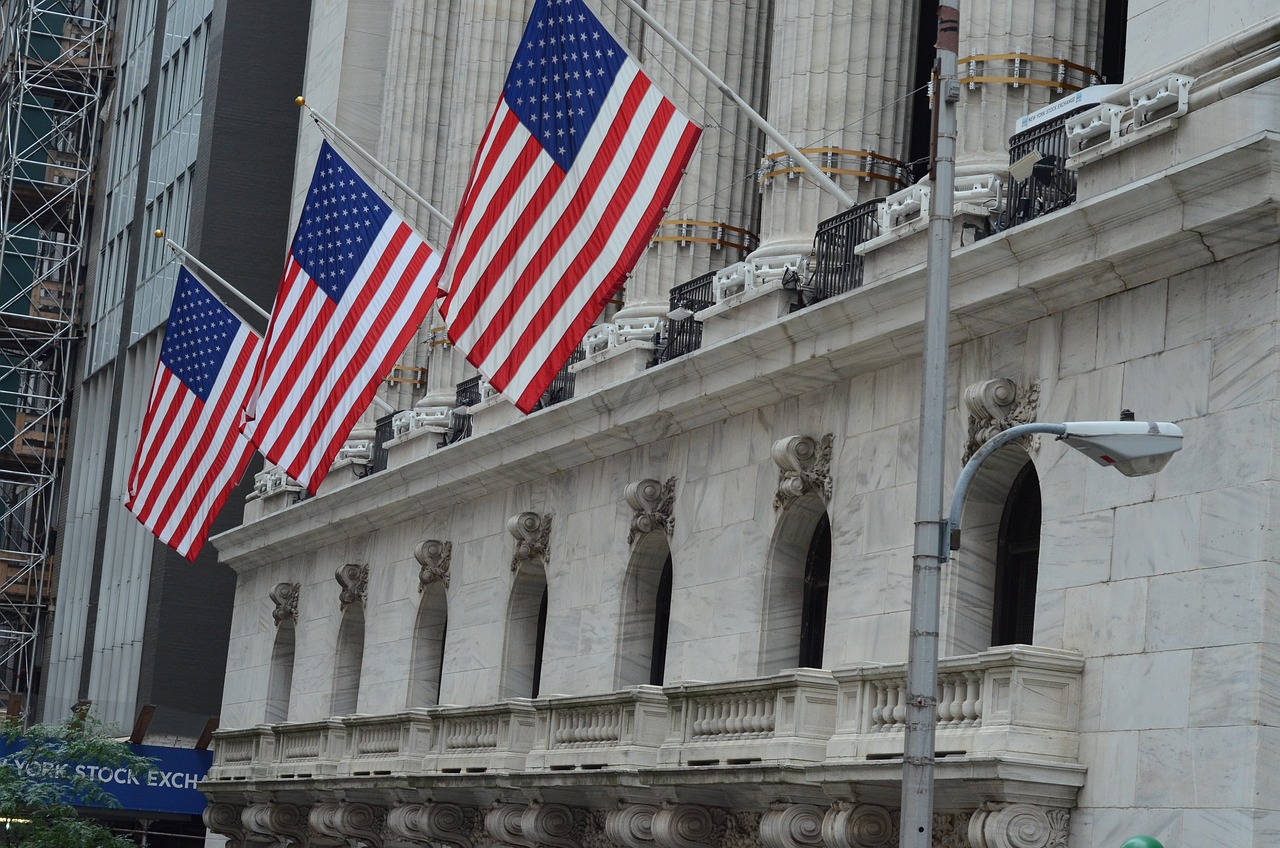
- Market Fluctuations: The S&P 500 Index closed up 0.11%, while the Dow Jones Industrial Average fell 0.13%, and the Nasdaq 100 Index rose 0.11%, reflecting volatility influenced by surging oil prices and economic data.
- Positive Economic Data: Weekly initial unemployment claims unexpectedly fell by 9,000 to 202,000, indicating a stronger labor market than the anticipated increase to 212,000, which could impact the Fed's interest rate policy.
- Impact of Oil Surge: Crude oil prices soared over 11% due to President Trump's tougher stance on Iran, leading to sharp declines in airline and cruise line stocks, with United Airlines and Carnival both down more than 3%.
- Corporate Developments: SBA Communications surged over 18% as it explores potential acquisition options, while Globalstar rose over 13% amid reports of Amazon's interest in acquiring the company, highlighting market focus on M&A activity.
Market Focus on Iran Situation and Earnings Reports

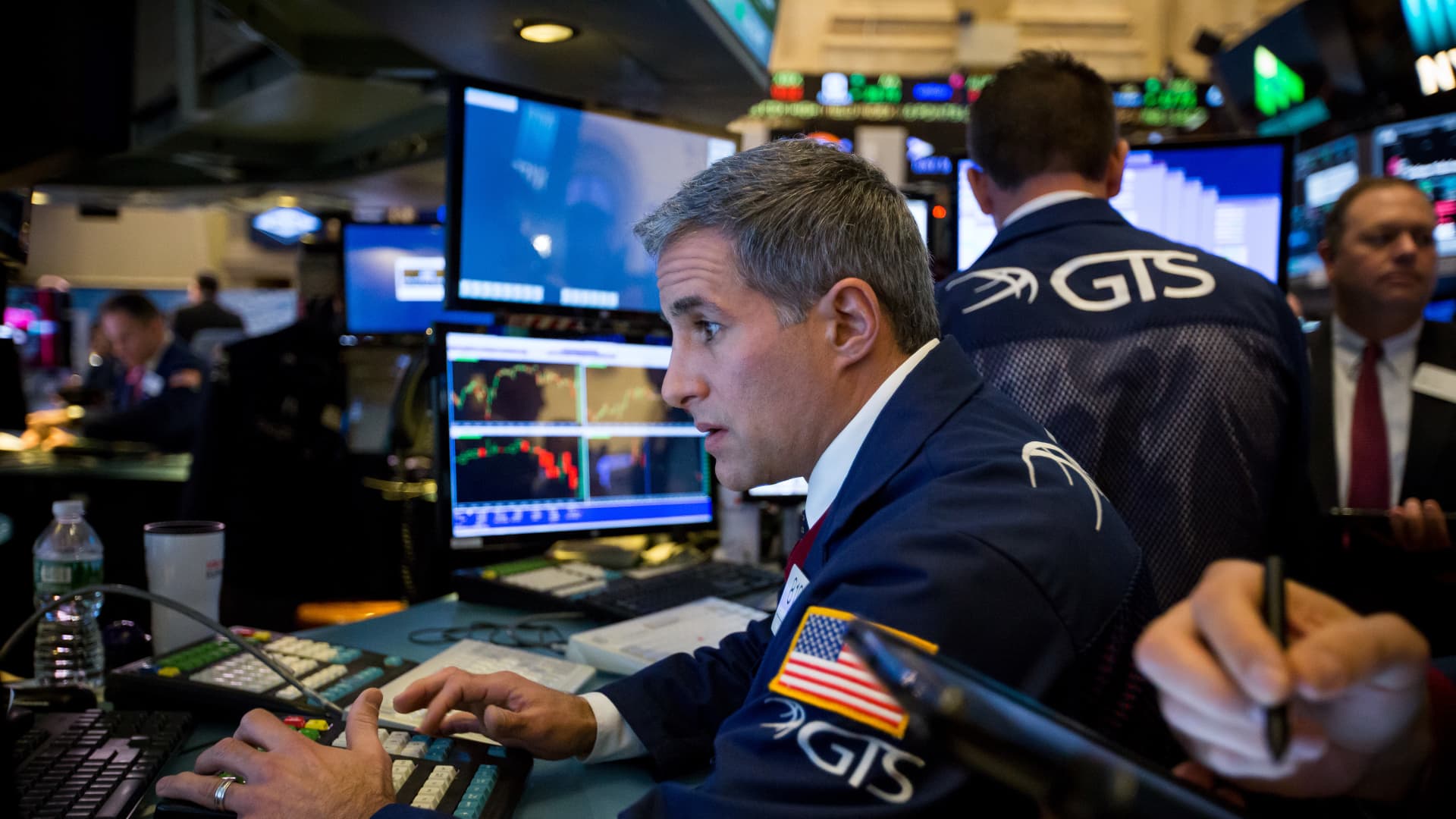
- Market Rally: Following reports that Iran is collaborating with Oman to monitor Hormuz Strait traffic, the S&P 500 rose 3.4% and the Nasdaq Composite climbed 4.4% during the holiday-shortened trading week, marking an end to a five-week losing streak and reflecting investor optimism about the situation.
- Earnings Focus: Levi Strauss is set to report quarterly results after the close on Tuesday, and despite consistently delivering strong earnings, its stock has fallen over 8% year-to-date, indicating market undervaluation; Cramer believes CEO Gass will again post 'more than respectable earnings'.
- Airline Outlook: Delta Air Lines will report before Wednesday's opening bell, with Cramer noting its strong performance among airlines and positive comments from CEO Bastian about ongoing demand, but he cautions that prolonged U.S.-Iran conflict could negatively impact the company's numbers.
- Economic Data Release: Core Personal Consumption Expenditures (PCE) deflator and Consumer Price Index (CPI) will be released on Thursday and Friday, respectively, with Cramer highlighting PCE as Fed Chair Powell's preferred inflation gauge, urging investors to monitor these data for potential market impacts.
Market Volatility and Surge in Oil Prices


- Surge in Oil Prices: President Trump's address indicated a hardline U.S. stance on Iran, causing WTI crude prices to exceed $110 per barrel, reflecting market concerns over Middle Eastern tensions that could impact global economic recovery.
- Brief Market Rebound: Despite rising oil prices, stocks briefly turned positive due to reports of Iran drafting a plan with Oman to monitor the Strait of Hormuz, yet this rebound was short-lived, highlighting the fragility of market sentiment.
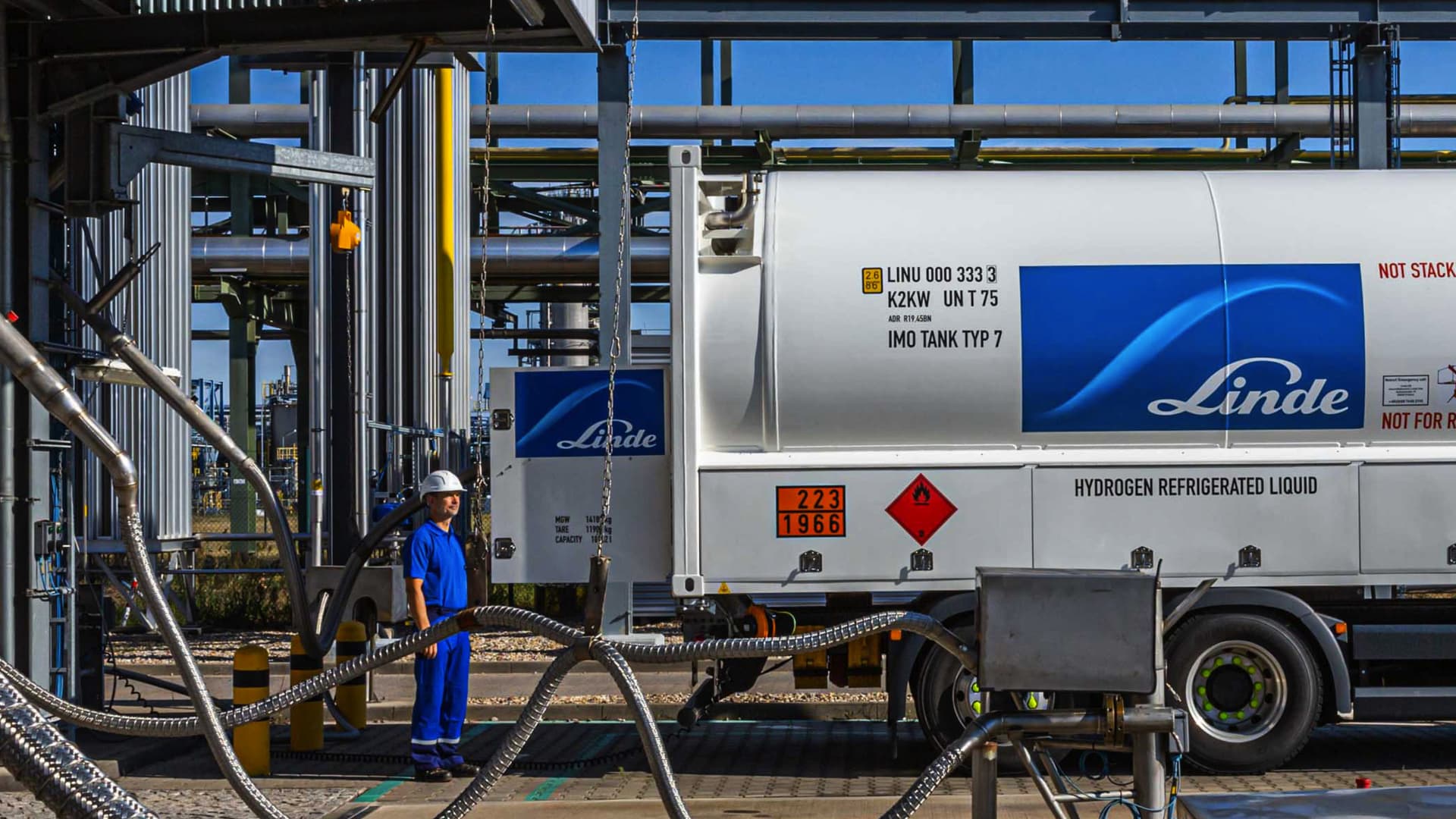
- Helium Supply Chain Disruption: The Wall Street Journal noted that the war has disrupted helium supply chains in Qatar, with Linde and Air Products identified as beneficiaries, although Linde faces challenges due to its smaller helium revenue share compared to Air Products.
- Upcoming Economic Data: While the stock market is closed for Good Friday, attention will turn to the March jobs report, with economists predicting an addition of 60,000 jobs and an unchanged unemployment rate of 4.4%, which will influence market expectations for economic recovery.
Surge in U.S. Fuel Prices Impacts Economy
- Profit Margin Squeeze: The ongoing U.S.-Iran war has driven diesel prices to historic highs, causing College Hunks Hauling Junk's operating costs to rise from a historical 3-5% to 6-10%, severely compressing profit margins and forcing the company into a pricing dilemma.
- Consumer Spending Constraints: Rising fuel prices are impacting discretionary spending, with economists noting that consumers are likely to cut back on non-essential items first, which could slow overall economic growth and put more pressure on small businesses.
- Airlines Adjust Pricing: Major airlines like United Airlines and JetBlue have begun raising baggage fees to cope with rising operating costs, reflecting the flexibility of larger companies in adjusting prices, while smaller businesses face greater survival pressures.
- Policy Response Limitations: The Federal Reserve has not indicated a willingness to lower interest rates to stimulate the economy, with market expectations leaning towards potential rate hikes, further increasing financing costs for businesses and consumers and exacerbating economic uncertainty.
United Airlines Introduces New Luxury Fare Tiers
- New Fare Strategy: United Airlines is launching a 'Base' Polaris fare that includes lie-flat seats in long-haul business class but charges extra for seat selection, aiming to attract luxury-seeking travelers on a budget and expand its share in the premium market.
- Baggage and Lounge Policy: The new fare includes only one checked bag and access to the standard United Club lounge instead of the upscale Polaris lounge, reflecting the airline's balance between offering luxury experiences and controlling costs.
- Intensified Market Competition: With United upgrading its Polaris class to include new suites with sliding doors and larger screens, it signals a rapid push to capture high-end customers, likely prompting similar moves from competitors in the industry.
- Economy Class Adjustments: United is also planning similar segmentation for its Premium Plus class, set to launch in specific markets this month, further enhancing its competitiveness in the high-end travel sector.
Investors Optimistic as Market Stages Strong Comeback
- Market Rebound Signal: The S&P 500 index rose 3.4% by the end of the holiday-shortened week, marking its best performance since May, indicating increased investor confidence in a market rebound despite fluctuations on Thursday.
- Oil Price Impact Analysis: With U.S. gasoline prices surpassing $4 per gallon, concerns about future inflation have intensified, particularly as the conflict in the Strait of Hormuz has driven up key commodity prices, and the upcoming consumer price index is expected to reflect the war's economic impact.
- Market Risk Warning: Despite the rebound, Siebert Financial's investment chief Mark Malek cautioned that current volatility is not over, advising investors to be cautious with short-term trades, especially during the holiday weekend when ground military actions could escalate.
- Future Data Outlook: Next week will bring significant economic data, including the March consumer price index, which is expected to jump from 2.4% to 3.1%, serving as the first key indicator to assess the war's impact, prompting market participants to closely monitor these figures to adjust their investment strategies.
US Stocks Close Mixed Amid Oil Surge and Economic Data
- Market Fluctuations: The S&P 500 Index closed up 0.11%, while the Dow Jones Industrial Average fell 0.13%, and the Nasdaq 100 Index rose 0.11%, reflecting volatility influenced by surging oil prices and economic data.
- Positive Economic Data: Weekly initial unemployment claims unexpectedly fell by 9,000 to 202,000, indicating a stronger labor market than the anticipated increase to 212,000, which could impact the Fed's interest rate policy.
- Impact of Oil Surge: Crude oil prices soared over 11% due to President Trump's tougher stance on Iran, leading to sharp declines in airline and cruise line stocks, with United Airlines and Carnival both down more than 3%.
- Corporate Developments: SBA Communications surged over 18% as it explores potential acquisition options, while Globalstar rose over 13% amid reports of Amazon's interest in acquiring the company, highlighting market focus on M&A activity.
Market Focus on Iran Situation and Earnings Reports
- Market Rally: Following reports that Iran is collaborating with Oman to monitor Hormuz Strait traffic, the S&P 500 rose 3.4% and the Nasdaq Composite climbed 4.4% during the holiday-shortened trading week, marking an end to a five-week losing streak and reflecting investor optimism about the situation.
- Earnings Focus: Levi Strauss is set to report quarterly results after the close on Tuesday, and despite consistently delivering strong earnings, its stock has fallen over 8% year-to-date, indicating market undervaluation; Cramer believes CEO Gass will again post 'more than respectable earnings'.
- Airline Outlook: Delta Air Lines will report before Wednesday's opening bell, with Cramer noting its strong performance among airlines and positive comments from CEO Bastian about ongoing demand, but he cautions that prolonged U.S.-Iran conflict could negatively impact the company's numbers.
- Economic Data Release: Core Personal Consumption Expenditures (PCE) deflator and Consumer Price Index (CPI) will be released on Thursday and Friday, respectively, with Cramer highlighting PCE as Fed Chair Powell's preferred inflation gauge, urging investors to monitor these data for potential market impacts.
Market Volatility and Surge in Oil Prices
- Surge in Oil Prices: President Trump's address indicated a hardline U.S. stance on Iran, causing WTI crude prices to exceed $110 per barrel, reflecting market concerns over Middle Eastern tensions that could impact global economic recovery.
- Brief Market Rebound: Despite rising oil prices, stocks briefly turned positive due to reports of Iran drafting a plan with Oman to monitor the Strait of Hormuz, yet this rebound was short-lived, highlighting the fragility of market sentiment.
- Helium Supply Chain Disruption: The Wall Street Journal noted that the war has disrupted helium supply chains in Qatar, with Linde and Air Products identified as beneficiaries, although Linde faces challenges due to its smaller helium revenue share compared to Air Products.
- Upcoming Economic Data: While the stock market is closed for Good Friday, attention will turn to the March jobs report, with economists predicting an addition of 60,000 jobs and an unchanged unemployment rate of 4.4%, which will influence market expectations for economic recovery.