

Toyota Launches New 2026 RAV4 Marketing Campaign
Written by Emily J. Thompson, Senior Investment Analyst
Updated: Apr 06 2026
0mins
Source: Newsfilter
- New Model Launch: The all-new 2026 Toyota RAV4, marking the sixth generation of the best-selling small SUV, is officially launched with a starting MSRP of $31,900, aimed at catering to diverse lifestyle needs and enhancing market competitiveness.
- Innovative Marketing Campaign: The new campaign, “What’s Your RAV4?”, employs a multicultural integrated marketing strategy to showcase the RAV4's personalized design and hybrid performance, attracting a broad consumer base.
- Diverse Advertising Creativity: The campaign features multiple creative spots, such as “Serious Fun” and “Grandma,” illustrating how the RAV4 transforms everyday driving into exciting adventures, enhancing brand image and emotional connection with consumers.
- Environmental Commitment: As a Hybrid Electric Vehicle (HEV) and Plug-in Hybrid Electric Vehicle (PHEV), the 2026 RAV4 embodies Toyota's commitment to reducing carbon emissions, supporting the “Beyond Zero” vision for a sustainable future, further solidifying its leadership in sustainability efforts.
Trade with 70% Backtested Accuracy
Stop guessing "Should I Buy TM?" and start using high-conviction signals backed by rigorous historical data.
Sign up today to access powerful investing tools and make smarter, data-driven decisions.
Analyst Views on TM
About TM
Toyota Motor Corp is a Japan-based company mainly engaged in the automotive business, as well as financial services and other businesses. It operates through three business segments. The Automotive segment designs, manufactures, and sells automobiles, including sedans, minivans, compact cars, sport utility vehicles (SUVs), and trucks, as well as related parts and accessories. The Financial Services segment provides financing and vehicle leasing services to complement the sales of automobiles and other products manufactured by itself and its affiliates. The Other segment engages in information and communications services. It also oversees manufacturing and sales companies, conducts public relations and research activities, oversees financial companies, and develops various mobility products, primarily software.
About the author

Emily J. Thompson
Emily J. Thompson, a Chartered Financial Analyst (CFA) with 12 years in investment research, graduated with honors from the Wharton School. Specializing in industrial and technology stocks, she provides in-depth analysis for Intellectia’s earnings and market brief reports.
US Stocks Decline Amid Semiconductor Selloff and Geopolitical Tensions

- Semiconductor Market Turmoil: US stock indexes closed lower due to a steep selloff in semiconductor shares, with the S&P 500 and Nasdaq dropping 2.5% and 4.5% respectively, indicating heightened concerns among investors regarding tech stocks that could undermine market confidence.
- Geopolitical Impact: Iran's attack on Kuwait International Airport has prompted Israel and the US to consider further military strikes, leading to rising oil prices and inflation concerns that may exert pressure on global economic recovery.
- Employment Data Concerns: Stronger-than-expected US payrolls data has fueled worries that interest rates could remain elevated for longer, exacerbating investor anxiety about future economic growth and potentially increasing market volatility.
- Asian Market Dynamics: China's services sector showed better-than-expected performance in May, despite an overall 1% decline in the market, while Japan's Nikkei 225 ended flat, reflecting a divergence in regional economic recovery that may influence investor sentiment towards Asian markets.
See More
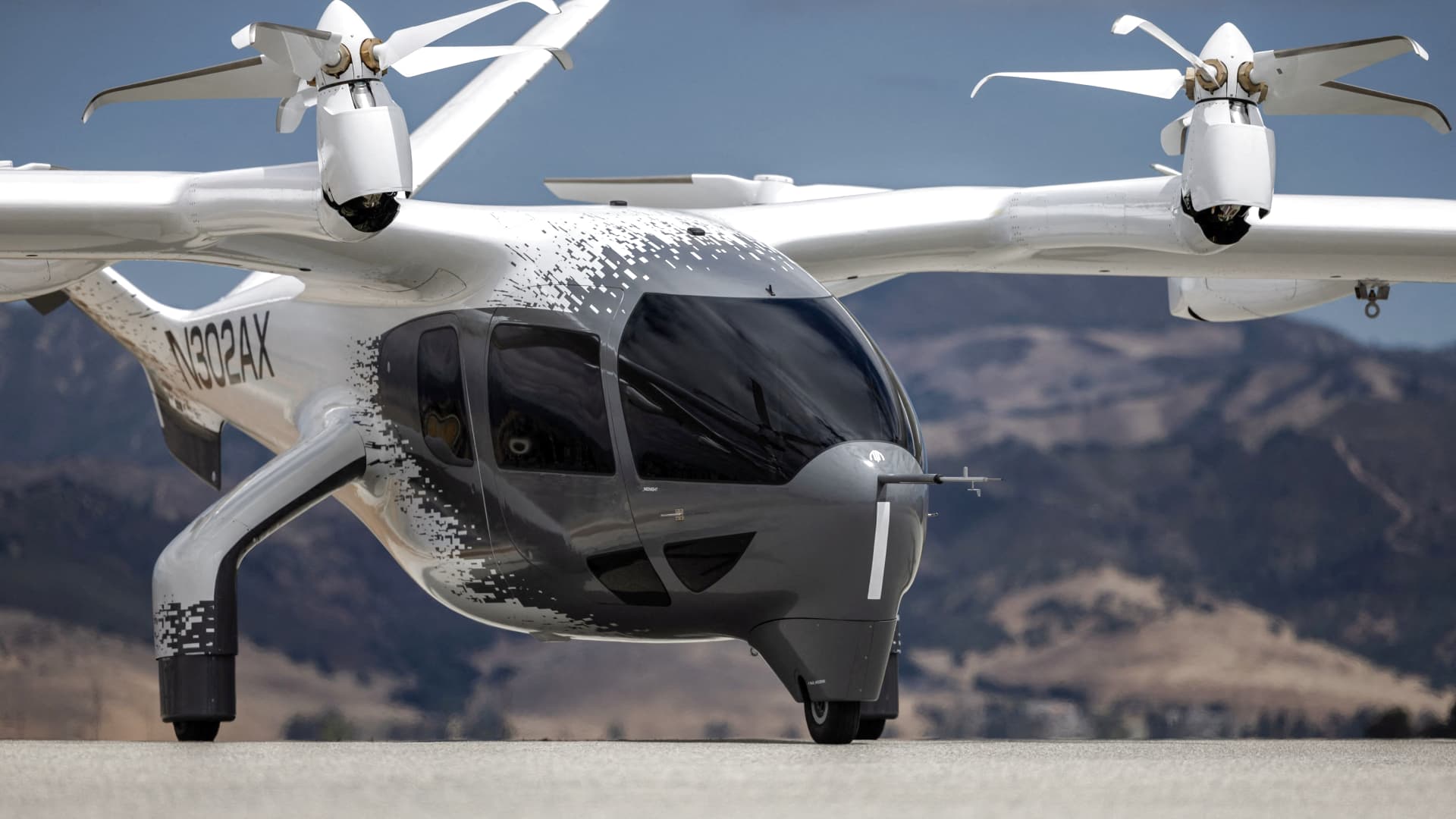
eVTOL Aircraft Set to Transform Urban Transportation


- Massive Market Potential: According to a Morgan Stanley report, the total addressable market for urban air mobility could reach a staggering $9 trillion by 2050, highlighting the significant growth potential of the eVTOL industry and attracting investor interest.
- FAA Certification Progress: Joby and Archer, as partners in the FAA's eVTOL Integration Pilot Program, are accelerating their progress through the rigorous multistage certification process, paving the way for future commercial operations and ensuring their competitive positioning in this emerging market.
- Divergent Business Models: Joby is pursuing a vertically integrated, direct-to-consumer model, planning to own and operate its own air taxi network, while Archer adopts an asset-light approach, leveraging partnerships with Stellantis to achieve efficient production and rapid market expansion.
- Enhanced Production Capacity: Joby's facilities in California and Ohio can produce up to 500 eVTOL aircraft annually, while Archer's high-volume manufacturing facility in Georgia aims for 650 aircraft per year, showcasing the competitive advantages in production capabilities for both companies.
See More

Toyota Launches 10 New Safety Research Projects
- New Project Announcement: Toyota's Collaborative Safety Research Center (CSRC) has launched 10 new research projects in collaboration with seven universities and private sector organizations, aimed at reducing road traffic accidents through advanced safety technologies, reflecting Toyota's ongoing investment and innovation in safety.
- Research Collaboration: The new projects cover areas from adaptive interfaces to increase driver acceptance of Advanced Driver Assistance Systems (ADAS) to improving detection of vulnerable road users using micro-Doppler radar technology, showcasing Toyota's close partnership with academia.
- Technology Application: By utilizing the THUMS model, Toyota can simulate accidents in a digital environment and predict nearly 100 types of injuries, which will lay the groundwork for future safety standards and enhance vehicle safety.
- Strategic Implications: The CSRC's research not only advances automotive safety technology but also ensures that research outcomes can be effectively translated into policies and market applications through collaboration with government and industry, further solidifying Toyota's leadership position in global automotive safety.
See More
Toyota Unveils 2026 Corolla GRMN, Performance Redefined
- Performance Boost: The 2026 Corolla GRMN achieves a maximum torque of 302 lb-ft, refined through rigorous testing at Nürburgring and Super Taikyu, ensuring exceptional performance under extreme conditions and enhancing consumer confidence in the model.
- Driving Experience Optimization: The new model features exclusive monotube dampers and high-grip Michelin Pilot Sport Cup 2 tires, improving stability and handling during high-speed cornering, allowing drivers to enjoy a more exhilarating track experience.
- Structural Reinforcement: By applying 107.2 feet of structural adhesive in the body, the rigidity has been enhanced, ensuring safety and stability during high-speed driving and aggressive maneuvers, further elevating the vehicle's overall performance.
- Focused Interior Design: The cabin is equipped with sport seats and a dedicated instrument panel aimed at enhancing driver focus and comfort, reflecting Toyota's commitment to driving experience and strengthening emotional connections with consumers.
See More

SpaceX Set to Launch Largest IPO in History


- Historic IPO: SpaceX has officially set a fixed price of $135 per share for its IPO next week, achieving a valuation of $1.77 trillion, which will make CEO Elon Musk the world's first trillionaire, marking a significant success in the aerospace sector.
- Market Response: Despite the high expectations for SpaceX's IPO, a review of 30 major IPOs over the past 15 years indicates that stocks often experience declines and sharp drawdowns in the first year, prompting investors to approach with caution regarding potential risks.
- SoftBank's Risks: SoftBank's highly leveraged investments in artificial intelligence have raised liquidity crunch concerns, and although its shares have surged about 70% this year, analysts warn that the market's renewed optimism may be masking mounting balance-sheet risks.
- Middle East Situation Impact: The ceasefire agreement between Israel and Lebanon has eased oil prices slightly, boosting hopes for a potential deal between the U.S. and Iran, which could influence global economic conditions and investor confidence.
See More
SoftBank Shares Drop 10% Amid Market Sell-Off
- Market Sell-Off Impact: SoftBank shares fell 10% due to widespread profit-taking in the U.S. market, reflecting investor concerns over short-term volatility despite a year-to-date increase of approximately 70% in its stock price.
- High-Risk Investment Concerns: Although SoftBank recently surpassed Toyota to become Japan's most valuable company, there are market worries regarding its high-risk bets on AI, which could affect future stock performance.
- Major Stake Sale: SoftBank sold a 3.25% stake in Indian eyewear maker Lenskart through its affiliate SVF II Lightbulb (Cayman), offloading 56.5 million shares at approximately 508.55 Indian rupees ($5.32) each, indicating its strategic positioning in global markets.
- Analyst Insights: Deutsche Bank analyst Peter Milliken noted that the market appears overly fixated on short-term momentum, potentially overlooking long-term investment opportunities, which may lead to greater uncertainty for investors in the future.
See More
US Stocks Decline Amid Semiconductor Selloff and Geopolitical Tensions
- Semiconductor Market Turmoil: US stock indexes closed lower due to a steep selloff in semiconductor shares, with the S&P 500 and Nasdaq dropping 2.5% and 4.5% respectively, indicating heightened concerns among investors regarding tech stocks that could undermine market confidence.
- Geopolitical Impact: Iran's attack on Kuwait International Airport has prompted Israel and the US to consider further military strikes, leading to rising oil prices and inflation concerns that may exert pressure on global economic recovery.
- Employment Data Concerns: Stronger-than-expected US payrolls data has fueled worries that interest rates could remain elevated for longer, exacerbating investor anxiety about future economic growth and potentially increasing market volatility.
- Asian Market Dynamics: China's services sector showed better-than-expected performance in May, despite an overall 1% decline in the market, while Japan's Nikkei 225 ended flat, reflecting a divergence in regional economic recovery that may influence investor sentiment towards Asian markets.
See More
eVTOL Aircraft Set to Transform Urban Transportation
- Massive Market Potential: According to a Morgan Stanley report, the total addressable market for urban air mobility could reach a staggering $9 trillion by 2050, highlighting the significant growth potential of the eVTOL industry and attracting investor interest.
- FAA Certification Progress: Joby and Archer, as partners in the FAA's eVTOL Integration Pilot Program, are accelerating their progress through the rigorous multistage certification process, paving the way for future commercial operations and ensuring their competitive positioning in this emerging market.
- Divergent Business Models: Joby is pursuing a vertically integrated, direct-to-consumer model, planning to own and operate its own air taxi network, while Archer adopts an asset-light approach, leveraging partnerships with Stellantis to achieve efficient production and rapid market expansion.
- Enhanced Production Capacity: Joby's facilities in California and Ohio can produce up to 500 eVTOL aircraft annually, while Archer's high-volume manufacturing facility in Georgia aims for 650 aircraft per year, showcasing the competitive advantages in production capabilities for both companies.
See More
Toyota Launches 10 New Safety Research Projects
- New Project Announcement: Toyota's Collaborative Safety Research Center (CSRC) has launched 10 new research projects in collaboration with seven universities and private sector organizations, aimed at reducing road traffic accidents through advanced safety technologies, reflecting Toyota's ongoing investment and innovation in safety.
- Research Collaboration: The new projects cover areas from adaptive interfaces to increase driver acceptance of Advanced Driver Assistance Systems (ADAS) to improving detection of vulnerable road users using micro-Doppler radar technology, showcasing Toyota's close partnership with academia.
- Technology Application: By utilizing the THUMS model, Toyota can simulate accidents in a digital environment and predict nearly 100 types of injuries, which will lay the groundwork for future safety standards and enhance vehicle safety.
- Strategic Implications: The CSRC's research not only advances automotive safety technology but also ensures that research outcomes can be effectively translated into policies and market applications through collaboration with government and industry, further solidifying Toyota's leadership position in global automotive safety.
See More
Toyota Unveils 2026 Corolla GRMN, Performance Redefined
- Performance Boost: The 2026 Corolla GRMN achieves a maximum torque of 302 lb-ft, refined through rigorous testing at Nürburgring and Super Taikyu, ensuring exceptional performance under extreme conditions and enhancing consumer confidence in the model.
- Driving Experience Optimization: The new model features exclusive monotube dampers and high-grip Michelin Pilot Sport Cup 2 tires, improving stability and handling during high-speed cornering, allowing drivers to enjoy a more exhilarating track experience.
- Structural Reinforcement: By applying 107.2 feet of structural adhesive in the body, the rigidity has been enhanced, ensuring safety and stability during high-speed driving and aggressive maneuvers, further elevating the vehicle's overall performance.
- Focused Interior Design: The cabin is equipped with sport seats and a dedicated instrument panel aimed at enhancing driver focus and comfort, reflecting Toyota's commitment to driving experience and strengthening emotional connections with consumers.
See More
SpaceX Set to Launch Largest IPO in History
- Historic IPO: SpaceX has officially set a fixed price of $135 per share for its IPO next week, achieving a valuation of $1.77 trillion, which will make CEO Elon Musk the world's first trillionaire, marking a significant success in the aerospace sector.
- Market Response: Despite the high expectations for SpaceX's IPO, a review of 30 major IPOs over the past 15 years indicates that stocks often experience declines and sharp drawdowns in the first year, prompting investors to approach with caution regarding potential risks.
- SoftBank's Risks: SoftBank's highly leveraged investments in artificial intelligence have raised liquidity crunch concerns, and although its shares have surged about 70% this year, analysts warn that the market's renewed optimism may be masking mounting balance-sheet risks.
- Middle East Situation Impact: The ceasefire agreement between Israel and Lebanon has eased oil prices slightly, boosting hopes for a potential deal between the U.S. and Iran, which could influence global economic conditions and investor confidence.
See More
SoftBank Shares Drop 10% Amid Market Sell-Off
- Market Sell-Off Impact: SoftBank shares fell 10% due to widespread profit-taking in the U.S. market, reflecting investor concerns over short-term volatility despite a year-to-date increase of approximately 70% in its stock price.
- High-Risk Investment Concerns: Although SoftBank recently surpassed Toyota to become Japan's most valuable company, there are market worries regarding its high-risk bets on AI, which could affect future stock performance.
- Major Stake Sale: SoftBank sold a 3.25% stake in Indian eyewear maker Lenskart through its affiliate SVF II Lightbulb (Cayman), offloading 56.5 million shares at approximately 508.55 Indian rupees ($5.32) each, indicating its strategic positioning in global markets.
- Analyst Insights: Deutsche Bank analyst Peter Milliken noted that the market appears overly fixated on short-term momentum, potentially overlooking long-term investment opportunities, which may lead to greater uncertainty for investors in the future.
See More




