Tokio Marine and OpenAI to Collaborate on AI Agents, According to Nikkei Asia
Written by Emily J. Thompson, Senior Investment Analyst
Updated: Sep 24 2025
0mins
Should l Buy MSFT?
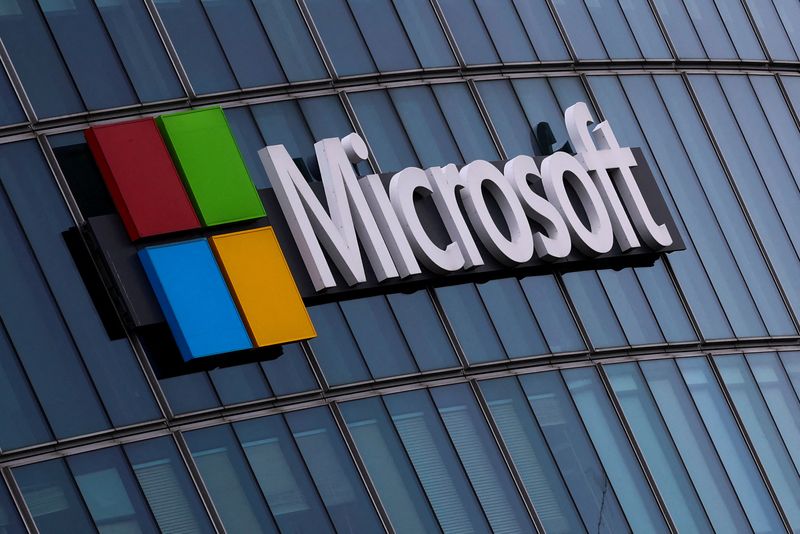
Partnership Announcement: Tokio Marine Holdings is partnering with OpenAI, which is backed by Microsoft, to develop AI agents.
Focus on Data Analysis: The collaboration aims to enhance product planning and improve responses to customer inquiries through in-depth data analysis.
Trade with 70% Backtested Accuracy
Stop guessing "Should I Buy MSFT?" and start using high-conviction signals backed by rigorous historical data.
Sign up today to access powerful investing tools and make smarter, data-driven decisions.
Analyst Views on MSFT
Wall Street analysts forecast MSFT stock price to rise
34 Analyst Rating
32 Buy
2 Hold
0 Sell
Strong Buy
Current: 424.160

Low
500.00
Averages
631.36
High
678.00
Current: 424.160
Low
500.00
Averages
631.36
High
678.00
About MSFT
Microsoft Corporation is a technology company. The Company develops and supports software, services, devices, and solutions. The Company’s segments include Productivity and Business Processes, Intelligent Cloud, and More Personal Computing. The Productivity and Business Processes segment consists of products and services in its portfolio of productivity, communication, and information services. This segment primarily comprises: Office Commercial, Office Consumer, LinkedIn, and Dynamics business solutions. The Intelligent Cloud segment consists of server products and cloud services, including Azure and other cloud services, SQL Server, Windows Server, Visual Studio, System Center, and related Client Access Licenses (CALs), and Nuance and GitHub; and Enterprise Services, including enterprise support services, industry solutions and Nuance professional services. The More Personal Computing segment primarily comprises Windows, Devices, Gaming, and search and news advertising.
About the author

Emily J. Thompson
Emily J. Thompson, a Chartered Financial Analyst (CFA) with 12 years in investment research, graduated with honors from the Wharton School. Specializing in industrial and technology stocks, she provides in-depth analysis for Intellectia’s earnings and market brief reports.

Microsoft Explores Cursor Acquisition but Holds Off on Bid

- Acquisition Interest: Microsoft recently considered acquiring AI coding startup Cursor for $60 billion but ultimately did not make an offer, indicating competitive pressure in the rapidly evolving AI tools market.
- Market Competition: Despite GitHub Copilot gaining 4.7 million paying subscribers, a 75% increase year-over-year, Cursor and its rivals Anthropic and OpenAI continue to dominate the market, highlighting Microsoft's insufficient investment in the AI sector.
- SpaceX Acquisition: SpaceX announced it has secured the right to acquire Cursor for $60 billion, with a $10 billion penalty if the deal does not close, reflecting Elon Musk's strong interest and investment intentions in the AI space.
- Financing Dynamics: Cursor was valued at $50 billion during its fundraising process, underscoring the strong demand for tools that facilitate rapid website and application development, while also indicating ongoing investor interest in the AI sector.
See More

OpenAI Plans IPO by Q4 2026, Valued at $852 Billion

- IPO Plans: OpenAI is set to hold its initial public offering (IPO) as early as Q4 2026, with a current valuation of $852 billion, which is expected to generate significant market demand, marking it as a blockbuster event.
- Revenue Surge: OpenAI's revenue skyrocketed by 225% to $13 billion in 2025, with projections indicating a further 130% increase to $30 billion in 2026, resulting in a high valuation of 65 times sales, showcasing its market potential and investment appeal.
- Microsoft Investment: Since 2019, Microsoft has invested $13 billion in OpenAI, holding a 27% stake, which is expected to significantly increase in value to about $230 billion post-IPO, while also securing a revenue-sharing agreement that could yield up to $300 billion by 2032.
- Risks and Opportunities: While the Ark Venture Fund offers early exposure to OpenAI, its heavy concentration in private companies and limited liquidity pose higher risks, whereas Microsoft's investment is considered more stable due to its diversified business prospects.
See More
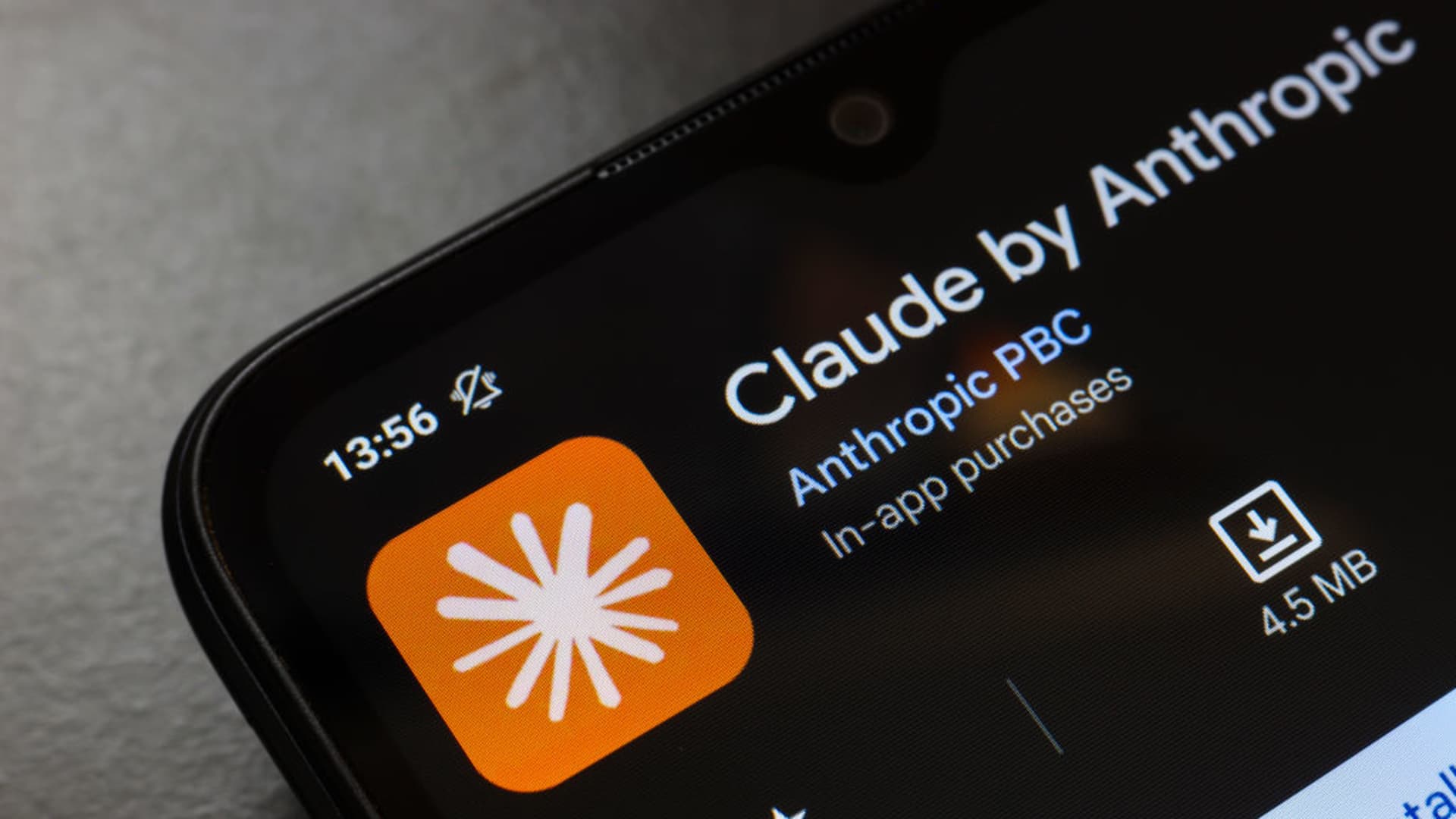
Anthropic Accelerates Push for European Data Center Deals


- Market Opportunity: Anthropic plans to invest over $100 billion in Amazon Web Services over the next decade, aiming to capitalize on the projected $600 billion AI infrastructure spending by U.S. hyperscalers by 2026.
- Key Role Recruitment: The company is hiring a 'Transaction Principal' in London with a salary range of £225,000 ($303,806) to £270,000, responsible for driving commercial sourcing and execution of European data center deals, highlighting its focus on the European market.
- Infrastructure Expansion: Recently, Anthropic signed an expanded deal with Broadcom for approximately 3.5 gigawatts of computing capacity and is evaluating deals to acquire data center capacity directly from developers worldwide, aiming to enhance its AI systems' infrastructure.
- Competitive Landscape: Despite energy costs and regulatory challenges impacting some AI infrastructure deals, both Anthropic and OpenAI have announced plans to scale their operations in Europe recently, indicating strong ongoing demand for AI infrastructure.
See More
Norway's Sovereign Wealth Fund Reports Q1 Loss of $68.44 Billion


- Quarterly Loss Overview: Norway's sovereign wealth fund reported a first-quarter loss of 636 billion Norwegian crowns (approximately $68.44 billion), primarily due to the impact of the Middle East war on global stock markets, reflecting the challenging market environment.
- Investment Return Analysis: The fund posted a negative return of 1.9% for the January-March period, although it outperformed its benchmark index by 0.01 percentage points, indicating relative resilience under adverse market conditions.
- Asset Class Performance: Equity investments saw a negative return of 2.6%, fixed income declined by 0.2%, while unlisted real estate rose by 1.2%, and unlisted renewable energy infrastructure fell by 1.9%, showcasing volatility across different asset classes.
- Holding Composition: As of early 2026, the fund held its largest stakes in over 7,000 companies globally, primarily in major tech firms like Nvidia, Apple, and Microsoft, highlighting the sensitivity of its portfolio to fluctuations in U.S. tech stocks.
See More

Anthropic Accelerates European Data Center Expansion
- Key Role Recruitment: Anthropic is hiring a Transaction Principal with a salary range of £225,000 ($303,806) to £270,000, a position critical for securing AI infrastructure in Europe, aimed at driving the commercial sourcing and execution of data center deals.
- Infrastructure Investment Commitment: The company has committed to spending over $100 billion on Amazon Web Services technology over the next decade and recently signed an expanded deal with Broadcom for approximately 3.5 gigawatts of computing capacity, highlighting its ambitions in AI infrastructure.
- Market Expansion Strategy: Anthropic is evaluating deals to acquire data center capacity directly from developers worldwide, particularly focusing on
See More

OpenAI Plans IPO in Q4 with $852 Billion Valuation
- IPO Plans: OpenAI is set to hold its initial public offering (IPO) in Q4 of this year, currently valued at $852 billion, which is expected to be a highly anticipated event attracting significant investor interest.
- Revenue Surge: OpenAI's revenue skyrocketed by 225% to $13 billion in 2025, with projections indicating a further 130% increase to $30 billion in 2026, supporting its high valuation of 65 times sales amid robust growth momentum.
- Microsoft Investment: Since 2019, Microsoft has invested $13 billion in OpenAI, securing a 27% stake now worth approximately $230 billion, with expectations of further appreciation post-IPO, alongside a revenue-sharing agreement that could yield Microsoft up to $300 billion by 2032.
- Ark Venture Fund Risks: The Ark Venture Fund holds an 11% stake in OpenAI and has returned 151% since its inception in 2022; however, it carries high risks due to heavy exposure to private companies and liquidity constraints, requiring purchases through specific platforms.
See More
Microsoft Explores Cursor Acquisition but Holds Off on Bid
- Acquisition Interest: Microsoft recently considered acquiring AI coding startup Cursor for $60 billion but ultimately did not make an offer, indicating competitive pressure in the rapidly evolving AI tools market.
- Market Competition: Despite GitHub Copilot gaining 4.7 million paying subscribers, a 75% increase year-over-year, Cursor and its rivals Anthropic and OpenAI continue to dominate the market, highlighting Microsoft's insufficient investment in the AI sector.
- SpaceX Acquisition: SpaceX announced it has secured the right to acquire Cursor for $60 billion, with a $10 billion penalty if the deal does not close, reflecting Elon Musk's strong interest and investment intentions in the AI space.
- Financing Dynamics: Cursor was valued at $50 billion during its fundraising process, underscoring the strong demand for tools that facilitate rapid website and application development, while also indicating ongoing investor interest in the AI sector.
See More
OpenAI Plans IPO by Q4 2026, Valued at $852 Billion
- IPO Plans: OpenAI is set to hold its initial public offering (IPO) as early as Q4 2026, with a current valuation of $852 billion, which is expected to generate significant market demand, marking it as a blockbuster event.
- Revenue Surge: OpenAI's revenue skyrocketed by 225% to $13 billion in 2025, with projections indicating a further 130% increase to $30 billion in 2026, resulting in a high valuation of 65 times sales, showcasing its market potential and investment appeal.
- Microsoft Investment: Since 2019, Microsoft has invested $13 billion in OpenAI, holding a 27% stake, which is expected to significantly increase in value to about $230 billion post-IPO, while also securing a revenue-sharing agreement that could yield up to $300 billion by 2032.
- Risks and Opportunities: While the Ark Venture Fund offers early exposure to OpenAI, its heavy concentration in private companies and limited liquidity pose higher risks, whereas Microsoft's investment is considered more stable due to its diversified business prospects.
See More
Anthropic Accelerates Push for European Data Center Deals
- Market Opportunity: Anthropic plans to invest over $100 billion in Amazon Web Services over the next decade, aiming to capitalize on the projected $600 billion AI infrastructure spending by U.S. hyperscalers by 2026.
- Key Role Recruitment: The company is hiring a 'Transaction Principal' in London with a salary range of £225,000 ($303,806) to £270,000, responsible for driving commercial sourcing and execution of European data center deals, highlighting its focus on the European market.
- Infrastructure Expansion: Recently, Anthropic signed an expanded deal with Broadcom for approximately 3.5 gigawatts of computing capacity and is evaluating deals to acquire data center capacity directly from developers worldwide, aiming to enhance its AI systems' infrastructure.
- Competitive Landscape: Despite energy costs and regulatory challenges impacting some AI infrastructure deals, both Anthropic and OpenAI have announced plans to scale their operations in Europe recently, indicating strong ongoing demand for AI infrastructure.
See More
Norway's Sovereign Wealth Fund Reports Q1 Loss of $68.44 Billion
- Quarterly Loss Overview: Norway's sovereign wealth fund reported a first-quarter loss of 636 billion Norwegian crowns (approximately $68.44 billion), primarily due to the impact of the Middle East war on global stock markets, reflecting the challenging market environment.
- Investment Return Analysis: The fund posted a negative return of 1.9% for the January-March period, although it outperformed its benchmark index by 0.01 percentage points, indicating relative resilience under adverse market conditions.
- Asset Class Performance: Equity investments saw a negative return of 2.6%, fixed income declined by 0.2%, while unlisted real estate rose by 1.2%, and unlisted renewable energy infrastructure fell by 1.9%, showcasing volatility across different asset classes.
- Holding Composition: As of early 2026, the fund held its largest stakes in over 7,000 companies globally, primarily in major tech firms like Nvidia, Apple, and Microsoft, highlighting the sensitivity of its portfolio to fluctuations in U.S. tech stocks.
See More
Anthropic Accelerates European Data Center Expansion
- Key Role Recruitment: Anthropic is hiring a Transaction Principal with a salary range of £225,000 ($303,806) to £270,000, a position critical for securing AI infrastructure in Europe, aimed at driving the commercial sourcing and execution of data center deals.
- Infrastructure Investment Commitment: The company has committed to spending over $100 billion on Amazon Web Services technology over the next decade and recently signed an expanded deal with Broadcom for approximately 3.5 gigawatts of computing capacity, highlighting its ambitions in AI infrastructure.
- Market Expansion Strategy: Anthropic is evaluating deals to acquire data center capacity directly from developers worldwide, particularly focusing on
See More
OpenAI Plans IPO in Q4 with $852 Billion Valuation
- IPO Plans: OpenAI is set to hold its initial public offering (IPO) in Q4 of this year, currently valued at $852 billion, which is expected to be a highly anticipated event attracting significant investor interest.
- Revenue Surge: OpenAI's revenue skyrocketed by 225% to $13 billion in 2025, with projections indicating a further 130% increase to $30 billion in 2026, supporting its high valuation of 65 times sales amid robust growth momentum.
- Microsoft Investment: Since 2019, Microsoft has invested $13 billion in OpenAI, securing a 27% stake now worth approximately $230 billion, with expectations of further appreciation post-IPO, alongside a revenue-sharing agreement that could yield Microsoft up to $300 billion by 2032.
- Ark Venture Fund Risks: The Ark Venture Fund holds an 11% stake in OpenAI and has returned 151% since its inception in 2022; however, it carries high risks due to heavy exposure to private companies and liquidity constraints, requiring purchases through specific platforms.
See More