The Math Shows EIPI Can Go To $22
Written by Emily J. Thompson, Senior Investment Analyst
Updated: Jan 07 2025
0mins


Source: NASDAQ.COM
ETF Performance Analysis: The FT Energy Income Partners Enhanced Income ETF (EIPI) has an implied analyst target price of $21.77 per unit, indicating a potential upside of 10.58% from its current trading price of $19.69.
Key Holdings and Analyst Targets: Notable underlying holdings such as CMS Energy Corp, Atmos Energy Corp, and Energy Transfer LP show significant upside potential based on analysts' target prices, prompting questions about the validity and optimism of these targets in light of recent market developments.
Trade with 70% Backtested Accuracy
Stop guessing "Should I Buy ET?" and start using high-conviction signals backed by rigorous historical data.
Sign up today to access powerful investing tools and make smarter, data-driven decisions.
Analyst Views on ET
Wall Street analysts forecast ET stock price to rise
11 Analyst Rating
7 Buy
4 Hold
0 Sell
Moderate Buy
Current: 19.250

Low
17.00
Averages
20.65
High
23.00
Current: 19.250
Low
17.00
Averages
20.65
High
23.00
About ET
Energy Transfer LP owns and operates a diversified portfolios of energy assets in the United States, with more than 140,000 miles of pipeline and associated energy infrastructure. The Company’s strategic network spans 44 states with assets in all of the major United States production basins. Its core operations include complementary natural gas midstream, intrastate and interstate transportation and storage assets; crude oil, natural gas liquids (NGL) and refined product transportation and terminalling assets; and NGL fractionation. The Company’s segments include intrastate transportation and storage, interstate transportation and storage, midstream, NGL and refined products transportation and services, crude oil transportation and services, investment in Sunoco LP, investment in USA Compression Partners, LP (USAC), and all other. It also owns Lake Charles LNG Company, LLC, its wholly owned subsidiary, which owns an LNG import terminal and regasification facility.
About the author

Emily J. Thompson
Emily J. Thompson, a Chartered Financial Analyst (CFA) with 12 years in investment research, graduated with honors from the Wharton School. Specializing in industrial and technology stocks, she provides in-depth analysis for Intellectia’s earnings and market brief reports.

Energy Transfer LP Prices $1.75 Billion Junior Subordinated Notes Offering

- Bond Offering Size: Energy Transfer LP successfully priced a $1.75 billion offering of junior subordinated notes, which includes $650 million of 6.550% Series 2026A notes and $1.1 billion of 6.700% Series 2026B notes, both priced at 100% of face value, indicating strong market confidence in its financing needs.
- Clear Use of Proceeds: The offering is expected to close on July 20, with anticipated net proceeds of approximately $1.7325 billion primarily aimed at redeeming all outstanding 6.500% Series H preferred units, refinancing existing debt, and general partnership purposes, thereby optimizing its capital structure.
- Redemption Plan: The company plans to redeem the Series H preferred units starting August 15, with a formal redemption notice to be issued separately, which will further alleviate financial burdens and improve cash flow.
- Market Reaction: On the New York Stock Exchange, Energy Transfer closed down 0.41% at $19.25 on Monday, with after-hours trading showing a slight increase of 0.28% to $19.30, reflecting a cautious market sentiment regarding its debt management strategy.
See More
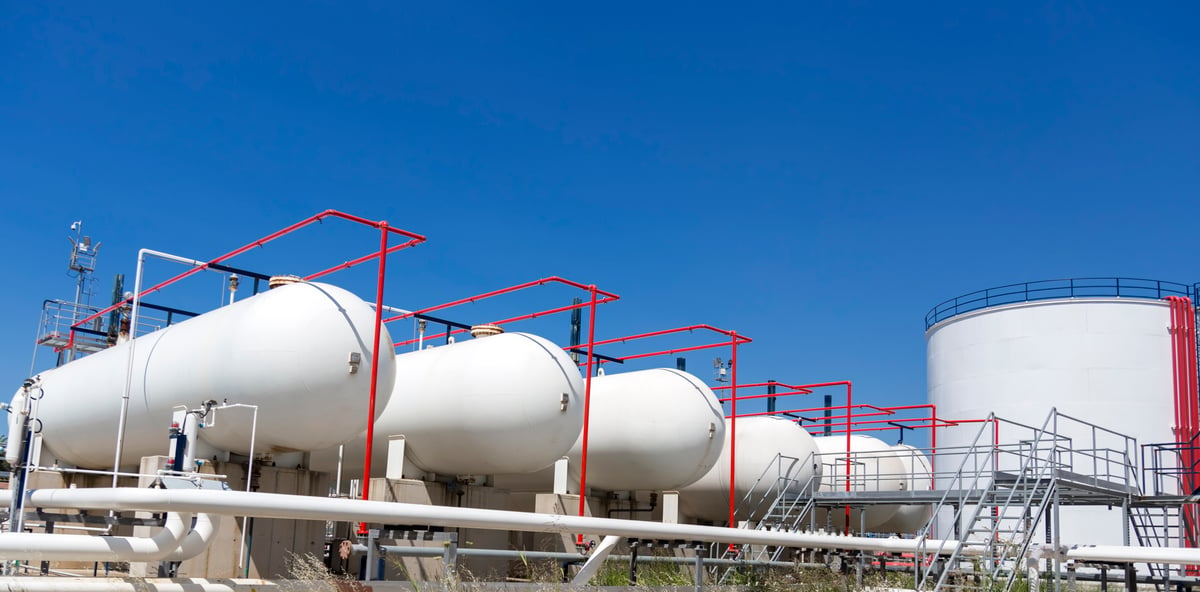
Surge in LNG Demand Boosts Energy Stocks Outlook

- Demand Growth Forecast: According to Shell's LNG Outlook 2026, global liquefied natural gas demand is expected to increase by 700 million tons by 2050, representing a 65% surge from 2025 levels, which will enhance the long-term investment value of related energy stocks.
- U.S. LNG Dominance: The U.S. has emerged as the world's largest LNG exporter, with significant growth in LNG exports over the past decade, bolstering investor confidence in LNG stocks, particularly in the context of energy independence.
- ExxonMobil's Expansion Plans: ExxonMobil is undertaking four large-scale LNG projects, expecting to double its LNG capacity by 2030, adding 40 million metric tons annually, demonstrating strong bullish sentiment towards the LNG market's future.
- Long-Term Investment Opportunities: Cheniere Energy is set to complete three expansion projects in the coming years, with projected distributable cash flow reaching $4.75 billion to $5.25 billion by 2026, further solidifying its leadership position in the LNG sector.
See More

Surging LNG Demand Creates Investment Opportunities
- Demand Growth Forecast: According to Shell's LNG Outlook 2026, global LNG demand is expected to increase by 700 million tons by 2050, representing a 65% surge from 2025 levels, which presents significant market opportunities for related companies.
- ExxonMobil's Investments: ExxonMobil is undertaking four large-scale LNG projects, expecting to double its LNG portfolio by 2030 from 2020 levels, which could increase its annual output by 40 million metric tons, demonstrating strong confidence in the LNG market.
- Cheniere Energy's Expansion: Cheniere Energy is working on three expansion projects, with one expected to be fully operational this year and the other two coming online in 2028 and 2029, projecting distributable cash flow of $4.75 billion to $5.25 billion by 2026, showcasing its stable cash flow capabilities.
- Energy Transfer's Growth: Energy Transfer reported $185 million in EBITDA growth in its natural gas liquids and refining business in the first quarter, indicating strong growth momentum in the North American midstream market while actively investing to meet energy demands from data centers.
See More

Energy Transfer LP Prices $1.75B Dual-Tranche Subordinated Notes Offering
- Debt Issuance Size: Energy Transfer LP announced a dual-tranche subordinated notes offering priced at 100% of face value, raising a total of $1.75 billion, with the 2026A notes at an annual interest rate of 6.550% and the 2026B notes at 6.700%, indicating strong market support for its financing needs.
- Capital Allocation Plan: The company expects to generate approximately $1.73 billion in net proceeds before offering expenses, intending to use these funds to redeem all outstanding 6.500% Series H Preferred Units during the redemption window starting August 15, 2026, thereby optimizing its capital structure.
- Debt Restructuring Strategy: Remaining proceeds will be allocated to refinance existing indebtedness, including the repayment of commercial paper and outstanding borrowings under its revolving credit facility, aimed at reducing financial costs and enhancing liquidity to improve overall financial health.
- Positive Market Response: The successful pricing of this debt issuance reflects a rebound in investor confidence towards Energy Transfer, particularly following the company's $392 million judgment win in the Texas winter storm dispute, further solidifying its market position.
See More

Energy Transfer LP Prices $1.65 Billion Junior Subordinated Notes Offering

- Bond Offering Size: Energy Transfer LP announced the pricing of $650 million in Series 2026A junior subordinated notes and $1.1 billion in Series 2026B junior subordinated notes, both priced at 100% of face value, indicating strong market recognition of its financing needs.
- Interest Rate Setting: The Series 2026A notes will bear an annual interest rate of 6.550%, while the Series 2026B notes will have a rate of 6.700%, providing the company with a stable funding source to support future capital expenditures and operations.
- Clear Use of Proceeds: The approximately $1.7325 billion in net proceeds from this bond offering is expected to be used to redeem all outstanding 6.500% Series H Preferred Units and to repay commercial paper and borrowings under its revolving credit facility, thereby optimizing the company's capital structure.
- Positive Market Response: The bond offering is being managed by prominent financial institutions including Citigroup and J.P. Morgan, reflecting strong market confidence in Energy Transfer LP, which is expected to enhance its competitiveness in the energy sector.
See More

MPLX LP: A Robust Choice for High-Yield Stocks


- Stable Dividend Yield: MPLX LP boasts a 7.3% dividend yield, supported by long-term contracts with Marathon Petroleum that ensure predictable cash flows, providing a stable return for income investors and enhancing its appeal in the energy sector.
- Strategic Acquisition Focus: Last year, MPLX made three acquisitions while divesting its Rocky Mountain business, honing its focus on the Marcellus and Permian shale regions, which not only optimizes its business structure but also strengthens its competitive position in the natural gas liquids market, projected to grow at 7.1% by 2035.
- Dividend Growth Potential: MPLX announced a 12.5% dividend increase last year, raising the annual distribution to $4.31 per share, with nearly a tenfold growth over the past 11 years, and is targeting a continued 12.5% growth rate through 2027, indicating strong long-term growth potential.
- Financial Stability: With a debt-to-equity ratio of 1.8 and $5 billion in liquidity, MPLX can fund nearly two years of spending, while generating $549 million in free cash flow in Q1, leading to a distribution coverage ratio of 1.3, ensuring the safety and sustainability of its dividends.
See More
Energy Transfer LP Prices $1.75 Billion Junior Subordinated Notes Offering
- Bond Offering Size: Energy Transfer LP successfully priced a $1.75 billion offering of junior subordinated notes, which includes $650 million of 6.550% Series 2026A notes and $1.1 billion of 6.700% Series 2026B notes, both priced at 100% of face value, indicating strong market confidence in its financing needs.
- Clear Use of Proceeds: The offering is expected to close on July 20, with anticipated net proceeds of approximately $1.7325 billion primarily aimed at redeeming all outstanding 6.500% Series H preferred units, refinancing existing debt, and general partnership purposes, thereby optimizing its capital structure.
- Redemption Plan: The company plans to redeem the Series H preferred units starting August 15, with a formal redemption notice to be issued separately, which will further alleviate financial burdens and improve cash flow.
- Market Reaction: On the New York Stock Exchange, Energy Transfer closed down 0.41% at $19.25 on Monday, with after-hours trading showing a slight increase of 0.28% to $19.30, reflecting a cautious market sentiment regarding its debt management strategy.
See More
Surge in LNG Demand Boosts Energy Stocks Outlook
- Demand Growth Forecast: According to Shell's LNG Outlook 2026, global liquefied natural gas demand is expected to increase by 700 million tons by 2050, representing a 65% surge from 2025 levels, which will enhance the long-term investment value of related energy stocks.
- U.S. LNG Dominance: The U.S. has emerged as the world's largest LNG exporter, with significant growth in LNG exports over the past decade, bolstering investor confidence in LNG stocks, particularly in the context of energy independence.
- ExxonMobil's Expansion Plans: ExxonMobil is undertaking four large-scale LNG projects, expecting to double its LNG capacity by 2030, adding 40 million metric tons annually, demonstrating strong bullish sentiment towards the LNG market's future.
- Long-Term Investment Opportunities: Cheniere Energy is set to complete three expansion projects in the coming years, with projected distributable cash flow reaching $4.75 billion to $5.25 billion by 2026, further solidifying its leadership position in the LNG sector.
See More
Surging LNG Demand Creates Investment Opportunities
- Demand Growth Forecast: According to Shell's LNG Outlook 2026, global LNG demand is expected to increase by 700 million tons by 2050, representing a 65% surge from 2025 levels, which presents significant market opportunities for related companies.
- ExxonMobil's Investments: ExxonMobil is undertaking four large-scale LNG projects, expecting to double its LNG portfolio by 2030 from 2020 levels, which could increase its annual output by 40 million metric tons, demonstrating strong confidence in the LNG market.
- Cheniere Energy's Expansion: Cheniere Energy is working on three expansion projects, with one expected to be fully operational this year and the other two coming online in 2028 and 2029, projecting distributable cash flow of $4.75 billion to $5.25 billion by 2026, showcasing its stable cash flow capabilities.
- Energy Transfer's Growth: Energy Transfer reported $185 million in EBITDA growth in its natural gas liquids and refining business in the first quarter, indicating strong growth momentum in the North American midstream market while actively investing to meet energy demands from data centers.
See More
Energy Transfer LP Prices $1.75B Dual-Tranche Subordinated Notes Offering
- Debt Issuance Size: Energy Transfer LP announced a dual-tranche subordinated notes offering priced at 100% of face value, raising a total of $1.75 billion, with the 2026A notes at an annual interest rate of 6.550% and the 2026B notes at 6.700%, indicating strong market support for its financing needs.
- Capital Allocation Plan: The company expects to generate approximately $1.73 billion in net proceeds before offering expenses, intending to use these funds to redeem all outstanding 6.500% Series H Preferred Units during the redemption window starting August 15, 2026, thereby optimizing its capital structure.
- Debt Restructuring Strategy: Remaining proceeds will be allocated to refinance existing indebtedness, including the repayment of commercial paper and outstanding borrowings under its revolving credit facility, aimed at reducing financial costs and enhancing liquidity to improve overall financial health.
- Positive Market Response: The successful pricing of this debt issuance reflects a rebound in investor confidence towards Energy Transfer, particularly following the company's $392 million judgment win in the Texas winter storm dispute, further solidifying its market position.
See More
Energy Transfer LP Prices $1.65 Billion Junior Subordinated Notes Offering
- Bond Offering Size: Energy Transfer LP announced the pricing of $650 million in Series 2026A junior subordinated notes and $1.1 billion in Series 2026B junior subordinated notes, both priced at 100% of face value, indicating strong market recognition of its financing needs.
- Interest Rate Setting: The Series 2026A notes will bear an annual interest rate of 6.550%, while the Series 2026B notes will have a rate of 6.700%, providing the company with a stable funding source to support future capital expenditures and operations.
- Clear Use of Proceeds: The approximately $1.7325 billion in net proceeds from this bond offering is expected to be used to redeem all outstanding 6.500% Series H Preferred Units and to repay commercial paper and borrowings under its revolving credit facility, thereby optimizing the company's capital structure.
- Positive Market Response: The bond offering is being managed by prominent financial institutions including Citigroup and J.P. Morgan, reflecting strong market confidence in Energy Transfer LP, which is expected to enhance its competitiveness in the energy sector.
See More
MPLX LP: A Robust Choice for High-Yield Stocks
- Stable Dividend Yield: MPLX LP boasts a 7.3% dividend yield, supported by long-term contracts with Marathon Petroleum that ensure predictable cash flows, providing a stable return for income investors and enhancing its appeal in the energy sector.
- Strategic Acquisition Focus: Last year, MPLX made three acquisitions while divesting its Rocky Mountain business, honing its focus on the Marcellus and Permian shale regions, which not only optimizes its business structure but also strengthens its competitive position in the natural gas liquids market, projected to grow at 7.1% by 2035.
- Dividend Growth Potential: MPLX announced a 12.5% dividend increase last year, raising the annual distribution to $4.31 per share, with nearly a tenfold growth over the past 11 years, and is targeting a continued 12.5% growth rate through 2027, indicating strong long-term growth potential.
- Financial Stability: With a debt-to-equity ratio of 1.8 and $5 billion in liquidity, MPLX can fund nearly two years of spending, while generating $549 million in free cash flow in Q1, leading to a distribution coverage ratio of 1.3, ensuring the safety and sustainability of its dividends.
See More