Considering investments in the booming airline industry? Here are some stocks to steer clear of.

Air Travel Trends
Domestic vs. International Flight Prices: As summer travel comes to a close, Americans are experiencing slightly lower prices for domestic flights, while international flight tickets are seeing a slight increase in cost.
Investor Sentiment: Investors who have invested in U.S. airline stocks are observing a split in their portfolios, with a generally positive outlook on the airline industry from Wall Street.
Airline Performance
Legacy Airlines: Full-service airlines, particularly Delta Air Lines Inc. and United Airlines Holdings Inc., are favored by investors and analysts, indicating a strong preference for these legacy carriers.
Budget Airlines Challenges: Several budget airlines are facing significant challenges, including the potential bankruptcy or restructuring of one of their well-known brands, highlighting the difficulties within the low-cost segment of the market.
Trade with 70% Backtested Accuracy
Analyst Views on ULCC

About ULCC
About the author


Shutdown Agreement Approaches: Hope for Air Travelers and TSA Employees Ahead.

Government Shutdown Impact: The Transportation Security Administration (TSA) agents have been affected by a 38-day partial government shutdown, resulting in them not receiving paychecks.
Potential Resolution: Republican Senators have indicated they will propose a deal to Democrats that could potentially end the government shutdown and restore pay to TSA agents.
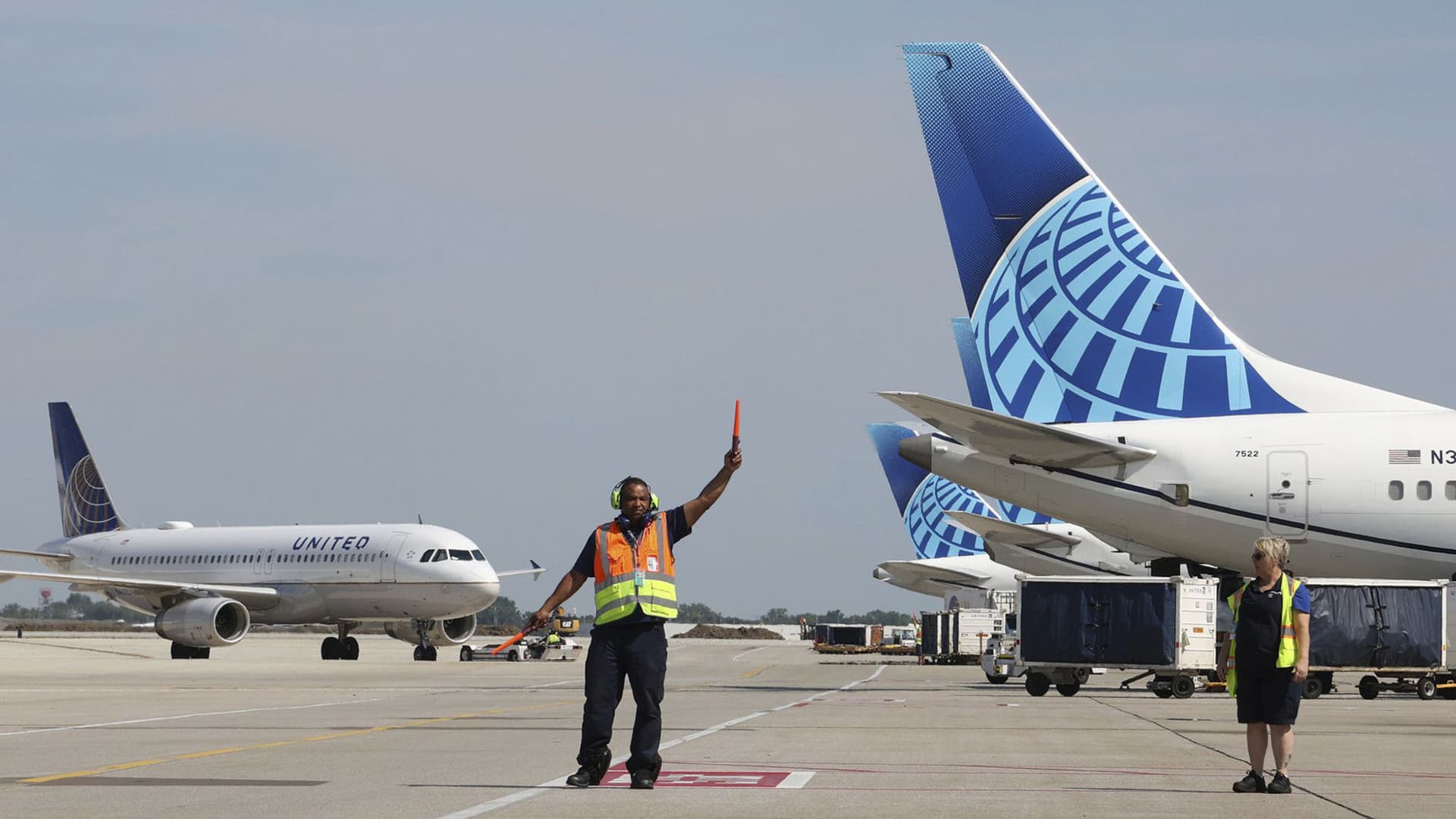
United Airlines Invests in Denver Facility

- New Cabin Design: United Airlines has unveiled a new cabin design that reduces standard coach seating while increasing premium seating options, which is expected to enhance overall profit margins, particularly given the strong demand in the premium market.
- Fare Discrepancy: For instance, a flight from Newark to San Francisco has a fare of $423 in standard coach, while the top-tier Polaris class costs $5,556, highlighting the profit potential of premium seating.
- New Aircraft Introduction: United plans to introduce the A321neo 'Coastliner' with 20 Polaris seats, set to debut this summer, further strengthening its competitive position in the premium market.
- Market Trend: Airlines are increasingly dedicating more space to premium seating, and United's strategy aligns with this industry trend, aiming to meet the growing demand for high-end travel and drive revenue growth.
United Airlines Enhances Premium Seating Configuration
- Premium Seat Expansion: United Airlines is introducing more premium seating options on its regional jets and a new subfleet of Airbus planes featuring lie-flat Polaris seats, aiming to attract high-end customers and enhance overall profitability through superior travel experiences.
- Significant Fare Disparity: For instance, a flight from Newark to San Francisco is priced at $423 in economy class while the top-tier Polaris class costs $5,556, illustrating the strong demand in the premium market that drives revenue growth for the airline.
- New Aircraft Introduction: United plans to roll out a subfleet of Airbus A321neo jets dubbed 'Coastliner' with 20 Polaris seats, expecting to have 40 of these aircraft by 2028, which enhances its competitiveness on transcontinental flights while improving customer comfort and satisfaction.
- Market Trend Response: In response to the growing demand for premium seating, United is adjusting its cabin configurations by reducing the number of standard economy seats to make way for more premium options, demonstrating the company's strategic focus on the high-end market and future revenue growth.
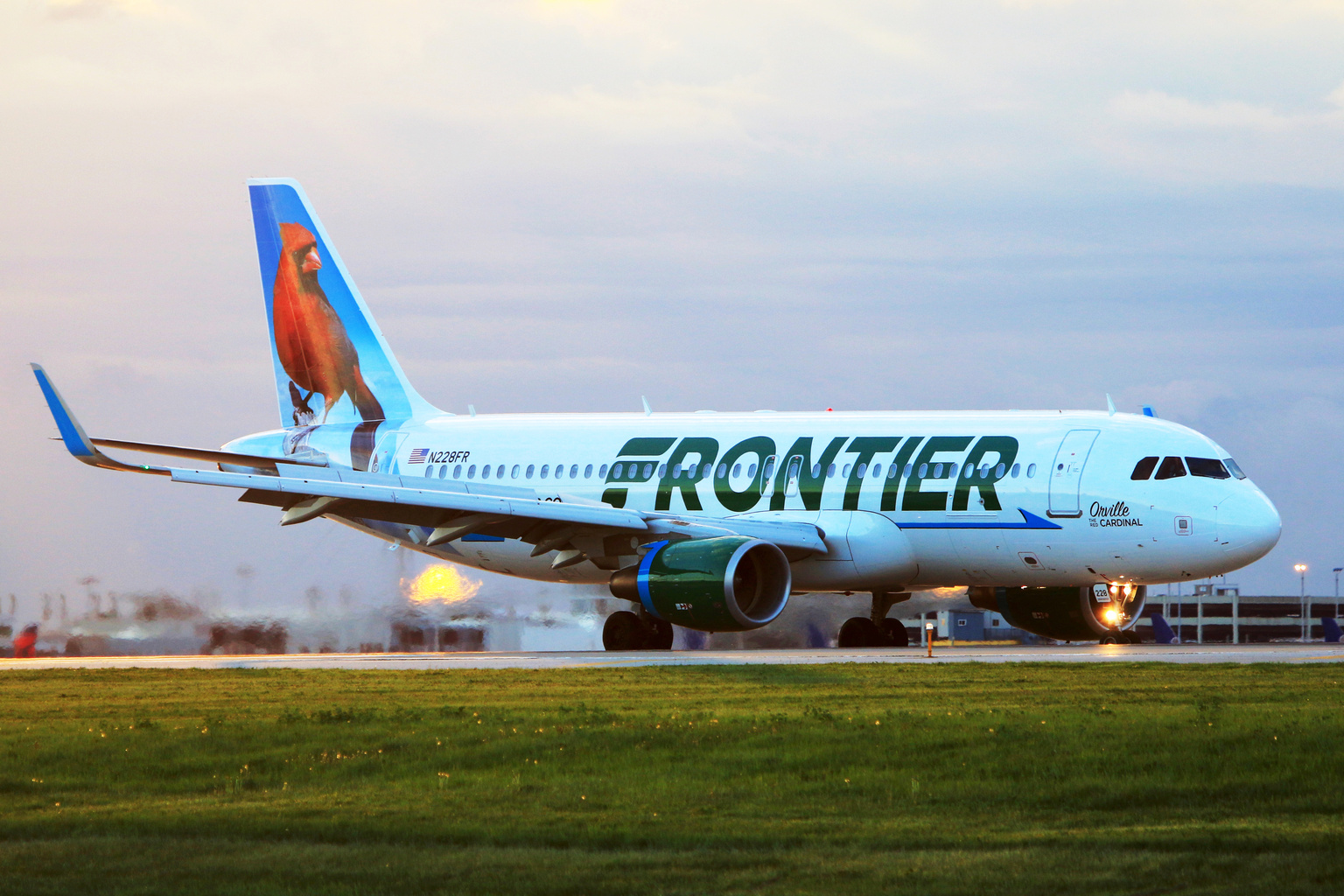
Frontier Holdings Lowers Q1 Profit Guidance Amid Rising Fuel Costs

- Guidance Revision: Frontier Holdings has revised its Q1 loss guidance to between $0.32 and $0.44 per share, widening from the previous range of $0.26 to $0.44, reflecting improved demand trends in March alongside rising fuel costs.
- Rising Fuel Costs: Jet fuel prices are now expected to average $3 per gallon, up from a prior estimate of $2.50, leading to an incremental fuel expense increase of $45 million to $50 million for the airline in Q1, thereby intensifying operational cost pressures.
- Revenue Growth Potential: Despite projecting a wider loss, Frontier anticipates a mid-teens percentage increase in revenue per available seat mile (RASM), up from an earlier forecast of approximately 10%, indicating potential for enhanced revenue generation.
- Capacity Adjustment: Capacity is expected to decrease by 1% to 1.5%, consistent with prior guidance, reflecting the company's cautious approach to market fluctuations while aiming to optimize operational efficiency.
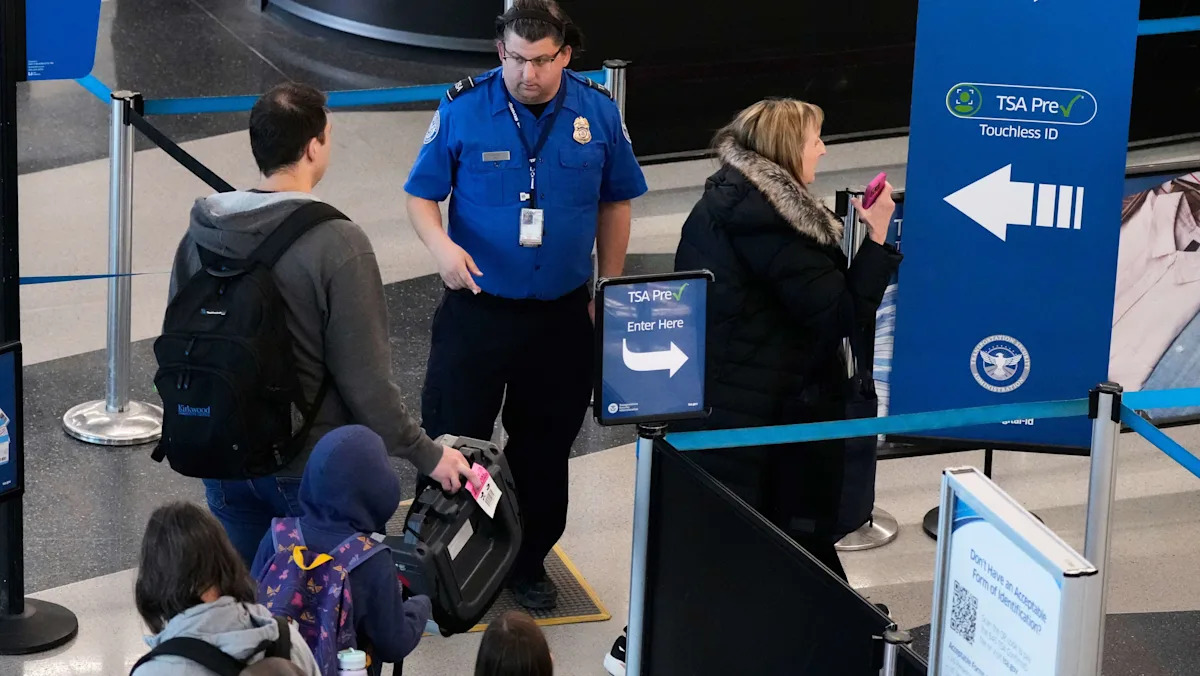
US Airlines Face Demand Risks Amid Shutdown

- Security Delays Impact: The partial government shutdown has caused massive slowdowns at TSA checkpoints in major airports, leading travelers to potentially opt for driving instead of flying, negatively affecting airline demand.
- Economic Impact Evident: Airlines experienced a 43-day shutdown in Q4, with reports indicating that this event has had a measurable impact on earnings, highlighting the increasing economic pressure on the aviation sector.
- Emotional Factors Affect Stock Prices: Experts note that market sentiment is also reflected in airline stock prices, and if the situation calms down, a rebound in share prices may occur; however, the current demand stagnation poses challenges for the industry's outlook.
- Demand Trend Uncertainty: With security delays and global entry restrictions, the future trends of airline demand have become increasingly uncertain, potentially leading consumers to be more cautious in their travel choices, further impacting airline performance.
Middle East Tensions Pressure US Airlines
- Rising Oil Price Risk: US airlines are under threat of soaring jet fuel costs due to escalating tensions in the Middle East, which could significantly impact their operational costs and profit margins.
- Travel Demand Fluctuations: Aviation expert Steve Trent highlights that rising oil prices may suppress travel demand, affecting airfare prices, prompting airlines to navigate market changes carefully to maintain profitability.
- Government Shutdown Impact: The partial government shutdown has led to severe delays at TSA checkpoints in major airports, potentially affecting passenger travel experiences and subsequently impacting airline traffic and revenue.
- Market Reaction Monitoring: As airlines face multiple pressures, market attention on their future performance is increasing, with investors needing to closely monitor oil price trends and their potential impact on the aviation sector.
Shutdown Agreement Approaches: Hope for Air Travelers and TSA Employees Ahead.
Government Shutdown Impact: The Transportation Security Administration (TSA) agents have been affected by a 38-day partial government shutdown, resulting in them not receiving paychecks.
Potential Resolution: Republican Senators have indicated they will propose a deal to Democrats that could potentially end the government shutdown and restore pay to TSA agents.
United Airlines Invests in Denver Facility
- New Cabin Design: United Airlines has unveiled a new cabin design that reduces standard coach seating while increasing premium seating options, which is expected to enhance overall profit margins, particularly given the strong demand in the premium market.
- Fare Discrepancy: For instance, a flight from Newark to San Francisco has a fare of $423 in standard coach, while the top-tier Polaris class costs $5,556, highlighting the profit potential of premium seating.
- New Aircraft Introduction: United plans to introduce the A321neo 'Coastliner' with 20 Polaris seats, set to debut this summer, further strengthening its competitive position in the premium market.
- Market Trend: Airlines are increasingly dedicating more space to premium seating, and United's strategy aligns with this industry trend, aiming to meet the growing demand for high-end travel and drive revenue growth.
United Airlines Enhances Premium Seating Configuration
- Premium Seat Expansion: United Airlines is introducing more premium seating options on its regional jets and a new subfleet of Airbus planes featuring lie-flat Polaris seats, aiming to attract high-end customers and enhance overall profitability through superior travel experiences.
- Significant Fare Disparity: For instance, a flight from Newark to San Francisco is priced at $423 in economy class while the top-tier Polaris class costs $5,556, illustrating the strong demand in the premium market that drives revenue growth for the airline.
- New Aircraft Introduction: United plans to roll out a subfleet of Airbus A321neo jets dubbed 'Coastliner' with 20 Polaris seats, expecting to have 40 of these aircraft by 2028, which enhances its competitiveness on transcontinental flights while improving customer comfort and satisfaction.
- Market Trend Response: In response to the growing demand for premium seating, United is adjusting its cabin configurations by reducing the number of standard economy seats to make way for more premium options, demonstrating the company's strategic focus on the high-end market and future revenue growth.
Frontier Holdings Lowers Q1 Profit Guidance Amid Rising Fuel Costs
- Guidance Revision: Frontier Holdings has revised its Q1 loss guidance to between $0.32 and $0.44 per share, widening from the previous range of $0.26 to $0.44, reflecting improved demand trends in March alongside rising fuel costs.
- Rising Fuel Costs: Jet fuel prices are now expected to average $3 per gallon, up from a prior estimate of $2.50, leading to an incremental fuel expense increase of $45 million to $50 million for the airline in Q1, thereby intensifying operational cost pressures.
- Revenue Growth Potential: Despite projecting a wider loss, Frontier anticipates a mid-teens percentage increase in revenue per available seat mile (RASM), up from an earlier forecast of approximately 10%, indicating potential for enhanced revenue generation.
- Capacity Adjustment: Capacity is expected to decrease by 1% to 1.5%, consistent with prior guidance, reflecting the company's cautious approach to market fluctuations while aiming to optimize operational efficiency.
US Airlines Face Demand Risks Amid Shutdown
- Security Delays Impact: The partial government shutdown has caused massive slowdowns at TSA checkpoints in major airports, leading travelers to potentially opt for driving instead of flying, negatively affecting airline demand.
- Economic Impact Evident: Airlines experienced a 43-day shutdown in Q4, with reports indicating that this event has had a measurable impact on earnings, highlighting the increasing economic pressure on the aviation sector.
- Emotional Factors Affect Stock Prices: Experts note that market sentiment is also reflected in airline stock prices, and if the situation calms down, a rebound in share prices may occur; however, the current demand stagnation poses challenges for the industry's outlook.
- Demand Trend Uncertainty: With security delays and global entry restrictions, the future trends of airline demand have become increasingly uncertain, potentially leading consumers to be more cautious in their travel choices, further impacting airline performance.
Middle East Tensions Pressure US Airlines
- Rising Oil Price Risk: US airlines are under threat of soaring jet fuel costs due to escalating tensions in the Middle East, which could significantly impact their operational costs and profit margins.
- Travel Demand Fluctuations: Aviation expert Steve Trent highlights that rising oil prices may suppress travel demand, affecting airfare prices, prompting airlines to navigate market changes carefully to maintain profitability.
- Government Shutdown Impact: The partial government shutdown has led to severe delays at TSA checkpoints in major airports, potentially affecting passenger travel experiences and subsequently impacting airline traffic and revenue.
- Market Reaction Monitoring: As airlines face multiple pressures, market attention on their future performance is increasing, with investors needing to closely monitor oil price trends and their potential impact on the aviation sector.