The Importance of Loss and LAE Management for Berkshire's Profitability


Berkshire Hathaway's Insurance Operations: Berkshire Hathaway's insurance operations, including GEICO and its reinsurance groups, are crucial for profitability, relying on effective management of losses and loss adjustment expenses (LAE) to drive underwriting performance and generate valuable float for reinvestment.
Challenges and Performance: Despite remaining profitable, Berkshire faces challenges such as rising auto repair costs and inflationary claims, which have impacted results; however, its diversified model helps it manage volatility better than competitors.
Comparison with Other Insurers: Similar to Berkshire, Progressive Corporation and Allstate Corporation also emphasize disciplined management of losses and LAE to maintain underwriting profitability and long-term growth, highlighting the importance of these factors across the insurance industry.
Stock Performance and Estimates: Berkshire Hathaway's stock (BRK.B) has gained 9.2% year-to-date, with mixed earnings estimates for 2025 and 2026; it currently holds a Zacks Rank #3 (Hold) and trades at a price-to-book value ratio slightly above the industry average.
Trade with 70% Backtested Accuracy
Analyst Views on BRK.B


No data
About BRK.B
About the author


Berkshire Hathaway Announces ¥128.9 Billion Senior Notes with 2.077% Interest Rate Maturing in 2029 - SEC Filing

Financial Overview: Berkshire Hathaway reported a significant financial figure of ¥128.9 billion, indicating a strong performance in its recent fiscal activities.
Senior Notes Details: The company has issued senior notes due in 2029, with a yield of 2.077%, reflecting its strategy to manage long-term financing.

Warren Buffett Has Retired, but His Recent Guidance is Perfectly Timed for Young Investors.


Market Volatility: Young investors are feeling anxious due to the fluctuations in the stock market caused by ongoing war, economic instability, and advancements in artificial intelligence.
Seeking Guidance: There is a growing demand among these investors for advice on how to manage their investments effectively during these uncertain times.

5 Popular Stocks Among Baby Boomers Currently Available at Reduced Prices

Current Market Trends: The market sell-off is creating opportunities for genuine discounts on well-established companies, particularly as the S&P 500 faces pressure from various economic factors.
Microsoft's Performance: Microsoft has shown impressive returns, nearly 600% over the past decade, and is currently trading at attractive valuations, making it a favorite among investors.
Berkshire Hathaway's Stability: Warren Buffett's Berkshire Hathaway has consistently delivered strong returns and remains a solid investment choice, with a significant cash reserve ready for deployment.
Kimberly-Clark's Resilience: Despite facing challenges, Kimberly-Clark has maintained a reliable dividend yield and continues to be a staple in many investors' portfolios, appealing to those focused on income.

Financial Sector Sees Significant Decline This Year, Yet XLF Appears to Be a Strong Buy-Low Option

Financial Sector Performance: The financial sector has struggled in 2026, with significant losses exceeding 10% year-to-date, contrasting with expectations of growth during Trump's second term due to lower rates and relaxed regulations.
Investment Opportunities: Despite the downturn, experts suggest that the current struggles in the financial sector present a buy-low opportunity for investors, particularly in the Financial Select Sector SPDR Fund, which has seen a notable decline from its all-time high.
Regulatory Environment: Trump's administration is expected to continue dismantling financial regulations, which could further impact the sector, although recent judicial actions have limited unilateral changes by the White House.
Market Indicators: Technical indicators suggest potential for a rebound in the financial sector, with the Relative Strength Index (RSI) showing signs of improvement after previously dipping below 30, indicating that the sector may be oversold.
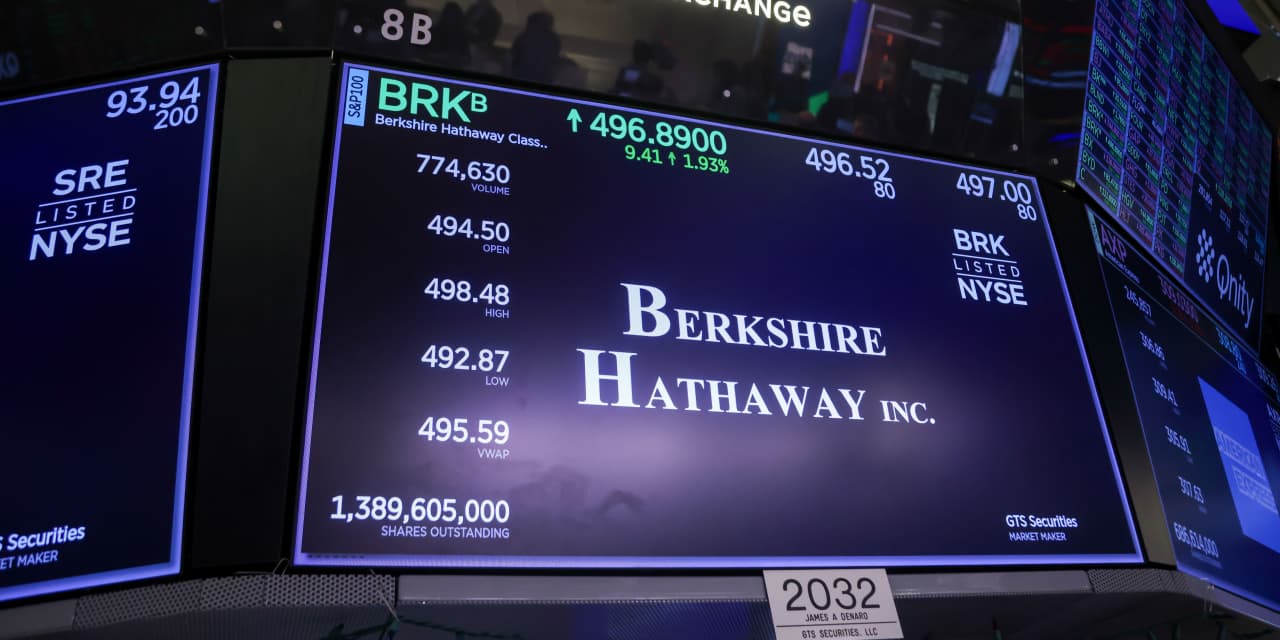
Berkshire Hathaway Shares Decline for Eight Consecutive Days: Is Now the Right Moment to Invest?

- Berkshire Hathaway's Financial Position: The company maintains a cash-rich balance sheet and other defensive attributes.
- Market Performance: Despite its strong financial position, Berkshire Hathaway has struggled in the challenging stock market environment at the start of 2026.
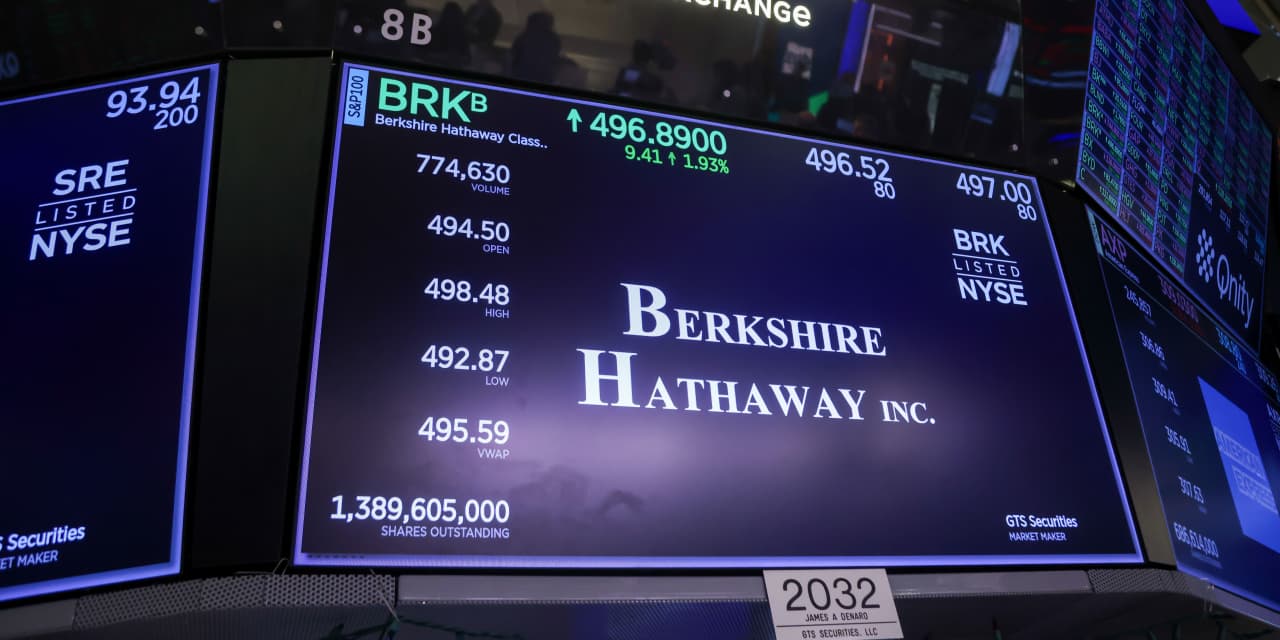
Berkshire Hathaway Ends 8-Day Decline: Now is a Great Opportunity to Invest in the Conglomerate.

- Berkshire Hathaway's Financial Position: The company maintains a cash-rich balance sheet and other defensive attributes.
- Market Performance: Despite its strong financial position, Berkshire Hathaway has struggled in the challenging stock market environment at the start of 2026.
Berkshire Hathaway Announces ¥128.9 Billion Senior Notes with 2.077% Interest Rate Maturing in 2029 - SEC Filing
Financial Overview: Berkshire Hathaway reported a significant financial figure of ¥128.9 billion, indicating a strong performance in its recent fiscal activities.
Senior Notes Details: The company has issued senior notes due in 2029, with a yield of 2.077%, reflecting its strategy to manage long-term financing.
Warren Buffett Has Retired, but His Recent Guidance is Perfectly Timed for Young Investors.
Market Volatility: Young investors are feeling anxious due to the fluctuations in the stock market caused by ongoing war, economic instability, and advancements in artificial intelligence.
Seeking Guidance: There is a growing demand among these investors for advice on how to manage their investments effectively during these uncertain times.
5 Popular Stocks Among Baby Boomers Currently Available at Reduced Prices
Current Market Trends: The market sell-off is creating opportunities for genuine discounts on well-established companies, particularly as the S&P 500 faces pressure from various economic factors.
Microsoft's Performance: Microsoft has shown impressive returns, nearly 600% over the past decade, and is currently trading at attractive valuations, making it a favorite among investors.
Berkshire Hathaway's Stability: Warren Buffett's Berkshire Hathaway has consistently delivered strong returns and remains a solid investment choice, with a significant cash reserve ready for deployment.
Kimberly-Clark's Resilience: Despite facing challenges, Kimberly-Clark has maintained a reliable dividend yield and continues to be a staple in many investors' portfolios, appealing to those focused on income.
Financial Sector Sees Significant Decline This Year, Yet XLF Appears to Be a Strong Buy-Low Option
Financial Sector Performance: The financial sector has struggled in 2026, with significant losses exceeding 10% year-to-date, contrasting with expectations of growth during Trump's second term due to lower rates and relaxed regulations.
Investment Opportunities: Despite the downturn, experts suggest that the current struggles in the financial sector present a buy-low opportunity for investors, particularly in the Financial Select Sector SPDR Fund, which has seen a notable decline from its all-time high.
Regulatory Environment: Trump's administration is expected to continue dismantling financial regulations, which could further impact the sector, although recent judicial actions have limited unilateral changes by the White House.
Market Indicators: Technical indicators suggest potential for a rebound in the financial sector, with the Relative Strength Index (RSI) showing signs of improvement after previously dipping below 30, indicating that the sector may be oversold.
Berkshire Hathaway Shares Decline for Eight Consecutive Days: Is Now the Right Moment to Invest?
- Berkshire Hathaway's Financial Position: The company maintains a cash-rich balance sheet and other defensive attributes.
- Market Performance: Despite its strong financial position, Berkshire Hathaway has struggled in the challenging stock market environment at the start of 2026.
Berkshire Hathaway Ends 8-Day Decline: Now is a Great Opportunity to Invest in the Conglomerate.
- Berkshire Hathaway's Financial Position: The company maintains a cash-rich balance sheet and other defensive attributes.
- Market Performance: Despite its strong financial position, Berkshire Hathaway has struggled in the challenging stock market environment at the start of 2026.