The Evolving Dynamics of a Market During Wartime


Market Impact of Iran Conflict: The ongoing Iran war has led to a correction in U.S. stock markets, with the Dow Jones Industrial Average experiencing its longest losing streak since May 2022, as investors grapple with the potential for a prolonged conflict and rising oil prices.
Cybersecurity Threats: U.S. companies, particularly in the tech sector, are facing increased cyberattacks linked to Iranian state-backed groups, which could disrupt operations and erode consumer trust, while also drawing attention to vulnerabilities in critical infrastructure.
Fertilizer Supply Concerns: The conflict has caused a significant rise in fertilizer prices and raised concerns about supply shortages for the upcoming planting season, potentially impacting crop yields and food prices globally.
Geopolitical Developments: Ongoing tensions in Ukraine and delayed U.S.-China talks highlight the complex geopolitical landscape, with implications for trade and international relations as the U.S. navigates multiple global conflicts.
Trade with 70% Backtested Accuracy
Analyst Views on PLTR

About PLTR
About the author

Palantir Technologies Stock Rebounds with Strong Performance

- Significant Performance Growth: Palantir's Q1 2026 revenue surged 85% year-over-year to $1.63 billion, marking the highest year-over-year growth rate in the company's history, which propelled adjusted EPS up 154% to $0.33, reflecting strong market demand and improved operational efficiency.
- Government and Commercial Revenue Surge: U.S. government revenue rose 84% to $507 million, while commercial revenue soared 133% to $507 million, indicating sustained strong demand for the Artificial Intelligence Platform (AIP) and further solidifying the company's market position.
- Strong Future Growth Potential: Palantir's remaining performance obligation (RPO) skyrocketed 143% to $4.21 billion, demonstrating a solid foundation for future revenue, suggesting ongoing business growth potential.
- Investor Confidence Rebounds: Palantir raised its full-year 2026 revenue growth forecast to 71%, up from 61%, and with a PEG ratio below 1, it indicates that the company's stock is undervalued, attracting increased investor interest.

Palantir Faces Valuation Challenges Amid AI Demand
- Market Valuation Discrepancy: Palantir is recognized as a leading AI company, yet Wall Street's valuation spread indicates the complexity of pricing its stock, particularly in the context of market prices from July 3, 2026, prompting investors to carefully assess future growth potential.
- Growth and Risks Coexist: While Palantir's growth, margins, and AI demand are viewed positively, there are concerns that market expectations may already be excessively high, necessitating investor vigilance regarding potential risk factors to avoid missteps in investment decisions.
- Lack of Investment Recommendations: The Motley Fool's analyst team has not included Palantir in their current list of the top 10 stocks to buy, reflecting a cautious market sentiment regarding its future performance, suggesting that investors should consider other potentially more rewarding investment options.
- Historical Return Comparisons: Compared to the recommendations of Netflix in 2004 and Nvidia in 2005, Palantir's absence from the recommended list indicates a lack of competitive strength in the market, leading investors to focus on its long-term return potential.
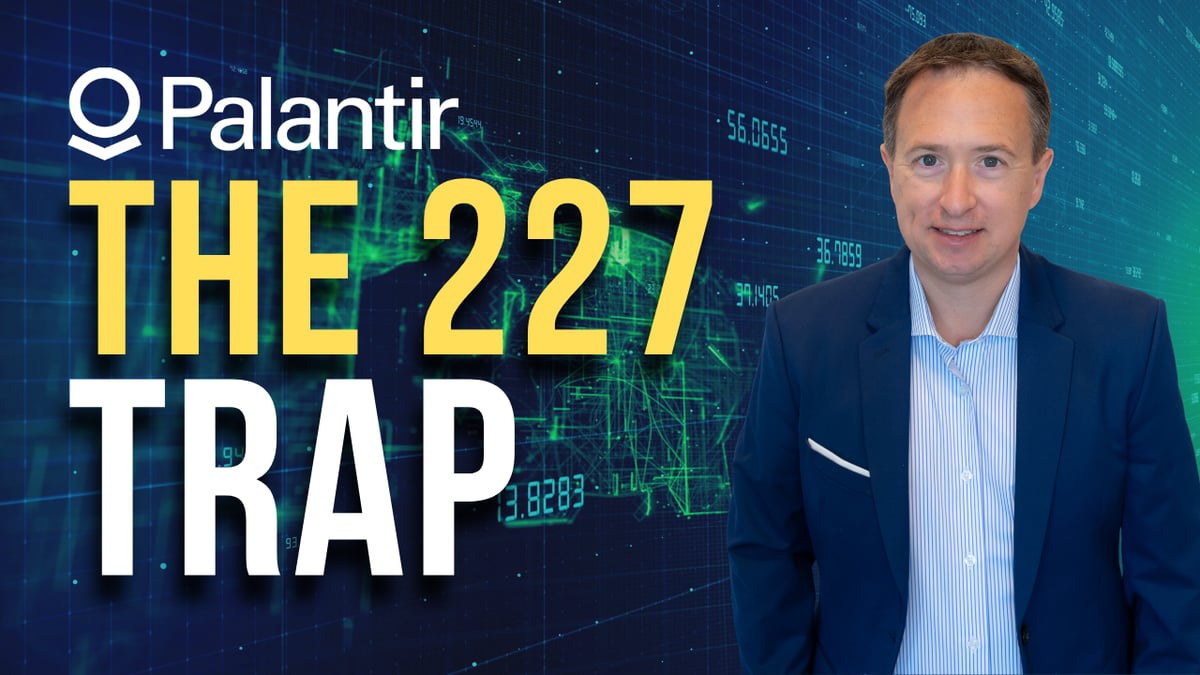
Palantir Faces Valuation Challenges Amid AI Demand
- Valuation Discrepancies: Palantir, recognized as one of the most impressive AI companies, faces significant valuation discrepancies on Wall Street, reflecting varying market perceptions of its future growth potential.
- Dependence on Growth and Margins: The bullish outlook for the company hinges on sustained growth, margins, and strong AI demand, indicating that investor expectations for its future performance may already be extremely high.
- Emerging Risk Factors: Despite Palantir's strong market position, the high valuation expectations could expose investors to risks, particularly if market sentiment shifts, potentially impacting the stock price negatively.
- Price Data Reference: Market prices as of July 3, 2026, were used as a basis for analysis, with the video published on July 8, 2026, highlighting the timeliness of market attention and analysis regarding Palantir.

Goldman Sachs Limits Employee Trading on Prediction Markets


- Insider Trading Risk: Goldman Sachs has prohibited employees from trading on event contracts related to the bank, including elections and macroeconomic data, aiming to mitigate insider trading risks, ensure compliance, and protect the company's reputation.
- Industry Response Lag: While legal experts note that many firms have yet to take action against insider trading risks in prediction markets, Goldman Sachs' policy indicates a growing concern within the financial sector, potentially prompting other companies to follow suit.
- Compliance Challenges: As prediction markets rise, legal experts warn that companies must establish clear policies and education to avoid potential liabilities, especially as insider trading cases become more prevalent.
- Market Regulation Dynamics: The CFTC and DOJ's prosecution of a Google employee for insider trading underscores the risks of using non-public information in prediction markets, prompting companies to reassess their insider trading policies to adapt to the new market environment.
Analysis of Palantir Technologies Stock Fluctuations
- Stock Volatility: Palantir's stock has dropped approximately 37% since its all-time high in November 2025, reflecting a broader sell-off in the software-as-a-service (SaaS) market, although analysts believe there is still room for price appreciation.
- Revenue Growth: In Q1 2025, Palantir's revenue surged 85% year-over-year, showcasing strong performance in the U.S. market, with a backlog of remaining deal value indicating significant potential for continued revenue growth.
- Operational Efficiency: The company's adjusted operating margin expanded to 60%, with R&D expenses falling below 10% of revenue, indicating a more effective sales strategy that enhances customer acquisition capabilities.
- Market Expectations: The median price target for Palantir on Wall Street is $200 per share, approximately 54% above the current price, suggesting analysts' optimistic outlook on the company's future growth, despite ongoing valuation concerns.

Palantir Reports Strong Earnings Amid Stock Volatility
- Significant Revenue Growth: Palantir's revenue surged 85% year-over-year in Q1, showcasing strong performance in the U.S. market, indicating the company's potential for sustained revenue growth in a rapidly expanding market.
- Improved Profitability: Adjusted operating margin expanded to 60%, with R&D expenses dropping to less than 10% of revenue, demonstrating the company's ability to enhance profitability while controlling costs, thereby strengthening its competitive position.
- Optimistic Market Expectations: Despite a 37% decline in stock price, Wall Street's median price target stands at $200 per share, approximately 54% above the current price, reflecting confidence in Palantir's future growth prospects.
- Effective Customer Acquisition Strategy: Palantir's boot camps to demonstrate software usage have successfully driven customer acquisition, further solidifying its unique position in the enterprise software market and mitigating competitive threats.
Palantir Technologies Stock Rebounds with Strong Performance
- Significant Performance Growth: Palantir's Q1 2026 revenue surged 85% year-over-year to $1.63 billion, marking the highest year-over-year growth rate in the company's history, which propelled adjusted EPS up 154% to $0.33, reflecting strong market demand and improved operational efficiency.
- Government and Commercial Revenue Surge: U.S. government revenue rose 84% to $507 million, while commercial revenue soared 133% to $507 million, indicating sustained strong demand for the Artificial Intelligence Platform (AIP) and further solidifying the company's market position.
- Strong Future Growth Potential: Palantir's remaining performance obligation (RPO) skyrocketed 143% to $4.21 billion, demonstrating a solid foundation for future revenue, suggesting ongoing business growth potential.
- Investor Confidence Rebounds: Palantir raised its full-year 2026 revenue growth forecast to 71%, up from 61%, and with a PEG ratio below 1, it indicates that the company's stock is undervalued, attracting increased investor interest.
Palantir Faces Valuation Challenges Amid AI Demand
- Market Valuation Discrepancy: Palantir is recognized as a leading AI company, yet Wall Street's valuation spread indicates the complexity of pricing its stock, particularly in the context of market prices from July 3, 2026, prompting investors to carefully assess future growth potential.
- Growth and Risks Coexist: While Palantir's growth, margins, and AI demand are viewed positively, there are concerns that market expectations may already be excessively high, necessitating investor vigilance regarding potential risk factors to avoid missteps in investment decisions.
- Lack of Investment Recommendations: The Motley Fool's analyst team has not included Palantir in their current list of the top 10 stocks to buy, reflecting a cautious market sentiment regarding its future performance, suggesting that investors should consider other potentially more rewarding investment options.
- Historical Return Comparisons: Compared to the recommendations of Netflix in 2004 and Nvidia in 2005, Palantir's absence from the recommended list indicates a lack of competitive strength in the market, leading investors to focus on its long-term return potential.
Palantir Faces Valuation Challenges Amid AI Demand
- Valuation Discrepancies: Palantir, recognized as one of the most impressive AI companies, faces significant valuation discrepancies on Wall Street, reflecting varying market perceptions of its future growth potential.
- Dependence on Growth and Margins: The bullish outlook for the company hinges on sustained growth, margins, and strong AI demand, indicating that investor expectations for its future performance may already be extremely high.
- Emerging Risk Factors: Despite Palantir's strong market position, the high valuation expectations could expose investors to risks, particularly if market sentiment shifts, potentially impacting the stock price negatively.
- Price Data Reference: Market prices as of July 3, 2026, were used as a basis for analysis, with the video published on July 8, 2026, highlighting the timeliness of market attention and analysis regarding Palantir.
Goldman Sachs Limits Employee Trading on Prediction Markets
- Insider Trading Risk: Goldman Sachs has prohibited employees from trading on event contracts related to the bank, including elections and macroeconomic data, aiming to mitigate insider trading risks, ensure compliance, and protect the company's reputation.
- Industry Response Lag: While legal experts note that many firms have yet to take action against insider trading risks in prediction markets, Goldman Sachs' policy indicates a growing concern within the financial sector, potentially prompting other companies to follow suit.
- Compliance Challenges: As prediction markets rise, legal experts warn that companies must establish clear policies and education to avoid potential liabilities, especially as insider trading cases become more prevalent.
- Market Regulation Dynamics: The CFTC and DOJ's prosecution of a Google employee for insider trading underscores the risks of using non-public information in prediction markets, prompting companies to reassess their insider trading policies to adapt to the new market environment.
Analysis of Palantir Technologies Stock Fluctuations
- Stock Volatility: Palantir's stock has dropped approximately 37% since its all-time high in November 2025, reflecting a broader sell-off in the software-as-a-service (SaaS) market, although analysts believe there is still room for price appreciation.
- Revenue Growth: In Q1 2025, Palantir's revenue surged 85% year-over-year, showcasing strong performance in the U.S. market, with a backlog of remaining deal value indicating significant potential for continued revenue growth.
- Operational Efficiency: The company's adjusted operating margin expanded to 60%, with R&D expenses falling below 10% of revenue, indicating a more effective sales strategy that enhances customer acquisition capabilities.
- Market Expectations: The median price target for Palantir on Wall Street is $200 per share, approximately 54% above the current price, suggesting analysts' optimistic outlook on the company's future growth, despite ongoing valuation concerns.
Palantir Reports Strong Earnings Amid Stock Volatility
- Significant Revenue Growth: Palantir's revenue surged 85% year-over-year in Q1, showcasing strong performance in the U.S. market, indicating the company's potential for sustained revenue growth in a rapidly expanding market.
- Improved Profitability: Adjusted operating margin expanded to 60%, with R&D expenses dropping to less than 10% of revenue, demonstrating the company's ability to enhance profitability while controlling costs, thereby strengthening its competitive position.
- Optimistic Market Expectations: Despite a 37% decline in stock price, Wall Street's median price target stands at $200 per share, approximately 54% above the current price, reflecting confidence in Palantir's future growth prospects.
- Effective Customer Acquisition Strategy: Palantir's boot camps to demonstrate software usage have successfully driven customer acquisition, further solidifying its unique position in the enterprise software market and mitigating competitive threats.