Teva Receives FDA Approval for New Biosimilar Drug
Written by Emily J. Thompson, Senior Investment Analyst
Updated: Mar 30 2026
0mins

Should l Buy TEVA?
Source: seekingalpha
- Biosimilar Approval: Teva Pharmaceutical's Ponlimsi (denosumab-adet) has received FDA approval as a biosimilar to Amgen's Prolia (denosumab), which is projected to generate approximately $4.4 billion in revenue in 2025, indicating Teva's potential in the osteoporosis treatment market.
- Increased Market Competition: As Prolia is Amgen's best-selling drug, Teva's approval may exert competitive pressure, potentially leading to a decline in Prolia's market share, which could adversely affect Amgen's revenue and market position.
- Regulatory Review Progress: Teva also announced that the FDA and the European Medicines Agency have agreed to review its biosimilar applications for Genentech and Novartis' Xolair (omalizumab), which reported sales of approximately $3.8 billion and $1.7 billion in 2025, respectively, showcasing Teva's expansion potential in respiratory disease treatments.
- Optimistic Industry Outlook: With the FDA relaxing testing rules for biosimilars, Teva's applications are likely to receive more support, potentially driving growth for other generic drug suppliers in the industry, thereby enhancing market competition and drug accessibility.
Trade with 70% Backtested Accuracy
Stop guessing "Should I Buy TEVA?" and start using high-conviction signals backed by rigorous historical data.
Sign up today to access powerful investing tools and make smarter, data-driven decisions.
Analyst Views on TEVA
Wall Street analysts forecast TEVA stock price to rise
11 Analyst Rating
10 Buy
1 Hold
0 Sell
Strong Buy
Current: 32.400

Low
29.00
Averages
35.71
High
40.00
Current: 32.400
Low
29.00
Averages
35.71
High
40.00
About TEVA
Teva Pharmaceutical Industries Ltd is a Israeli-based pharmaceutical company. The Company operates through three segments: North America, Europe and International Markets. Each business segment manages entire product portfolio in its region, including generics, specialty and over-the-counter (OTC) products. In addition to these three segments, The Company has other activities, primarily the sale of active pharmaceutical ingredients (API) to third parties, certain contract manufacturing services and an out-licensing platform offering a portfolio of products to other pharmaceutical companies through its affiliate Medis.
About the author

Emily J. Thompson
Emily J. Thompson, a Chartered Financial Analyst (CFA) with 12 years in investment research, graduated with honors from the Wharton School. Specializing in industrial and technology stocks, she provides in-depth analysis for Intellectia’s earnings and market brief reports.

Teva Pharmaceutical Featured in Einhorn's Top Stock Picks
- Stake Increase: Teva Pharmaceutical has been part of Greenlight Capital's 13F portfolio since Q4 2023, starting with 268,000 shares, and has seen steady increases of 21%, 44%, and 21% in subsequent quarters.
- Massive Buying Activity: In Q2 2025, Greenlight Capital increased its stake by over 550%, reflecting strong confidence in Teva, although by Q4 2025, holdings slightly decreased to just over 3 million shares, down nearly 20% from Q3.
- Innovative Drug Sales: Teva's innovative brands, including AUSTEDO, collectively surpassed $1 billion in sales for the first time in Q4 2025, with projections indicating sales could reach $2.5 billion by 2027, showcasing the company's successful shift towards high-margin brand drugs.
- R&D Investment: Teva is developing a promising blockbuster for inflammatory bowel disease, with recent data positioning it as a best-in-class therapy, and a $400 million funding agreement with Blackstone will accelerate its development, further attracting institutional interest.
See More

Teva's FDA Approval of Long-Acting Drug Could Be Major Catalyst

- New Drug Approval Outlook: Teva's New Drug Application for long-acting schizophrenia drug olanzapine has been accepted by the FDA, and if approved, it is expected to significantly enhance patient adherence, driving sales growth and becoming the company's most meaningful catalyst.
- Specialty Drug Sales Surge: Teva's Austedo generated $2.26 billion in sales in 2025, marking a 34% year-over-year increase, with expectations to reach between $2.4 billion and $2.55 billion in 2026, showcasing strong momentum in the specialty drug sector.
- Biosimilar Market Expansion: Teva plans to launch six new biosimilars in 2026 and 2027, potentially competing with Amgen and Johnson & Johnson, which will further solidify its position as the second-largest player in the biosimilar market.
- Investor Confidence Boost: Analysts are optimistic about Teva's future, with 12 out of 15 analysts rating the stock as a
See More

Teva Pharmaceutical Shares Surge 130% with Optimistic Outlook
- FDA Approval Catalyst: Teva's long-acting olanzapine injectable suspension NDA has been accepted by the FDA, with a decision expected later this year; approval could significantly enhance patient adherence, with combined annual sales with Uzedy projected to exceed $2 billion.
- Specialty Drug Sales Surge: Teva's specialty drug Austedo generated $2.26 billion in sales in 2025, a 34% year-over-year increase, with expectations for 2026 sales to rise between $2.4 billion and $2.55 billion, reflecting strong market demand and competitive positioning in the specialty drug sector.
- Biosimilar Expansion: Teva plans to launch six new biosimilars in 2026 and 2027, further solidifying its position as the second-largest player in the biosimilar market, with anticipated competition against giants like Amgen and Johnson & Johnson, driving future revenue growth.
- Market Risk Factors: Despite several catalysts propelling stock price growth, a market crash or significant pipeline issues could derail Teva's momentum; however, the company's pipeline is relatively de-risked, and with a forward P/E of only 11.7, it presents a compelling value investment opportunity.
See More

Greenlight Capital Achieves 6.5% Return in Q1 Amid Market Decline

- Investment Performance: David Einhorn's Greenlight Capital funds achieved a 6.5% return in Q1, significantly outperforming the S&P 500 index's 4.4% decline, demonstrating the effectiveness of its investment strategy and market adaptability.
- Winners and Losers: In this quarter, gold, Acadia Healthcare (ACHC), DHT Holdings (DHT), and Core Natural Resources (CNR) emerged as major winners, while SOFR futures, Kyndryl (KD), and Graphic Packaging (GPK) were the biggest losers, reflecting market volatility and sector performance disparities.
- Quantitative Ratings Analysis: In the aQuant ratings snapshot of core holdings, DHT Holdings (DHT) received a
See More

ACWX ETF 52-Week Price Analysis

- Price Range Analysis: The ACWX ETF has a 52-week low of $49.33 and a high of $74.92, with the last trade at $72.21, indicating relative stability in a volatile market, which may attract investors seeking steady returns.
- Technical Analysis Tool: Comparing the current share price to the 200-day moving average can provide valuable insights for investors, helping them assess market trends and make more informed investment decisions.
- ETF Trading Mechanism: Exchange-traded funds (ETFs) trade like stocks, where investors buy and sell 'units' that can be created or destroyed based on demand, impacting the fund's liquidity and market performance.
- Inflows and Outflows Monitoring: Weekly monitoring of changes in shares outstanding helps identify ETFs with significant inflows or outflows, where inflows necessitate purchasing underlying assets, while outflows may lead to selling, affecting individual stock performance.
See More
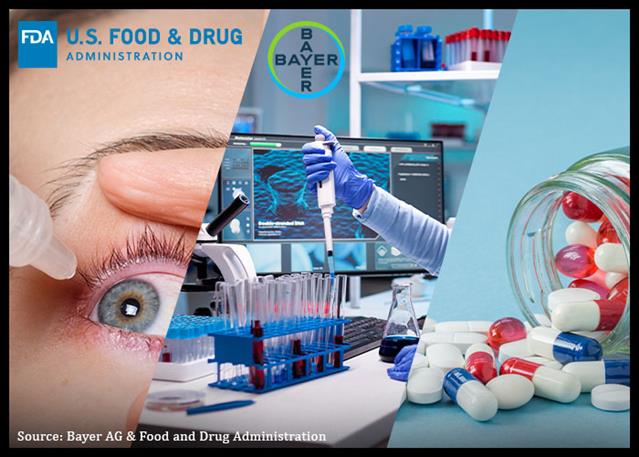
Biotech Landscape Update: Regulatory Approvals and Acquisitions
- ARS Pharma Expands Neffy Label: ARS Pharmaceuticals received FDA approval to update the Neffy 1mg label, removing age restrictions for individuals weighing over 33 lbs, which is expected to significantly boost market demand and enhance the company's competitive edge in allergy treatment.
- Novo Nordisk Wins Approval for Awiqli: Novo Nordisk's Awiqli (insulin icodec-abae) received FDA approval as the first once-weekly basal insulin, with a U.S. launch planned for 2H 2026, strengthening the company's leadership in diabetes care.
- Biogen Acquires Apellis: Biogen has agreed to acquire Apellis for $41 per share, valuing the deal at approximately $5.6 billion, which is expected to enhance its market share in immunology and rare diseases while driving future revenue growth.
- Takeda's Zasocitinib Clinical Trial Success: Takeda's Zasocitinib showed that about 70% of patients achieved significant skin clearance in Phase 3 trials, with plans to submit a New Drug Application in 2026, further solidifying its position in the dermatology market.
See More
Teva Pharmaceutical Featured in Einhorn's Top Stock Picks
- Stake Increase: Teva Pharmaceutical has been part of Greenlight Capital's 13F portfolio since Q4 2023, starting with 268,000 shares, and has seen steady increases of 21%, 44%, and 21% in subsequent quarters.
- Massive Buying Activity: In Q2 2025, Greenlight Capital increased its stake by over 550%, reflecting strong confidence in Teva, although by Q4 2025, holdings slightly decreased to just over 3 million shares, down nearly 20% from Q3.
- Innovative Drug Sales: Teva's innovative brands, including AUSTEDO, collectively surpassed $1 billion in sales for the first time in Q4 2025, with projections indicating sales could reach $2.5 billion by 2027, showcasing the company's successful shift towards high-margin brand drugs.
- R&D Investment: Teva is developing a promising blockbuster for inflammatory bowel disease, with recent data positioning it as a best-in-class therapy, and a $400 million funding agreement with Blackstone will accelerate its development, further attracting institutional interest.
See More
Teva's FDA Approval of Long-Acting Drug Could Be Major Catalyst
- New Drug Approval Outlook: Teva's New Drug Application for long-acting schizophrenia drug olanzapine has been accepted by the FDA, and if approved, it is expected to significantly enhance patient adherence, driving sales growth and becoming the company's most meaningful catalyst.
- Specialty Drug Sales Surge: Teva's Austedo generated $2.26 billion in sales in 2025, marking a 34% year-over-year increase, with expectations to reach between $2.4 billion and $2.55 billion in 2026, showcasing strong momentum in the specialty drug sector.
- Biosimilar Market Expansion: Teva plans to launch six new biosimilars in 2026 and 2027, potentially competing with Amgen and Johnson & Johnson, which will further solidify its position as the second-largest player in the biosimilar market.
- Investor Confidence Boost: Analysts are optimistic about Teva's future, with 12 out of 15 analysts rating the stock as a
See More
Teva Pharmaceutical Shares Surge 130% with Optimistic Outlook
- FDA Approval Catalyst: Teva's long-acting olanzapine injectable suspension NDA has been accepted by the FDA, with a decision expected later this year; approval could significantly enhance patient adherence, with combined annual sales with Uzedy projected to exceed $2 billion.
- Specialty Drug Sales Surge: Teva's specialty drug Austedo generated $2.26 billion in sales in 2025, a 34% year-over-year increase, with expectations for 2026 sales to rise between $2.4 billion and $2.55 billion, reflecting strong market demand and competitive positioning in the specialty drug sector.
- Biosimilar Expansion: Teva plans to launch six new biosimilars in 2026 and 2027, further solidifying its position as the second-largest player in the biosimilar market, with anticipated competition against giants like Amgen and Johnson & Johnson, driving future revenue growth.
- Market Risk Factors: Despite several catalysts propelling stock price growth, a market crash or significant pipeline issues could derail Teva's momentum; however, the company's pipeline is relatively de-risked, and with a forward P/E of only 11.7, it presents a compelling value investment opportunity.
See More
Greenlight Capital Achieves 6.5% Return in Q1 Amid Market Decline
- Investment Performance: David Einhorn's Greenlight Capital funds achieved a 6.5% return in Q1, significantly outperforming the S&P 500 index's 4.4% decline, demonstrating the effectiveness of its investment strategy and market adaptability.
- Winners and Losers: In this quarter, gold, Acadia Healthcare (ACHC), DHT Holdings (DHT), and Core Natural Resources (CNR) emerged as major winners, while SOFR futures, Kyndryl (KD), and Graphic Packaging (GPK) were the biggest losers, reflecting market volatility and sector performance disparities.
- Quantitative Ratings Analysis: In the aQuant ratings snapshot of core holdings, DHT Holdings (DHT) received a
See More
ACWX ETF 52-Week Price Analysis
- Price Range Analysis: The ACWX ETF has a 52-week low of $49.33 and a high of $74.92, with the last trade at $72.21, indicating relative stability in a volatile market, which may attract investors seeking steady returns.
- Technical Analysis Tool: Comparing the current share price to the 200-day moving average can provide valuable insights for investors, helping them assess market trends and make more informed investment decisions.
- ETF Trading Mechanism: Exchange-traded funds (ETFs) trade like stocks, where investors buy and sell 'units' that can be created or destroyed based on demand, impacting the fund's liquidity and market performance.
- Inflows and Outflows Monitoring: Weekly monitoring of changes in shares outstanding helps identify ETFs with significant inflows or outflows, where inflows necessitate purchasing underlying assets, while outflows may lead to selling, affecting individual stock performance.
See More
Biotech Landscape Update: Regulatory Approvals and Acquisitions
- ARS Pharma Expands Neffy Label: ARS Pharmaceuticals received FDA approval to update the Neffy 1mg label, removing age restrictions for individuals weighing over 33 lbs, which is expected to significantly boost market demand and enhance the company's competitive edge in allergy treatment.
- Novo Nordisk Wins Approval for Awiqli: Novo Nordisk's Awiqli (insulin icodec-abae) received FDA approval as the first once-weekly basal insulin, with a U.S. launch planned for 2H 2026, strengthening the company's leadership in diabetes care.
- Biogen Acquires Apellis: Biogen has agreed to acquire Apellis for $41 per share, valuing the deal at approximately $5.6 billion, which is expected to enhance its market share in immunology and rare diseases while driving future revenue growth.
- Takeda's Zasocitinib Clinical Trial Success: Takeda's Zasocitinib showed that about 70% of patients achieved significant skin clearance in Phase 3 trials, with plans to submit a New Drug Application in 2026, further solidifying its position in the dermatology market.
See More