Tesla's Robo-Taxi Launch Marks a New Era
Written by Emily J. Thompson, Senior Investment Analyst
Updated: Jan 30 2026
0mins


Should l Buy TSLA?
Source: Fool
- Robo-Taxi Launch: Tesla has officially launched its robo-taxi service in Austin, Texas, marking a significant advancement in its autonomous driving efforts, although it still lags behind competitors like Waymo, which could impact Tesla's market competitiveness.
- Insurance Cost Reduction: Tesla's partnership with Lemonade introduces a pay-per-mile insurance product that offers a 50% discount when FSD is activated, which not only lowers operational costs for users but may also attract more consumers to Tesla's autonomous driving services.
- Intensifying Market Competition: While Tesla has made strides in autonomous technology, the competition remains fierce, with companies like Waymo and Zoox leading in fully driverless operations, necessitating Tesla to accelerate its technology iterations to maintain market share.
- Subscription Model Raises Concerns: The introduction of a monthly subscription model for FSD may boost short-term revenues, but it could also lead to consumer skepticism regarding long-term value, reflecting challenges in Tesla's market positioning.
Trade with 70% Backtested Accuracy
Stop guessing "Should I Buy TSLA?" and start using high-conviction signals backed by rigorous historical data.
Sign up today to access powerful investing tools and make smarter, data-driven decisions.
Analyst Views on TSLA
Wall Street analysts forecast TSLA stock price to rise
30 Analyst Rating
12 Buy
11 Hold
7 Sell
Hold
Current: 381.260

Low
25.28
Averages
401.93
High
600.00
Current: 381.260
Low
25.28
Averages
401.93
High
600.00
About TSLA
Tesla, Inc. designs, develops, manufactures, sells and leases high-performance fully electric vehicles and energy generation and storage systems, and offers services related to its products. Its segments include automotive, and energy generation and storage. The automotive segment includes the design, development, manufacturing, sales and leasing of high-performance fully electric vehicles, and sales of automotive regulatory credits. It also includes sales of used vehicles, non-warranty maintenance services and collisions, part sales, paid supercharging, insurance services revenue and retail merchandise sales. The energy generation and storage segment include the design, manufacture, installation, sales and leasing of solar energy generation and energy storage products and related services and sales of solar energy systems incentives. Its consumer vehicles include the Model 3, Y, S, X and Cybertruck. Its lithium-ion battery energy storage products include Powerwall and Megapack.
About the author

Emily J. Thompson
Emily J. Thompson, a Chartered Financial Analyst (CFA) with 12 years in investment research, graduated with honors from the Wharton School. Specializing in industrial and technology stocks, she provides in-depth analysis for Intellectia’s earnings and market brief reports.
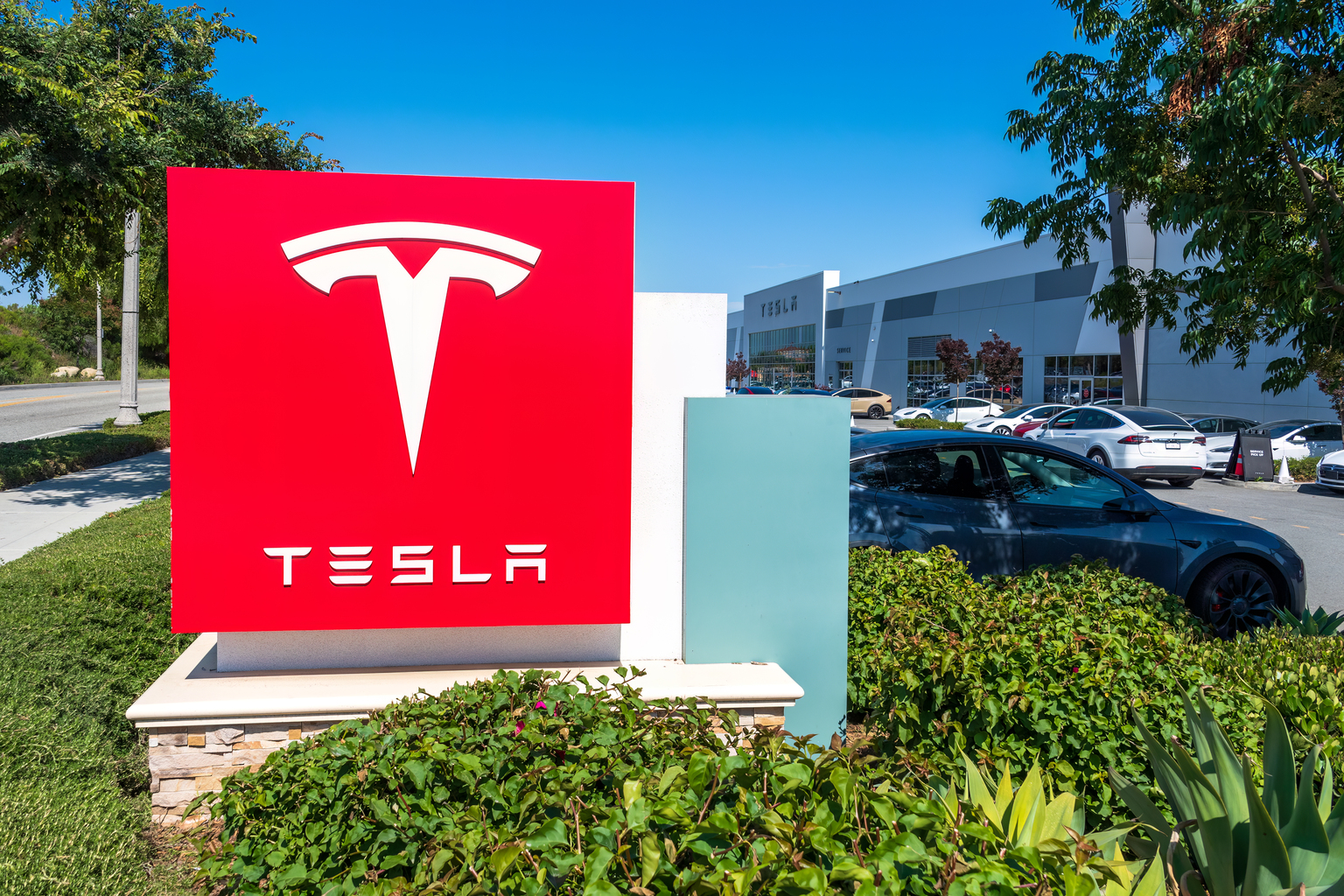
Tesla Q1 Deliveries Fall Short of Expectations

- Delivery Analysis: Tesla delivered 358,023 vehicles in Q1, falling short of the consensus estimate of 365,000, although this represents a 6.2% increase from 336,881 vehicles delivered in Q1 2025, indicating some growth potential amid market challenges.
- Production and Deliveries: During the same quarter, Tesla produced 408,386 vehicles, with Model 3/Y deliveries at 341,893 and other models at 16,130, highlighting sustained demand for core models, but the overall shortfall may impact investor confidence.
- Future Outlook: Analysts project Tesla's deliveries to reach 1.69 million in 2026, 1.88 million in 2027, and 2.13 million in 2028, with expectations of surpassing 3 million vehicles by 2030, which could attract investor interest given the long-term growth outlook.
- Market Reaction: Tesla's shares fell 3.3% in premarket trading and are down over 15% in 2026, reflecting market disappointment with the delivery figures, while its market cap stands at $1.39 trillion, indicating cautious sentiment regarding its future performance.
See More

Tesla Faces Continued Weakness in U.S. Demand as Q1 Approaches
- Declining U.S. Registrations: In Q1 2023, Tesla's U.S. vehicle registrations totaled 119,900, reflecting a 12.5% year-over-year decline, indicating persistent weakness in domestic demand that could adversely affect future delivery performance.
- Weak Delivery Expectations: Wall Street anticipates Tesla will report approximately 365,645 global deliveries in Q1, while independent researcher Troy Teslike projects around 375,000 vehicles, both figures falling short of last year's 336,681 deliveries, highlighting diminishing market confidence in Tesla.
- Sales Continue to Drop: Tesla sold 41,300 vehicles in March, down 7.9% year-over-year, although slightly above February's 38,500 units, marking the sixth consecutive month of year-over-year declines, which underscores ongoing demand challenges in the market.
- Bearish Market Sentiment: According to Stocktwits, retail sentiment for Tesla has remained in the 'bearish' territory over the past week, with investors expressing low expectations for Q1 deliveries, contributing to a 15% decline in TSLA stock year-to-date.
See More
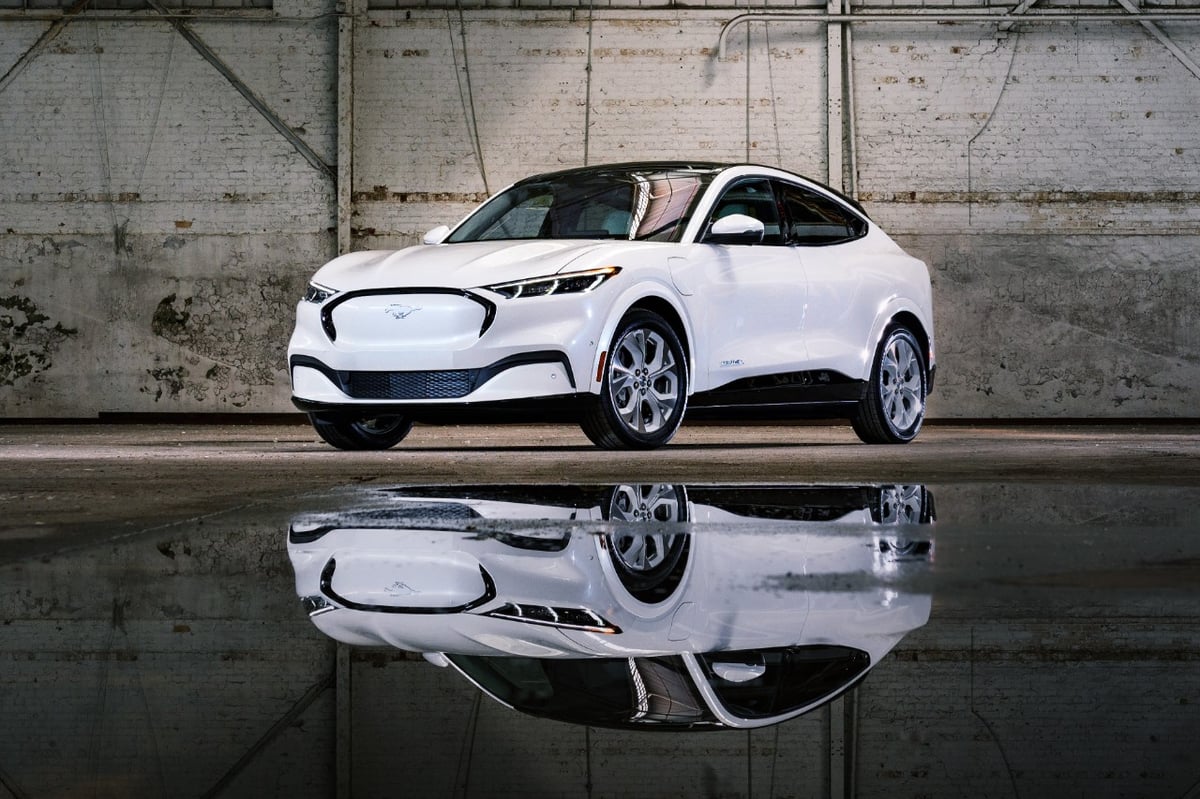
Ford Credit's Profit-Driving Potential


- Profit Source: Ford Credit, while generating only about 5% of the company's revenue annually, contributes 15% to 20% of profits, with last year's earnings before taxes reaching $2.6 billion and returning $1.7 billion in cash to Ford, supporting growth in electric vehicles and other initiatives.
- Leasing Risks: Ford Credit finances customer sales and leases, and is projected to face significant risks from off-lease EVs with residual values lower than expected, potentially crippling profitability, especially with nearly 800,000 EVs expected to come off lease by 2028.
- Market Dynamics: By the end of 2026, EVs are expected to make up 15% of off-lease used vehicles, up from just 7.7% in Q1 2023, indicating rapid changes in the EV market and its potential impact on Ford Credit.
- Industry Loss Estimates: Experts predict that the resale value of off-lease EVs will be around $10,000 less than projected, leading to an estimated industry-wide loss of about $8 billion in 2028, posing challenges for Ford and its competitors Tesla and General Motors.
See More

Ford Credit Faces EV Residual Value Crisis
- Profitability Overview: Ford Credit has recorded only one annual loss in the past two decades, in 2008, and while it typically generates about 5% of the company's revenue, it contributes 15% to 20% of profits, highlighting its significance as a profit engine.
- EV Residual Value Risk: With nearly 800,000 EVs expected to flood the market by 2028, industry experts predict these vehicles will resell for about $10,000 less than projected, potentially leading to an industry-wide loss of approximately $8 billion, posing significant financial pressure on Ford Credit.
- Leasing Market Dynamics: Ford's performance in the EV leasing market is relatively weak, with only 52,000 EV leases last year compared to 228,000 for Tesla and 102,000 for General Motors, which may impact Ford's future profitability due to market share disparities.
- Investor Watchpoint: Although the current situation is less severe than the 2008 crisis, the residual value issues of EVs warrant close attention from investors, as they could unexpectedly affect Ford's financial health in the coming years.
See More

Market Update: Oil Prices and Employment Data
- Oil Prices Remain High: Domestic oil prices are holding above $110 per barrel, with global Brent prices just below that level, reflecting market concerns over Middle Eastern tensions that could increase costs for airlines and transportation sectors, thereby impacting overall economic growth.
- Fragile Job Market: The March jobs report is expected to show an addition of 65,000 jobs, which is seen as a breakeven number to maintain economic balance, yet it highlights the fragility of the labor market that could affect consumer confidence and spending.
- Tesla's Disappointing Deliveries: Tesla's first-quarter delivery numbers fell short of expectations, underscoring challenges in the electric vehicle market, especially as rising gas prices may delay consumer demand for EVs, impacting the company's future revenue growth.
- OpenAI Acquires Media Company: OpenAI has acquired the popular tech news show TBPN, although the terms of the deal were not disclosed, this move is expected to enhance its influence in the tech media space and potentially support its future market strategy.
See More

Tesla's Dominance in the Robotaxi Market

- Massive Market Potential: The global robotaxi market is projected to reach $10 trillion, and Tesla, with its capital and infrastructure advantages, is poised to dominate this market, driving future growth for the company.
- Key AI Investments: Tesla's recent $2 billion investment in Elon Musk's AI startup xAI indicates a strategic focus on artificial intelligence, and if it achieves full autonomy, it could significantly enhance its competitive edge in the market.
- Data Generation Advantage: Tesla's ability to produce its own vehicles at scale allows it to generate real-world driving data faster, which is crucial for collecting large-scale data and may provide it with unparalleled advantages in the robotaxi sector.
- High Valuation with Potential: Despite Tesla's stock trading at 14.2 times sales, analysts and investors remain optimistic about its prospects, potentially underestimating the company's true potential, making it an unlikely
See More
Tesla Q1 Deliveries Fall Short of Expectations
- Delivery Analysis: Tesla delivered 358,023 vehicles in Q1, falling short of the consensus estimate of 365,000, although this represents a 6.2% increase from 336,881 vehicles delivered in Q1 2025, indicating some growth potential amid market challenges.
- Production and Deliveries: During the same quarter, Tesla produced 408,386 vehicles, with Model 3/Y deliveries at 341,893 and other models at 16,130, highlighting sustained demand for core models, but the overall shortfall may impact investor confidence.
- Future Outlook: Analysts project Tesla's deliveries to reach 1.69 million in 2026, 1.88 million in 2027, and 2.13 million in 2028, with expectations of surpassing 3 million vehicles by 2030, which could attract investor interest given the long-term growth outlook.
- Market Reaction: Tesla's shares fell 3.3% in premarket trading and are down over 15% in 2026, reflecting market disappointment with the delivery figures, while its market cap stands at $1.39 trillion, indicating cautious sentiment regarding its future performance.
See More
Tesla Faces Continued Weakness in U.S. Demand as Q1 Approaches
- Declining U.S. Registrations: In Q1 2023, Tesla's U.S. vehicle registrations totaled 119,900, reflecting a 12.5% year-over-year decline, indicating persistent weakness in domestic demand that could adversely affect future delivery performance.
- Weak Delivery Expectations: Wall Street anticipates Tesla will report approximately 365,645 global deliveries in Q1, while independent researcher Troy Teslike projects around 375,000 vehicles, both figures falling short of last year's 336,681 deliveries, highlighting diminishing market confidence in Tesla.
- Sales Continue to Drop: Tesla sold 41,300 vehicles in March, down 7.9% year-over-year, although slightly above February's 38,500 units, marking the sixth consecutive month of year-over-year declines, which underscores ongoing demand challenges in the market.
- Bearish Market Sentiment: According to Stocktwits, retail sentiment for Tesla has remained in the 'bearish' territory over the past week, with investors expressing low expectations for Q1 deliveries, contributing to a 15% decline in TSLA stock year-to-date.
See More
Ford Credit's Profit-Driving Potential
- Profit Source: Ford Credit, while generating only about 5% of the company's revenue annually, contributes 15% to 20% of profits, with last year's earnings before taxes reaching $2.6 billion and returning $1.7 billion in cash to Ford, supporting growth in electric vehicles and other initiatives.
- Leasing Risks: Ford Credit finances customer sales and leases, and is projected to face significant risks from off-lease EVs with residual values lower than expected, potentially crippling profitability, especially with nearly 800,000 EVs expected to come off lease by 2028.
- Market Dynamics: By the end of 2026, EVs are expected to make up 15% of off-lease used vehicles, up from just 7.7% in Q1 2023, indicating rapid changes in the EV market and its potential impact on Ford Credit.
- Industry Loss Estimates: Experts predict that the resale value of off-lease EVs will be around $10,000 less than projected, leading to an estimated industry-wide loss of about $8 billion in 2028, posing challenges for Ford and its competitors Tesla and General Motors.
See More
Ford Credit Faces EV Residual Value Crisis
- Profitability Overview: Ford Credit has recorded only one annual loss in the past two decades, in 2008, and while it typically generates about 5% of the company's revenue, it contributes 15% to 20% of profits, highlighting its significance as a profit engine.
- EV Residual Value Risk: With nearly 800,000 EVs expected to flood the market by 2028, industry experts predict these vehicles will resell for about $10,000 less than projected, potentially leading to an industry-wide loss of approximately $8 billion, posing significant financial pressure on Ford Credit.
- Leasing Market Dynamics: Ford's performance in the EV leasing market is relatively weak, with only 52,000 EV leases last year compared to 228,000 for Tesla and 102,000 for General Motors, which may impact Ford's future profitability due to market share disparities.
- Investor Watchpoint: Although the current situation is less severe than the 2008 crisis, the residual value issues of EVs warrant close attention from investors, as they could unexpectedly affect Ford's financial health in the coming years.
See More
Market Update: Oil Prices and Employment Data
- Oil Prices Remain High: Domestic oil prices are holding above $110 per barrel, with global Brent prices just below that level, reflecting market concerns over Middle Eastern tensions that could increase costs for airlines and transportation sectors, thereby impacting overall economic growth.
- Fragile Job Market: The March jobs report is expected to show an addition of 65,000 jobs, which is seen as a breakeven number to maintain economic balance, yet it highlights the fragility of the labor market that could affect consumer confidence and spending.
- Tesla's Disappointing Deliveries: Tesla's first-quarter delivery numbers fell short of expectations, underscoring challenges in the electric vehicle market, especially as rising gas prices may delay consumer demand for EVs, impacting the company's future revenue growth.
- OpenAI Acquires Media Company: OpenAI has acquired the popular tech news show TBPN, although the terms of the deal were not disclosed, this move is expected to enhance its influence in the tech media space and potentially support its future market strategy.
See More
Tesla's Dominance in the Robotaxi Market
- Massive Market Potential: The global robotaxi market is projected to reach $10 trillion, and Tesla, with its capital and infrastructure advantages, is poised to dominate this market, driving future growth for the company.
- Key AI Investments: Tesla's recent $2 billion investment in Elon Musk's AI startup xAI indicates a strategic focus on artificial intelligence, and if it achieves full autonomy, it could significantly enhance its competitive edge in the market.
- Data Generation Advantage: Tesla's ability to produce its own vehicles at scale allows it to generate real-world driving data faster, which is crucial for collecting large-scale data and may provide it with unparalleled advantages in the robotaxi sector.
- High Valuation with Potential: Despite Tesla's stock trading at 14.2 times sales, analysts and investors remain optimistic about its prospects, potentially underestimating the company's true potential, making it an unlikely
See More