Tesla's China EV Sales Rebound Amidst BYD Decline
Written by Emily J. Thompson, Senior Investment Analyst
Updated: Mar 13 2026
0mins
Should l Buy BYD?
Source: Newsfilter
- Sales Growth: According to the China Passenger Car Association, Tesla's China-made EV sales rose over 35% year-on-year in January and February 2026, reaching 127,728 units, indicating healthy demand despite not catching up to BYD.
- Intensifying Competition: BYD's sales plunged 36% during the same period; however, its newly launched Blade battery and charging technology received critical acclaim, further solidifying its lead in both domestic and international markets.
- Export Advantage: BYD surpassed 1 million units in overseas sales for the first time in 2025, creating a buffer that domestic rivals cannot match, showcasing its capability to expand in the global market.
- New Model Launches: The CPCA noted that March's finalized sales figures will better reflect the EV market's trajectory, with expectations of rapid growth driven by numerous new model launches following the Spring Festival.
Trade with 70% Backtested Accuracy
Stop guessing "Should I Buy BYD?" and start using high-conviction signals backed by rigorous historical data.
Sign up today to access powerful investing tools and make smarter, data-driven decisions.
Analyst Views on BYD
Wall Street analysts forecast BYD stock price to rise
11 Analyst Rating
4 Buy
7 Hold
0 Sell
Moderate Buy
Current: 84.310

Low
84.00
Averages
93.70
High
110.00
Current: 84.310
Low
84.00
Averages
93.70
High
110.00
About BYD
Boyd Gaming Corporation is a gaming company. The Company operates over 27 brick-and-mortar gaming entertainment properties. It owns and operates Boyd Interactive, a business-to-business (B2B) and business-to-consumer (B2C) online casino gaming business. Its segments include Las Vegas Locals, Downtown Las Vegas, Midwest & South, and Online. The Las Vegas Locals segment consists of eight casinos in the Las Vegas metropolitan area. The Downtown Las Vegas segment consists of California Hotel and Casino, Fremont Hotel & Casino, and Main Street Station Hotel and Casino. Its Midwest & South properties consist of five land-based casinos, five dockside riverboat casinos, three racinos and four barge-based casinos that operate in ten states, predominantly in the Midwest and southern United States. The Online segment includes its online gaming technology company that provides proprietary solutions on both a B2B and B2C basis in regulated markets across the United States and Canada.
About the author

Emily J. Thompson
Emily J. Thompson, a Chartered Financial Analyst (CFA) with 12 years in investment research, graduated with honors from the Wharton School. Specializing in industrial and technology stocks, she provides in-depth analysis for Intellectia’s earnings and market brief reports.
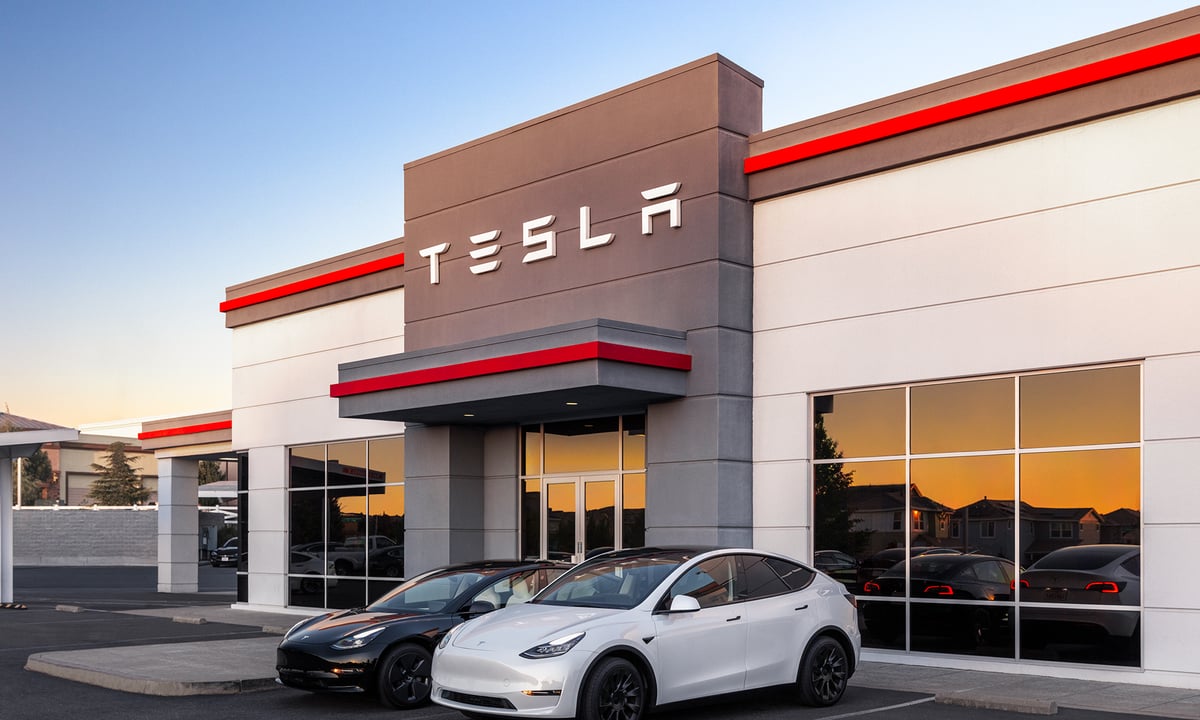
Tesla's Deliveries Fall Short of Expectations

- Delivery Decline: Tesla delivered 358,023 vehicles in Q1, falling short of the 370,000 expected by analysts, indicating ongoing demand pressures despite a 6% year-over-year increase.
- Intensifying Competition: Chinese EV maker BYD delivered over 321,000 vehicles in Q1, nearly 90% of Tesla's total global deliveries, highlighting challenges to Tesla's market share.
- Market Share Shift: BYD's March deliveries reached 300,222 vehicles, accounting for about 84% of Tesla's total Q1 deliveries, although its annual deliveries fell by 20.5%, reflecting macroeconomic and competitive pressures.
- Uncertain Future Outlook: Tesla's stock performance is increasingly divorced from its core EV operations, prompting investors to consider the potential success of growth bets like robotaxi services and the Optimus humanoid robots.
See More

Tesla Q1 Delivery Analysis Amidst Competitive Pressure
- Year-over-Year Growth: Tesla's Q1 deliveries reached 358,023 vehicles, marking a 6% increase from 336,681 vehicles in the same quarter last year, yet falling short of the 370,000 vehicle target set by analysts, indicating ongoing pressures in the EV market.
- Quarterly Decline: Deliveries dropped 14% sequentially from the previous quarter, suggesting that despite seasonal sales factors, the company is facing significant demand challenges that could impact its future market share.
- Intensifying Competition: Chinese EV manufacturers BYD and Nio are outperforming Tesla in market share and growth, with BYD delivering 300,222 vehicles in Q1, nearly 84% of Tesla's total global deliveries, highlighting Tesla's competitive disadvantages.
- Investor Focus Shift: Given BYD and Nio's robust growth, investors may reassess their positions in Tesla, especially in the context of prioritizing market share and growth, as Tesla's stock performance increasingly diverges from its core EV operations.
See More
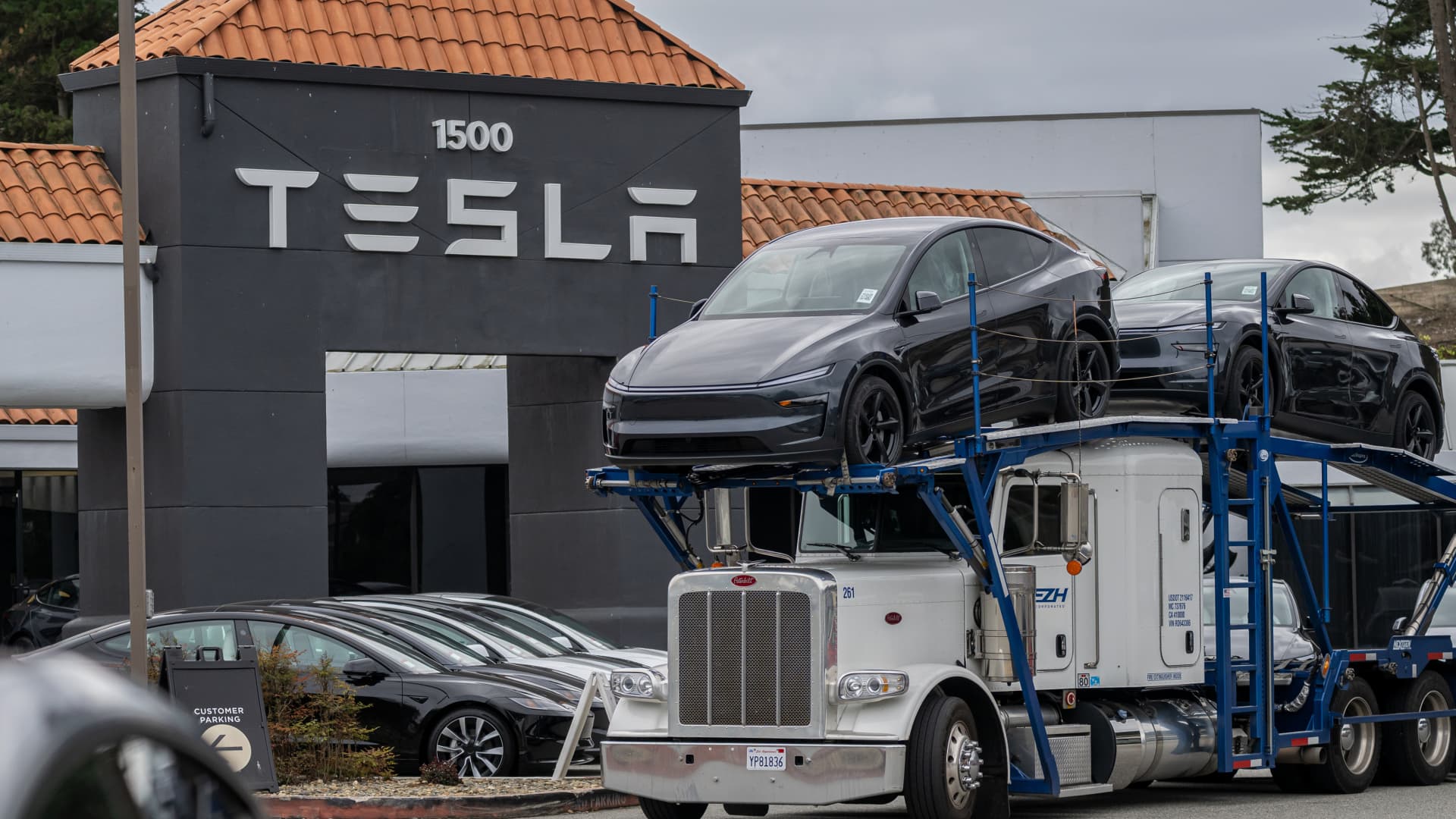
Tesla Reports 14% Drop in Q1 Deliveries Amidst Increased Competition
- Declining Deliveries: Tesla reported Q1 vehicle deliveries of 358,023, a 14% decrease from the previous quarter, although this reflects a 6% year-over-year increase, indicating the need for improved sales strategies amidst fierce competition to maintain market share.
- Production Challenges: The production volume for Q1 was 408,386 vehicles, falling short of analysts' expectations of 370,000, highlighting a gap between production capacity and market demand that could impact future financial performance.
- New Product Strategy: Tesla has ceased production of its flagship Model S and X vehicles, reallocating production lines to develop the Optimus robot, although this shift has yet to yield significant sales, reflecting uncertainty in the company's new business direction.
- Energy Business Performance: The deployment of battery energy storage systems in Q1 was 8.8 GWh, down from 10.4 GWh a year earlier, indicating increased competition in the energy market that may affect Tesla's long-term growth potential in renewable energy.
See More

Middle East Crisis Fuels Electric Vehicle Demand Surge


- Surge in EV Interest: Since the onset of the Iran war, inquiries for new electric vehicles in the U.S. have surged by 28%, while used EV inquiries rose by 15%, indicating a significant consumer shift towards EVs, even as traditional automakers pivot back to internal combustion engines.
- Fuel Prices Impact Buying Behavior: Elevated gas prices have made electric vehicles more appealing for long-distance drivers; however, Cox Automotive anticipates that consumer buying habits will require over six months of sustained high gas prices to change significantly, highlighting the slow pace of market transition.
- Decline in EV Sales: Despite increased inquiries, Cox forecasts a 28% drop in U.S. EV sales for the first quarter, down to 212,600 units, reflecting limited market acceptance of electric vehicles amidst shifting consumer preferences.
- Global Market Transformation: The energy shock from the Iran war is expected to accelerate EV adoption in Europe and Asia, particularly in countries like Vietnam, Thailand, and Indonesia, where consumers are increasingly inclined to choose affordable models from Chinese manufacturers.
See More

Boyd Gaming Shows Stability and Growth Potential
- Market Positioning Advantage: Boyd Gaming operates 10 casinos in Las Vegas and over 15 others in various regions, focusing on the local resident market, which mitigates volatility associated with the Las Vegas Strip, ensuring a stable customer base that allows Boyd to stand out in competition.
- Asset Ownership Strategy: The company owns nearly all the real estate for its casinos, resulting in low lease obligations that enable it to raise capital by selling assets if needed, making Boyd a leader among asset-light casino stocks in recent years.
- Stable Growth Outlook: Despite economic pressures such as high oil prices and persistent consumer inflation, analysts believe trends at Boyd's regional venues remain stable, with the addition of Cadence Crossing and a new casino in Virginia potentially serving as long-term growth drivers.
- Capital Return Story: Boyd has increased its dividend for four consecutive years and returned capital to shareholders through stock buybacks, repurchasing $800 million of shares last year, demonstrating a proactive approach to capital management and likely continuing to reduce its share count.
See More

Boyd Gaming Shows Steady Growth Potential Amid Market Challenges
- Market Positioning Advantage: Boyd Gaming operates over 25 gaming venues in Las Vegas and the Mid-Atlantic, focusing on local clientele, which mitigates the volatility associated with the Las Vegas Strip, thereby maintaining a stable customer base and enhancing market share.
- Asset Ownership Strategy: The company owns nearly all the real estate for its casinos, with only a few leased properties, resulting in low long-term lease obligations and the ability to raise capital through real estate sales if necessary, enhancing financial flexibility.
- Stable Shareholder Returns: Boyd has increased its dividend for four consecutive years and repurchased $800 million worth of shares last year, demonstrating a commitment to shareholder returns, while having $362 million remaining in its buyback program as of the end of 2025, boosting investor confidence.
- Growth Drivers: Despite economic pressures such as high oil prices and persistent consumer inflation, analysts believe trends at Boyd's regional venues remain stable, with the addition of Cadence Crossing and a new casino in Virginia potentially serving as long-term growth drivers.
See More
Tesla's Deliveries Fall Short of Expectations
- Delivery Decline: Tesla delivered 358,023 vehicles in Q1, falling short of the 370,000 expected by analysts, indicating ongoing demand pressures despite a 6% year-over-year increase.
- Intensifying Competition: Chinese EV maker BYD delivered over 321,000 vehicles in Q1, nearly 90% of Tesla's total global deliveries, highlighting challenges to Tesla's market share.
- Market Share Shift: BYD's March deliveries reached 300,222 vehicles, accounting for about 84% of Tesla's total Q1 deliveries, although its annual deliveries fell by 20.5%, reflecting macroeconomic and competitive pressures.
- Uncertain Future Outlook: Tesla's stock performance is increasingly divorced from its core EV operations, prompting investors to consider the potential success of growth bets like robotaxi services and the Optimus humanoid robots.
See More
Tesla Q1 Delivery Analysis Amidst Competitive Pressure
- Year-over-Year Growth: Tesla's Q1 deliveries reached 358,023 vehicles, marking a 6% increase from 336,681 vehicles in the same quarter last year, yet falling short of the 370,000 vehicle target set by analysts, indicating ongoing pressures in the EV market.
- Quarterly Decline: Deliveries dropped 14% sequentially from the previous quarter, suggesting that despite seasonal sales factors, the company is facing significant demand challenges that could impact its future market share.
- Intensifying Competition: Chinese EV manufacturers BYD and Nio are outperforming Tesla in market share and growth, with BYD delivering 300,222 vehicles in Q1, nearly 84% of Tesla's total global deliveries, highlighting Tesla's competitive disadvantages.
- Investor Focus Shift: Given BYD and Nio's robust growth, investors may reassess their positions in Tesla, especially in the context of prioritizing market share and growth, as Tesla's stock performance increasingly diverges from its core EV operations.
See More
Tesla Reports 14% Drop in Q1 Deliveries Amidst Increased Competition
- Declining Deliveries: Tesla reported Q1 vehicle deliveries of 358,023, a 14% decrease from the previous quarter, although this reflects a 6% year-over-year increase, indicating the need for improved sales strategies amidst fierce competition to maintain market share.
- Production Challenges: The production volume for Q1 was 408,386 vehicles, falling short of analysts' expectations of 370,000, highlighting a gap between production capacity and market demand that could impact future financial performance.
- New Product Strategy: Tesla has ceased production of its flagship Model S and X vehicles, reallocating production lines to develop the Optimus robot, although this shift has yet to yield significant sales, reflecting uncertainty in the company's new business direction.
- Energy Business Performance: The deployment of battery energy storage systems in Q1 was 8.8 GWh, down from 10.4 GWh a year earlier, indicating increased competition in the energy market that may affect Tesla's long-term growth potential in renewable energy.
See More
Middle East Crisis Fuels Electric Vehicle Demand Surge
- Surge in EV Interest: Since the onset of the Iran war, inquiries for new electric vehicles in the U.S. have surged by 28%, while used EV inquiries rose by 15%, indicating a significant consumer shift towards EVs, even as traditional automakers pivot back to internal combustion engines.
- Fuel Prices Impact Buying Behavior: Elevated gas prices have made electric vehicles more appealing for long-distance drivers; however, Cox Automotive anticipates that consumer buying habits will require over six months of sustained high gas prices to change significantly, highlighting the slow pace of market transition.
- Decline in EV Sales: Despite increased inquiries, Cox forecasts a 28% drop in U.S. EV sales for the first quarter, down to 212,600 units, reflecting limited market acceptance of electric vehicles amidst shifting consumer preferences.
- Global Market Transformation: The energy shock from the Iran war is expected to accelerate EV adoption in Europe and Asia, particularly in countries like Vietnam, Thailand, and Indonesia, where consumers are increasingly inclined to choose affordable models from Chinese manufacturers.
See More
Boyd Gaming Shows Stability and Growth Potential
- Market Positioning Advantage: Boyd Gaming operates 10 casinos in Las Vegas and over 15 others in various regions, focusing on the local resident market, which mitigates volatility associated with the Las Vegas Strip, ensuring a stable customer base that allows Boyd to stand out in competition.
- Asset Ownership Strategy: The company owns nearly all the real estate for its casinos, resulting in low lease obligations that enable it to raise capital by selling assets if needed, making Boyd a leader among asset-light casino stocks in recent years.
- Stable Growth Outlook: Despite economic pressures such as high oil prices and persistent consumer inflation, analysts believe trends at Boyd's regional venues remain stable, with the addition of Cadence Crossing and a new casino in Virginia potentially serving as long-term growth drivers.
- Capital Return Story: Boyd has increased its dividend for four consecutive years and returned capital to shareholders through stock buybacks, repurchasing $800 million of shares last year, demonstrating a proactive approach to capital management and likely continuing to reduce its share count.
See More
Boyd Gaming Shows Steady Growth Potential Amid Market Challenges
- Market Positioning Advantage: Boyd Gaming operates over 25 gaming venues in Las Vegas and the Mid-Atlantic, focusing on local clientele, which mitigates the volatility associated with the Las Vegas Strip, thereby maintaining a stable customer base and enhancing market share.
- Asset Ownership Strategy: The company owns nearly all the real estate for its casinos, with only a few leased properties, resulting in low long-term lease obligations and the ability to raise capital through real estate sales if necessary, enhancing financial flexibility.
- Stable Shareholder Returns: Boyd has increased its dividend for four consecutive years and repurchased $800 million worth of shares last year, demonstrating a commitment to shareholder returns, while having $362 million remaining in its buyback program as of the end of 2025, boosting investor confidence.
- Growth Drivers: Despite economic pressures such as high oil prices and persistent consumer inflation, analysts believe trends at Boyd's regional venues remain stable, with the addition of Cadence Crossing and a new casino in Virginia potentially serving as long-term growth drivers.
See More