Tesla Q1 Deliveries Rise but Capital Expenditures Surge
Written by Emily J. Thompson, Senior Investment Analyst
Updated: 2 days ago
0mins
Should l Buy TSLA?
Source: NASDAQ.COM
- Delivery Data Analysis: Tesla's Q1 vehicle deliveries reached 358,023, marking a 6% year-over-year increase, yet a 14% sequential decline indicates volatility in quarterly delivery patterns, potentially affecting investor confidence.
- Capital Expenditure Outlook: Management now expects capital expenditures to exceed $25 billion in 2026, nearly tripling 2025's spending, which will likely result in negative free cash flow, reflecting pressure during the company's capital-intensive transition.
- Technological Progress: Tesla made strides in autonomy, with paid Robotaxi miles nearly doubling in Q1, and the launch of unsupervised rides in Austin, Dallas, and Houston indicates potential in the future mobility market.
- Financial Overview: Despite a 16% year-over-year revenue growth to $22.4 billion and operating income doubling to $941 million in Q1, the market capitalization of $1.4 trillion and a P/E ratio of 345 suggest high expectations for future growth, raising concerns about potential overvaluation.
Trade with 70% Backtested Accuracy
Stop guessing "Should I Buy TSLA?" and start using high-conviction signals backed by rigorous historical data.
Sign up today to access powerful investing tools and make smarter, data-driven decisions.
Analyst Views on TSLA
Wall Street analysts forecast TSLA stock price to rise
30 Analyst Rating
12 Buy
11 Hold
7 Sell
Hold
Current: 378.670

Low
25.28
Averages
401.93
High
600.00
Current: 378.670
Low
25.28
Averages
401.93
High
600.00
About TSLA
Tesla, Inc. designs, develops, manufactures, sells and leases high-performance fully electric vehicles and energy generation and storage systems, and offers services related to its products. Its segments include automotive, and energy generation and storage. The automotive segment includes the design, development, manufacturing, sales and leasing of high-performance fully electric vehicles, and sales of automotive regulatory credits. It also includes sales of used vehicles, non-warranty maintenance services and collisions, part sales, paid supercharging, insurance services revenue and retail merchandise sales. The energy generation and storage segment include the design, manufacture, installation, sales and leasing of solar energy generation and energy storage products and related services and sales of solar energy systems incentives. Its consumer vehicles include the Model 3, Y, S, X and Cybertruck. Its lithium-ion battery energy storage products include Powerwall and Megapack.
About the author

Emily J. Thompson
Emily J. Thompson, a Chartered Financial Analyst (CFA) with 12 years in investment research, graduated with honors from the Wharton School. Specializing in industrial and technology stocks, she provides in-depth analysis for Intellectia’s earnings and market brief reports.

Tesla Surpasses Expectations with Earnings and Robotaxi Launch

- Earnings Beat: Tesla's Q1 revenue rose 16% year-over-year to $22.4 billion, exceeding analyst expectations, while its EPS also outperformed forecasts, and the $1.4 billion in free cash flow highlighted a significant improvement in financial health.
- Robotaxi Expansion: The launch of driverless Robotaxi services in Dallas and Houston marks Tesla's third city for this initiative, following Austin, representing a crucial step towards achieving nationwide Robotaxi operations, despite ongoing regulatory hurdles.
- Strategic Shift: Tesla is pivoting towards higher-margin businesses such as Robotaxis, humanoid robots, and AI, which could drive future profitability, even as its traditional car sales face challenges like declining market share and rising inventory levels.
- Market Challenges and Opportunities: While Tesla has made progress in Robotaxi deployment, it continues to face stiff competition from rivals like BYD and Volkswagen in the EV market, necessitating investor vigilance regarding its long-term growth potential amid stock volatility.
See More
Tesla Earnings Report Sparks Diverging Opinions
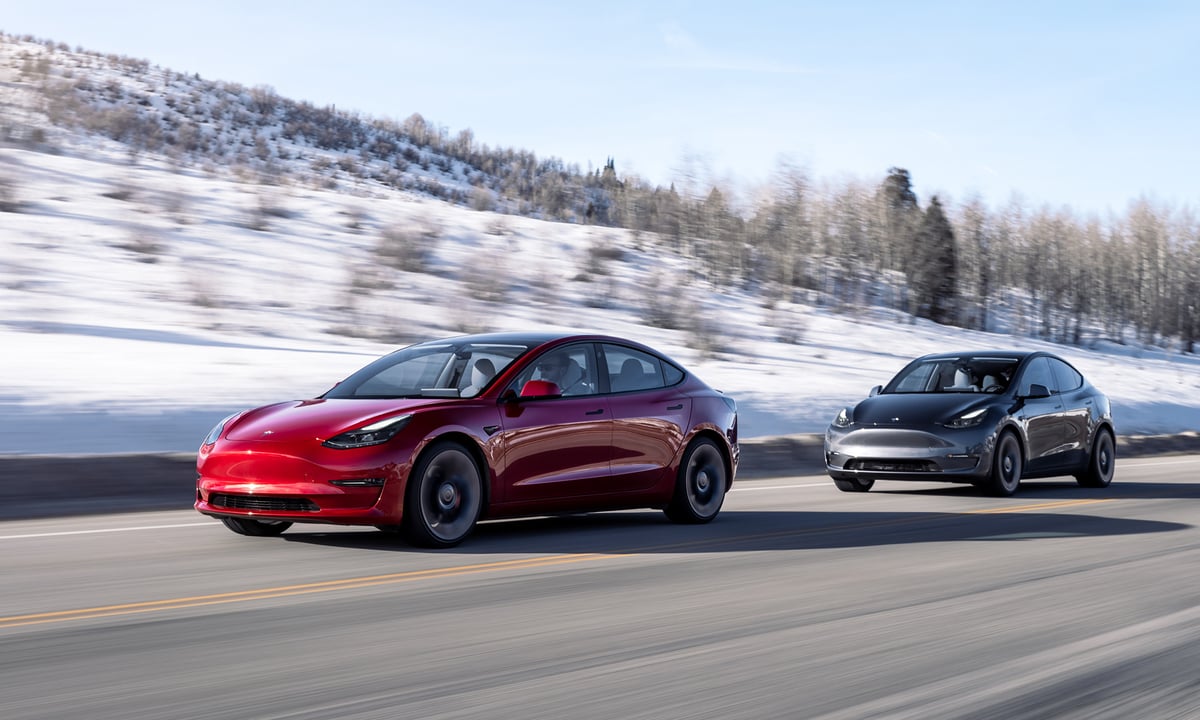
- EV Sales Surge: Tesla reported over 150% quarter-over-quarter growth in EV deliveries in EMEA, particularly in France and Germany, despite overall delivery figures missing Wall Street estimates, indicating a resurgence in demand and maintaining the company's competitive edge in the EV market.
- FSD Subscription Growth: The company's Full Self-Driving (FSD) subscriptions saw a 16.4% sequential increase and a 51% year-over-year rise, with declining churn rates as more drivers recognize the benefits of autonomy, further solidifying Tesla's position in the smart driving sector.
- Robotaxi Rollout Delays: Although CEO Elon Musk promised that robotaxis would be available to half of the U.S. population by 2025, only 13 unsupervised robotaxis are currently operational in Austin, reflecting a more cautious rollout strategy, with broader deployment expected in 2026.
- Increased Capital Expenditures: Tesla anticipates capital expenditures to reach at least $25 billion by 2026, primarily for hardware upgrades and the Terafab project, indicating financial pressure on the rapid deployment of robotaxis, which may lead to short-term stock price volatility.
See More
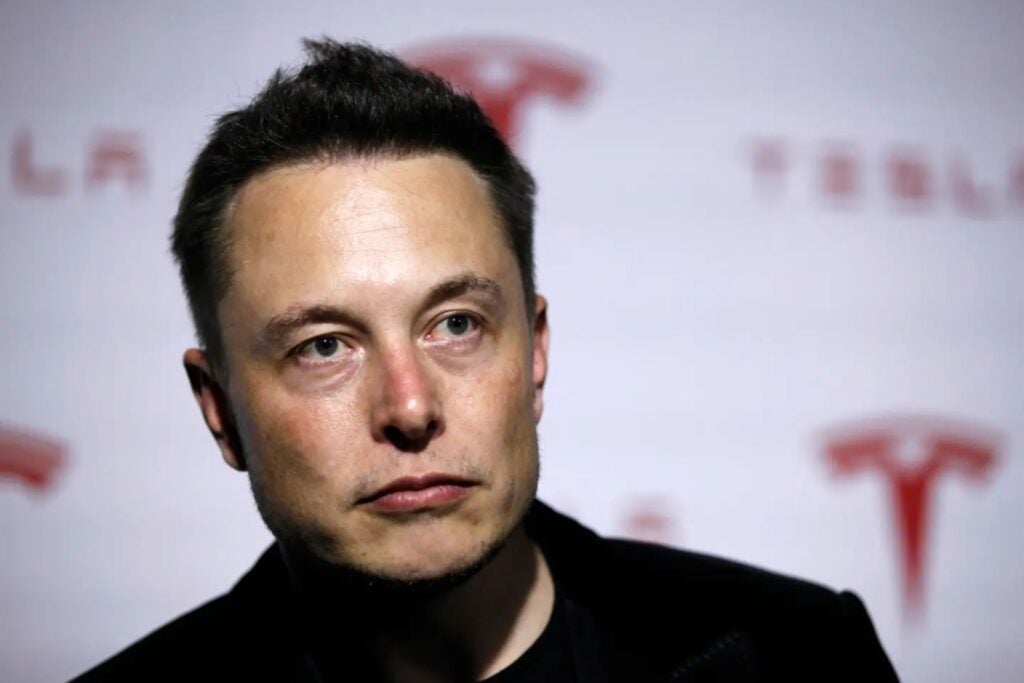
TESLA SUBMITS FORM S-8 TO REGISTER 303.96 MILLION SHARES OF COMMON STOCK FOR ELON MUSK'S 2018 CEO PERFORMANCE AWARD
Tesla's Filing: Tesla has filed a Form S-8 to register 303.96 million shares of its common stock for CEO Elon Musk's performance award from 2018.
Elon Musk's Award: The filing pertains to a performance-based award that was granted to Elon Musk, reflecting his role and contributions as CEO.
See More
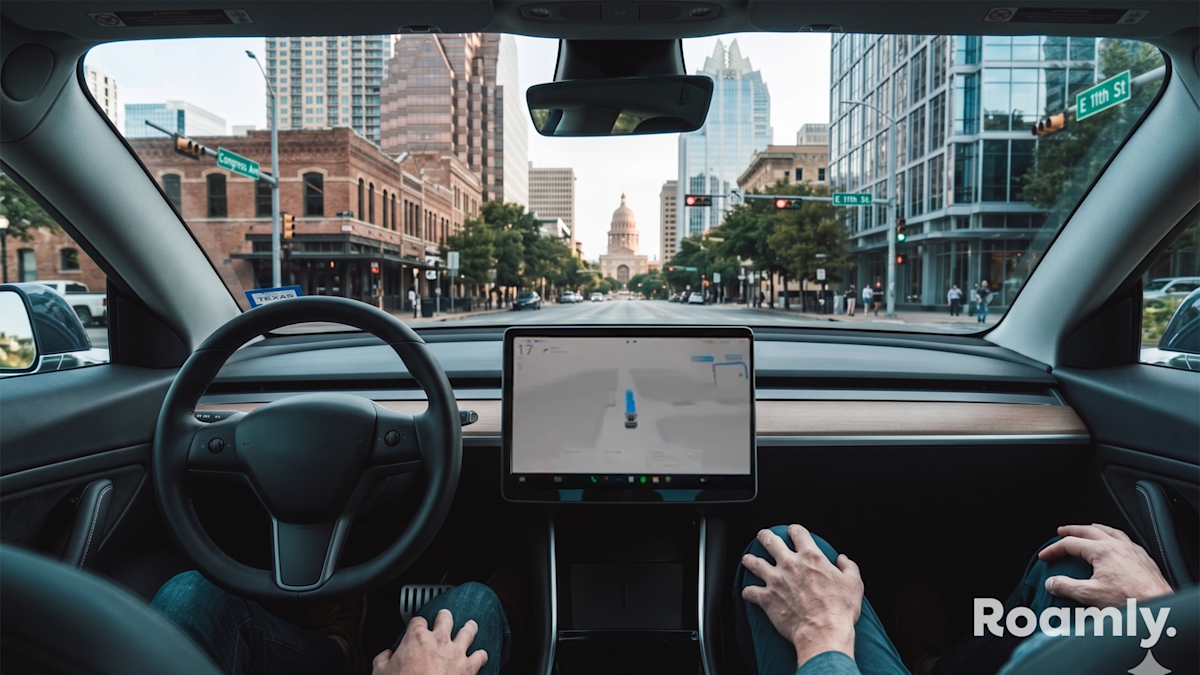
Roamly Launches First Real-Time Insurance for Autonomous Fleets
- Insurance Innovation: Roamly's FSD insurance product dynamically adjusts costs by the mile, providing a 50% discount as soon as vehicles enter autonomous mode, significantly alleviating financial burdens for fleet managers and accelerating the growth of the autonomous driving market.
- Market Potential: According to Goldman Sachs analysts, the U.S. robotaxi market is projected to generate over $19 billion in revenue by 2030, and Roamly's insurance product is essential for providing the necessary commercial protection to ensure sustainable development in this sector.
- Technology Integration: The insurance product connects directly to Tesla's onboard computer, reading high-fidelity telemetry and vehicle health data in real-time to offer transparent rates, enabling fleet operators to manage risks more precisely.
- Global Expansion: Roamly has established Network Operations Centers in the U.S. and London, providing 24/7 monitoring of autonomous driving sessions, ensuring fleet managers receive efficient risk management support globally, thereby enhancing their competitive edge.
See More

SpaceX Targets Summer IPO with $1.75 Trillion Valuation

- IPO Timeline: SpaceX is targeting an initial public offering (IPO) this summer, with a major investor event scheduled for June 11, and management expects to release a public prospectus by late May, providing investors with an opportunity to participate.
- Valuation Expectations: The company aims for a valuation of $1.75 trillion, significantly higher than its $1.25 trillion valuation at the merger with xAI, although analysts consider a $1.5 trillion valuation 'expensive and risky' yet not irrational, reflecting market confidence in its future growth.
- Strong Market Demand: Early reports indicate robust demand for SpaceX shares, with some investors pouring money into opaque secondary markets, demonstrating a strong desire to own shares, which could drive the valuation well above $1 trillion.
- Future Growth Potential: Despite recording a net loss of about $5 billion in 2025, SpaceX's Starlink division's profitability and high growth rates provide strong value support, and as Starship commercializes, the valuation is expected to become progressively easier to justify.
See More
Latest Analyst Ratings on Wall Street


- Nvidia's Industry Leadership: Barclays reiterates Nvidia as overweight, highlighting the company's focus on supply chain investments, which is expected to maintain its leadership in upcoming technology transitions, thereby enhancing its competitive edge in the market.
- Tesla Ownership Analysis: Barclays analyzes Elon Musk's path to 25% ownership in Tesla, suggesting that the 2018 compensation package could increase Musk's stake by approximately 4% to 16.8%, reflecting the complexity of the company's governance structure.
- Uber's Market Opportunities: Jefferies reiterates Uber as a buy, believing that Tesla's struggles in the robotaxi sector will reduce market risks for Uber, allowing its fundamentals to gain more attention, potentially driving stock price increases.
- McKesson's Distribution Leadership: William Blair initiates coverage on McKesson, labeling it as a distribution leader, and expects it to benefit from favorable demand driven by an aging population and new drug launches, thereby strengthening its market position.
See More
Tesla Surpasses Expectations with Earnings and Robotaxi Launch
- Earnings Beat: Tesla's Q1 revenue rose 16% year-over-year to $22.4 billion, exceeding analyst expectations, while its EPS also outperformed forecasts, and the $1.4 billion in free cash flow highlighted a significant improvement in financial health.
- Robotaxi Expansion: The launch of driverless Robotaxi services in Dallas and Houston marks Tesla's third city for this initiative, following Austin, representing a crucial step towards achieving nationwide Robotaxi operations, despite ongoing regulatory hurdles.
- Strategic Shift: Tesla is pivoting towards higher-margin businesses such as Robotaxis, humanoid robots, and AI, which could drive future profitability, even as its traditional car sales face challenges like declining market share and rising inventory levels.
- Market Challenges and Opportunities: While Tesla has made progress in Robotaxi deployment, it continues to face stiff competition from rivals like BYD and Volkswagen in the EV market, necessitating investor vigilance regarding its long-term growth potential amid stock volatility.
See More
Tesla Earnings Report Sparks Diverging Opinions
- EV Sales Surge: Tesla reported over 150% quarter-over-quarter growth in EV deliveries in EMEA, particularly in France and Germany, despite overall delivery figures missing Wall Street estimates, indicating a resurgence in demand and maintaining the company's competitive edge in the EV market.
- FSD Subscription Growth: The company's Full Self-Driving (FSD) subscriptions saw a 16.4% sequential increase and a 51% year-over-year rise, with declining churn rates as more drivers recognize the benefits of autonomy, further solidifying Tesla's position in the smart driving sector.
- Robotaxi Rollout Delays: Although CEO Elon Musk promised that robotaxis would be available to half of the U.S. population by 2025, only 13 unsupervised robotaxis are currently operational in Austin, reflecting a more cautious rollout strategy, with broader deployment expected in 2026.
- Increased Capital Expenditures: Tesla anticipates capital expenditures to reach at least $25 billion by 2026, primarily for hardware upgrades and the Terafab project, indicating financial pressure on the rapid deployment of robotaxis, which may lead to short-term stock price volatility.
See More
TESLA SUBMITS FORM S-8 TO REGISTER 303.96 MILLION SHARES OF COMMON STOCK FOR ELON MUSK'S 2018 CEO PERFORMANCE AWARD
Tesla's Filing: Tesla has filed a Form S-8 to register 303.96 million shares of its common stock for CEO Elon Musk's performance award from 2018.
Elon Musk's Award: The filing pertains to a performance-based award that was granted to Elon Musk, reflecting his role and contributions as CEO.
See More
Roamly Launches First Real-Time Insurance for Autonomous Fleets
- Insurance Innovation: Roamly's FSD insurance product dynamically adjusts costs by the mile, providing a 50% discount as soon as vehicles enter autonomous mode, significantly alleviating financial burdens for fleet managers and accelerating the growth of the autonomous driving market.
- Market Potential: According to Goldman Sachs analysts, the U.S. robotaxi market is projected to generate over $19 billion in revenue by 2030, and Roamly's insurance product is essential for providing the necessary commercial protection to ensure sustainable development in this sector.
- Technology Integration: The insurance product connects directly to Tesla's onboard computer, reading high-fidelity telemetry and vehicle health data in real-time to offer transparent rates, enabling fleet operators to manage risks more precisely.
- Global Expansion: Roamly has established Network Operations Centers in the U.S. and London, providing 24/7 monitoring of autonomous driving sessions, ensuring fleet managers receive efficient risk management support globally, thereby enhancing their competitive edge.
See More
SpaceX Targets Summer IPO with $1.75 Trillion Valuation
- IPO Timeline: SpaceX is targeting an initial public offering (IPO) this summer, with a major investor event scheduled for June 11, and management expects to release a public prospectus by late May, providing investors with an opportunity to participate.
- Valuation Expectations: The company aims for a valuation of $1.75 trillion, significantly higher than its $1.25 trillion valuation at the merger with xAI, although analysts consider a $1.5 trillion valuation 'expensive and risky' yet not irrational, reflecting market confidence in its future growth.
- Strong Market Demand: Early reports indicate robust demand for SpaceX shares, with some investors pouring money into opaque secondary markets, demonstrating a strong desire to own shares, which could drive the valuation well above $1 trillion.
- Future Growth Potential: Despite recording a net loss of about $5 billion in 2025, SpaceX's Starlink division's profitability and high growth rates provide strong value support, and as Starship commercializes, the valuation is expected to become progressively easier to justify.
See More
Latest Analyst Ratings on Wall Street
- Nvidia's Industry Leadership: Barclays reiterates Nvidia as overweight, highlighting the company's focus on supply chain investments, which is expected to maintain its leadership in upcoming technology transitions, thereby enhancing its competitive edge in the market.
- Tesla Ownership Analysis: Barclays analyzes Elon Musk's path to 25% ownership in Tesla, suggesting that the 2018 compensation package could increase Musk's stake by approximately 4% to 16.8%, reflecting the complexity of the company's governance structure.
- Uber's Market Opportunities: Jefferies reiterates Uber as a buy, believing that Tesla's struggles in the robotaxi sector will reduce market risks for Uber, allowing its fundamentals to gain more attention, potentially driving stock price increases.
- McKesson's Distribution Leadership: William Blair initiates coverage on McKesson, labeling it as a distribution leader, and expects it to benefit from favorable demand driven by an aging population and new drug launches, thereby strengthening its market position.
See More