Tesla Poised for Transformative Shift with AI Robotics
Written by Emily J. Thompson, Senior Investment Analyst
Updated: 1 hour ago
0mins
Should l Buy TSLA?
Source: Fool
- Robotics Platform Vision: Elon Musk's plan to repurpose Tesla's Fremont factory for Optimus robot production, with initial output expected by year-end, could create new revenue streams akin to Apple's iPhone success, marking a significant strategic pivot for the company.
- Market Potential Analysis: The Optimus robot will not only be sold as hardware but may also offer subscription services for Tesla's autonomous system software, enhancing long-term revenue and strengthening the company's competitive position in automation.
- Stock Market Volatility: Despite a 62% increase in Tesla's stock since last April, the slowdown in electric vehicle sales has led to poor revenue and cash flow, with investor enthusiasm for AI opportunities potentially overshadowing the underlying weak fundamentals.
- Cautious Investor Sentiment: Given the uncertainty surrounding Tesla's AI production timeline, investors should exercise caution and avoid chasing market momentum to prevent losses from potential production delays.
Trade with 70% Backtested Accuracy
Stop guessing "Should I Buy TSLA?" and start using high-conviction signals backed by rigorous historical data.
Sign up today to access powerful investing tools and make smarter, data-driven decisions.
Analyst Views on TSLA
Wall Street analysts forecast TSLA stock price to rise
30 Analyst Rating
12 Buy
11 Hold
7 Sell
Hold
Current: 399.830

Low
25.28
Averages
401.93
High
600.00
Current: 399.830
Low
25.28
Averages
401.93
High
600.00
About TSLA
Tesla, Inc. designs, develops, manufactures, sells and leases high-performance fully electric vehicles and energy generation and storage systems, and offers services related to its products. Its segments include automotive, and energy generation and storage. The automotive segment includes the design, development, manufacturing, sales and leasing of high-performance fully electric vehicles, and sales of automotive regulatory credits. It also includes sales of used vehicles, non-warranty maintenance services and collisions, part sales, paid supercharging, insurance services revenue and retail merchandise sales. The energy generation and storage segment include the design, manufacture, installation, sales and leasing of solar energy generation and energy storage products and related services and sales of solar energy systems incentives. Its consumer vehicles include the Model 3, Y, S, X and Cybertruck. Its lithium-ion battery energy storage products include Powerwall and Megapack.
About the author

Emily J. Thompson
Emily J. Thompson, a Chartered Financial Analyst (CFA) with 12 years in investment research, graduated with honors from the Wharton School. Specializing in industrial and technology stocks, she provides in-depth analysis for Intellectia’s earnings and market brief reports.
Tesla's Cybertruck Price Cut Strategy to Boost Sales

- Price Cut Strategy: Tesla's Cybertruck dual motor all-wheel drive version is currently priced at $59,990, with CEO Elon Musk indicating this promotion lasts only 10 days, aimed at reviving sales that have declined due to the end of federal EV tax credits, although a price increase may follow.
- Significant Sales Decline: Cybertruck sales dropped from 39,965 units in 2024 to 20,237 units in 2025, marking a 48% year-over-year decrease, indicating weak market demand and necessitating a reassessment of production plans to address lower-than-expected demand.
- Production Capacity Adjustments: Musk initially planned for an annual production of 250,000 Cybertrucks, but current demand is less than 10% of that target, and Tesla faces challenges in balancing resources between producing the Optimus Bot humanoid robot and the Cybertruck.
- International Market Expansion: The Cybertruck has recently begun sales in international markets, yet Tesla must closely monitor actual demand growth and consider whether to publicly share sales figures to bolster market confidence.
See More
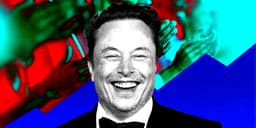
Tesla Poised for Transformative Shift with AI Robotics

- Robotics Platform Vision: Elon Musk's plan to repurpose Tesla's Fremont factory for Optimus robot production, with initial output expected by year-end, could create new revenue streams akin to Apple's iPhone success, marking a significant strategic pivot for the company.
- Market Potential Analysis: The Optimus robot will not only be sold as hardware but may also offer subscription services for Tesla's autonomous system software, enhancing long-term revenue and strengthening the company's competitive position in automation.
- Stock Market Volatility: Despite a 62% increase in Tesla's stock since last April, the slowdown in electric vehicle sales has led to poor revenue and cash flow, with investor enthusiasm for AI opportunities potentially overshadowing the underlying weak fundamentals.
- Cautious Investor Sentiment: Given the uncertainty surrounding Tesla's AI production timeline, investors should exercise caution and avoid chasing market momentum to prevent losses from potential production delays.
See More
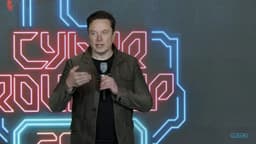
Tesla Goes All-In on Building Optimus Robots
- Factory Repurposing: Tesla is winding down production of Model S and X at its Fremont, California facility to focus on building Optimus robots, with initial production expected to start by year-end, significantly enhancing Tesla's competitive position in the robotics sector.
- AI Potential and Market Reaction: While the prospects of Optimus are exciting, the potential upside from AI is already reflected in Tesla's stock price, which has surged 62% since last April, indicating strong investor confidence in future growth, but also exposing the stock to volatility risks from potential production delays.
- Service Revenue Model: Tesla plans to establish a service revenue model similar to the iPhone by selling the Optimus robot and charging subscription fees for its proprietary autonomous system software, providing a continuous cash flow stream that could diversify revenue as the electric vehicle market slows.
- Market Dynamics and Investment Strategy: Although Optimus could be a game changer, Tesla must prove the feasibility of its production timeline, and investors should approach the current market enthusiasm with caution to avoid losses from discrepancies between expectations and reality.
See More
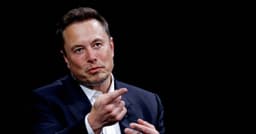
OpenAI Lawsuit Dismissed, Kwon Responds
- Lawsuit Dismissal: A U.S. district judge, Rita Lin, dismissed xAI's lawsuit against OpenAI due to lack of evidence, indicating that xAI failed to prove any misconduct by OpenAI, thereby reducing legal risks for OpenAI and solidifying its market position.
- Kwon's Response: OpenAI's Chief Strategy Officer, Jason Kwon, stated on social media that the lawsuit was a reaction to Musk's comment about a '0% chance of success,' emphasizing that OpenAI does not care about xAI's trade secrets, showcasing the company's confidence in its competitive stance.
- Legal Battle Context: This lawsuit is part of a broader legal struggle between Musk and OpenAI, with Musk also suing OpenAI for $134 billion in damages in a separate case, with a jury trial expected in April, which could significantly impact OpenAI's operations.
- OpenAI's Position: OpenAI described the lawsuit as 'baseless' and accused Musk of ongoing harassment, indicating the company's firm stance in the face of legal challenges, which may enhance investor confidence in its future growth.
See More
Wayve Raises $1.5 Billion, Valuation Reaches $8.6 Billion

- Innovative Funding: Wayve announced on Wednesday that it successfully raised $1.5 billion, enhancing its global operations and pushing its valuation to $8.6 billion, reflecting strong market confidence in its autonomous driving technology.
- Strong Investor Lineup: The funding round was led by Eclipse, Balderton, and SoftBank's Vision Fund 2, with participation from Ontario Teachers' Pension Plan, Baillie Gifford, and other global institutional investors, further strengthening Wayve's capital position.
- Technology Licensing Strategy: Wayve plans to license its technology to automakers as an advanced driver-assistance system, having signed an agreement with Nissan to integrate its AI into Nissan's ProPilot system by 2027, showcasing its market expansion potential.
- Market Competition Landscape: Despite Tesla facing challenges in the robotaxi market, Dan Ives from Wedbush Securities forecasts that Tesla will capture 80% of the market share by 2026, highlighting competitive opportunities for Wayve in this sector.
See More
Tesla Appeals Against Unibev's Cybercab Trademark
- Trademark Dispute Escalation: Tesla has filed an appeal with the U.S. Patent and Trademark Office against French beverage maker Unibev, accusing it of fraud in its application for the 'Cybercab' trademark, highlighting Tesla's strong commitment to brand protection.
- Strong Legal Grounds: In its filings, Tesla presented five opposition points questioning Unibev's intent to trademark, arguing that the wholesaler lacks a history of manufacturing or selling vehicles, reflecting Tesla's strategic legal approach to trademark protection.
- Market Dynamics Impact: Tesla's stock rose 2.39% to $409.38 on Tuesday, indicating market confidence in its brand value and future products, despite the ongoing trademark dispute, maintaining a positive market performance.
- Historical Case Reference: Tesla previously won a trademark infringement case against 'Tesla Power' in India, showcasing its extensive experience in trademark disputes and enhancing its brand protection capabilities in the global market.
See More
Tesla's Cybertruck Price Cut Strategy to Boost Sales
- Price Cut Strategy: Tesla's Cybertruck dual motor all-wheel drive version is currently priced at $59,990, with CEO Elon Musk indicating this promotion lasts only 10 days, aimed at reviving sales that have declined due to the end of federal EV tax credits, although a price increase may follow.
- Significant Sales Decline: Cybertruck sales dropped from 39,965 units in 2024 to 20,237 units in 2025, marking a 48% year-over-year decrease, indicating weak market demand and necessitating a reassessment of production plans to address lower-than-expected demand.
- Production Capacity Adjustments: Musk initially planned for an annual production of 250,000 Cybertrucks, but current demand is less than 10% of that target, and Tesla faces challenges in balancing resources between producing the Optimus Bot humanoid robot and the Cybertruck.
- International Market Expansion: The Cybertruck has recently begun sales in international markets, yet Tesla must closely monitor actual demand growth and consider whether to publicly share sales figures to bolster market confidence.
See More
Tesla Poised for Transformative Shift with AI Robotics
- Robotics Platform Vision: Elon Musk's plan to repurpose Tesla's Fremont factory for Optimus robot production, with initial output expected by year-end, could create new revenue streams akin to Apple's iPhone success, marking a significant strategic pivot for the company.
- Market Potential Analysis: The Optimus robot will not only be sold as hardware but may also offer subscription services for Tesla's autonomous system software, enhancing long-term revenue and strengthening the company's competitive position in automation.
- Stock Market Volatility: Despite a 62% increase in Tesla's stock since last April, the slowdown in electric vehicle sales has led to poor revenue and cash flow, with investor enthusiasm for AI opportunities potentially overshadowing the underlying weak fundamentals.
- Cautious Investor Sentiment: Given the uncertainty surrounding Tesla's AI production timeline, investors should exercise caution and avoid chasing market momentum to prevent losses from potential production delays.
See More
Tesla Goes All-In on Building Optimus Robots
- Factory Repurposing: Tesla is winding down production of Model S and X at its Fremont, California facility to focus on building Optimus robots, with initial production expected to start by year-end, significantly enhancing Tesla's competitive position in the robotics sector.
- AI Potential and Market Reaction: While the prospects of Optimus are exciting, the potential upside from AI is already reflected in Tesla's stock price, which has surged 62% since last April, indicating strong investor confidence in future growth, but also exposing the stock to volatility risks from potential production delays.
- Service Revenue Model: Tesla plans to establish a service revenue model similar to the iPhone by selling the Optimus robot and charging subscription fees for its proprietary autonomous system software, providing a continuous cash flow stream that could diversify revenue as the electric vehicle market slows.
- Market Dynamics and Investment Strategy: Although Optimus could be a game changer, Tesla must prove the feasibility of its production timeline, and investors should approach the current market enthusiasm with caution to avoid losses from discrepancies between expectations and reality.
See More
OpenAI Lawsuit Dismissed, Kwon Responds
- Lawsuit Dismissal: A U.S. district judge, Rita Lin, dismissed xAI's lawsuit against OpenAI due to lack of evidence, indicating that xAI failed to prove any misconduct by OpenAI, thereby reducing legal risks for OpenAI and solidifying its market position.
- Kwon's Response: OpenAI's Chief Strategy Officer, Jason Kwon, stated on social media that the lawsuit was a reaction to Musk's comment about a '0% chance of success,' emphasizing that OpenAI does not care about xAI's trade secrets, showcasing the company's confidence in its competitive stance.
- Legal Battle Context: This lawsuit is part of a broader legal struggle between Musk and OpenAI, with Musk also suing OpenAI for $134 billion in damages in a separate case, with a jury trial expected in April, which could significantly impact OpenAI's operations.
- OpenAI's Position: OpenAI described the lawsuit as 'baseless' and accused Musk of ongoing harassment, indicating the company's firm stance in the face of legal challenges, which may enhance investor confidence in its future growth.
See More
Wayve Raises $1.5 Billion, Valuation Reaches $8.6 Billion
- Innovative Funding: Wayve announced on Wednesday that it successfully raised $1.5 billion, enhancing its global operations and pushing its valuation to $8.6 billion, reflecting strong market confidence in its autonomous driving technology.
- Strong Investor Lineup: The funding round was led by Eclipse, Balderton, and SoftBank's Vision Fund 2, with participation from Ontario Teachers' Pension Plan, Baillie Gifford, and other global institutional investors, further strengthening Wayve's capital position.
- Technology Licensing Strategy: Wayve plans to license its technology to automakers as an advanced driver-assistance system, having signed an agreement with Nissan to integrate its AI into Nissan's ProPilot system by 2027, showcasing its market expansion potential.
- Market Competition Landscape: Despite Tesla facing challenges in the robotaxi market, Dan Ives from Wedbush Securities forecasts that Tesla will capture 80% of the market share by 2026, highlighting competitive opportunities for Wayve in this sector.
See More
Tesla Appeals Against Unibev's Cybercab Trademark
- Trademark Dispute Escalation: Tesla has filed an appeal with the U.S. Patent and Trademark Office against French beverage maker Unibev, accusing it of fraud in its application for the 'Cybercab' trademark, highlighting Tesla's strong commitment to brand protection.
- Strong Legal Grounds: In its filings, Tesla presented five opposition points questioning Unibev's intent to trademark, arguing that the wholesaler lacks a history of manufacturing or selling vehicles, reflecting Tesla's strategic legal approach to trademark protection.
- Market Dynamics Impact: Tesla's stock rose 2.39% to $409.38 on Tuesday, indicating market confidence in its brand value and future products, despite the ongoing trademark dispute, maintaining a positive market performance.
- Historical Case Reference: Tesla previously won a trademark infringement case against 'Tesla Power' in India, showcasing its extensive experience in trademark disputes and enhancing its brand protection capabilities in the global market.
See More