

Spirit Airlines Restructures to Exit Chapter 11 Bankruptcy
Spirit Airlines’ Restructuring Strategy
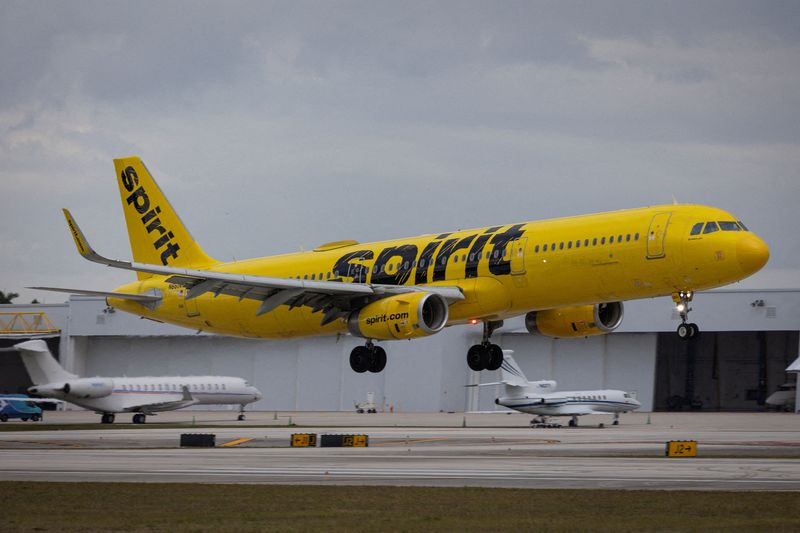
Spirit Airlines is implementing a strategic overhaul aimed at streamlining operations while enhancing customer offerings. Central to this strategy is the reduction of its Airbus fleet, with plans to retain older aircraft and potentially reject high-cost NEO models. The airline is optimizing its route network to focus on high-demand travel periods and popular destinations, increasing aircraft utilization. Alongside operational changes, Spirit is enhancing its customer experience by expanding premium-class seating options and updating its loyalty program, aiming to attract a broader range of travelers while maintaining its low-cost appeal.
Financial and Operational Adjustments
The airline is targeting significant financial restructuring, with plans to cut debt and lease obligations from $7.4 billion to $2.1 billion during its Chapter 11 bankruptcy proceedings. Annualized fleet costs are expected to decrease by 65%, saving $550 million. Additionally, non-fleet operational adjustments are projected to save $300 million. Workforce reductions, including furloughs for pilots and flight attendants, have been implemented to streamline costs further. Spirit has also secured agreements with creditors, ensuring the liquidity necessary to support its reorganization plan and facilitate a smoother exit from bankruptcy.
Future Outlook and Competitive Challenges
Spirit Airlines aims to emerge from bankruptcy by late spring or early summer as a leaner competitor. However, challenges remain, including stiff competition from larger carriers offering budget-friendly options and evolving consumer preferences for premium travel experiences post-COVID. The airline's reliance on a smaller fleet and its focus on cost efficiency will be critical to its success. Despite these hurdles, Spirit forecasts a net profit of $252 million for 2024, signaling potential recovery. However, the airline’s ability to navigate these challenges will determine its long-term viability in an increasingly competitive market.
 Sources



About the author





- Spirit Airlines plans slash flights, fleet bid emerge bankruptcy early spring
 cnbc
cnbc - Spirit Airlines expects exit Chapter 11 bankruptcy summer
 yahoo
yahoo - Spirit Airlines expects exit Chapter 11 bankruptcy summer
 abc
abc