Tesla Faces Challenges as Investors Seek Stability
Written by Emily J. Thompson, Senior Investment Analyst
Updated: 17 hours ago
0mins
Should l Buy TSLA?
Source: stocktwits
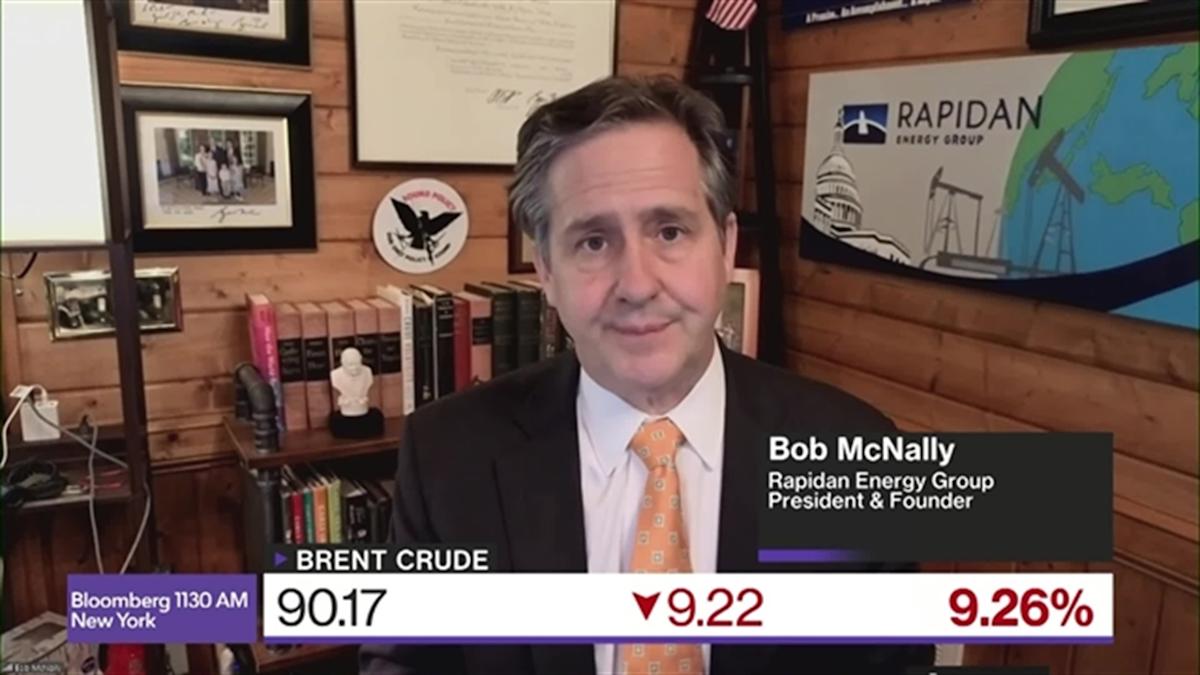
- Capital Expenditure Pressure: Analyst Paul Meeks highlighted that Tesla must significantly ramp up capital expenditures to maintain leadership in next-generation technologies, despite its current tight cash flow potentially leading to deeply negative free cash flow.
- Declining EV Sales: Tesla is experiencing a decline in electric vehicle sales, with Meeks stating that investors want to see stabilization in this business to improve auto gross margins, making the current market environment feel 'a little scary'.
- Uncertain Future Outlook: Analysts at Cantor Fitzgerald view 2026 as a transitional year for Tesla, citing the company's Q1 deliveries and energy deployments falling short of Wall Street expectations, while initiatives like Robotaxi and Optimus face challenges in their rollout.
- Market Sentiment Fluctuations: Despite Tesla's stock being down 14% year-to-date, it has risen 70% over the past 12 months, indicating that retail investor sentiment on Stocktwits remains 'extremely bullish', reflecting optimism about the expansion of Robotaxi services.
Trade with 70% Backtested Accuracy
Stop guessing "Should I Buy TSLA?" and start using high-conviction signals backed by rigorous historical data.
Sign up today to access powerful investing tools and make smarter, data-driven decisions.
Analyst Views on TSLA
Wall Street analysts forecast TSLA stock price to rise
30 Analyst Rating
12 Buy
11 Hold
7 Sell
Hold
Current: 386.420

Low
25.28
Averages
401.93
High
600.00
Current: 386.420
Low
25.28
Averages
401.93
High
600.00
About TSLA
Tesla, Inc. designs, develops, manufactures, sells and leases high-performance fully electric vehicles and energy generation and storage systems, and offers services related to its products. Its segments include automotive, and energy generation and storage. The automotive segment includes the design, development, manufacturing, sales and leasing of high-performance fully electric vehicles, and sales of automotive regulatory credits. It also includes sales of used vehicles, non-warranty maintenance services and collisions, part sales, paid supercharging, insurance services revenue and retail merchandise sales. The energy generation and storage segment include the design, manufacture, installation, sales and leasing of solar energy generation and energy storage products and related services and sales of solar energy systems incentives. Its consumer vehicles include the Model 3, Y, S, X and Cybertruck. Its lithium-ion battery energy storage products include Powerwall and Megapack.
About the author

Emily J. Thompson
Emily J. Thompson, a Chartered Financial Analyst (CFA) with 12 years in investment research, graduated with honors from the Wharton School. Specializing in industrial and technology stocks, she provides in-depth analysis for Intellectia’s earnings and market brief reports.
TESLA Q1 FREE CASH FLOW REVISED TO USD 1,444 MILLION

Tesla's Q1 Free Cash Flow: Tesla reported a free cash flow of USD 1,444 million for the first quarter, indicating strong financial performance.
Correction of Amount: The reported cash flow figure was corrected to reflect the accurate amount, emphasizing the importance of precise financial reporting.
See More
Tesla Faces Challenges as Investors Seek Stability
- Capital Expenditure Pressure: Analyst Paul Meeks highlighted that Tesla must significantly ramp up capital expenditures to maintain leadership in next-generation technologies, despite its current tight cash flow potentially leading to deeply negative free cash flow.
- Declining EV Sales: Tesla is experiencing a decline in electric vehicle sales, with Meeks stating that investors want to see stabilization in this business to improve auto gross margins, making the current market environment feel 'a little scary'.
- Uncertain Future Outlook: Analysts at Cantor Fitzgerald view 2026 as a transitional year for Tesla, citing the company's Q1 deliveries and energy deployments falling short of Wall Street expectations, while initiatives like Robotaxi and Optimus face challenges in their rollout.
- Market Sentiment Fluctuations: Despite Tesla's stock being down 14% year-to-date, it has risen 70% over the past 12 months, indicating that retail investor sentiment on Stocktwits remains 'extremely bullish', reflecting optimism about the expansion of Robotaxi services.
See More
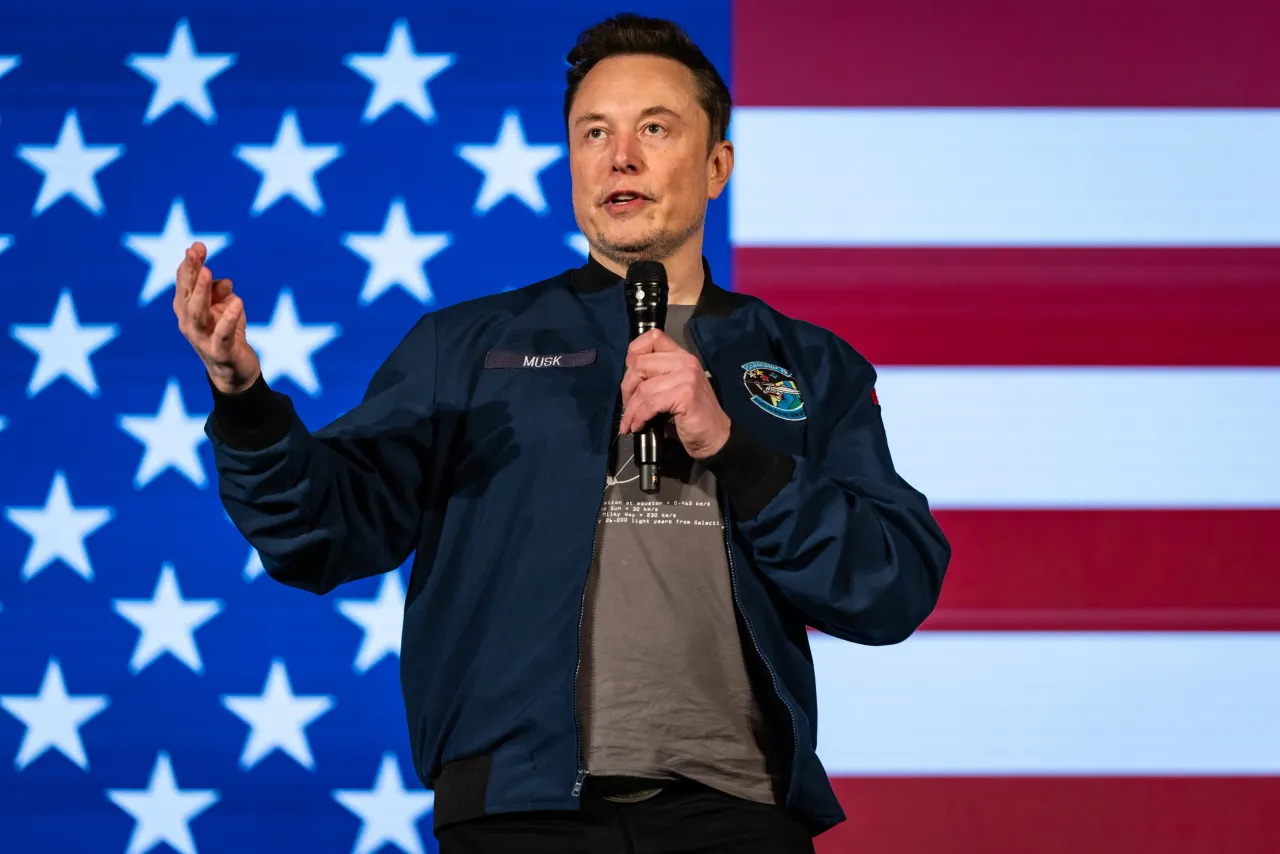
Tesla's Robotaxi Plans Face Significant Challenges
- Robotaxi Plans in Jeopardy: Jefferies warned that Tesla's ambition to deploy robotaxi services across 25%-50% of U.S. markets this year appears “beyond reach,” potentially raising funding concerns and increasing the rationale for a merger with SpaceX.
- Investor Focus on AI Investments: Dan Ives from Wedbush highlighted that investors are closely monitoring Tesla's $2 billion investment in xAI and its potential exposure to SpaceX post-merger, particularly regarding Cybercab development and new factory construction.
- Q1 Earnings Expectations: Tesla is set to report its Q1 earnings after market close on Tuesday, with deliveries at 358,023 vehicles, falling short of the expected 365,645, while production reached 408,386, indicating a gap of over 50,000 units between production and deliveries.
- SpaceX IPO Under Scrutiny: SpaceX is preparing for what could be the largest IPO in history, targeting a valuation of $75 billion, with Musk likely retaining voting control through a dual-class share structure, which may impact investor confidence in its future.
See More
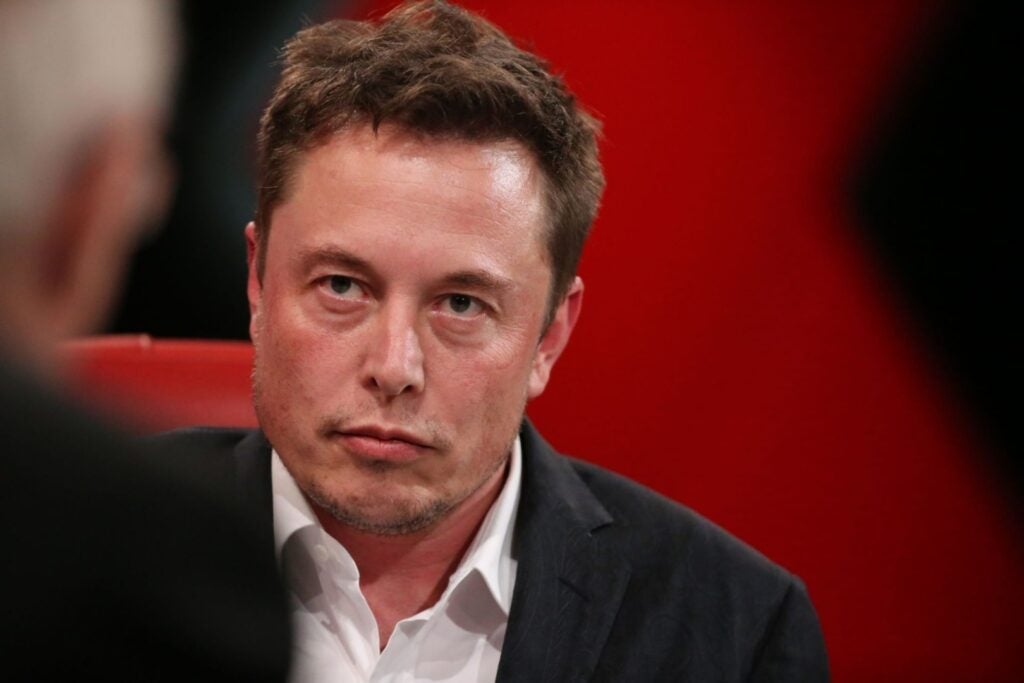
Tesla Q1 2026 Earnings Call Insights: Heavy Investments Ahead
- Investment Focus Shift: CEO Elon Musk indicated that 2026 will be an investment-heavy year, with significant increases in capital expenditures expected to lay the groundwork for future production and manufacturing, thereby enhancing the company's competitiveness in the electric vehicle market.
- New Product Production Progress: Tesla has just started production of the Cybercab and will soon begin production of the Semi truck, although initial output will be slow; however, it is expected to ramp up towards the end of the year and into next year, demonstrating the company's strategic focus on new product development.
- Demand Recovery and Production Constraints: CFO Vaibhav Taneja noted a resurgence in demand in the EMEA region, with deliveries in France and Germany showing over 150% quarter-over-quarter growth, yet battery pack capacity remains the primary limiting factor that needs to be actively addressed to meet market demand.
- Financial Outlook and Challenges: Tesla anticipates over $25 billion in capital expenditures for 2025-2026, facing challenges with negative free cash flow; however, the company is actively investing in semiconductor research and solar manufacturing equipment to support future growth.
See More

Tesla's Q1 Report Shows Strong Growth Metrics
- Soaring FSD Subscriptions: Tesla ended Q1 with 1.28 million active Full Self-Driving (Supervised) subscriptions, reflecting a 51% year-over-year growth, indicating a faster monetization per vehicle, although it still represents only 14% of total deliveries.
- Surge in Services Revenue: Services and other revenue rose 42% year-over-year to $3.75 billion, significantly outpacing the overall revenue growth of 16%, highlighting Tesla's success in diversifying its revenue streams.
- Gross Margin Improvement: Tesla's gross margin increased to 21.1% from 16.3% a year earlier, with total gross profit rising 50% to $4.72 billion, although operating margin fell, indicating ongoing cost management challenges.
- Free Cash Flow Growth: The company generated $1.44 billion in free cash flow, more than doubling from the previous year, providing essential funding for future investments, especially with anticipated capital expenditures exceeding $20 billion in 2026.
See More

Tesla's Full Self-Driving Subscriptions Surge 51% Year Over Year
- FSD Subscription Growth: Tesla's Full Self-Driving (Supervised) subscriptions reached 1.28 million in Q1, reflecting a 51% year-over-year increase, indicating the company's potential in monetizing vehicles despite only a 6% rise in total deliveries.
- Significant Services Revenue Increase: Tesla's services and other revenue surged 42% year-over-year to $3.75 billion, far exceeding the overall revenue growth of 16%, demonstrating substantial progress in diversifying revenue streams.
- Improved Gross Margin: The company's total gross margin increased from 16.3% in Q1 last year to 21.1%, with gross profit rising 50% year-over-year to $4.72 billion, highlighting positive changes in cost control and profitability.
- Strong Free Cash Flow: Tesla generated $1.44 billion in free cash flow in Q1, a significant increase from $664 million a year earlier, providing financial support for future capital expenditures and growth initiatives.
See More
TESLA Q1 FREE CASH FLOW REVISED TO USD 1,444 MILLION
Tesla's Q1 Free Cash Flow: Tesla reported a free cash flow of USD 1,444 million for the first quarter, indicating strong financial performance.
Correction of Amount: The reported cash flow figure was corrected to reflect the accurate amount, emphasizing the importance of precise financial reporting.
See More
Tesla Faces Challenges as Investors Seek Stability
- Capital Expenditure Pressure: Analyst Paul Meeks highlighted that Tesla must significantly ramp up capital expenditures to maintain leadership in next-generation technologies, despite its current tight cash flow potentially leading to deeply negative free cash flow.
- Declining EV Sales: Tesla is experiencing a decline in electric vehicle sales, with Meeks stating that investors want to see stabilization in this business to improve auto gross margins, making the current market environment feel 'a little scary'.
- Uncertain Future Outlook: Analysts at Cantor Fitzgerald view 2026 as a transitional year for Tesla, citing the company's Q1 deliveries and energy deployments falling short of Wall Street expectations, while initiatives like Robotaxi and Optimus face challenges in their rollout.
- Market Sentiment Fluctuations: Despite Tesla's stock being down 14% year-to-date, it has risen 70% over the past 12 months, indicating that retail investor sentiment on Stocktwits remains 'extremely bullish', reflecting optimism about the expansion of Robotaxi services.
See More
Tesla's Robotaxi Plans Face Significant Challenges
- Robotaxi Plans in Jeopardy: Jefferies warned that Tesla's ambition to deploy robotaxi services across 25%-50% of U.S. markets this year appears “beyond reach,” potentially raising funding concerns and increasing the rationale for a merger with SpaceX.
- Investor Focus on AI Investments: Dan Ives from Wedbush highlighted that investors are closely monitoring Tesla's $2 billion investment in xAI and its potential exposure to SpaceX post-merger, particularly regarding Cybercab development and new factory construction.
- Q1 Earnings Expectations: Tesla is set to report its Q1 earnings after market close on Tuesday, with deliveries at 358,023 vehicles, falling short of the expected 365,645, while production reached 408,386, indicating a gap of over 50,000 units between production and deliveries.
- SpaceX IPO Under Scrutiny: SpaceX is preparing for what could be the largest IPO in history, targeting a valuation of $75 billion, with Musk likely retaining voting control through a dual-class share structure, which may impact investor confidence in its future.
See More
Tesla Q1 2026 Earnings Call Insights: Heavy Investments Ahead
- Investment Focus Shift: CEO Elon Musk indicated that 2026 will be an investment-heavy year, with significant increases in capital expenditures expected to lay the groundwork for future production and manufacturing, thereby enhancing the company's competitiveness in the electric vehicle market.
- New Product Production Progress: Tesla has just started production of the Cybercab and will soon begin production of the Semi truck, although initial output will be slow; however, it is expected to ramp up towards the end of the year and into next year, demonstrating the company's strategic focus on new product development.
- Demand Recovery and Production Constraints: CFO Vaibhav Taneja noted a resurgence in demand in the EMEA region, with deliveries in France and Germany showing over 150% quarter-over-quarter growth, yet battery pack capacity remains the primary limiting factor that needs to be actively addressed to meet market demand.
- Financial Outlook and Challenges: Tesla anticipates over $25 billion in capital expenditures for 2025-2026, facing challenges with negative free cash flow; however, the company is actively investing in semiconductor research and solar manufacturing equipment to support future growth.
See More
Tesla's Q1 Report Shows Strong Growth Metrics
- Soaring FSD Subscriptions: Tesla ended Q1 with 1.28 million active Full Self-Driving (Supervised) subscriptions, reflecting a 51% year-over-year growth, indicating a faster monetization per vehicle, although it still represents only 14% of total deliveries.
- Surge in Services Revenue: Services and other revenue rose 42% year-over-year to $3.75 billion, significantly outpacing the overall revenue growth of 16%, highlighting Tesla's success in diversifying its revenue streams.
- Gross Margin Improvement: Tesla's gross margin increased to 21.1% from 16.3% a year earlier, with total gross profit rising 50% to $4.72 billion, although operating margin fell, indicating ongoing cost management challenges.
- Free Cash Flow Growth: The company generated $1.44 billion in free cash flow, more than doubling from the previous year, providing essential funding for future investments, especially with anticipated capital expenditures exceeding $20 billion in 2026.
See More
Tesla's Full Self-Driving Subscriptions Surge 51% Year Over Year
- FSD Subscription Growth: Tesla's Full Self-Driving (Supervised) subscriptions reached 1.28 million in Q1, reflecting a 51% year-over-year increase, indicating the company's potential in monetizing vehicles despite only a 6% rise in total deliveries.
- Significant Services Revenue Increase: Tesla's services and other revenue surged 42% year-over-year to $3.75 billion, far exceeding the overall revenue growth of 16%, demonstrating substantial progress in diversifying revenue streams.
- Improved Gross Margin: The company's total gross margin increased from 16.3% in Q1 last year to 21.1%, with gross profit rising 50% year-over-year to $4.72 billion, highlighting positive changes in cost control and profitability.
- Strong Free Cash Flow: Tesla generated $1.44 billion in free cash flow in Q1, a significant increase from $664 million a year earlier, providing financial support for future capital expenditures and growth initiatives.
See More