Tech Stocks Volatility Rises, Strong Dividend Stocks Preferred
- Increased Market Volatility: Large-cap tech stocks have reached near 25-year high valuations after a three-year bull market, prompting market watchers to warn of a potential correction, necessitating investors to prepare for possible volatility.
- Recommended Strong Stocks: Hormel and McCormick, as consumer staples companies, have historically outperformed during market downturns, with Hormel boasting a 59-year streak of dividend increases and a current yield of 4.69%.
- Stable Dividend Yields: Despite Hormel and McCormick posting negative returns over the past one and five years, their dividends remain robust, with McCormick achieving 39 consecutive years of dividend growth and a yield of 2.85%.
- Analysts Favorable Outlook: Hormel has a price target of $27.50, suggesting a 12% upside, while McCormick's target is $73, indicating an expected 8% return over the next 12 months, making them suitable for providing stable income and protection in a volatile market.
Trade with 70% Backtested Accuracy
Analyst Views on HRL

About HRL
About the author

Turnaround Opportunities for UPS and Hormel Foods

- UPS Transformation Progress: In 2025, UPS closed 93 buildings and deployed automation at 57 locations, successfully saving $3.5 billion, with 2026 expected to be an inflection point as the second half is projected to outperform the first, indicating positive results from its turnaround efforts.
- Revenue Growth Potential: Despite a year-over-year decline in revenue and earnings in 2025, UPS saw a 7.1% increase in revenue per piece in the U.S. market, suggesting that its turnaround initiatives are yielding expected outcomes, likely attracting more investor interest in the future.
- Hormel's Strong Sales: Hormel achieved organic sales growth for five consecutive quarters in 2025, with adjusted earnings expected to rise between 4% and 10% in 2026, demonstrating the company's successful transformation towards value-added products.
- High Dividend Appeal: Hormel offers a dividend yield of 5%, significantly higher than the 1.1% from the S&P 500 index, and with over 50 years of annual dividend increases, it stands out as a strong option for income investors.

UPS and Hormel Show Signs of Profit Recovery
- UPS Profit Growth: In 2025, UPS closed 93 facilities and deployed automation at 57 locations, saving $3.5 billion; despite a year-over-year decline in revenue and earnings, revenue per package increased by 7.1%, indicating positive results from the company's turnaround efforts.
- Optimistic Future Outlook: Management has indicated that the second half of 2026 is likely to be a turning point for UPS, suggesting a gradual restoration of market confidence and enhanced profitability as the company continues its recovery.
- Hormel's Strong Sales: Hormel achieved organic sales growth for five consecutive quarters in 2025; despite challenges including a CEO change and business restructuring, its focus on value-added products is beginning to yield positive results.
- Earnings Expectations Rise: Hormel anticipates adjusted earnings growth of 4% to 10% in fiscal 2026, with a 5% dividend yield significantly above the S&P 500's 1.1%, making it an attractive option for income-focused investors.
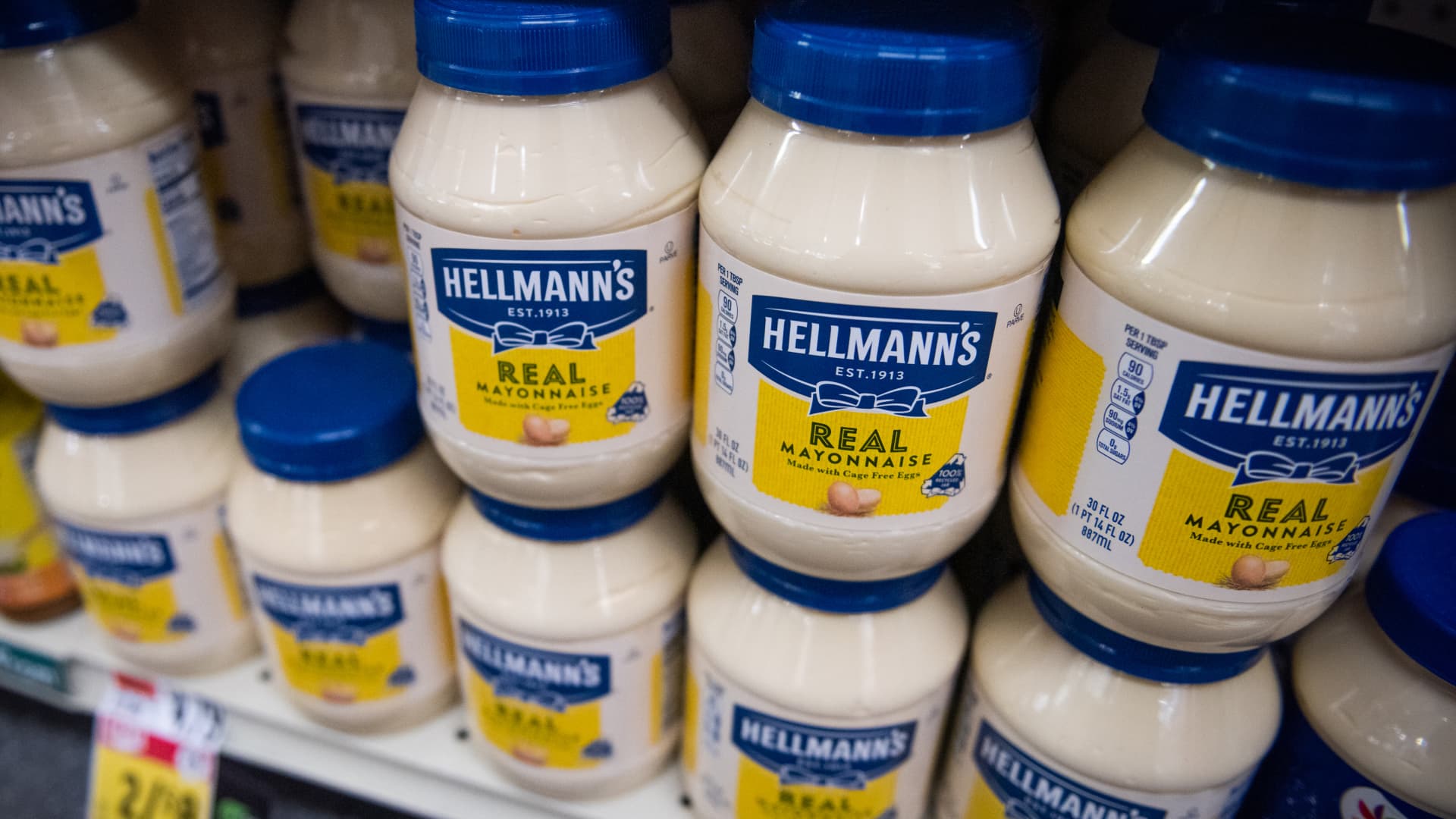
McCormick Acquires Unilever's Food Business for $45 Billion
- Massive Deal Size: McCormick is acquiring Unilever's food business for a total value of nearly $45 billion, with $15.7 billion paid in cash, which is expected to significantly boost McCormick's annual sales and further expand its market share in the condiments and spreads sector.
- Equity Structure Change: After the deal closes, Unilever shareholders will own 55.1% of the combined company while Unilever retains a 9.9% stake, a structure that will influence future governance and strategic decisions of the merged entity.
- Strategic Focus Shift: By divesting its food business, Unilever can concentrate more on its personal care segment, which is growing faster, reflecting the company's keen insight into future market trends and consumer preferences.
- Response to Industry Trends: This acquisition aligns with the broader trend in the Big Food sector, where many packaged food and beverage companies are streamlining operations through divestitures and spinoffs to address declining consumer demand, with nearly half of 2024's M&A activity in the consumer products industry expected to come from divestitures.
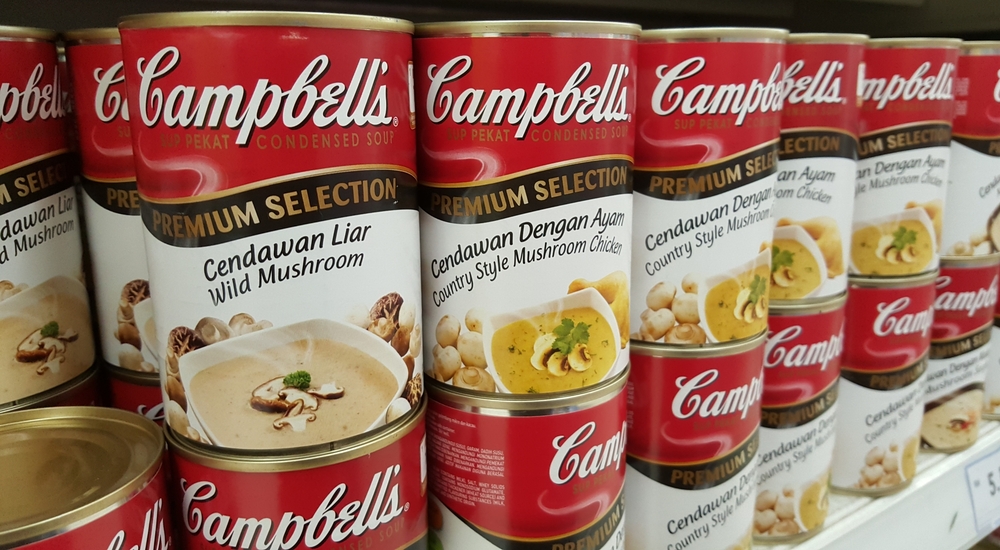
Analyzing Investment Prospects for Campbell's Company Stock
- Stock Price and Valuation: As of March 24, Campbell's shares were trading at $20.91, with a trailing P/E of 11.46 and a forward P/E of 9.01, indicating a discounted valuation despite a 5.8% dividend yield and a payout ratio below 80%.
- Brand Portfolio Strength: The company boasts a robust brand portfolio, including staple soups and well-known snack brands like Pepperidge Farm and Goldfish, and while consumer preferences are shifting towards healthier options, the demand for convenient meals and snacks remains strong, supporting the resilience of its core categories.
- Sales Growth Trend: Campbell's has achieved approximately 21% cumulative sales growth since 2021, and despite recent margin pressures, its stable cash flow and brand equity provide a foundation for future growth, suggesting that the market's pessimism regarding its long-term prospects may be overstated.
- Industry Performance Comparison: Within the packaged food sector, Campbell's has underperformed, with its stock price depreciating by about 44.90% since our last coverage due to weak snack demand and inflationary pressures, yet its compressed valuation amidst sector-wide pessimism may still present an attractive opportunity for investors.

Dividend Stability: Reasons These Leaders Remain Secure Following a Turbulent Q1
Dividend Stocks Resilience: Dividend stocks are highlighted for their reliability during choppy market conditions, with companies that have consistently increased their dividends over the past 50 years being termed "dividend kings." These stocks provide a stable income source for investors, especially in uncertain economic times.
Procter & Gamble's Performance: Procter & Gamble (P&G) is noted for its strong financial health, boasting a significant cash reserve and a history of consistent dividend increases. The company has managed to grow its dividends even amidst inflation and market pressures, showcasing its resilience and stability.
Colgate-Palmolive's Growth: Colgate-Palmolive is recognized for its global market presence and consistent revenue growth, particularly in consumer staples. The company has diversified its revenue streams and maintained a strong dividend increase record, making it a solid investment choice.
Hormel Foods' Consistency: Hormel Foods is praised for its steady income from everyday demand products, with a strong portfolio of well-known brands. Despite market volatility, Hormel has continued to increase its dividends, reflecting its robust financial position and commitment to shareholder returns.
Hormel Foods Appoints New VP of Food Safety
- Leadership Transition: Hormel Foods Corporation announced that Richard Carlson, Vice President of Global Food Safety and Quality Management, will retire on May 1, 2026, after a 35-year career, with Jeremiah Johnson, a 20-year veteran, succeeding him.
- Food Safety Strategy: Johnson will oversee all company quality, regulatory, and food safety activities, and is expected to enhance food safety standards and strengthen consumer trust through his deep expertise in food safety and quality management.
- Leadership Capability: Johnson has played a crucial role in key initiatives to strengthen food safety systems within the company, and his ability to lead cross-functional teams and drive continuous improvement is anticipated to positively impact the company's competitive position in the market.
- Company Background: Hormel Foods generates over $12 billion in annual revenue and boasts a portfolio of well-known brands, having received numerous accolades for corporate responsibility and community service, underscoring its leadership and commitment in the food industry.
Turnaround Opportunities for UPS and Hormel Foods
- UPS Transformation Progress: In 2025, UPS closed 93 buildings and deployed automation at 57 locations, successfully saving $3.5 billion, with 2026 expected to be an inflection point as the second half is projected to outperform the first, indicating positive results from its turnaround efforts.
- Revenue Growth Potential: Despite a year-over-year decline in revenue and earnings in 2025, UPS saw a 7.1% increase in revenue per piece in the U.S. market, suggesting that its turnaround initiatives are yielding expected outcomes, likely attracting more investor interest in the future.
- Hormel's Strong Sales: Hormel achieved organic sales growth for five consecutive quarters in 2025, with adjusted earnings expected to rise between 4% and 10% in 2026, demonstrating the company's successful transformation towards value-added products.
- High Dividend Appeal: Hormel offers a dividend yield of 5%, significantly higher than the 1.1% from the S&P 500 index, and with over 50 years of annual dividend increases, it stands out as a strong option for income investors.
UPS and Hormel Show Signs of Profit Recovery
- UPS Profit Growth: In 2025, UPS closed 93 facilities and deployed automation at 57 locations, saving $3.5 billion; despite a year-over-year decline in revenue and earnings, revenue per package increased by 7.1%, indicating positive results from the company's turnaround efforts.
- Optimistic Future Outlook: Management has indicated that the second half of 2026 is likely to be a turning point for UPS, suggesting a gradual restoration of market confidence and enhanced profitability as the company continues its recovery.
- Hormel's Strong Sales: Hormel achieved organic sales growth for five consecutive quarters in 2025; despite challenges including a CEO change and business restructuring, its focus on value-added products is beginning to yield positive results.
- Earnings Expectations Rise: Hormel anticipates adjusted earnings growth of 4% to 10% in fiscal 2026, with a 5% dividend yield significantly above the S&P 500's 1.1%, making it an attractive option for income-focused investors.
McCormick Acquires Unilever's Food Business for $45 Billion
- Massive Deal Size: McCormick is acquiring Unilever's food business for a total value of nearly $45 billion, with $15.7 billion paid in cash, which is expected to significantly boost McCormick's annual sales and further expand its market share in the condiments and spreads sector.
- Equity Structure Change: After the deal closes, Unilever shareholders will own 55.1% of the combined company while Unilever retains a 9.9% stake, a structure that will influence future governance and strategic decisions of the merged entity.
- Strategic Focus Shift: By divesting its food business, Unilever can concentrate more on its personal care segment, which is growing faster, reflecting the company's keen insight into future market trends and consumer preferences.
- Response to Industry Trends: This acquisition aligns with the broader trend in the Big Food sector, where many packaged food and beverage companies are streamlining operations through divestitures and spinoffs to address declining consumer demand, with nearly half of 2024's M&A activity in the consumer products industry expected to come from divestitures.
Analyzing Investment Prospects for Campbell's Company Stock
- Stock Price and Valuation: As of March 24, Campbell's shares were trading at $20.91, with a trailing P/E of 11.46 and a forward P/E of 9.01, indicating a discounted valuation despite a 5.8% dividend yield and a payout ratio below 80%.
- Brand Portfolio Strength: The company boasts a robust brand portfolio, including staple soups and well-known snack brands like Pepperidge Farm and Goldfish, and while consumer preferences are shifting towards healthier options, the demand for convenient meals and snacks remains strong, supporting the resilience of its core categories.
- Sales Growth Trend: Campbell's has achieved approximately 21% cumulative sales growth since 2021, and despite recent margin pressures, its stable cash flow and brand equity provide a foundation for future growth, suggesting that the market's pessimism regarding its long-term prospects may be overstated.
- Industry Performance Comparison: Within the packaged food sector, Campbell's has underperformed, with its stock price depreciating by about 44.90% since our last coverage due to weak snack demand and inflationary pressures, yet its compressed valuation amidst sector-wide pessimism may still present an attractive opportunity for investors.
Dividend Stability: Reasons These Leaders Remain Secure Following a Turbulent Q1
Dividend Stocks Resilience: Dividend stocks are highlighted for their reliability during choppy market conditions, with companies that have consistently increased their dividends over the past 50 years being termed "dividend kings." These stocks provide a stable income source for investors, especially in uncertain economic times.
Procter & Gamble's Performance: Procter & Gamble (P&G) is noted for its strong financial health, boasting a significant cash reserve and a history of consistent dividend increases. The company has managed to grow its dividends even amidst inflation and market pressures, showcasing its resilience and stability.
Colgate-Palmolive's Growth: Colgate-Palmolive is recognized for its global market presence and consistent revenue growth, particularly in consumer staples. The company has diversified its revenue streams and maintained a strong dividend increase record, making it a solid investment choice.
Hormel Foods' Consistency: Hormel Foods is praised for its steady income from everyday demand products, with a strong portfolio of well-known brands. Despite market volatility, Hormel has continued to increase its dividends, reflecting its robust financial position and commitment to shareholder returns.
Hormel Foods Appoints New VP of Food Safety
- Leadership Transition: Hormel Foods Corporation announced that Richard Carlson, Vice President of Global Food Safety and Quality Management, will retire on May 1, 2026, after a 35-year career, with Jeremiah Johnson, a 20-year veteran, succeeding him.
- Food Safety Strategy: Johnson will oversee all company quality, regulatory, and food safety activities, and is expected to enhance food safety standards and strengthen consumer trust through his deep expertise in food safety and quality management.
- Leadership Capability: Johnson has played a crucial role in key initiatives to strengthen food safety systems within the company, and his ability to lead cross-functional teams and drive continuous improvement is anticipated to positively impact the company's competitive position in the market.
- Company Background: Hormel Foods generates over $12 billion in annual revenue and boasts a portfolio of well-known brands, having received numerous accolades for corporate responsibility and community service, underscoring its leadership and commitment in the food industry.